Artwork
El príncipe Baltasar Carlos
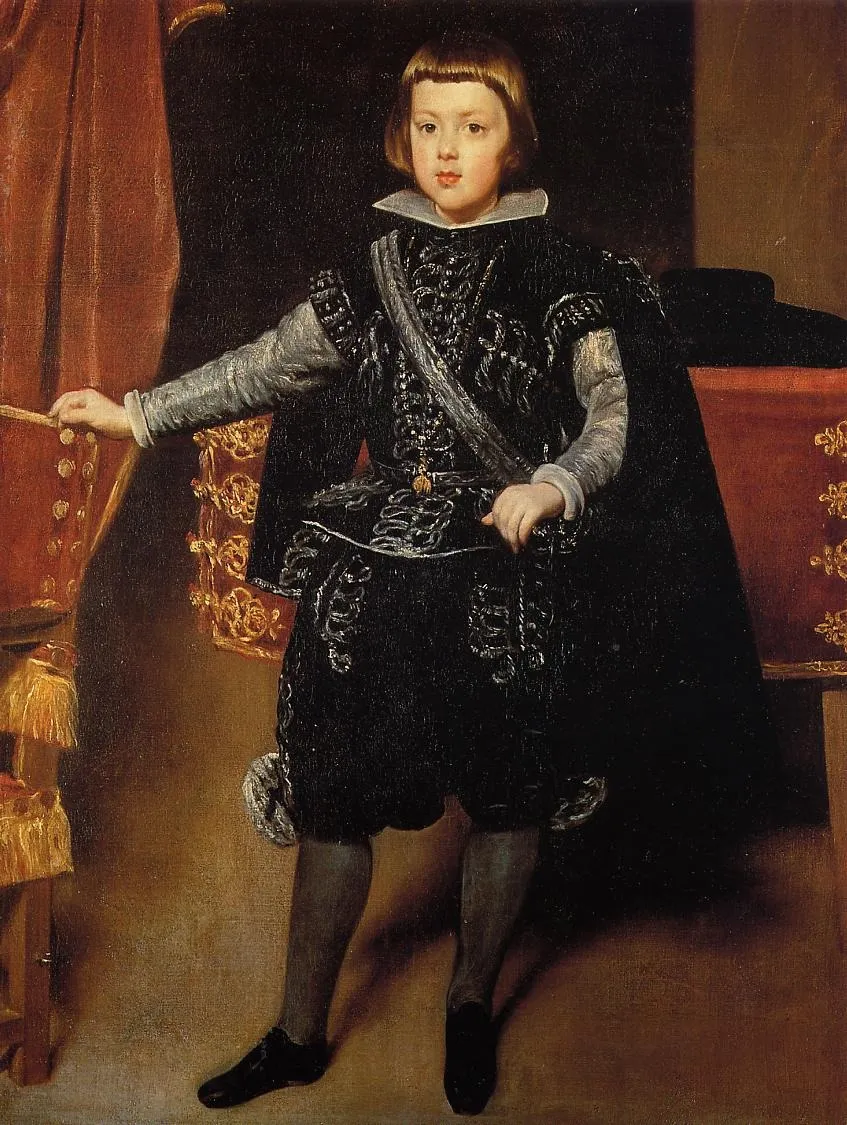
El príncipe Baltasar Carlos is an oil painting by the Early Baroque Italian artist Diego Velázquez. It dates from 1638 and is held in the collection of the Kunsthistorisches Museum.
About this work
Overview
He is dressed in a black doublet and matching breeches adorned with silver embroidery, featuring puffy, slashed sleeves that reveal a white shirt beneath.
Painted in 1638, El príncipe Baltasar Carlos is a formal court portrait by Diego Velázquez depicting the young heir to the Spanish throne at approximately four years of age. The composition presents the prince standing in a three-quarter view against a dark, neutral background that isolates his figure and emphasizes his royal status. He is dressed in a black doublet and matching breeches adorned with silver embroidery, featuring puffy, slashed sleeves that reveal a white shirt beneath. His right hand rests on a curved scepter, a symbol of authority, while his left hand holds a small object, likely a baton or glove. The painting exemplifies Velázquez's mature style during his service to Philip IV, characterized by a restrained palette, precise observation of textile textures, and a psychological depth that transcends the rigid conventions of Habsburg portraiture. Executed shortly after the artist's return from Italy, the work demonstrates his mastery in capturing the dignity of youth and the weight of dynastic expectation. It stands as a key example of 17th-century Spanish court painting, bridging the formal traditions of the past with the emerging naturalism that would define Velázquez's later masterpieces.
Subject & Meaning
The sitter, a child of about six years, is shown in a formal stance, clutching a curved scepter that signals his royal status. His attire, reminiscent of miniature armor, underscores the expectation of martial virtue and future sovereignty, while his composed expression conveys the gravity of his dynastic role.
Technique & Style
Velázquez employs a pronounced chiaroscuro, using a dark backdrop illuminated by a focused light that models the boy’s features and richly embroidered costume. The contrast between the deep shadows and the bright highlights accentuates the texture of the fabrics and the gleam of the scepter, creating a three‑dimensional presence.
History & Provenance
Painted during the reign of Philip IV, the work remained in the Spanish royal collection before being transferred to the Habsburgs. It entered the Kunsthistorisches Museum’s holdings in the 19th century, where it has been displayed as a key example of Velázquez’s court portraiture.
Artist & collection
Artist
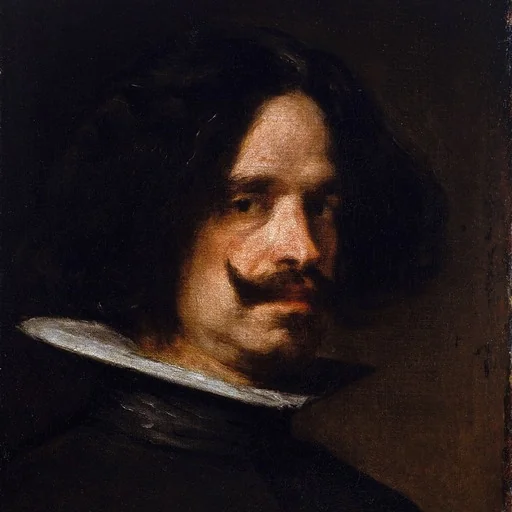
Diego Rodríguez de Silva y Velázquez was a Spanish Baroque painter, the leading artist in the court of King Philip IV of Spain and Portugal, and of the Spanish Golden Age.

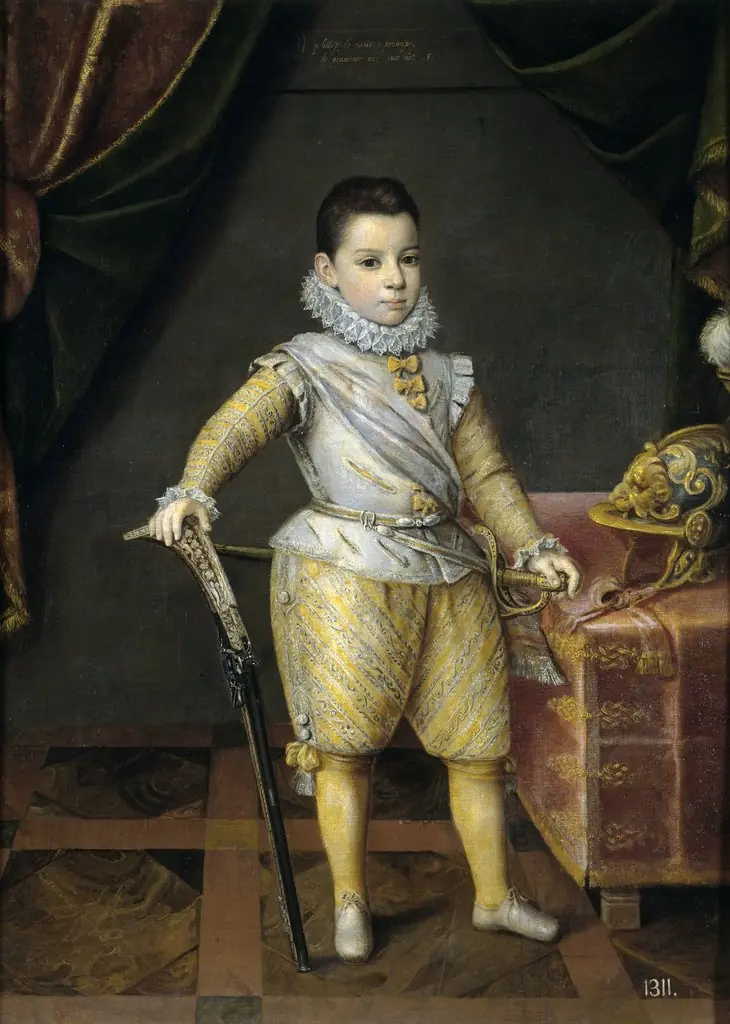 Portrait of Philip Emmanuel of Savoy (1586-1605), age five
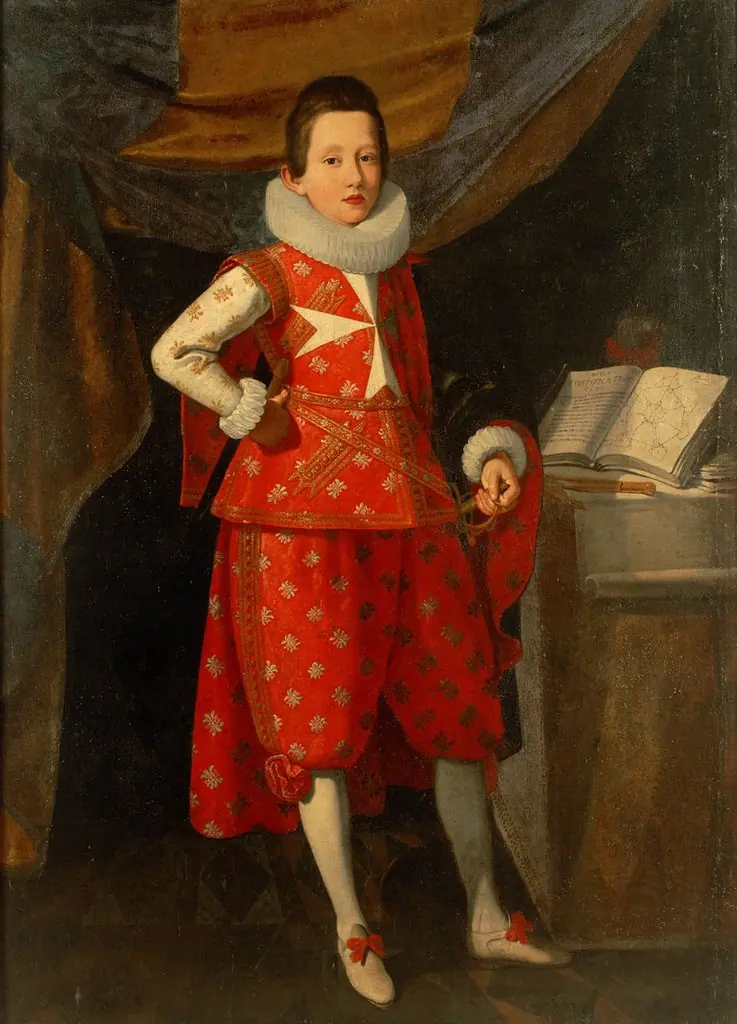 Giancarlo de' Medici (1611-1663), Cardinal, at the age of 10.
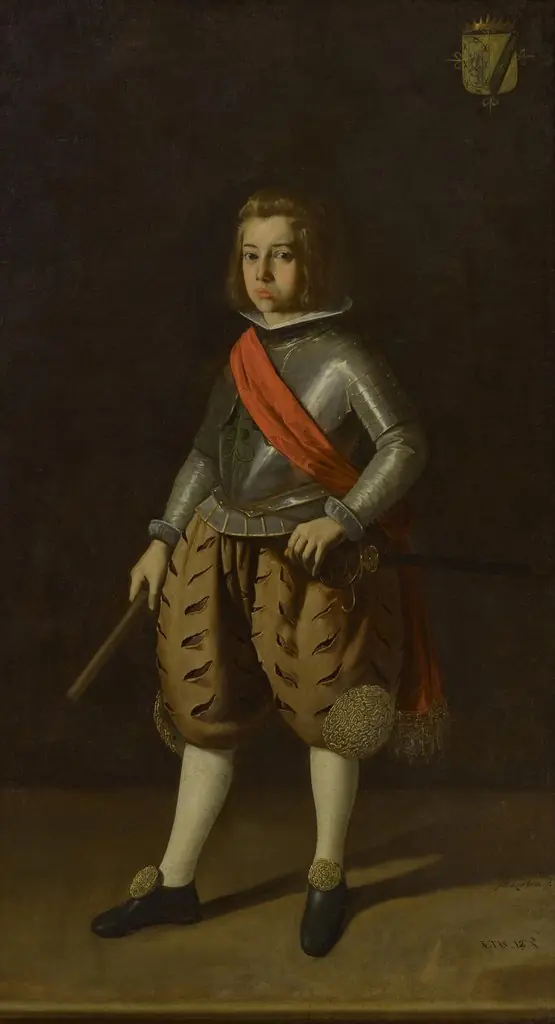 Portrait of Don Alonso Verdugo de Albornoz
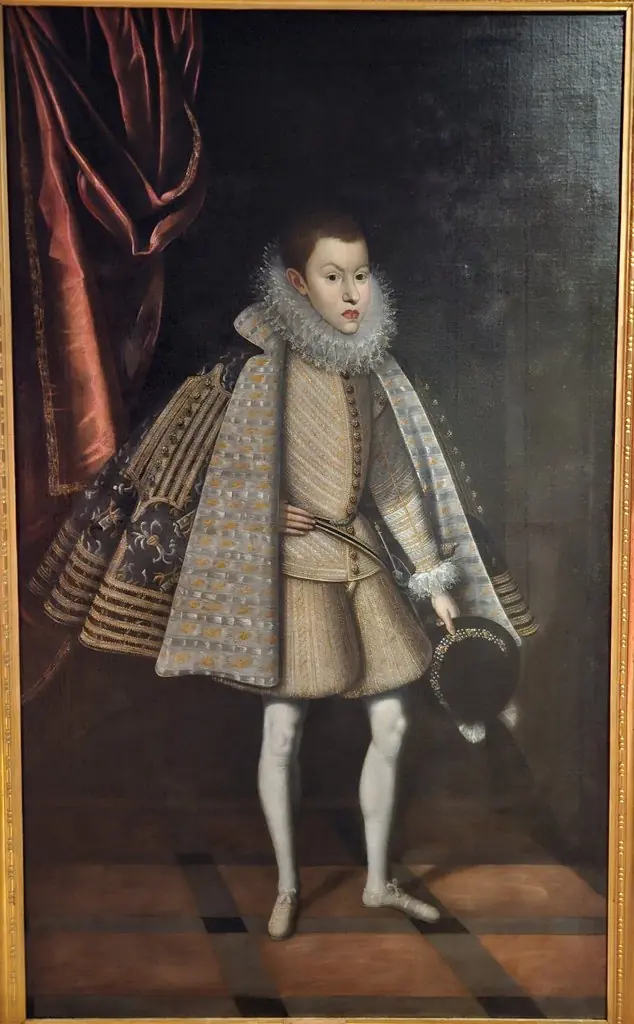 Retrato do Infante Carlos de Áustria
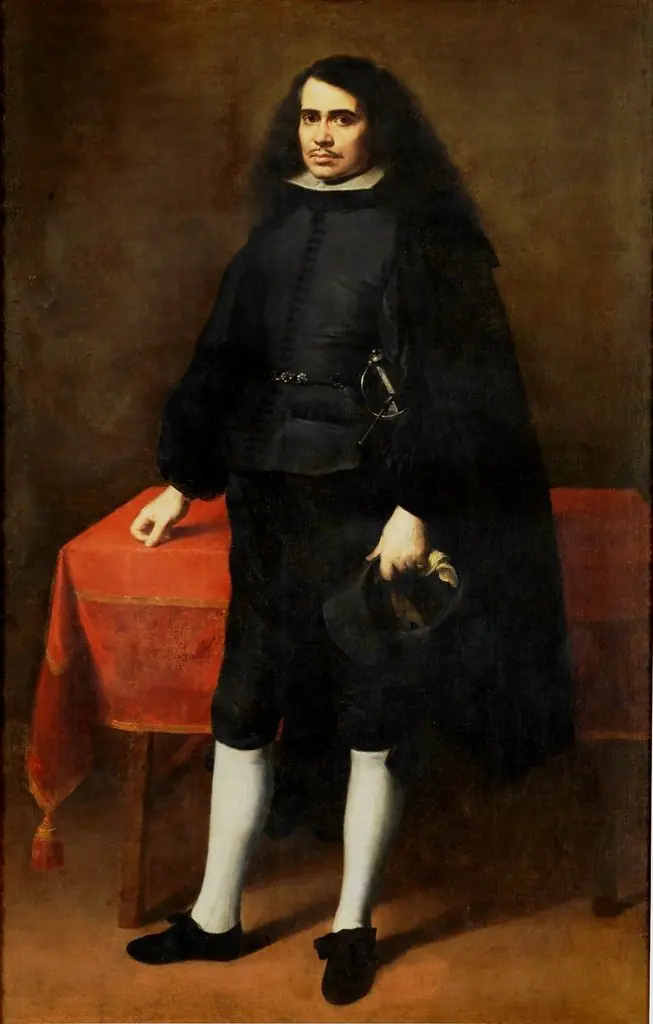 Portrait of a Man
 Portrait of San Luigi Gonzaga
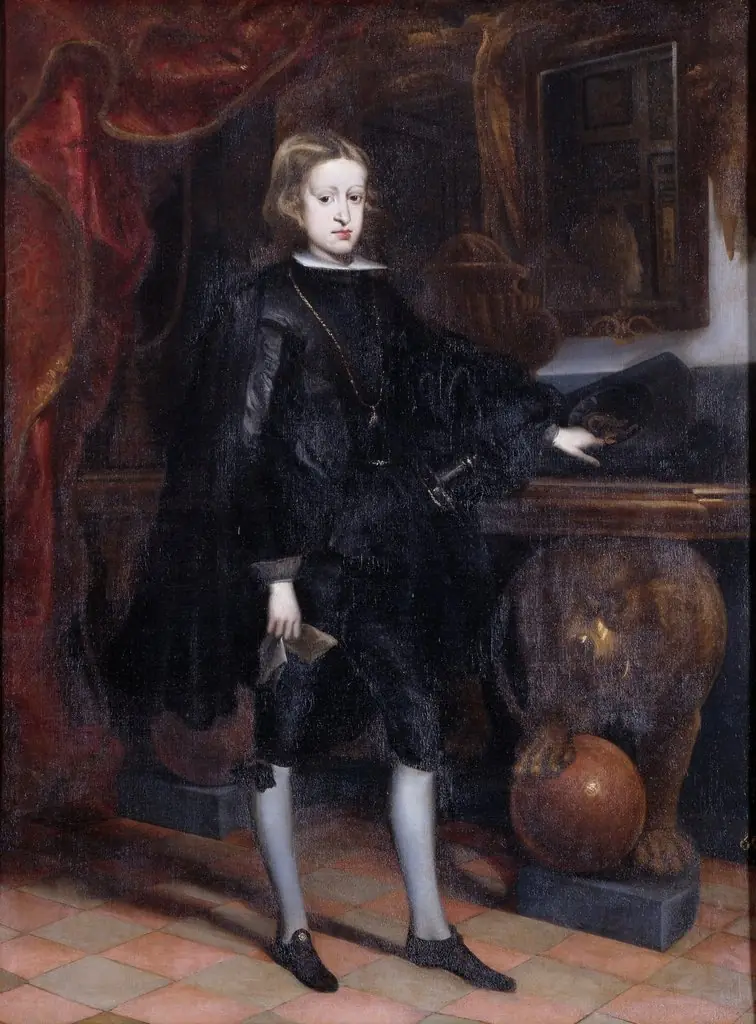 Charles II as a child
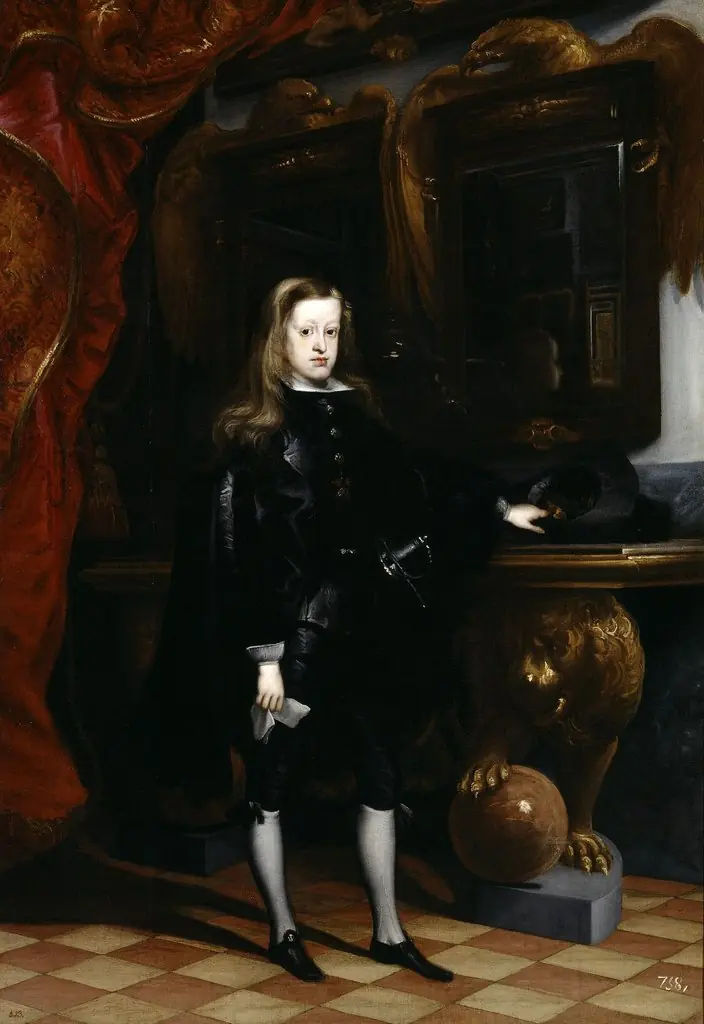 Charles II as a child
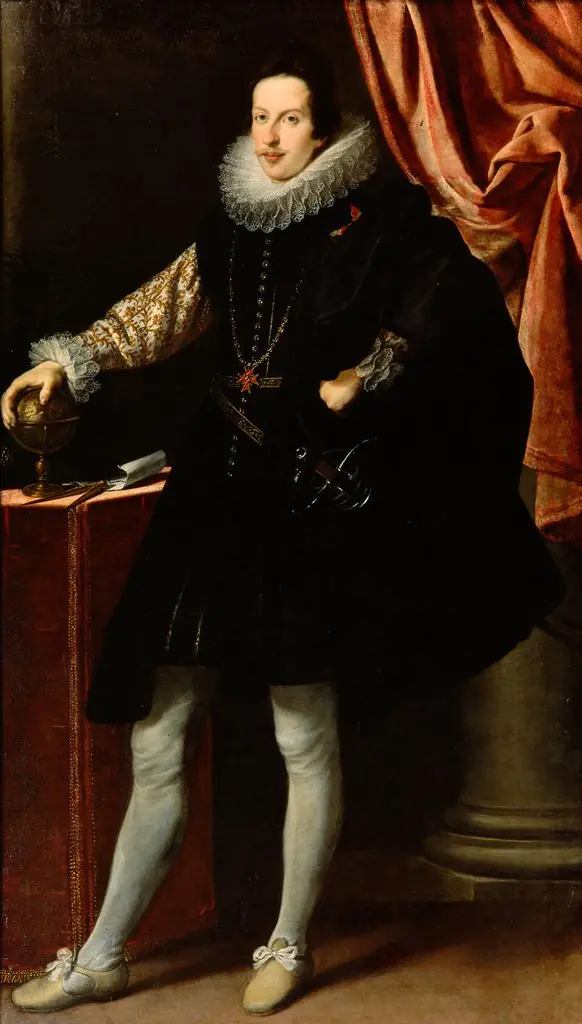 Portrait of Cosimo II de' Medici, Grand Duke of Tuscany