Artwork
Portrait of San Luigi Gonzaga
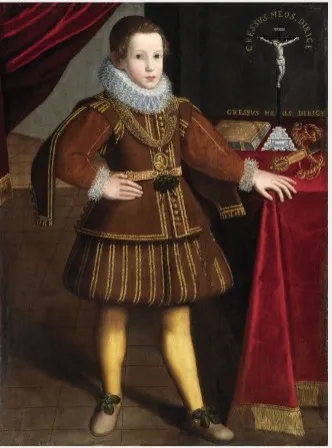
Portrait of San Luigi Gonzaga is an unspecified painting by the Mannerist artist Pietro Facchetti. It dates from 1586 and is held in the collection of the National Gallery of Ireland.
About this work
Overview
Pietro Facchetti's *Portrait of San Luigi Gonzaga*, created circa 1586, is a late Renaissance painting executed during the artist's time in Rome. It depicts Aloysius Gonzaga, a Jesuit novice who would later be canonized.
Subject & Meaning
The subject, Aloysius Gonzaga, is portrayed as a youthful figure in opulent attire, suggesting a significant occasion. The calm expression and subtle background elements—a cross and a draped figure behind a dark curtain—convey the religious context of the portrait.
Technique & Style
The painting exemplifies Mannerist characteristics, notable in its attention to detail in the subject's clothing and the contrast between the plain, shadowy background and the vibrant, symbolic elements in the curtained area.
History & Provenance
Facchetti, trained under Lorenzo Costa the Younger and influenced by his time in Scipione da Gaeta’s Rome studio, is known for his portraiture skills, as evident in this work. The painting is part of the National Gallery of Ireland's collection.
Context
Commissioned during Gonzaga's lifetime (though he died young), the portrait captures a moment before his canonization, reflecting the religious and artistic sensibilities of late 16th-century Rome.
Legacy
While not extensively detailed in broader art historical narratives, *Portrait of San Luigi Gonzaga* remains a significant example of Facchetti's Mannerist portraiture and the enduring artistic interest in religious figures of the time.
Artist & collection
Artist
Pietro Facchetti (1539 – 27 February 1613) was an Italian painter of the late Renaissance, mainly active in Rome.

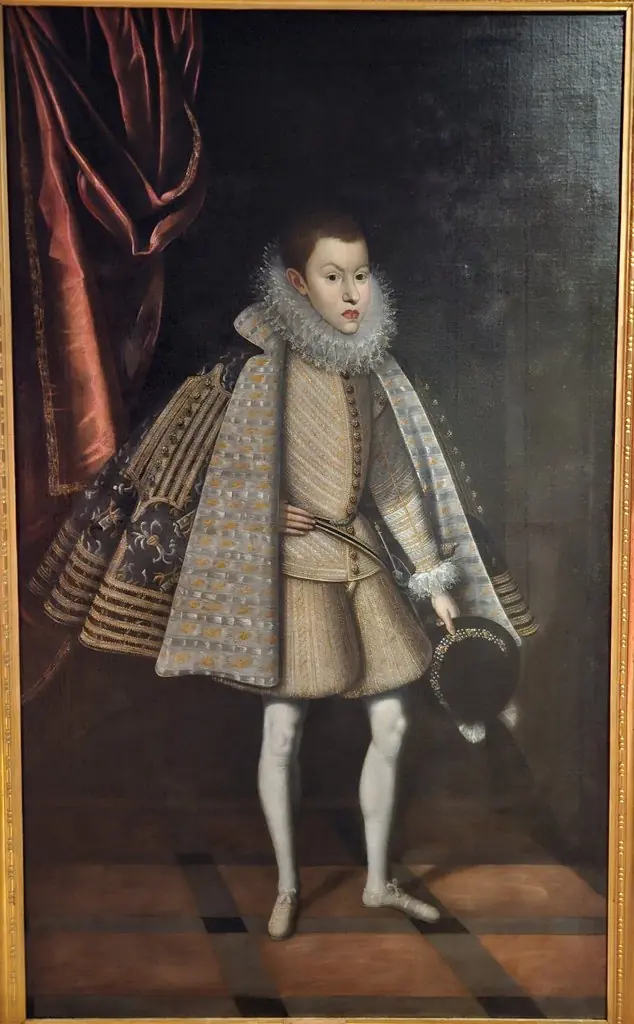 Retrato do Infante Carlos de Áustria
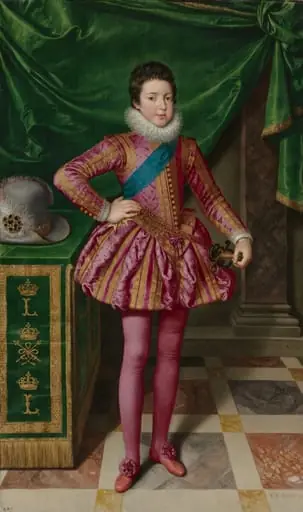 Portrait of King Louis XIII of France
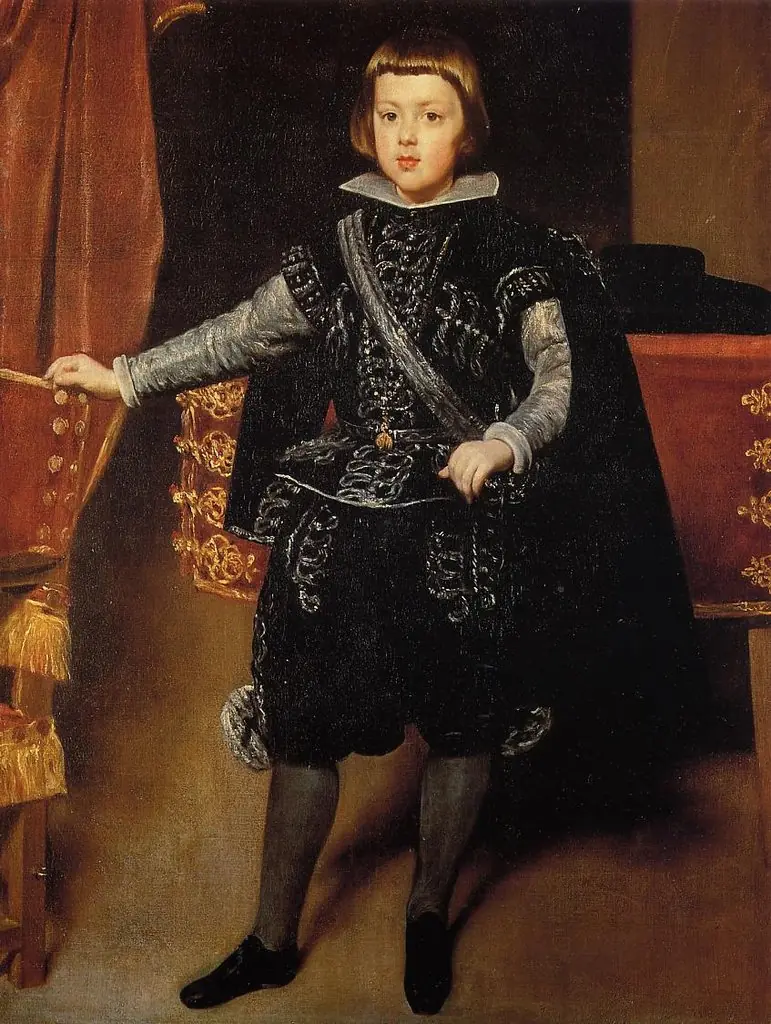 El príncipe Baltasar Carlos
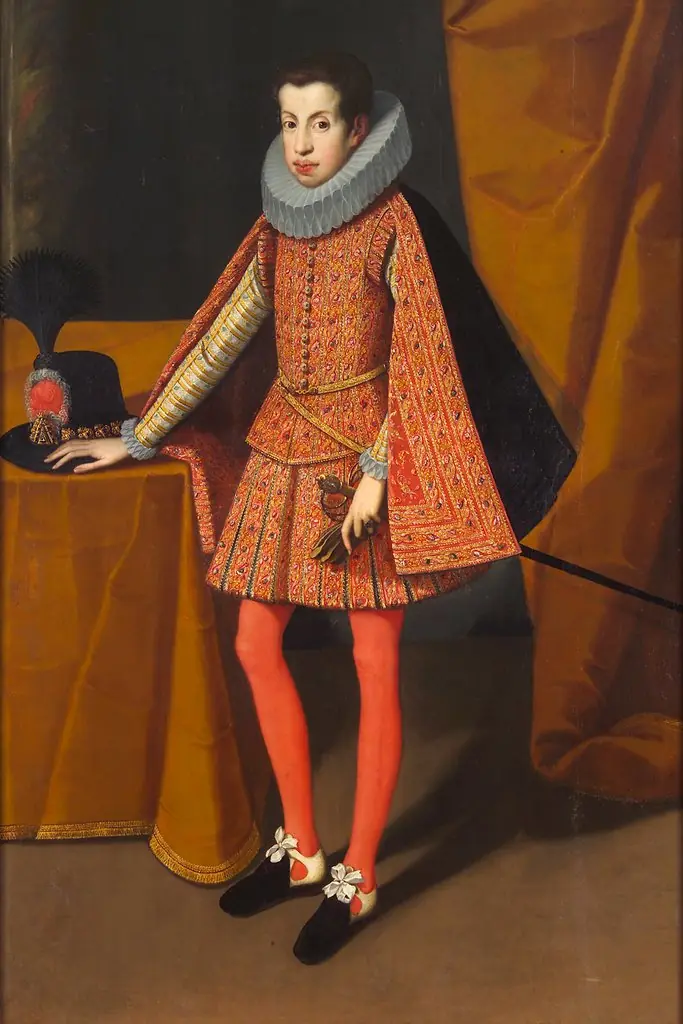 Kaiser Ferdinand III. (1608-1657)
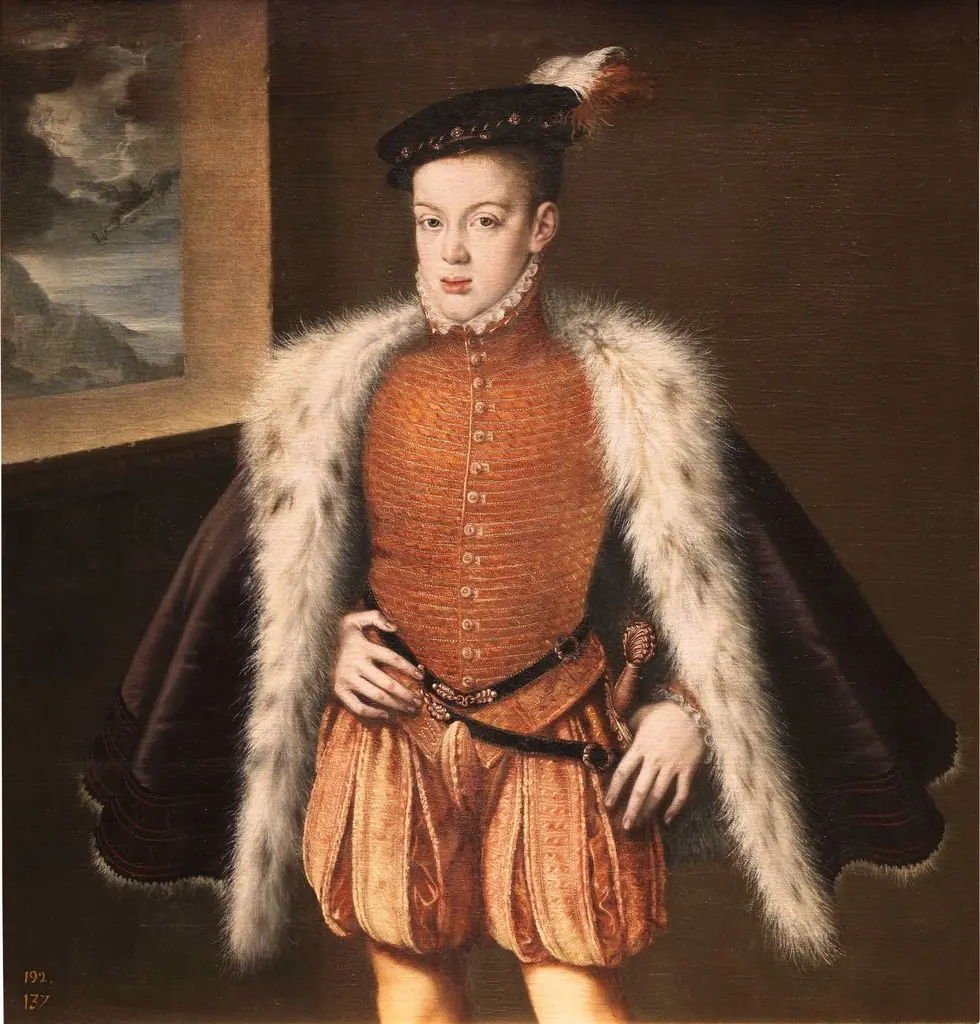 Prince Don Carlos
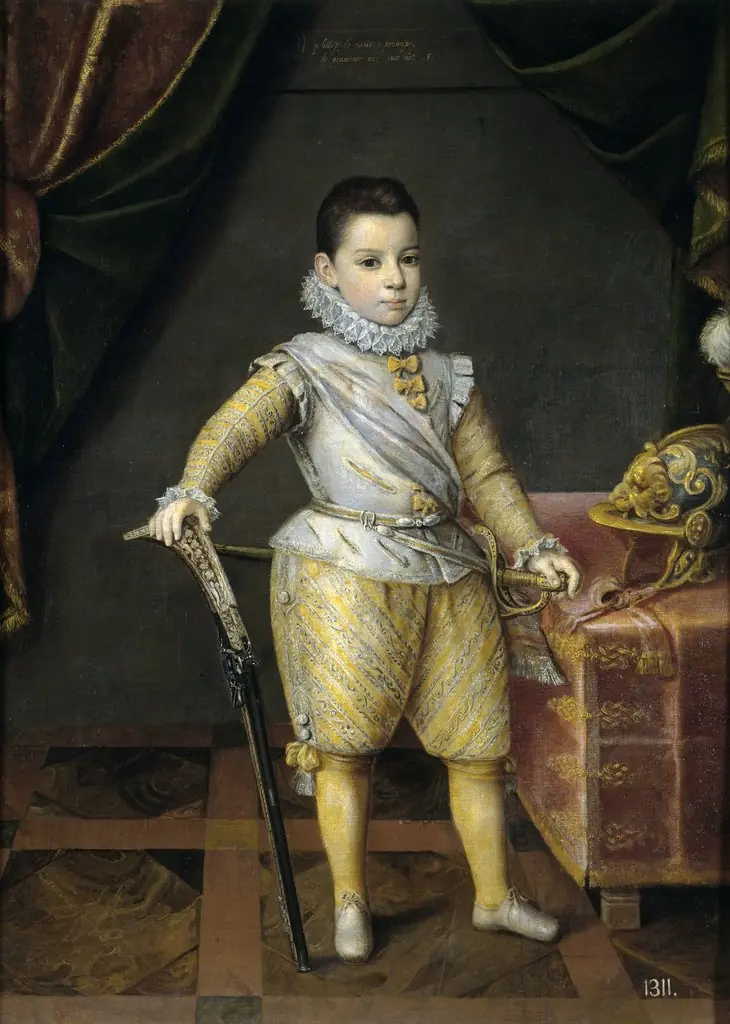 Portrait of Philip Emmanuel of Savoy (1586-1605), age five
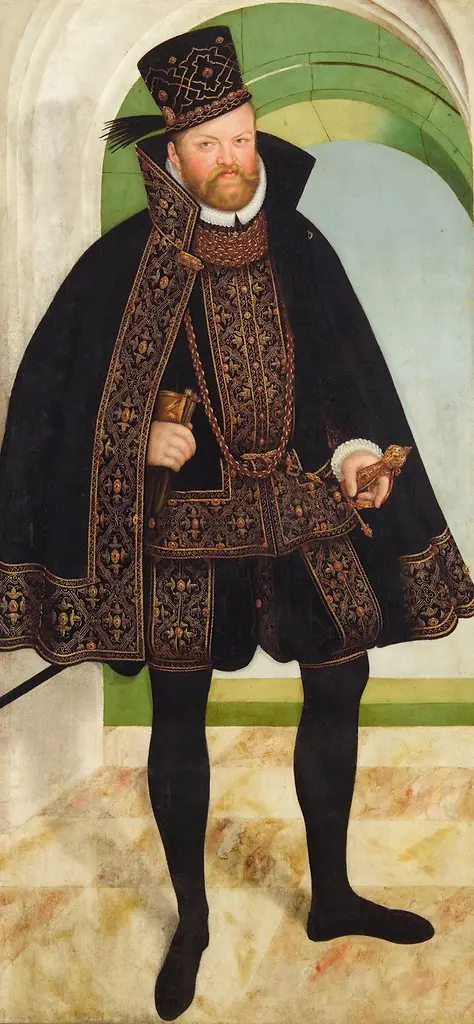 Augustus, Elector of Saxony (1526-1586)
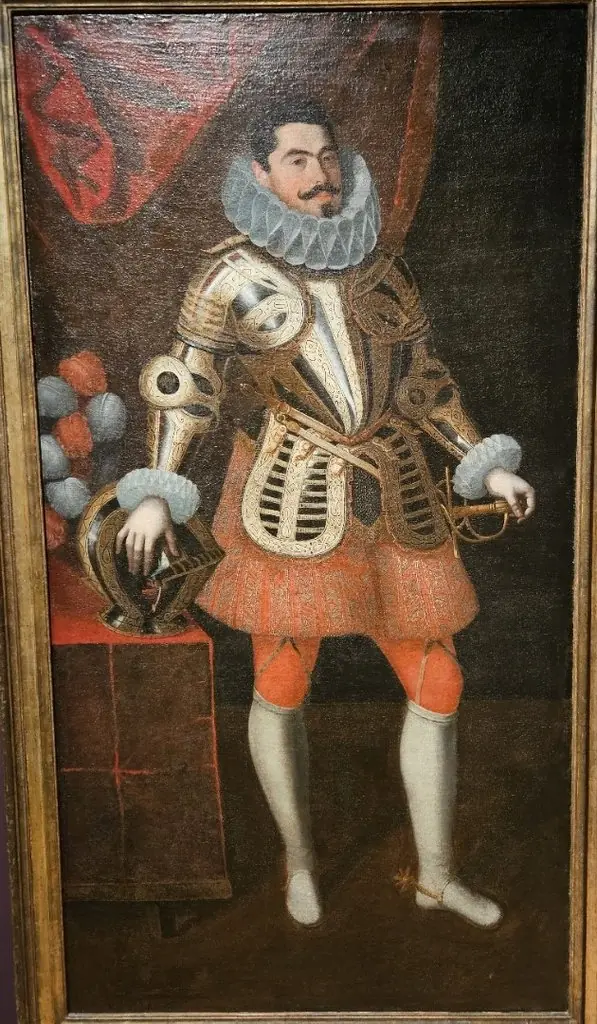 Possivel Retrato de Francisco de Sousa
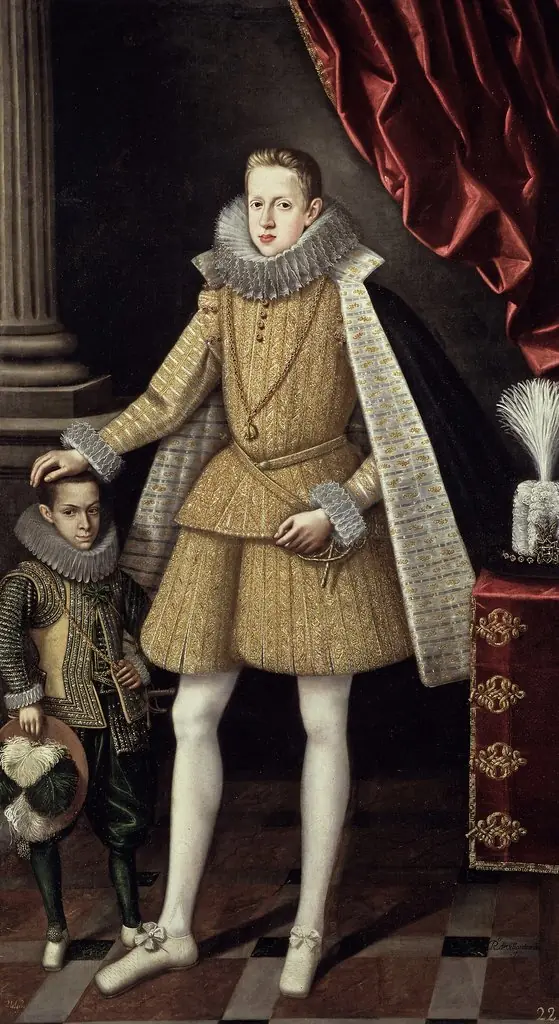 Prince Philip and the Dwarf, Miguel Soplillo
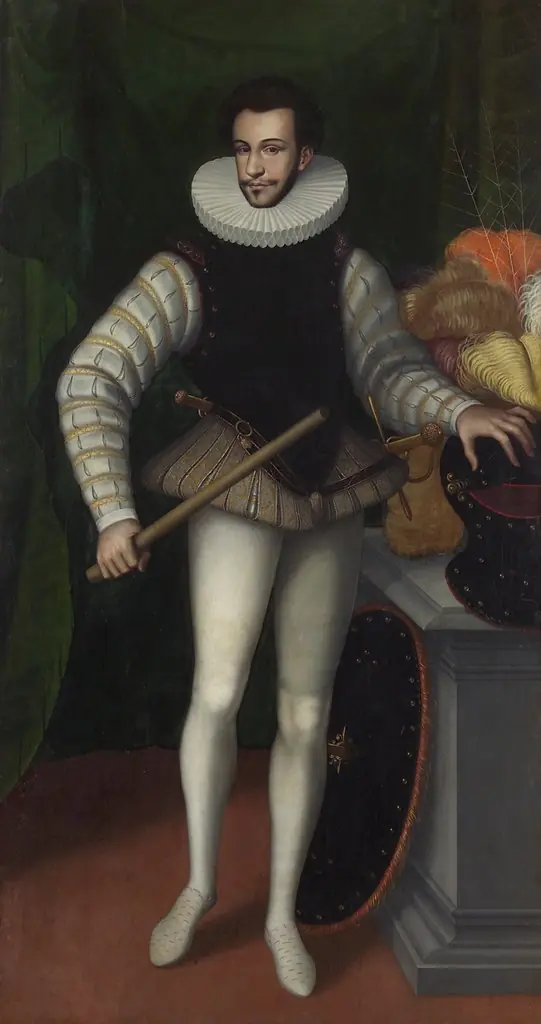 Herzog Francois von Alencon und Anjou (1555-1584)
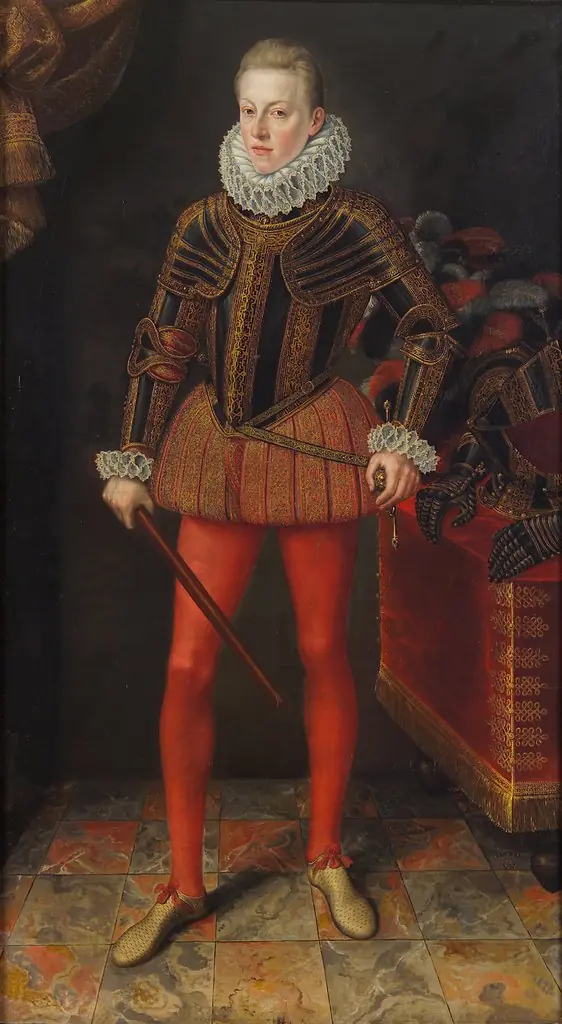 Portrait of Matthias II of Habsburg (1557-1619), the future Holy Roman Emperor
 Prince Hercule-François, Duc d'Alençon