Artwork
Kitchen Scene
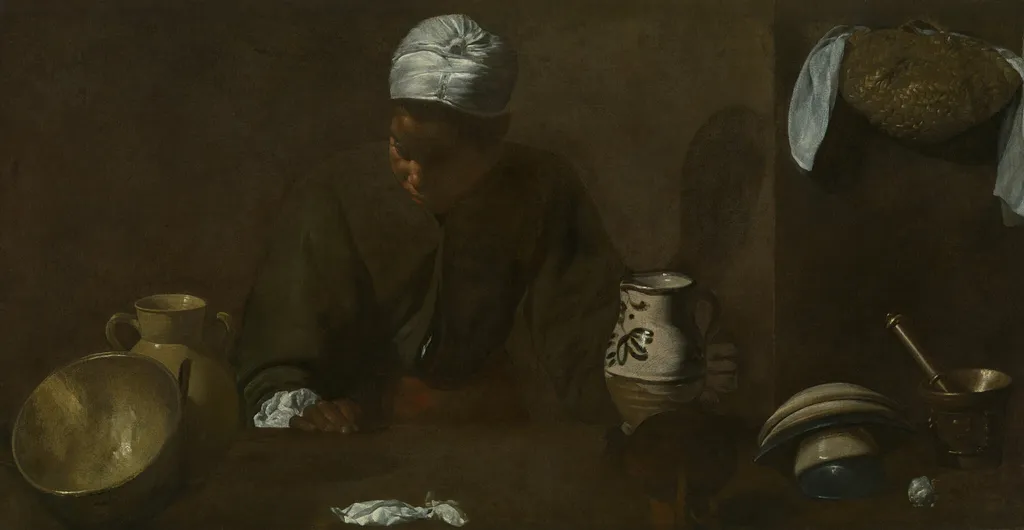
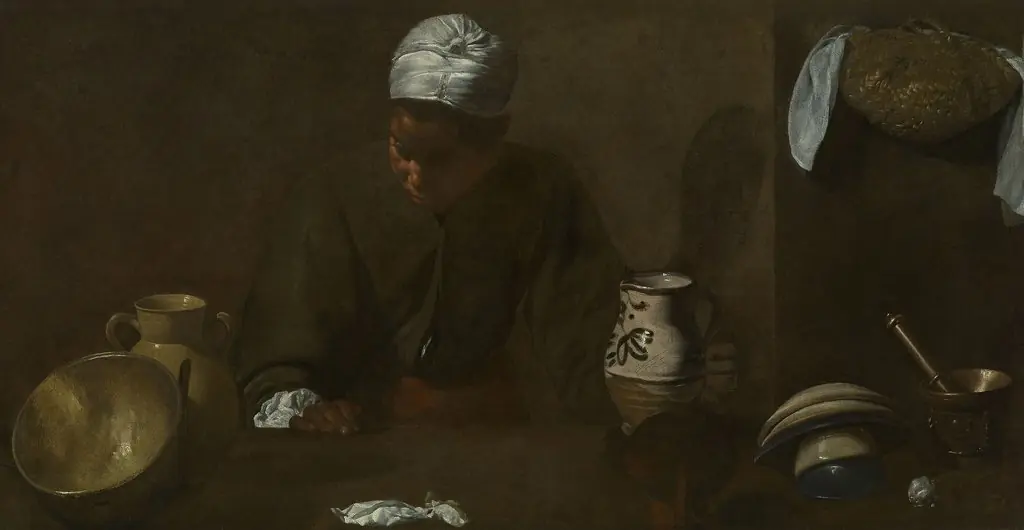
Kitchen Scene is an oil painting by the Baroque artist Diego Velázquez. It dates from 1619 and is held in the collection of the Art Institute of Chicago.
About this work
Overview
This painting depicts a young African woman engaged in domestic labor within a dimly lit kitchen setting, surrounded by meticulously detailed kitchenware and spices.
Subject & Meaning
The subject, likely modeled after an enslaved individual from the artist's or a associate's household, is portrayed as the central figure, unusual for the time period as it places an African woman in the foreground rather than the background.
Technique & Style
Velázquez employed chiaroscuro, a strong contrast between light and dark, to create a sense of realism and depth in the scene, highlighting the textures of the kitchen objects and the subject's activity.
History & Provenance
Created early in Velázquez's career while he was based in Seville, a city where slavery was prevalent, the painting reflects the societal context of its time, with the artist and his family being part of the enslaving class.
Context
As a bodegón, this work belongs to a genre of Spanish still-life painting focusing on kitchen or pantry scenes, yet it stands out for its human subject focus and the representation of an African woman.
Legacy
The painting's significance lies in its rare depiction of an African woman as a main subject during a period of widespread slavery in Spain, offering a glimpse into the lives of enslaved individuals and the societal norms of 17th-century Seville.
Artist & collection
Artist
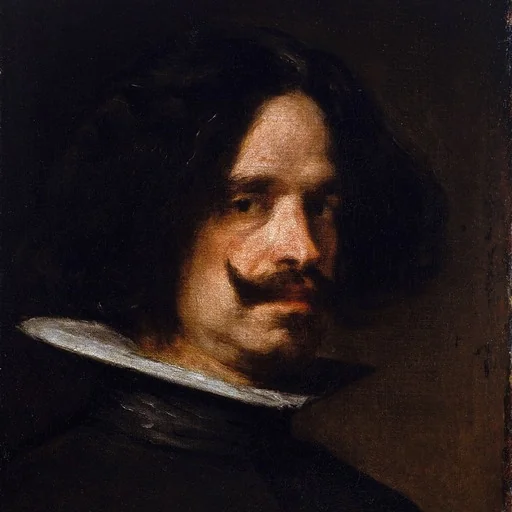
Diego Rodríguez de Silva y Velázquez was a Spanish Baroque painter, the leading artist in the court of King Philip IV of Spain and Portugal, and of the Spanish Golden Age.

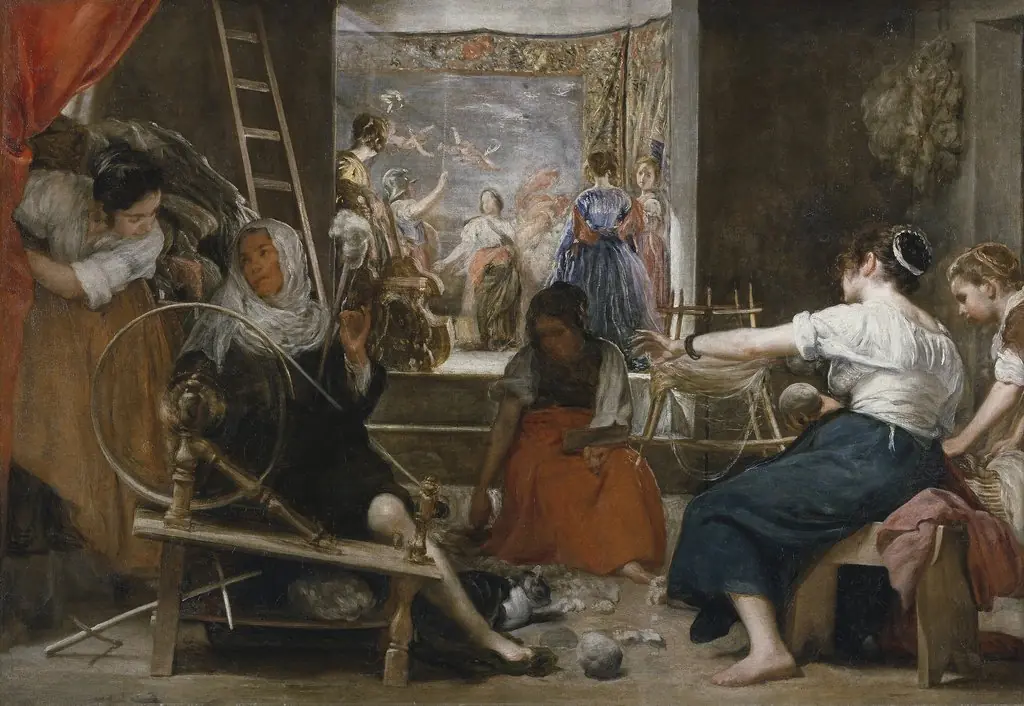
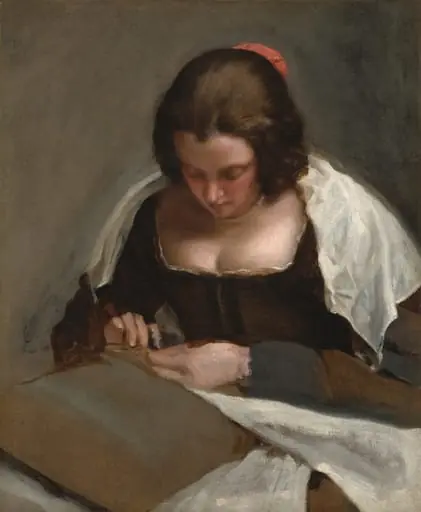
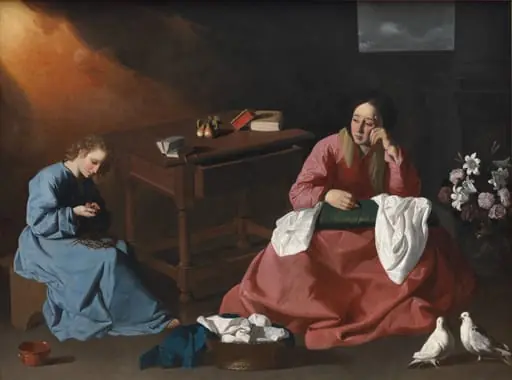 Christ and the Virgin in the House at Nazareth
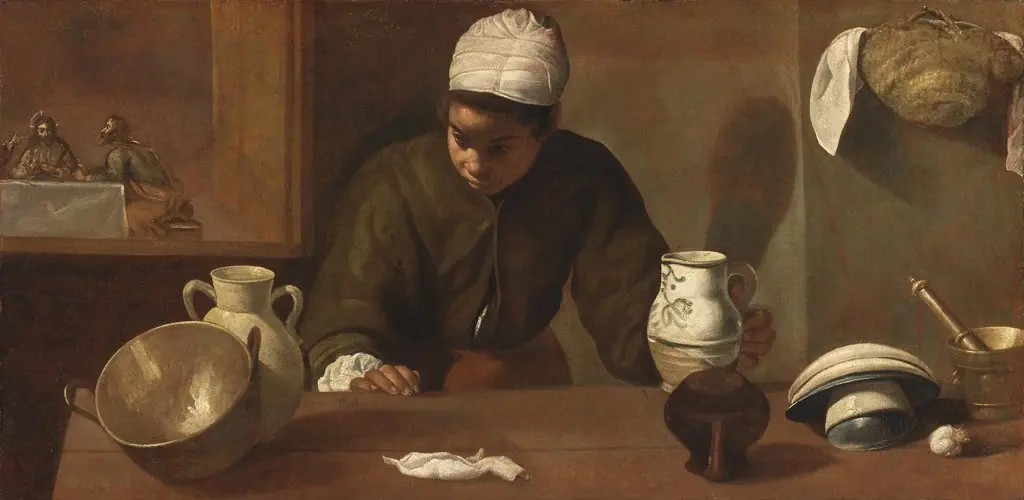 Kitchen Scene with the Supper in Emmaus
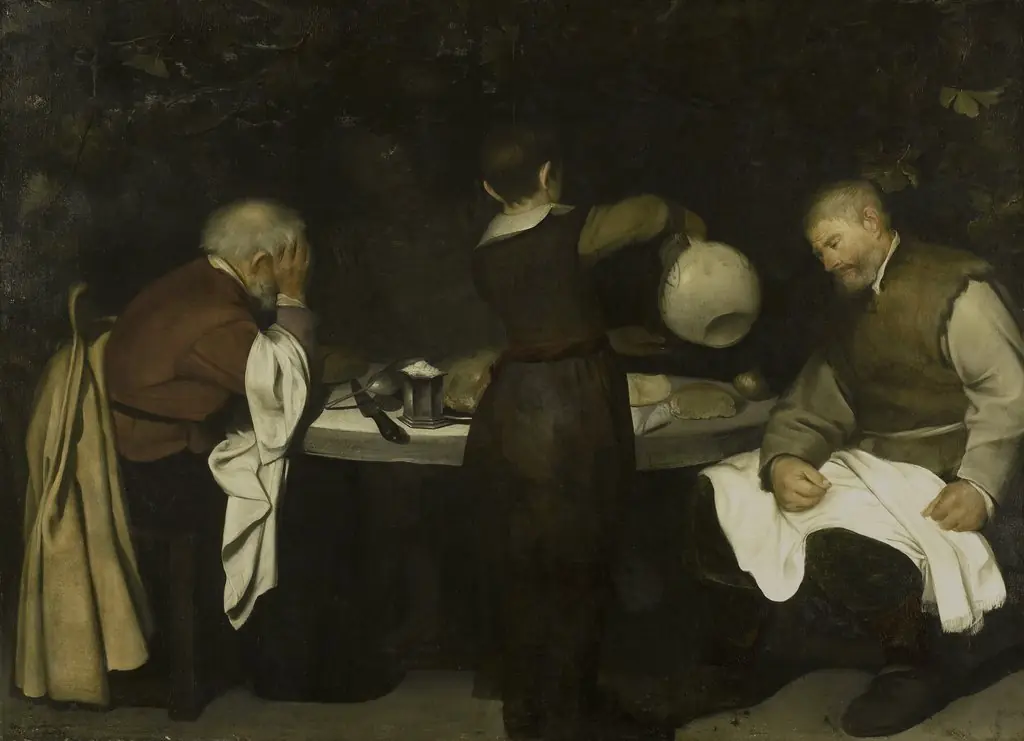 Supper at Emmaus
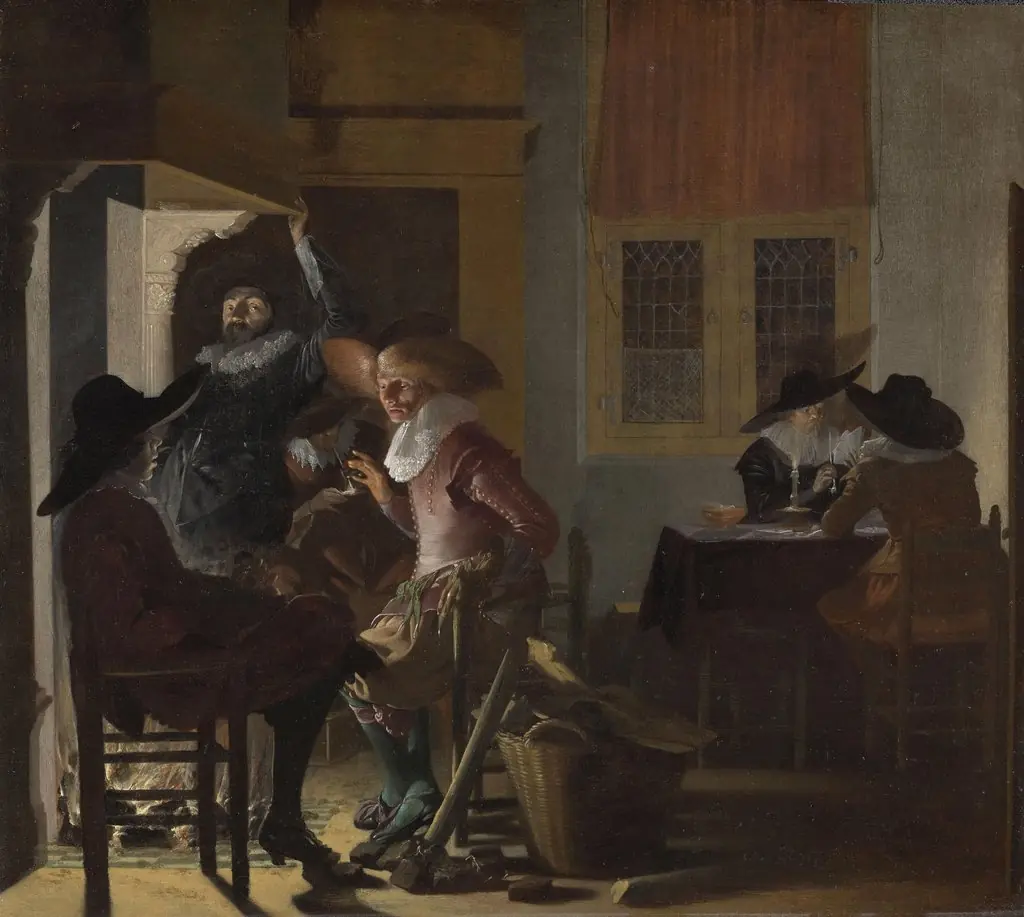 Soldiers beside a Fireplace
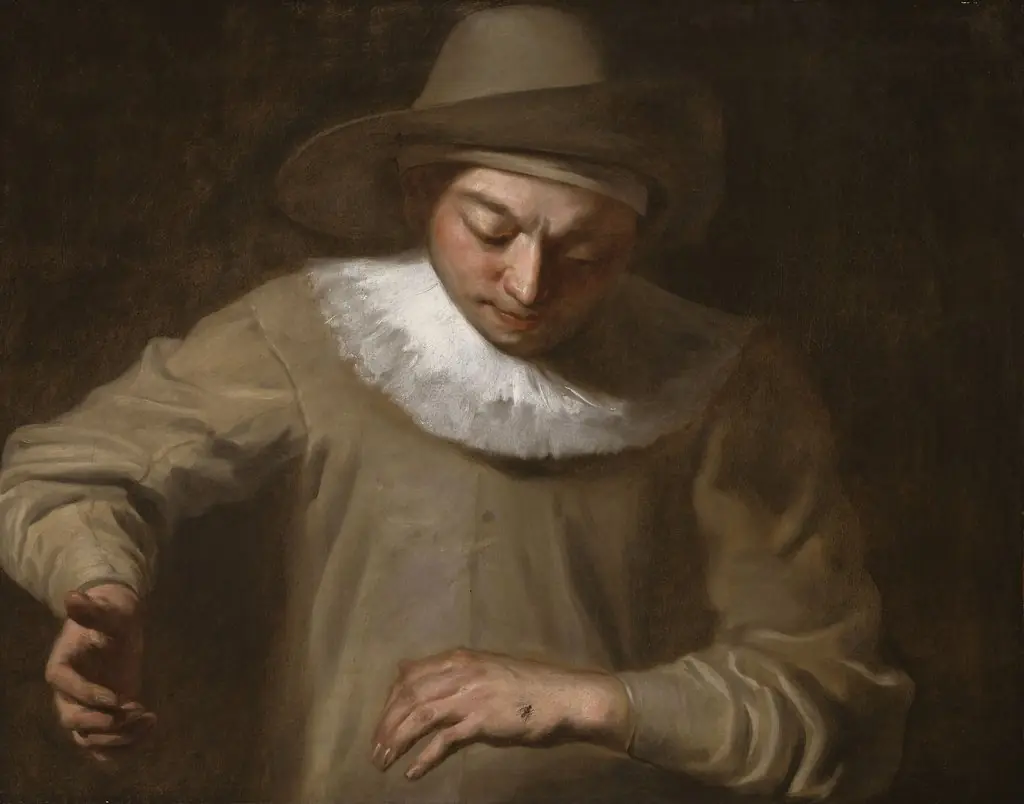 Pierrot Catching a Fly
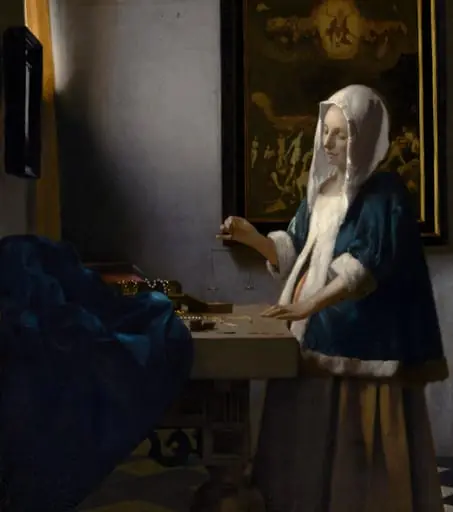 Woman Holding a Balance
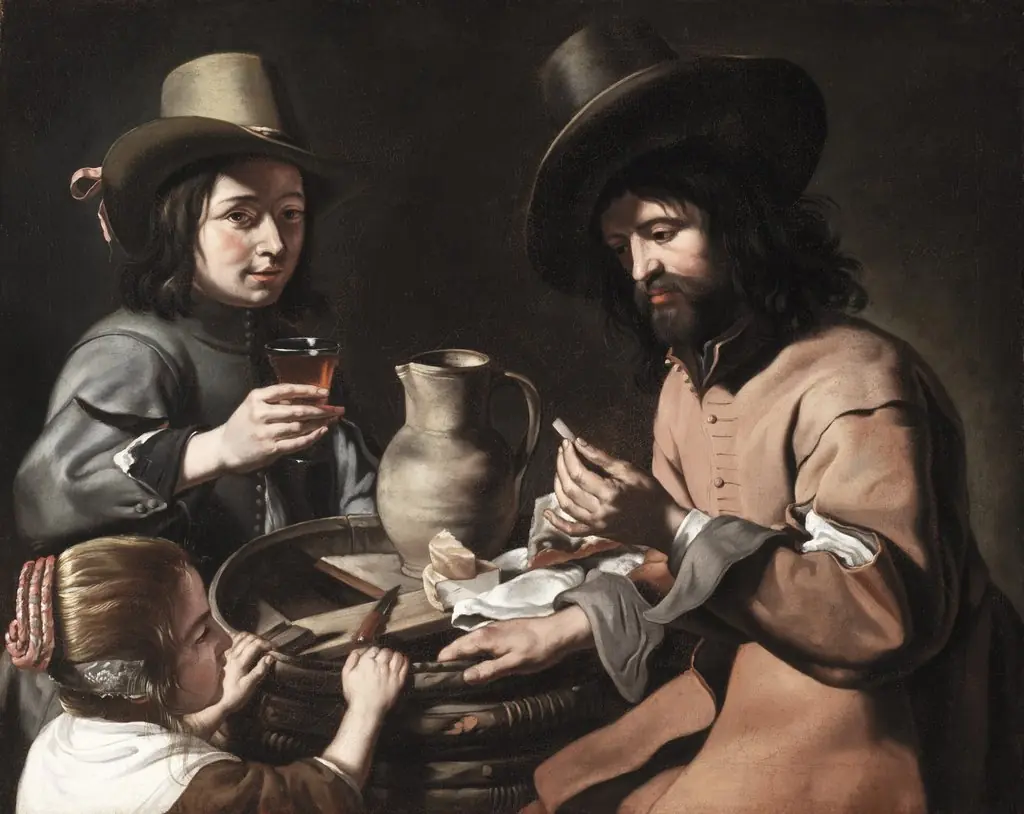 A Peasant Family
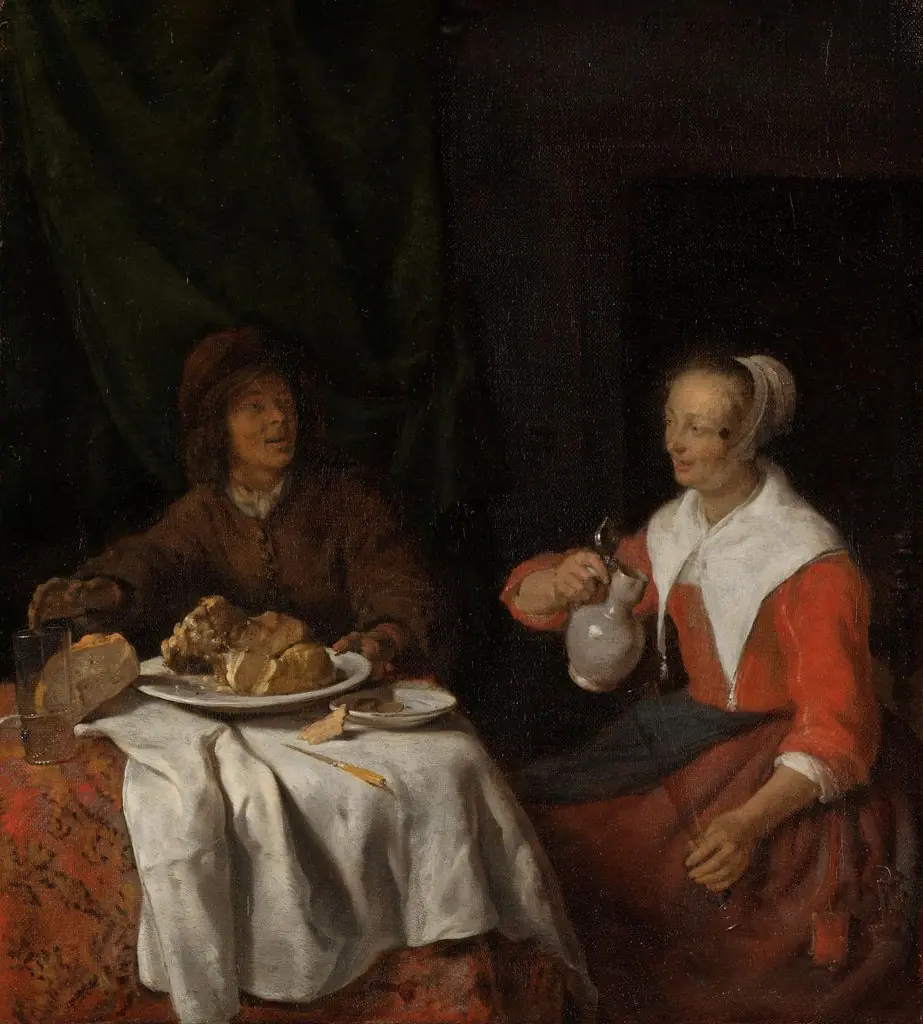 Man and woman sharing a meal
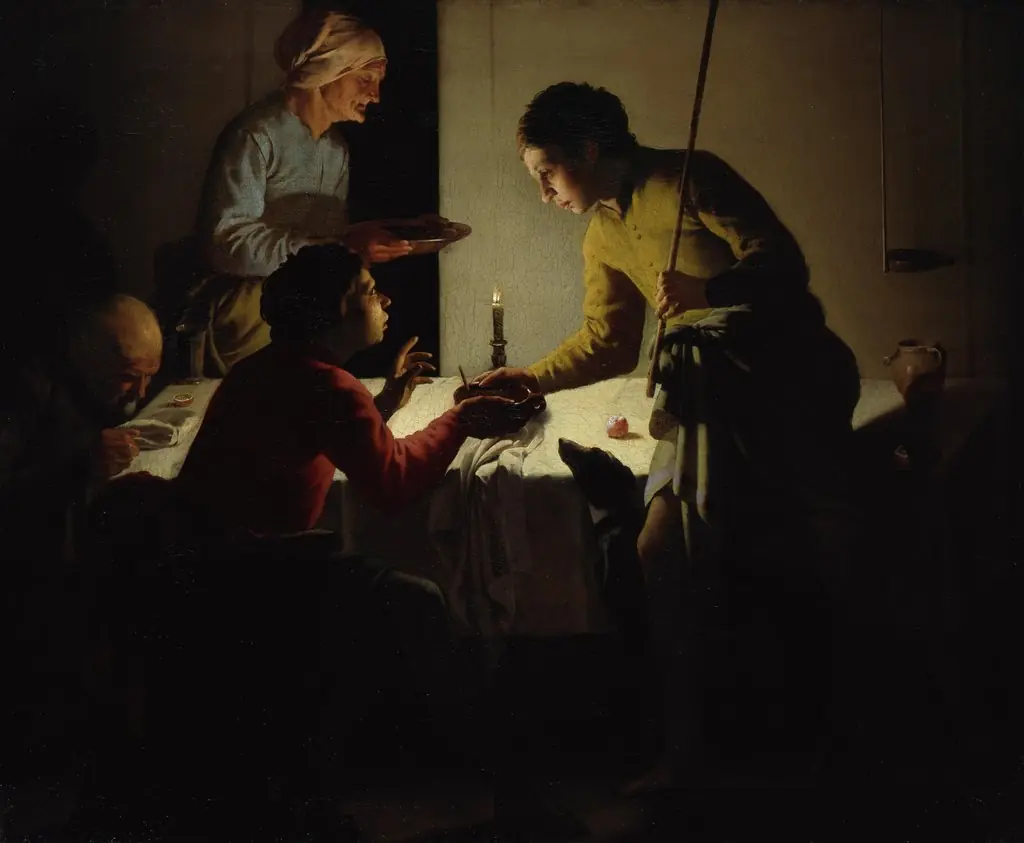 Esau Sells his Birthright
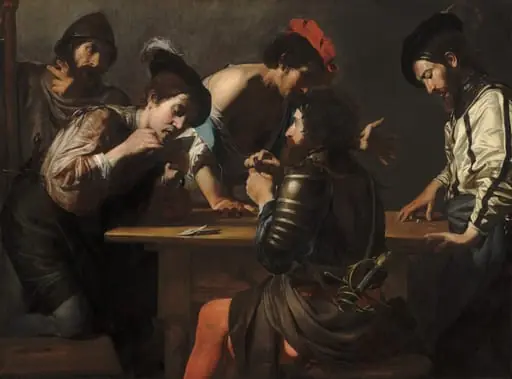 Soldiers Playing Cards and Dice (The Cheats)
 A Young Woman and a Cavalier
 Kitchen Scene