Artwork
Portrait of Don Diego de Corral y Arellano
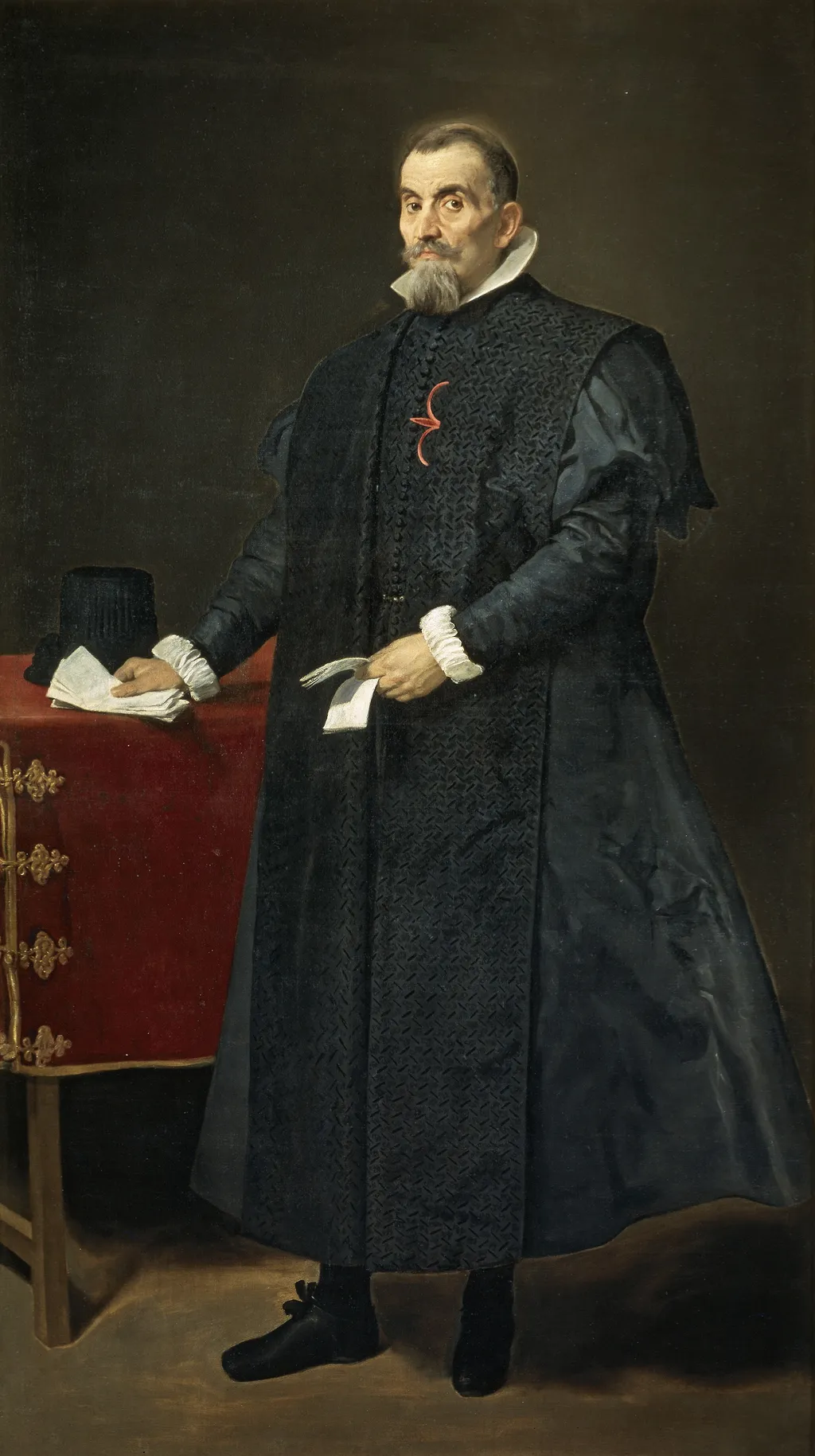
Portrait of Don Diego de Corral y Arellano is an oil painting by the Baroque artist Diego Velázquez. It dates from 1632 and is held in the collection of the Museo del Prado.
About this work
Overview
Velázquez employs a restrained palette dominated by blacks and browns, punctuated by the white of the collar and a red ribbon on the subject's attire.
Painted in 1632, Portrait of Don Diego de Corral y Arellano is a formal court portrait by Diego Velázquez, executed during the artist's first maturity under the patronage of King Philip IV. The work depicts the subject standing full-length against a dark, neutral background, emphasizing his aristocratic presence. Corral y Arellano is dressed in a long black robe with a stiff white collar and cuffs, adhering to the severe fashion of the Spanish court. He holds a black hat in his left hand and a document in his right, signifying his official status. His expression is composed and serious, framed by a short beard and mustache. Velázquez employs a restrained palette dominated by blacks and browns, punctuated by the white of the collar and a red ribbon on the subject's attire. The composition balances the figure against a red table, creating a sense of stability and gravity. This painting exemplifies Velázquez's ability to convey psychological depth and social rank through subtle modeling and economical brushwork, marking a significant contribution to the canon of 17th-century Spanish portraiture.
Subject & Meaning
The sitter is shown in a dark, floor‑length robe trimmed with white collar and cuffs, his expression solemn and composed. A short beard and mustache frame his face, while a red ribbon pinned to his chest hints at an official or chivalric order. The inclusion of a hat and a document suggests his status as a man of authority and literacy.
Technique & Style
Velázquez employs a subtle chiaroscuro, allowing the dark background to recede and the figure to emerge with three‑dimensional presence. The brushwork captures the texture of the fabric, the sheen of the black shoes with bows, and the delicate folds of the paper in the right hand, demonstrating the painter’s skill in rendering materiality and light.
History & Provenance
Created in 1632, the portrait entered the Spanish royal collection before being transferred to the Museo del Prado, where it has been conserved as part of the museum’s holdings of Velázquez’s oeuvre. Its provenance reflects the typical trajectory of court commissions that later became public museum pieces.
Context
The painting belongs to a period when Velázquez was consolidating his role as court painter to Philip IV, producing portraits that combined realism with a restrained elegance. The work aligns with contemporary Spanish portrait conventions, emphasizing the sitter’s rank through attire and insignia rather than overt narrative elements.
Own this work as a print
Artist & collection
Artist
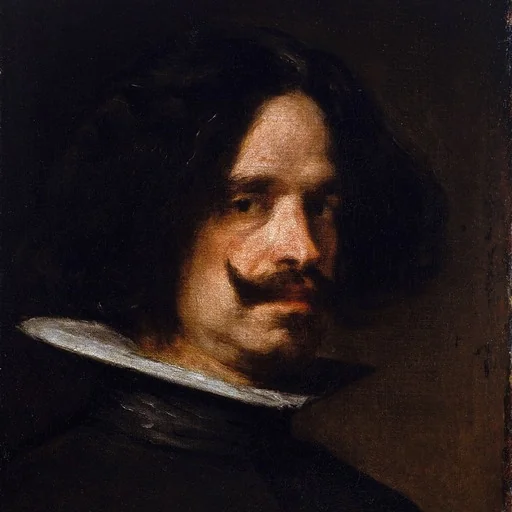
Diego Rodríguez de Silva y Velázquez was a Spanish Baroque painter, the leading artist in the court of King Philip IV of Spain and Portugal, and of the Spanish Golden Age.

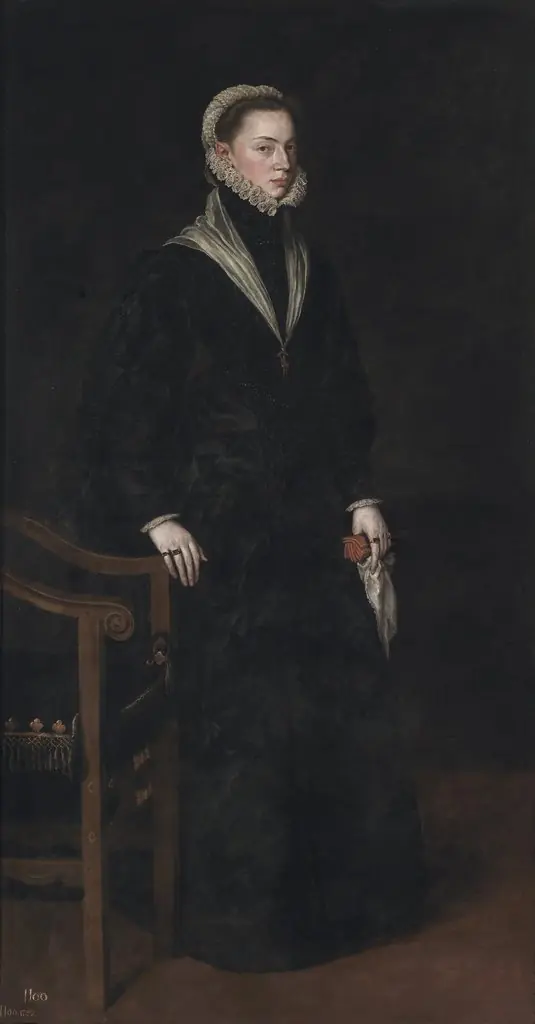 Joanna of Austria
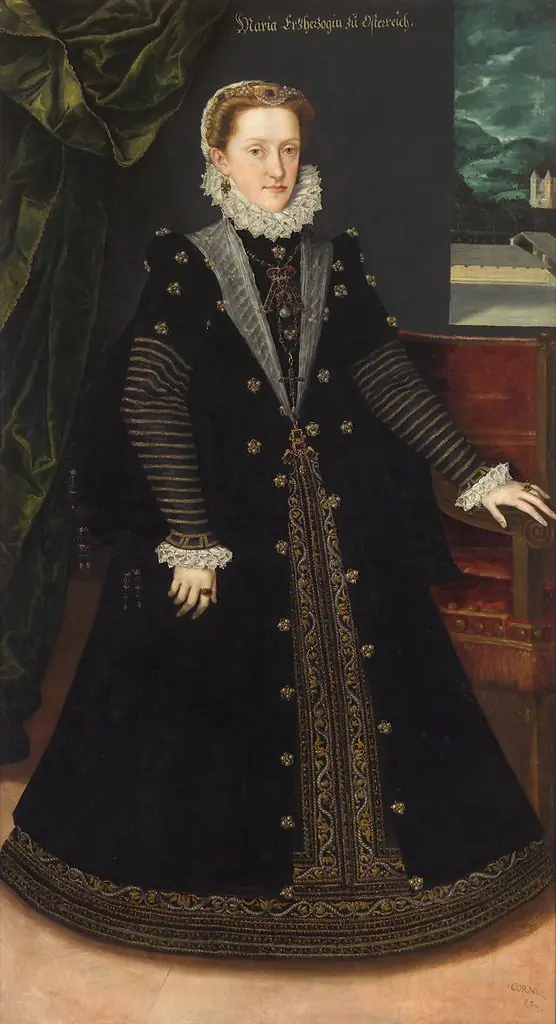 Portrait of Archduchess Mary Anna of Bavaria
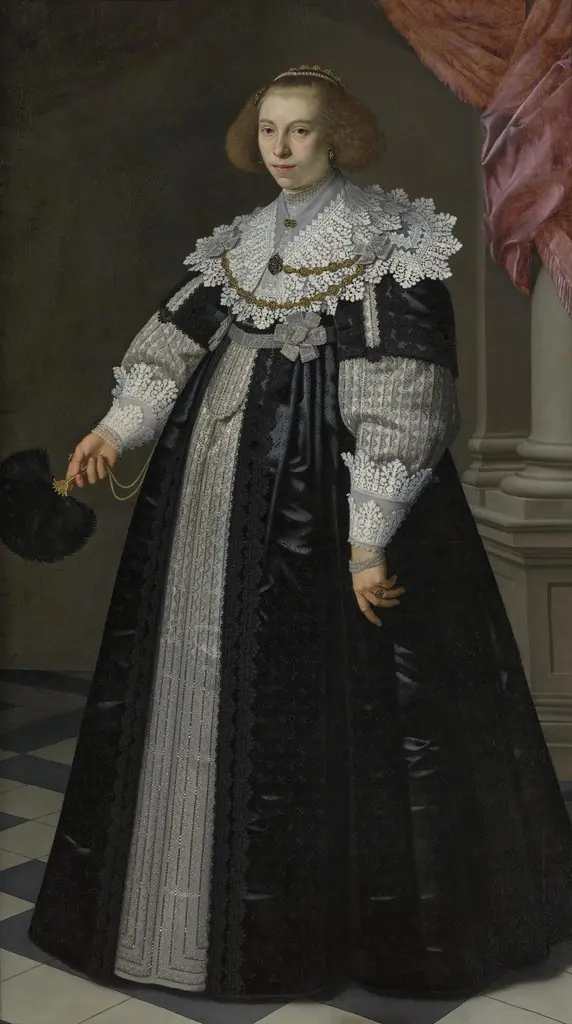 Portrait of Catharina Hooft
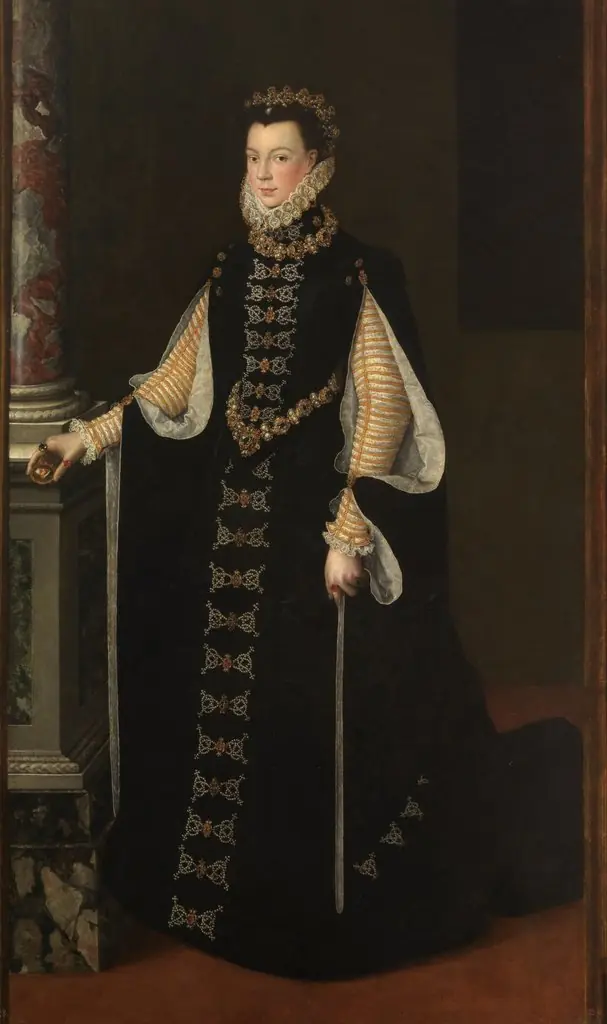 Portrait of Elisabeth of Valois
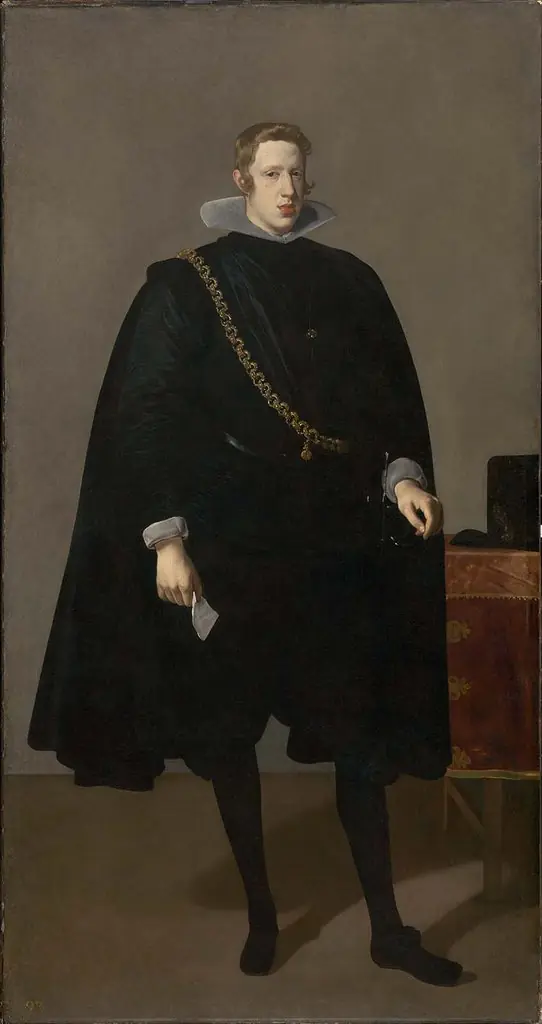 Philip IV, King of Spain
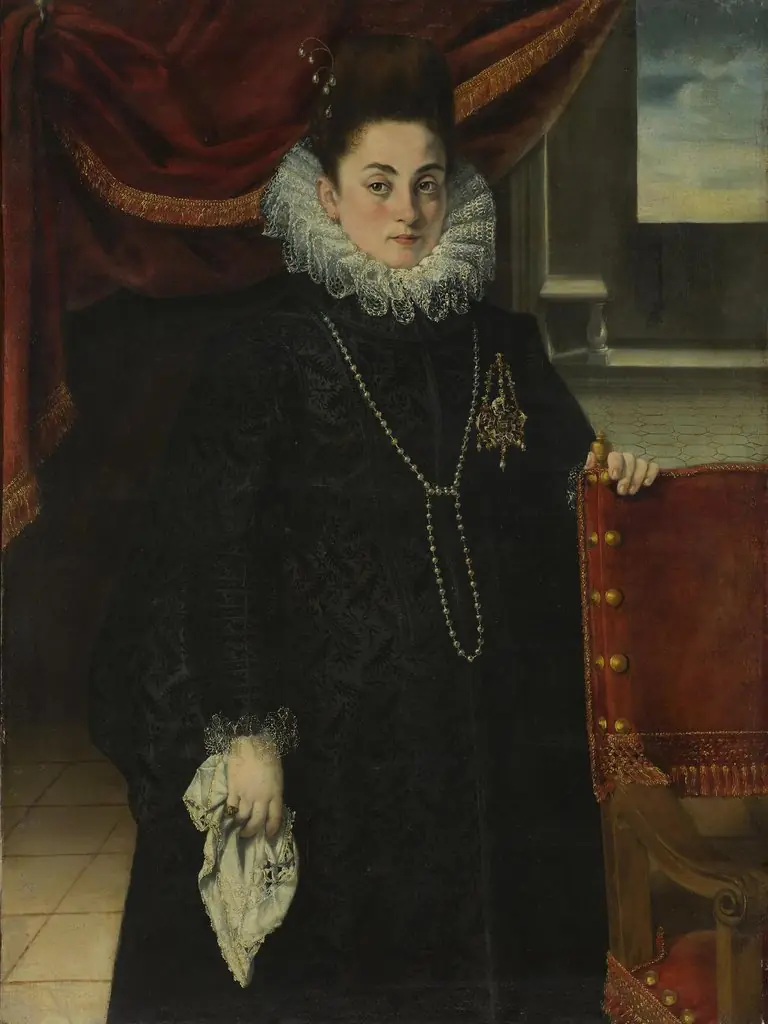 Female Portrait
 Anna Maria, 1549-1580, ärkehertiginna
 Veronika Vöhlin, geb. von Freyberg zum Eisenberg, Hallenwang und Neidlingen (1523-1582)
 Portrait of a Woman