Artwork
The Conversion of Saint Paul
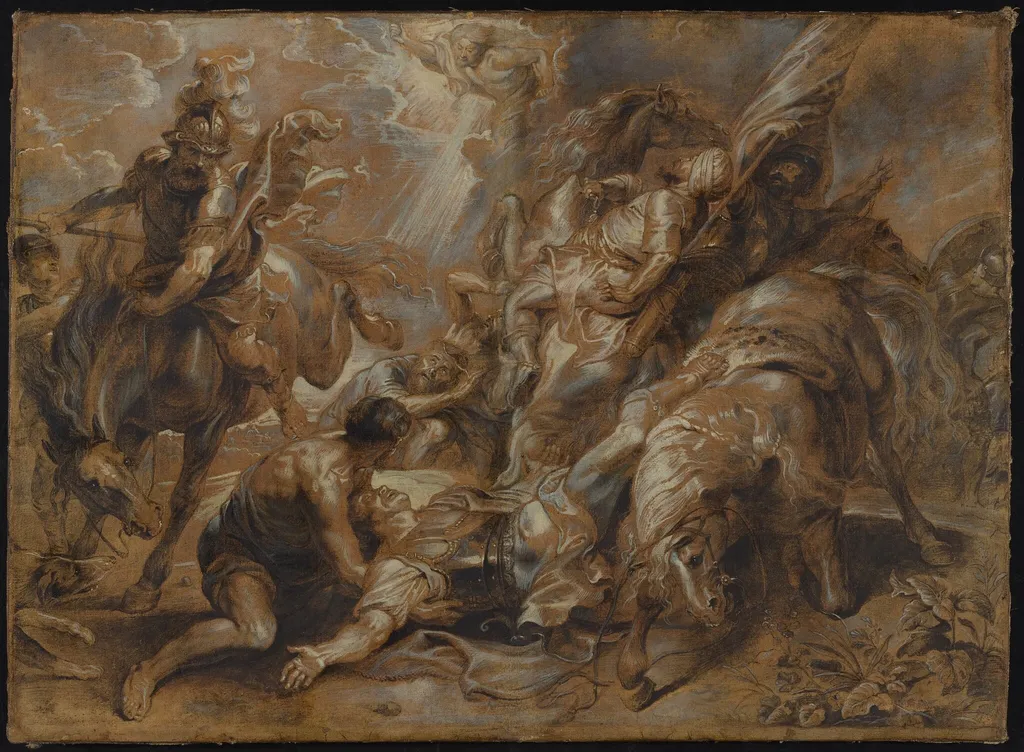
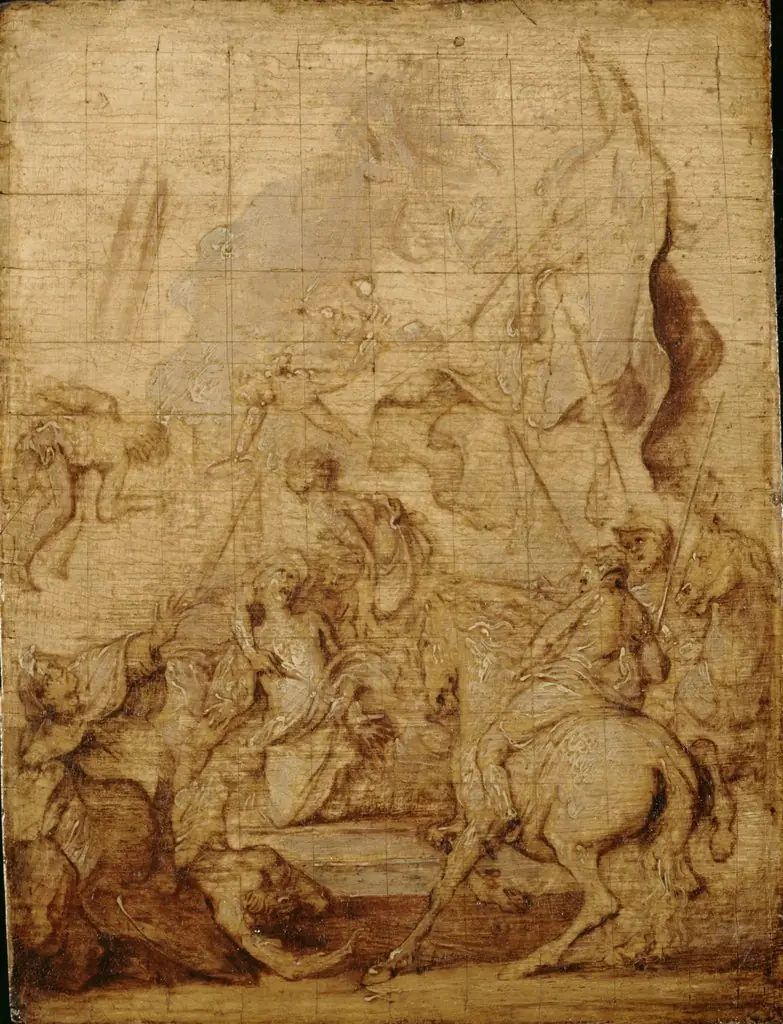
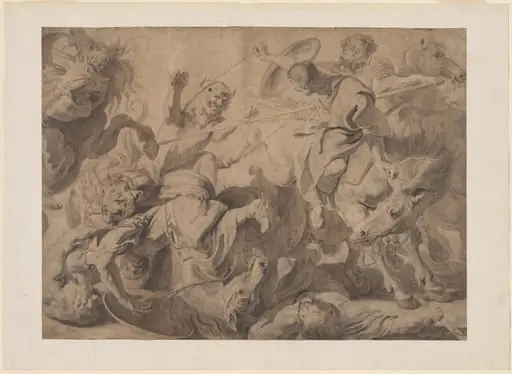
The Conversion of Saint Paul is a chalk drawing by the Baroque artist Abraham van Diepenbeeck. It dates from 1644 and is held in the collection of the National Gallery of Art.
About this work
Overview
The Conversion of Saint Paul is a drawing created around 1644 by Abraham van Diepenbeeck, a Dutch artist active in Antwerp. It is executed in a combination of media on brown paper, later mounted on canvas.
Subject & Meaning
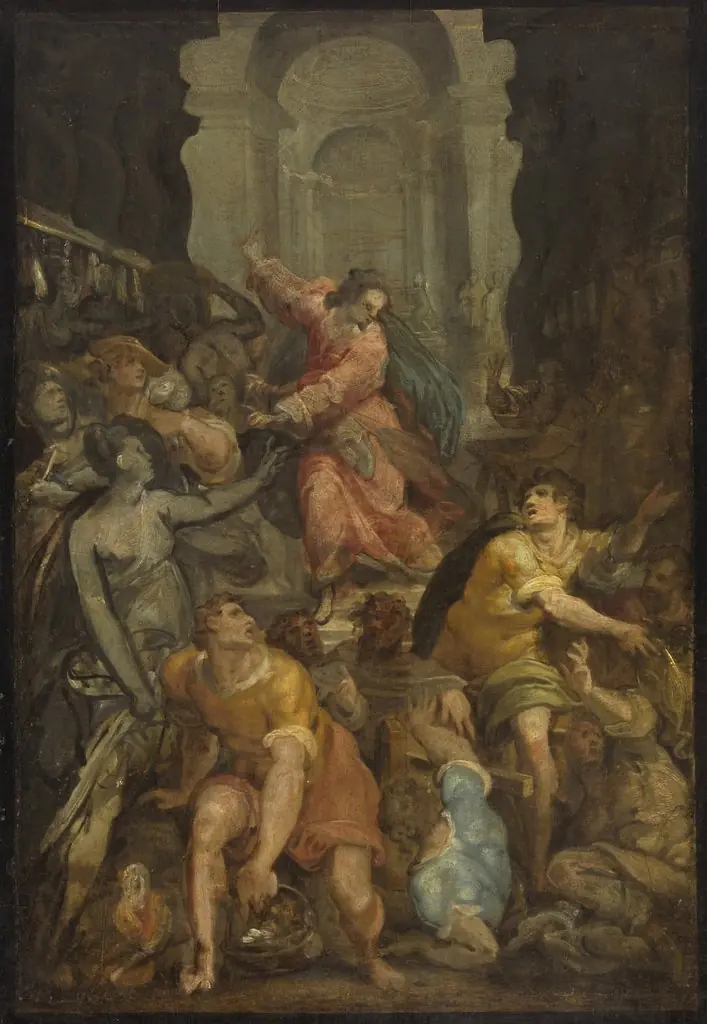
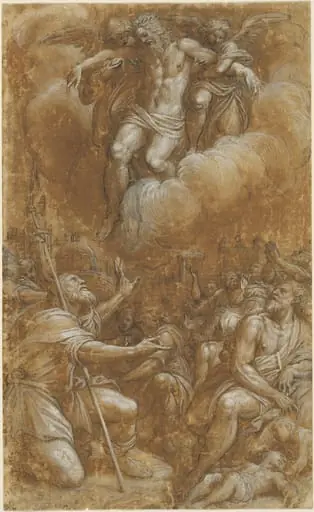
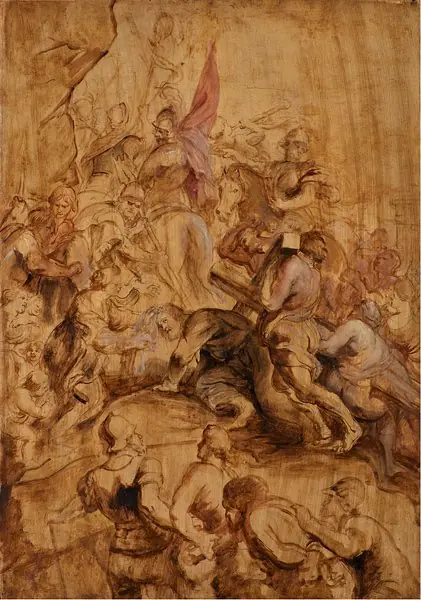
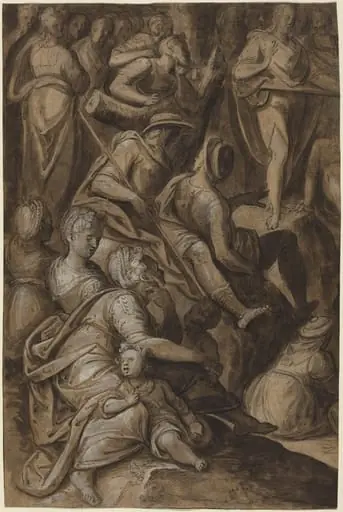
The drawing depicts the biblical scene of Saint Paul's conversion, showing a chaotic and intense moment with figures and horses intertwined. The scene is characterized by a sense of turmoil and dramatic movement.
Technique & Style
The work showcases Van Diepenbeeck's use of chiaroscuro, with strong contrasts between light and dark creating a dynamic atmosphere. The mixed media technique, including pen and ink, oil paint, and black chalk, gives the drawing a textured and spontaneous feel, reflecting the Flemish Baroque style.
History & Provenance
Van Diepenbeeck's career included work in various mediums, such as stained glass and print design, often in collaboration with prominent publishers. This drawing is a product of his engagement with the Flemish Baroque style during his time in Antwerp.
Artist & collection
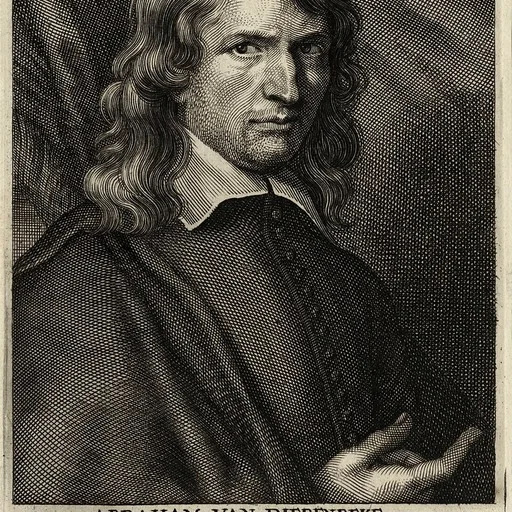
Artist
Abraham van Diepenbeeck (9 May 1596 (baptised) – between May and September 1675) was a Dutch painter, draftsman, glass painter, print maker and tapestry designer who worked most of his active career in Antwerp.