Artwork
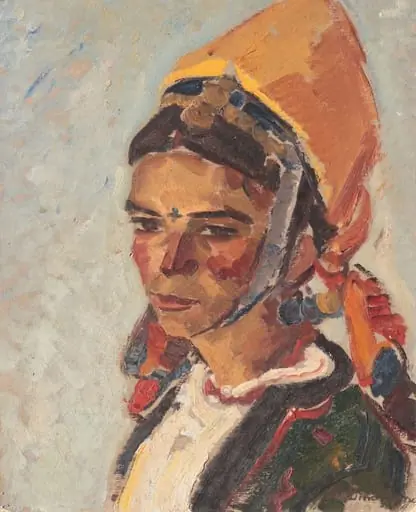
Țărancă din Maramureș
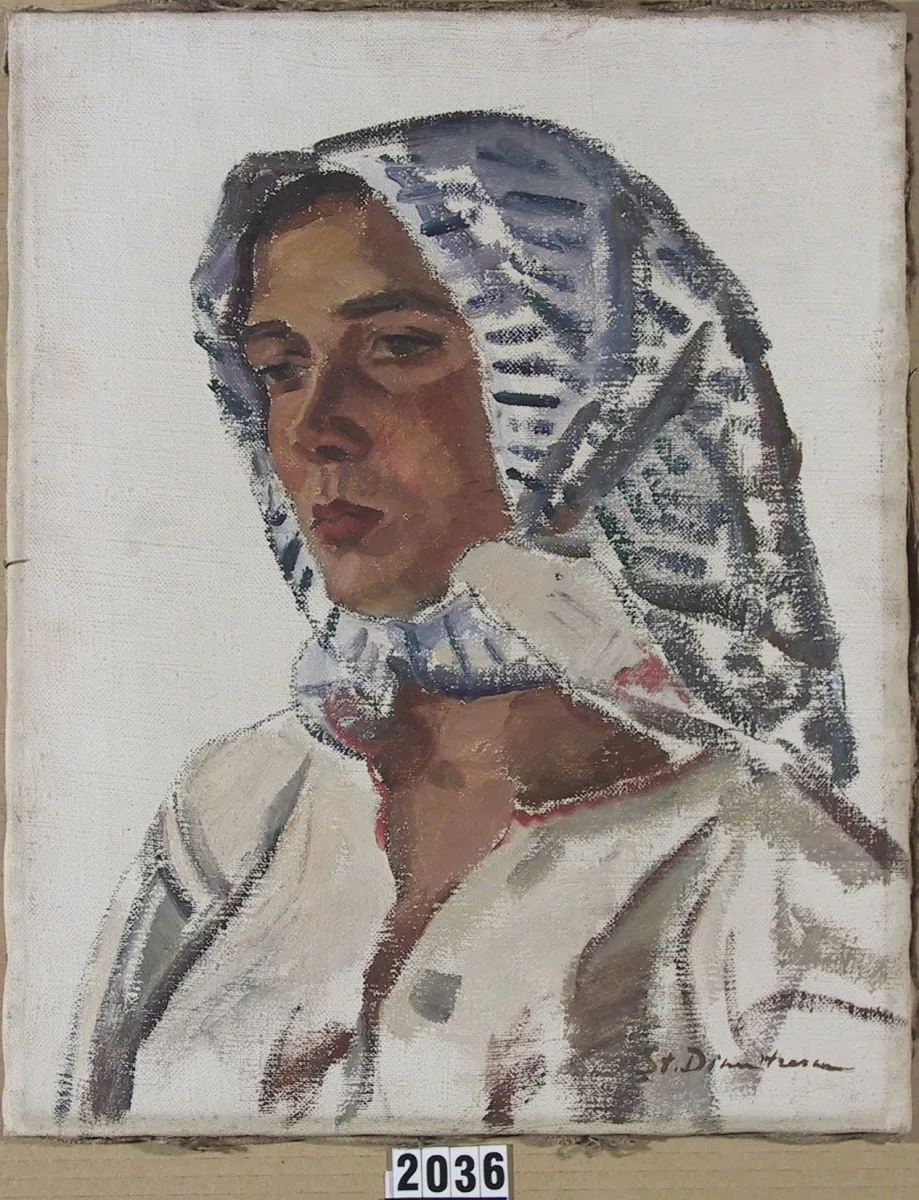
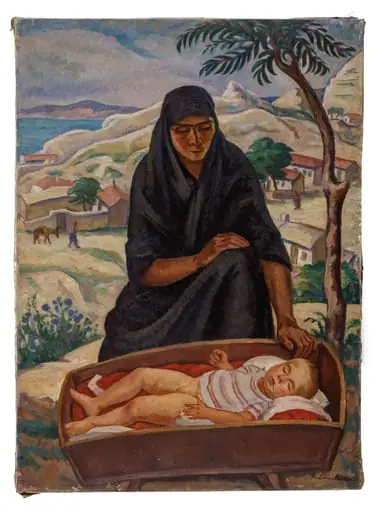
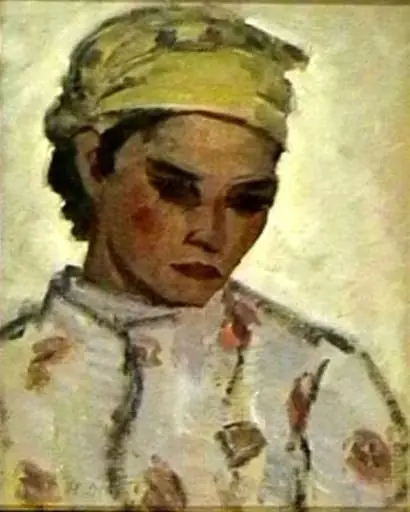
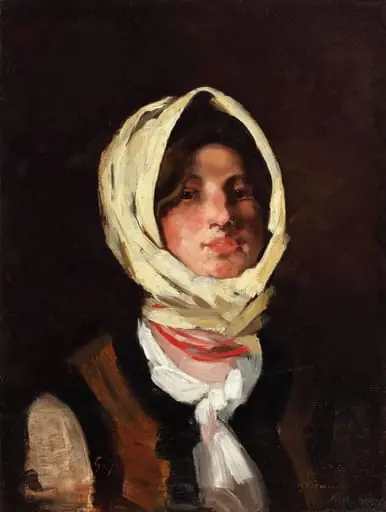
Țărancă din Maramureș is a print by Ștefan Dimitrescu. It dates from 1919 and is held in the collection of the Brukenthal National Museum.
About this work
Overview
Its informal composition and unidealized subject reflect a shift toward intimate, everyday realism in Romanian art of the period.
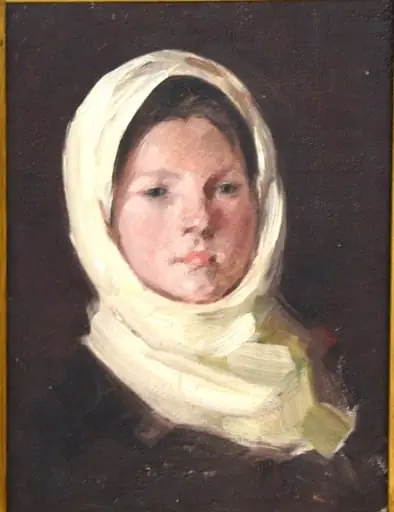
Painted around 1919 by Ștefan Dimitrescu, this portrait captures a woman from Maramureș, a region in northern Romania. The work is executed in oil with a direct, energetic handling of paint. Its informal composition and unidealized subject reflect a shift toward intimate, everyday realism in Romanian art of the period. The artist’s signature is visible in one corner, though the painting lacks additional inscriptions or dates.
Subject & Meaning
The figure is a rural woman, identified by her traditional headscarf and modest attire. Her expression is composed, almost stern, with a subtle flush on her lips suggesting warmth beneath reserve. The portrait avoids romanticization, presenting her as a person rather than a symbol. The focus on her face and upper torso emphasizes individual presence over cultural stereotype, grounding the image in quiet dignity.
Technique & Style
Dimitrescu applied paint with swift, textured strokes, using impasto to build surface depth, particularly in the scarf and collar. The brushwork is deliberate yet unrefined, capturing light and form without smooth blending. The contrast between the dark, patterned head covering and the pale skin enhances visual tension. The background is left largely undefined, directing attention entirely to the figure’s presence.
History & Provenance
The painting was created shortly after World War I, during a period of renewed interest in Romanian folk identity. It likely originated in Dimitrescu’s circle of artists and intellectuals in Iași or Bucharest. While its early ownership is undocumented, it entered public collections in the mid-20th century, where it has remained a representative example of interwar Romanian portraiture.
Context
In early 20th-century Romania, artists increasingly turned to rural life as a source of authentic national character. Dimitrescu, influenced by Post-Impressionism and local traditions, sought to portray peasants not as exotic figures but as individuals with inner life. This work aligns with broader European trends that valued emotional honesty over academic polish.
Legacy
Though not widely exhibited outside Romania, the painting is recognized in scholarly circles as a key example of Dimitrescu’s mature style. It contributed to a generation of artists who redefined national identity through unembellished depictions of ordinary people. Its raw technique and psychological depth continue to inform discussions on Romanian modernism and the representation of rural life.
Artist & collection