Artwork
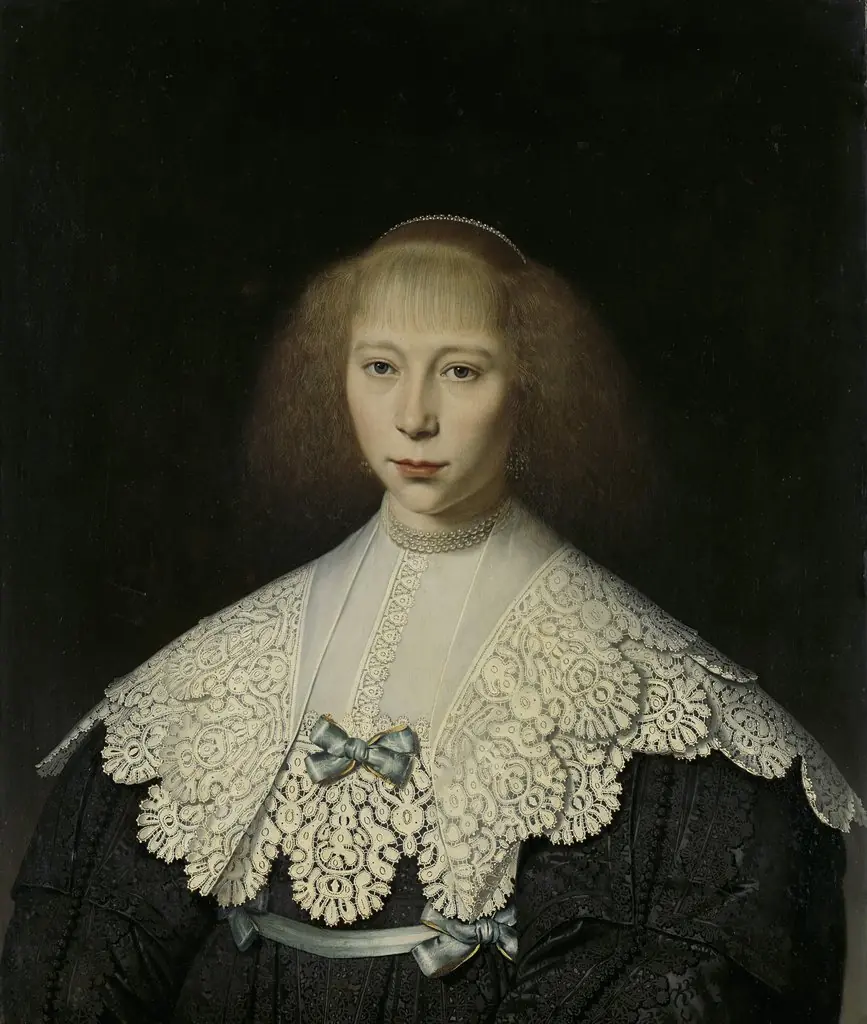
Frederik Dircksz Alewijn (1603-65). Alderman and councillor of Amsterdam
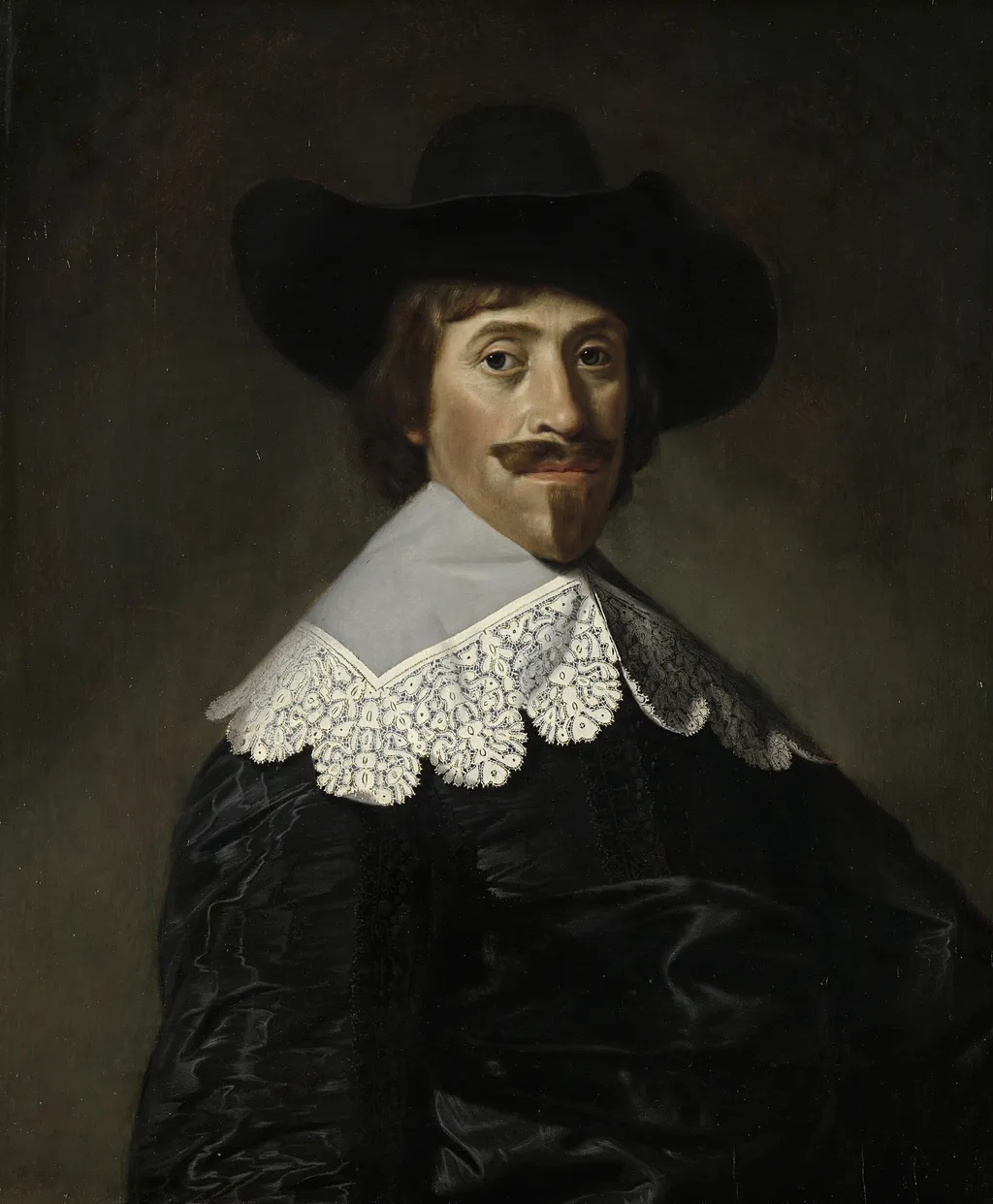
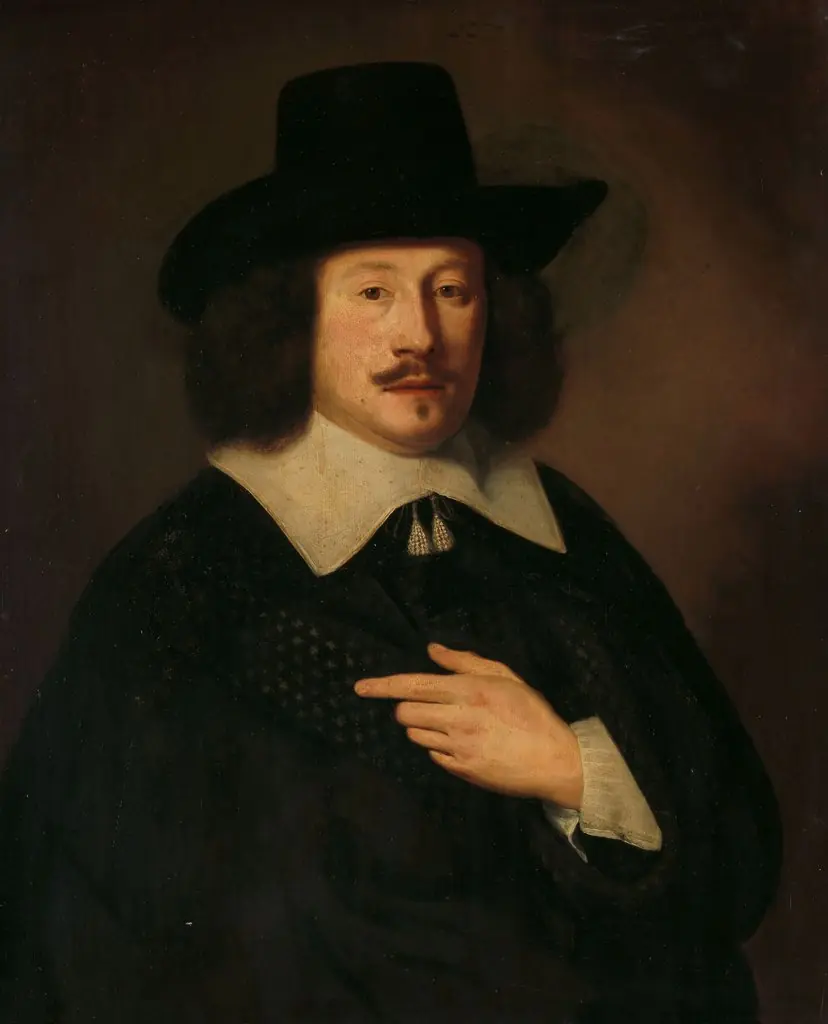
Frederik Dircksz Alewijn (1603-65). Alderman and councillor of Amsterdam is an oil painting by the Dutch Golden Age artist Dirck van Santvoort. It dates from 1640 and is held in the collection of the Rijksmuseum.
About this work
Overview
Dirck van Santvoort’s 1640 oil portrait presents Frederik Dircksz Alewijn, a prominent civic official of Amsterdam. The canvas, now part of the Rijksmuseum collection, captures the alderman and councilor in a formal pose that emphasizes his status and the conventions of mid‑seventeenth‑century portraiture.
Subject & Meaning
Frederik Alewijn is shown wearing a black robe and a wide, intricately patterned lace collar, symbols of his municipal authority and wealth. His composed, serious expression suggests a deliberate self‑presentation intended for official record‑keeping rather than personal intimacy.
Technique & Style
The work employs a restrained palette dominated by dark tones, allowing the finely rendered lace and the subject’s facial features to emerge from a muted background. Subtle chiaroscuro creates a gentle modeling of light on the face and garments, highlighting texture while maintaining a sober, dignified atmosphere.
History & Provenance
Painted in 1640, the portrait entered the Rijksmuseum’s holdings as part of its Dutch Golden Age collection, reflecting the museum’s focus on civic leaders who shaped Amsterdam’s political landscape. Its attribution to van Santvoort has been affirmed through stylistic comparison with other documented works by the artist.
Context
During the Dutch Republic’s height, civic portraiture functioned as both personal commemoration and public affirmation of governance. Alewijn’s attire and the painting’s formal composition align with contemporary conventions that linked visual representation to the legitimacy of municipal authority.
Own this work as a print
Artist & collection