Artwork
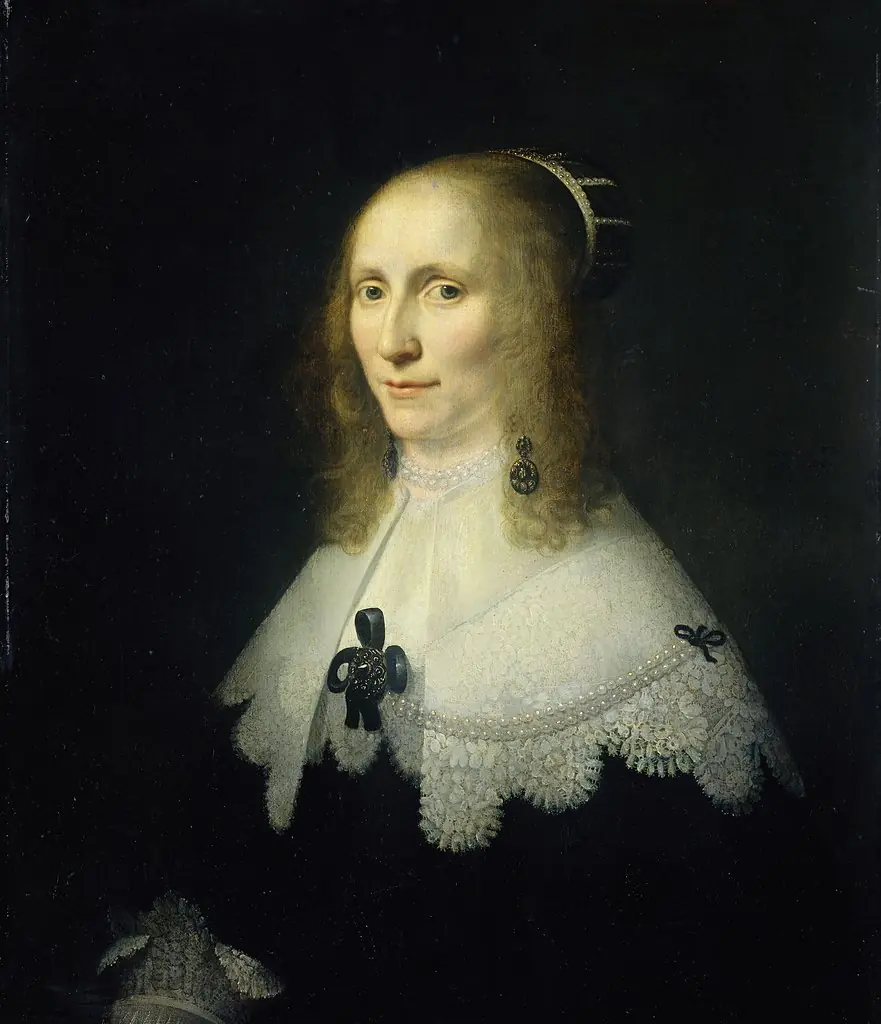
Agatha Geelvinck (1617-38). First wife of Frederik Dircksz Alewijn
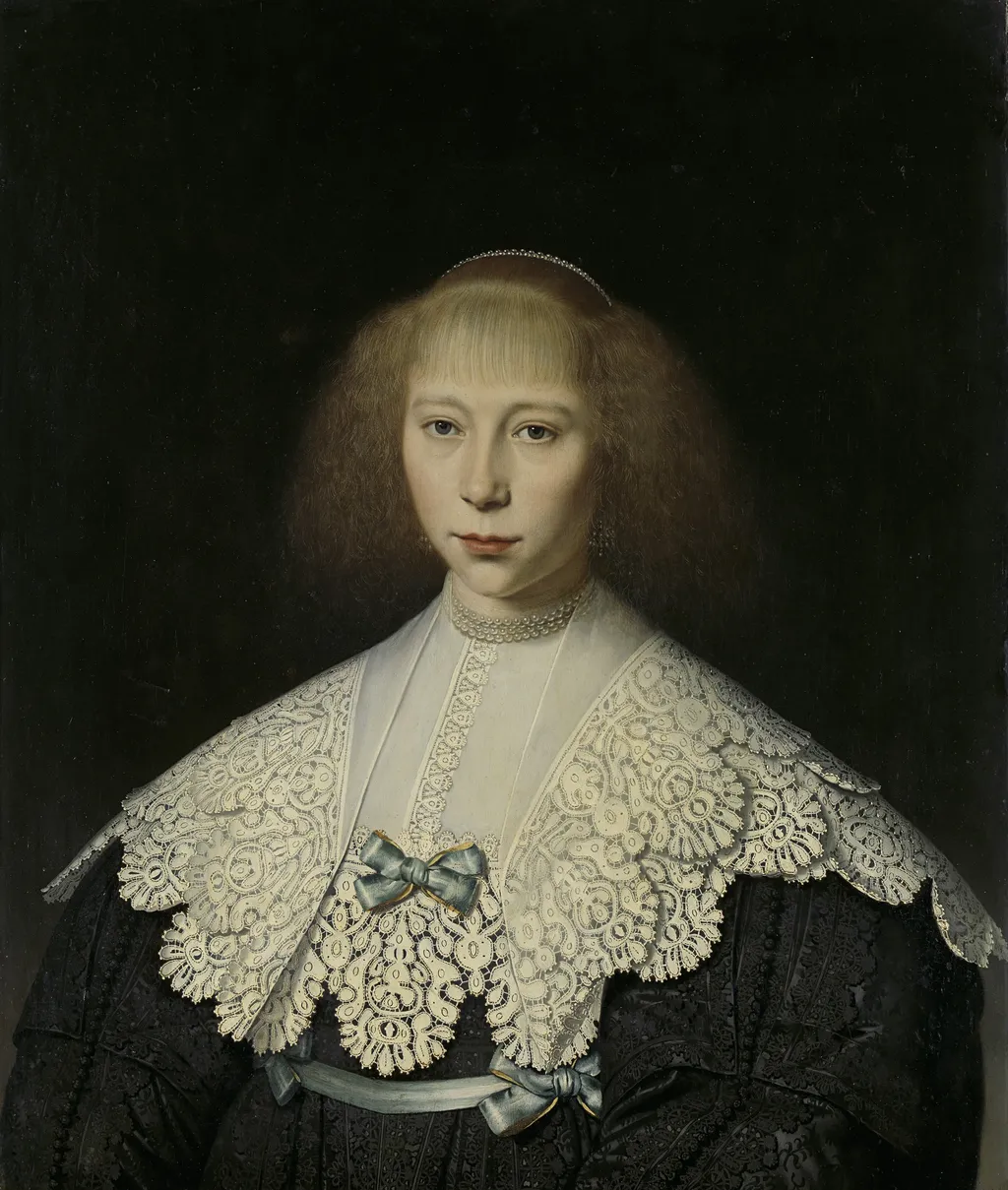
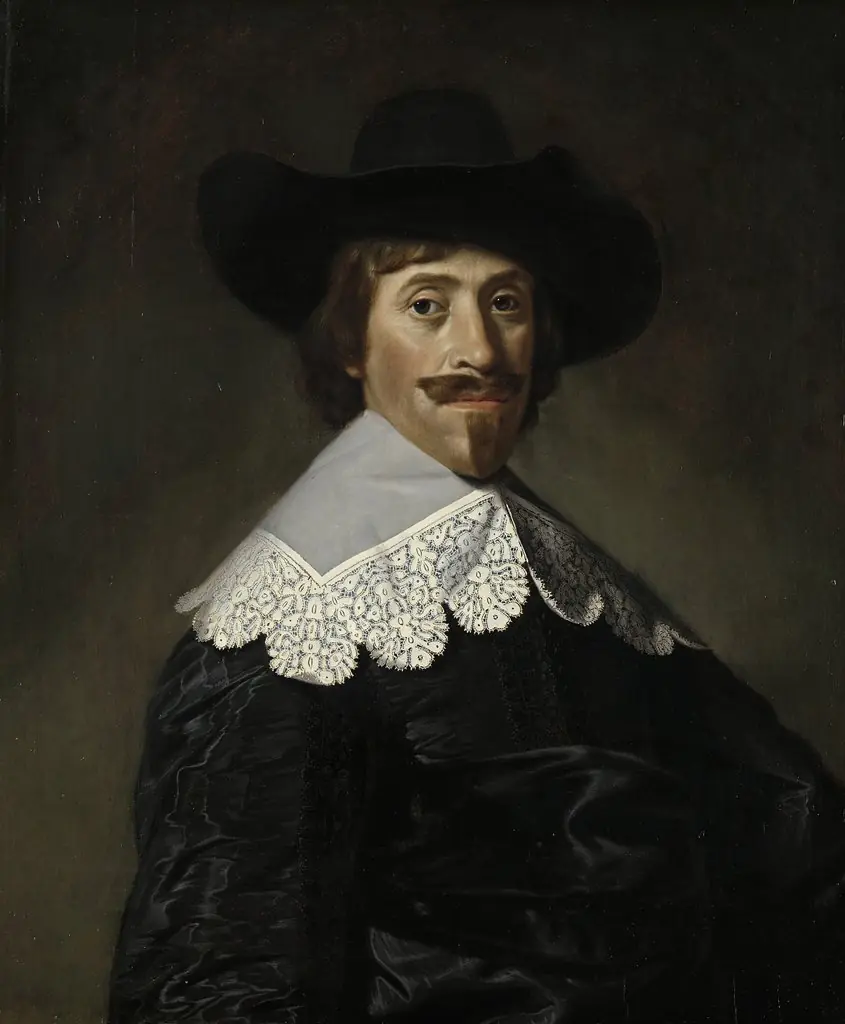
Agatha Geelvinck (1617-38). First wife of Frederik Dircksz Alewijn is an oil painting by the Dutch Golden Age artist Dirck van Santvoort. It dates from 1639 and is held in the collection of the Rijksmuseum.
About this work
Overview
Dirck van Santvoort’s 1639 oil portrait presents Agatha Geelvinck, who lived from 1617 to 1638 and was the first spouse of Frederik Dircksz Alewijn. The work is part of the Rijksmuseum’s collection and exemplifies the Dutch portrait tradition of the early seventeenth century, focusing on a single sitter against an unadorned background.
Subject & Meaning
The sitter, Agatha Geelvinck, is shown in a modest yet carefully rendered attire, reflecting her social standing as a merchant’s wife. By emphasizing her calm expression and restrained dress, the portrait conveys the values of modesty and domestic virtue prized among the Dutch bourgeoisie of the period.
Technique & Style
Van Santvoort employs a stark chiaroscuro scheme, setting the figure against a deep black backdrop that heightens the contrast between light and shadow. The lace ruff, rendered with delicate brushwork, appears almost sculptural, while the subtle modeling of the face and hands demonstrates the artist’s skill in creating three‑dimensionality on a flat surface.
History & Provenance
Created shortly after Geelvinck’s death, the painting entered the Rijksmuseum’s holdings through a 19th‑century acquisition of private Dutch collections. Its documentation traces back to early inventory records that list the work under the artist’s name, confirming its attribution and continuous presence in Dutch institutional collections.
Context
The portrait belongs to a broader trend of single‑figure commissions among Amsterdam’s mercantile families, who sought to memorialize spouses and assert familial identity. The use of a dark ground and elaborate lace reflects contemporary fashion and the influence of Flemish portraiture, while the restrained composition aligns with Dutch Calvinist aesthetic preferences.
Own this work as a print
Artist & collection