Artwork
Untitled
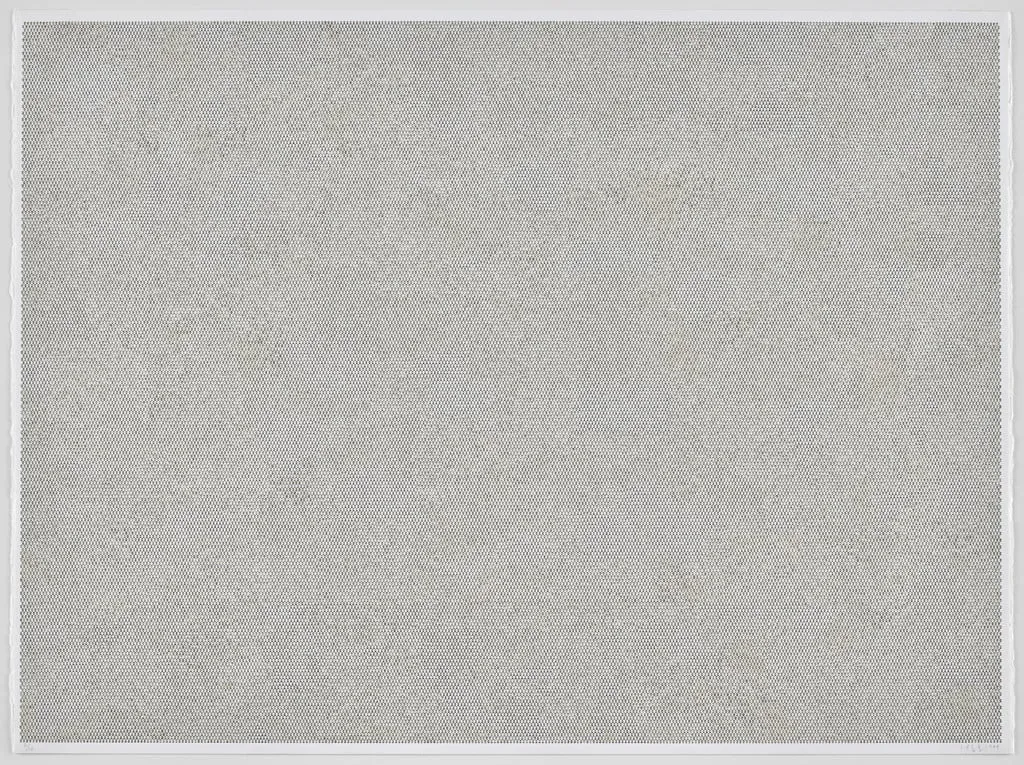
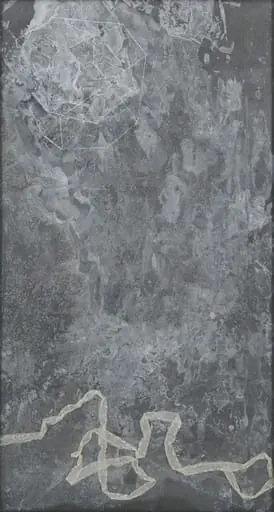
Untitled is a print by Do Ho Suh. It dates from 1999 and is held in the collection of the Museum of Modern Art.
About this work
At first glance, the painting seems minimalist, but upon closer inspection, you notice the subtle variations in the dots' sizes and spacing.
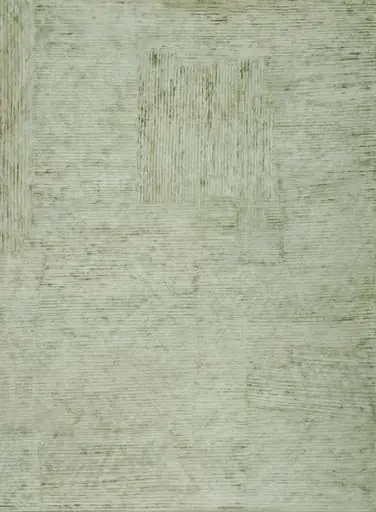
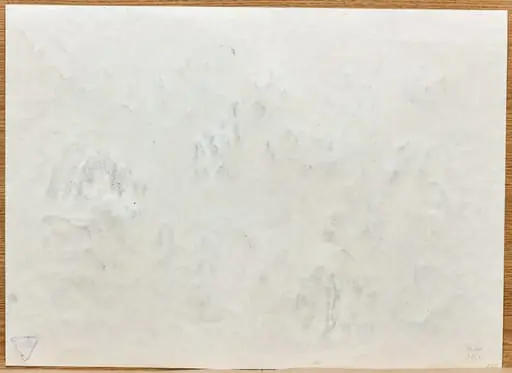
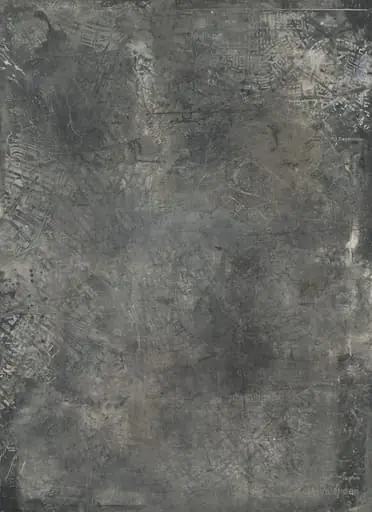
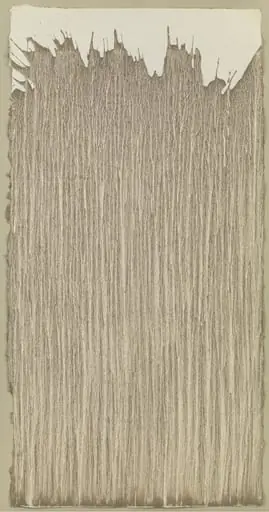
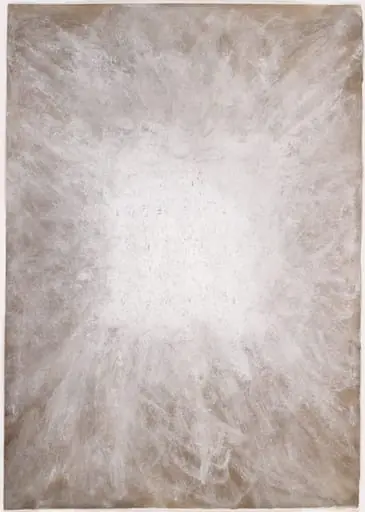
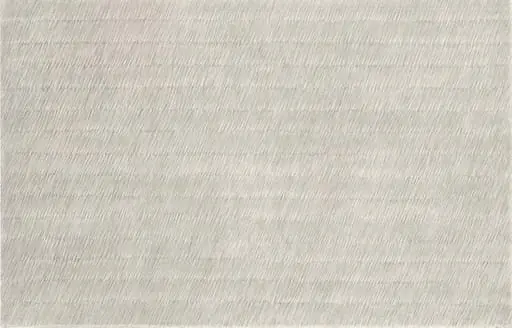
This painting is a digital print, titled "Untitled", created by Do Ho Suh in 1999. It's a simple yet intriguing piece, with a light gray background that's covered in tiny, black dots arranged in a grid pattern. The dots are evenly spaced and vary slightly in size, giving the impression of texture and depth.
At first glance, the painting seems minimalist, but upon closer inspection, you notice the subtle variations in the dots' sizes and spacing. This creates a sense of visual interest and invites the viewer to explore the piece further.
If you're interested in exploring more works like this, you might want to check out the collection at The Museum of Modern Art.
Overview
Do Ho Suh, born in 1962 in South Korea, produced this 1999 digital print as part of his broader exploration of memory and space. The work is held in The Museum of Modern Art’s collection and reflects his transition from traditional Korean painting to conceptual sculpture and installation. Though presented as a flat print, it engages with themes central to his three-dimensional work: the imprint of personal history on physical environments.
Subject & Meaning
The print features a field of minutely varied black dots on a light gray ground, evoking the grain of fabric or the texture of a woven surface. Rather than depicting a specific structure, it suggests the latent presence of architecture—perhaps the ghost of a home or corridor. The repetition and slight irregularities in dot size and spacing imply the imperfection of memory, turning absence into a tactile, observable trace.
Technique & Style
Suh employed digital printing to achieve precise yet nuanced tonal variation. The dots, though grid-like, are not mechanically uniform; subtle shifts in size and density create a sense of atmospheric depth. This technique mirrors his fabric-based sculptures, where hand-sewn imperfections mimic the lived quality of domestic spaces. The work’s restraint aligns with minimalism but resists its sterility through its intimate, almost biological texture.
History & Provenance
Created in 1999, the print emerged during Suh’s early years in the United States, following his studies at the Rhode Island School of Design and Yale. It coincides with a period when he began translating architectural memories from his Seoul home into portable, translucent forms. The work entered MoMA’s collection shortly after its creation, reflecting institutional recognition of his innovative approach to materializing personal geography.
Context
Suh’s practice emerged amid late 1990s discourses on diaspora, identity, and the fragility of belonging. His use of fabric as a medium responded to both Korean textile traditions and Western conceptual art’s interest in ephemerality. This print, though non-representational, aligns with contemporaneous explorations of absence and trace in post-minimalist and postcolonial art, where the unseen carries emotional weight.
Legacy
This print anticipates Suh’s later large-scale installations, where fabric reproductions of rooms become immersive memorials to displacement. Its quiet precision influenced a generation of artists working with digital media to convey intangible experiences. Rather than serving as a standalone object, it functions as a conceptual sketch—a residue of his ongoing inquiry into how spaces hold memory beyond their physical form.
Artist & collection

Artist
Do Ho Suh (Korean: 서도호; Hanja: 徐道濩; born 1962) is a South Korean artist who works primarily in sculpture, installation, and drawing.