Artwork
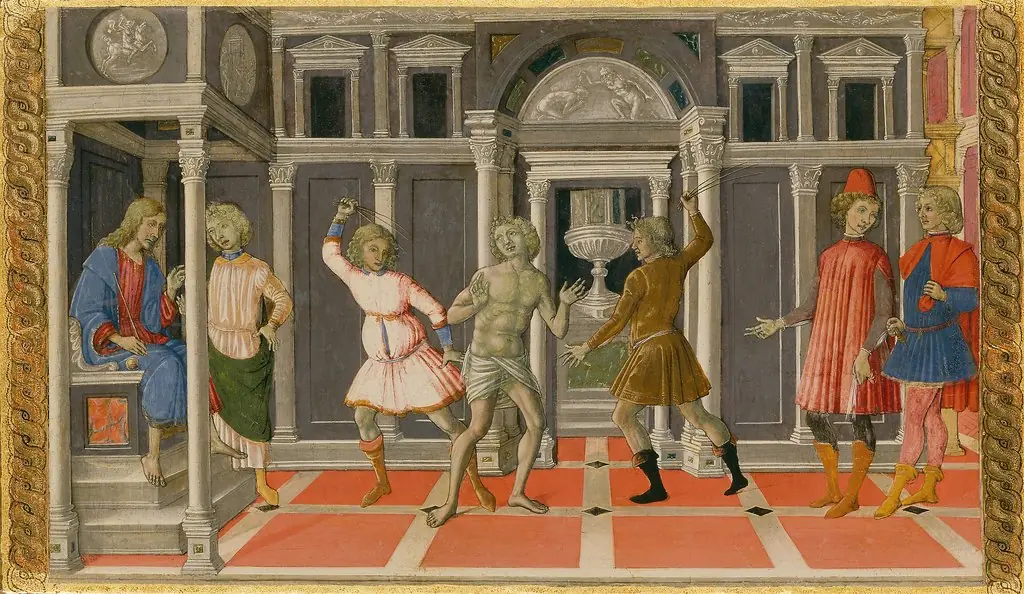
The Martyrdom of Saint Sigismond and his Family
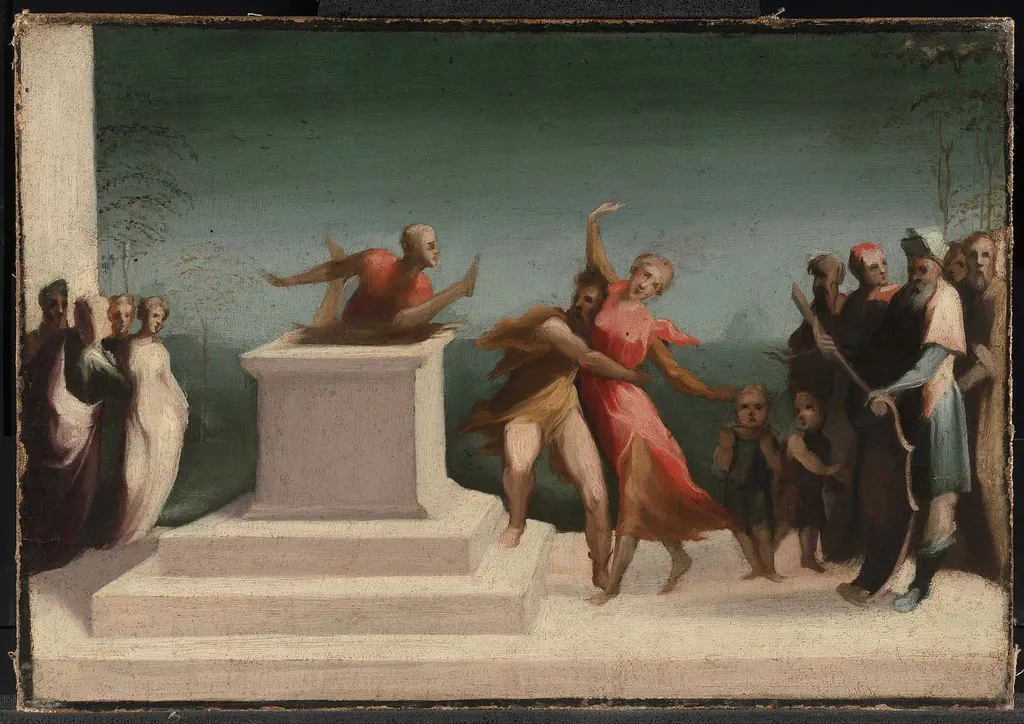
The Martyrdom of Saint Sigismond and his Family is an oil painting by the Mannerist artist Domenico Beccafumi. It dates from 1520 and is held in the collection of the Museum of Fine Arts Boston.
About this work
Overview
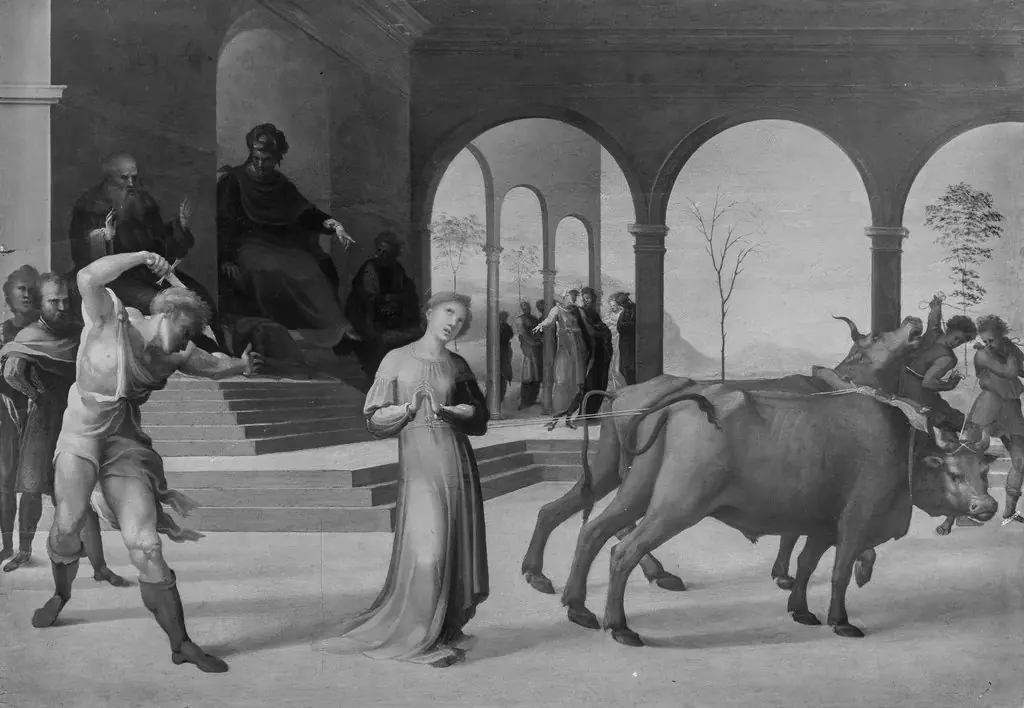
Domenico Beccafumi’s oil on canvas, The Martyrdom of Saint Sigismond and his Family, dates to circa 1520. The work is part of the collection of the Museum of Fine Arts in Boston. It presents a turbulent narrative scene set on a stepped platform, dominated by earthy tones punctuated with vivid reds, against a flat green backdrop.
Subject & Meaning
The central figure, a man in a red tunic, is shown toppling backward from a pedestal, while a woman in a matching red garment attempts to restrain him.
The composition depicts the legendary martyrdom of Saint Sigismond, a 7th‑century Burgundian king, alongside his wife and children. The central figure, a man in a red tunic, is shown toppling backward from a pedestal, while a woman in a matching red garment attempts to restrain him. The surrounding onlookers—clad in both clerical robes and plain attire—react with a mixture of shock and resignation, underscoring the drama of the saint’s sacrifice.
Technique & Style
Beccafumi employs a pronounced chiaroscuro, using strong contrasts of light and shadow to model the bodies and give depth to the crowded steps. The illuminated flesh of the falling figure stands out against the darker under‑foot shadows, while the limited background—a plain green wall—keeps focus on the figures. The palette relies on muted earth tones, with strategic bursts of red that draw the eye to the central drama.
History & Provenance
Created around 1520, the painting remained in private hands before entering the Museum of Fine Arts, Boston, where it is currently displayed. Its provenance reflects the typical journey of Renaissance religious works, moving from ecclesiastical or aristocratic collections into public institutions during the 19th and 20th centuries.
Context
Beccafumi worked in Siena during the High Renaissance, a period marked by experimentation with light effects and dynamic compositions. This work aligns with contemporary interest in martyr narratives, serving both devotional and didactic purposes. The dramatic pose and crowded arrangement echo the theatricality found in other Sienese paintings of the early 1500s, illustrating the artist’s engagement with the evolving visual language of the time.
Artist & collection

Artist
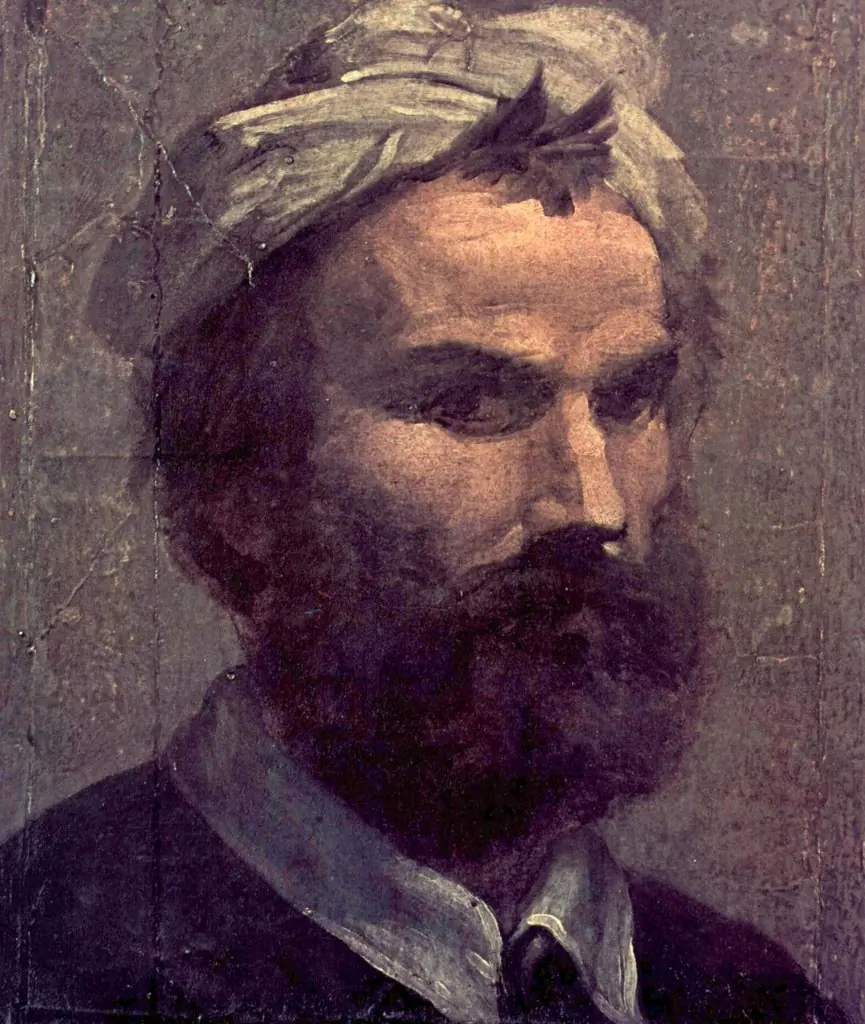
Domenico di Pace Beccafumi (1486 – May 18, 1551) was an Italian Renaissance-Mannerist painter active predominantly in Siena. He is considered one of the last undiluted representatives of the Sienese school of painting.