Artwork
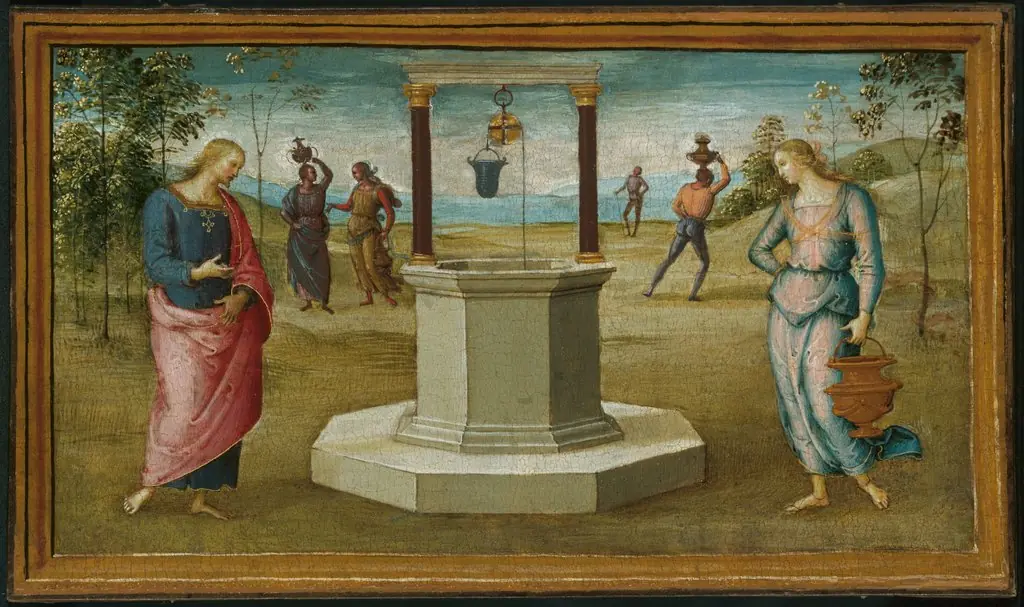
Christ and the Woman of Samaria
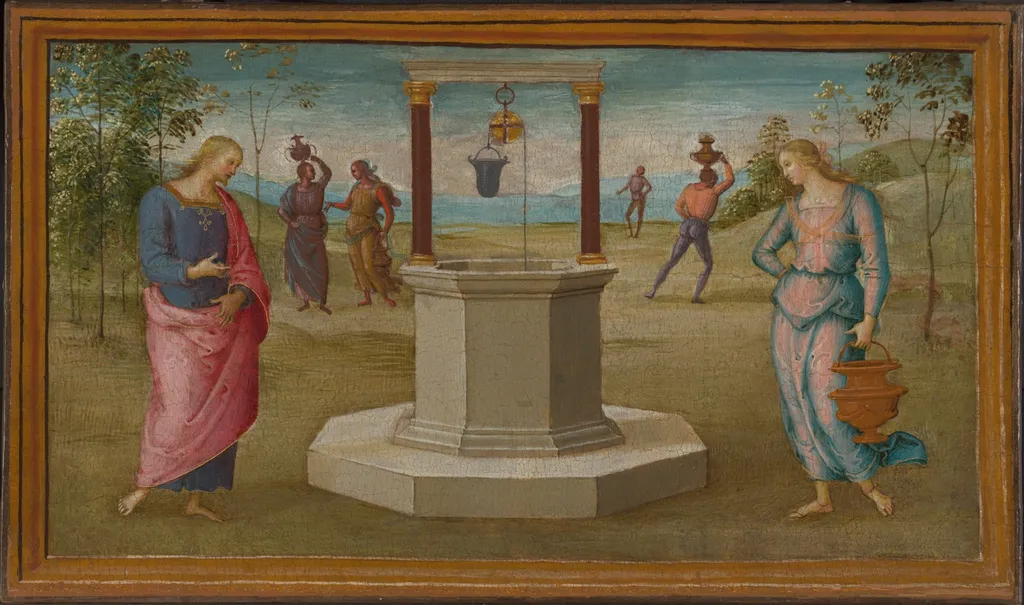
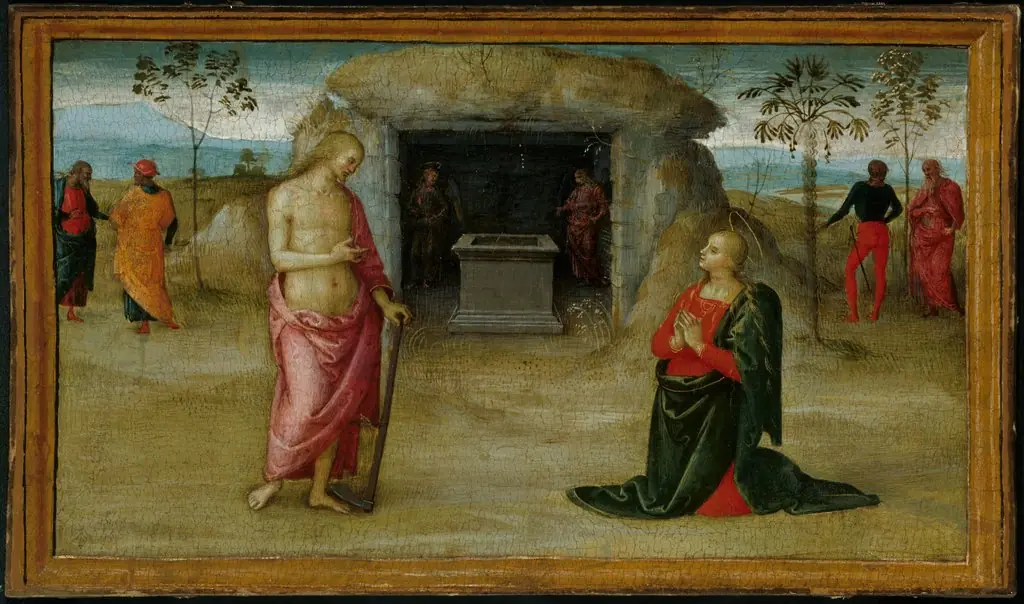
Christ and the Woman of Samaria is a tempera painting by the Early Renaissance artist Pietro Perugino. It dates from 1502 and is held in the collection of the Art Institute of Chicago.
About this work
Overview
Christ and the Woman of Samaria is a tempera on panel painting, now transferred to canvas, originally part of a predella—a series of narrative scenes forming the base of an altarpiece. It depicts a pivotal moment in Christian scripture.
Subject & Meaning
The painting illustrates the encounter between Jesus and the Samaritan woman at the well, the instant He reveals Himself as the Messiah. This scene, alongside others in the predella, highlights moments of Jesus' divine nature revelation.
Technique & Style
Characterized by serene landscapes, the work reflects the stylistic influence of Perugino, known for gentle, idyllic backgrounds that contributed significantly to the development of the Italian Renaissance aesthetic.
History & Provenance
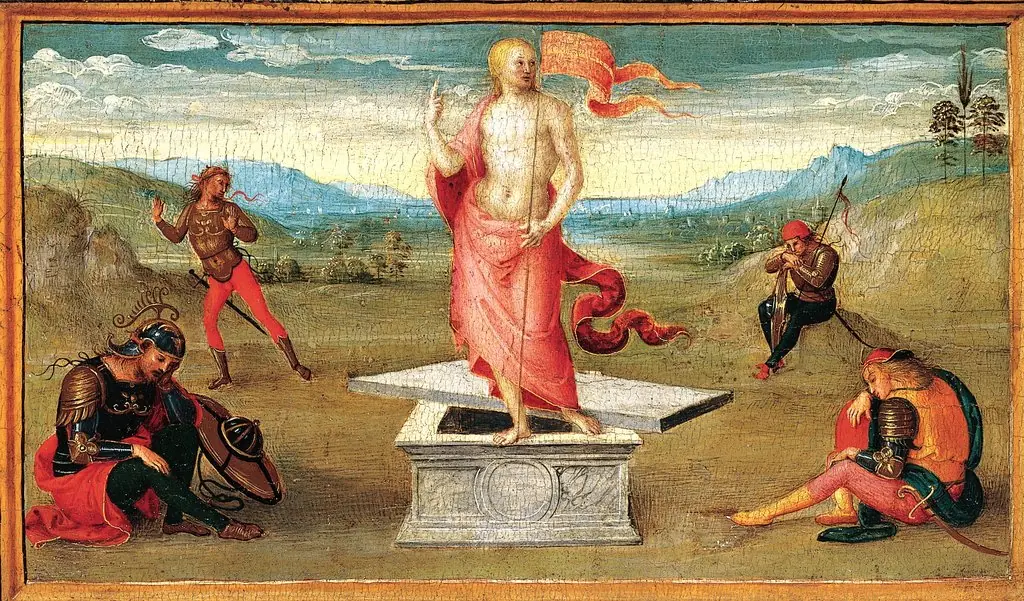
Originally one of five predella panels, this work was part of a larger altarpiece. The main panel above the predella remains unidentified. The set included scenes of Jesus' birth, baptism, this meeting, resurrection, and appearance to Mary Magdalene.
Context
As part of a predella, the painting was designed to narrate key biblical moments at the base of an altarpiece, enhancing the devotional and storytelling aspect of the overall artwork in a religious setting.
Legacy
While the legacy of this specific panel is intertwined with its former altarpiece context, its style reflects broader Renaissance influences, though its individual impact is less defined without the complete original work.
Artist & collection
Artist
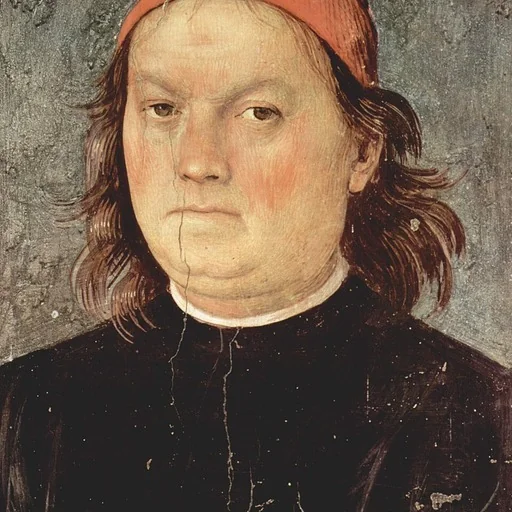
Pietro Perugino (US: PERR-ə-JEE-noh, -oo-; Italian: ; born Pietro Vannucci or Pietro Vanucci; c.