Artwork
Allegory of Painting
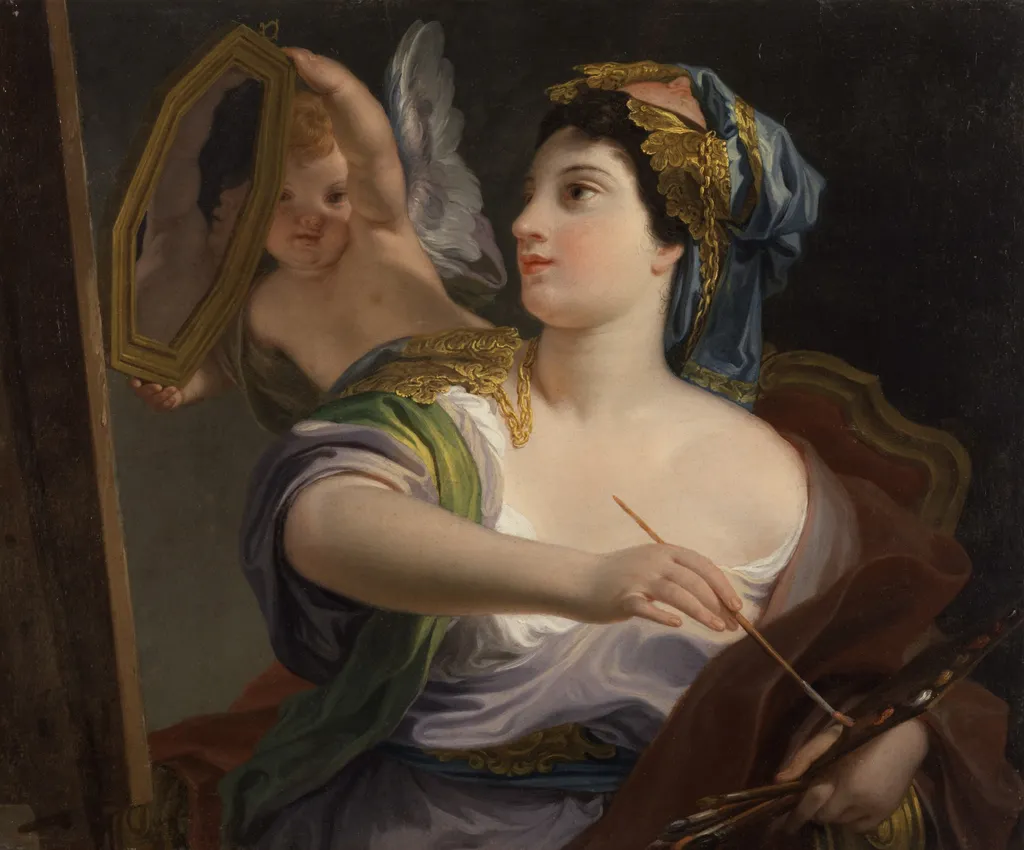
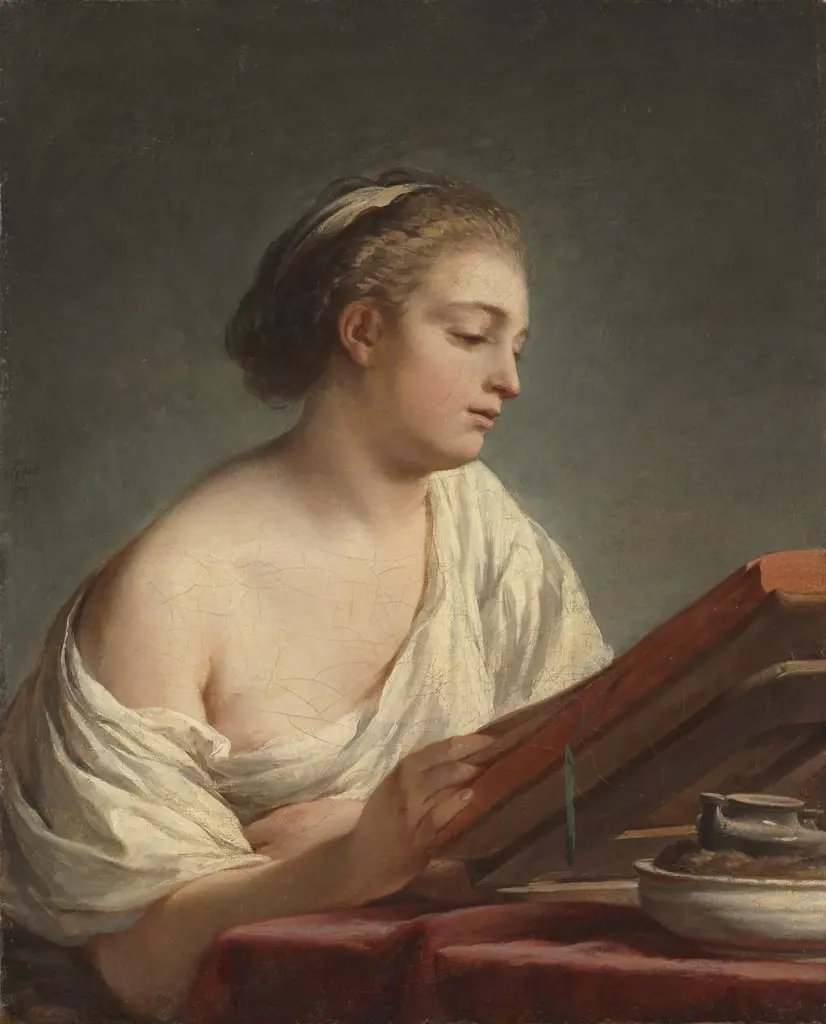
Allegory of Painting is an oil painting by the Rococo painting artist Domenico Corvi. It dates from 1764 and is held in the collection of the Walters Art Museum.
About this work
Overview
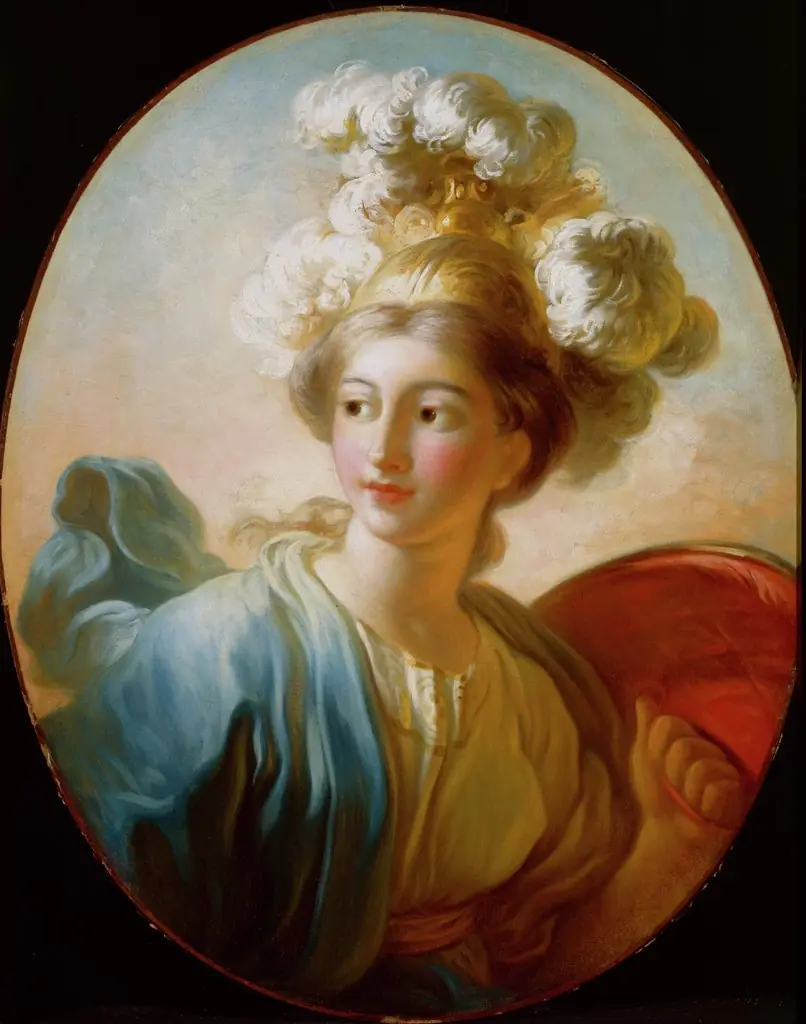
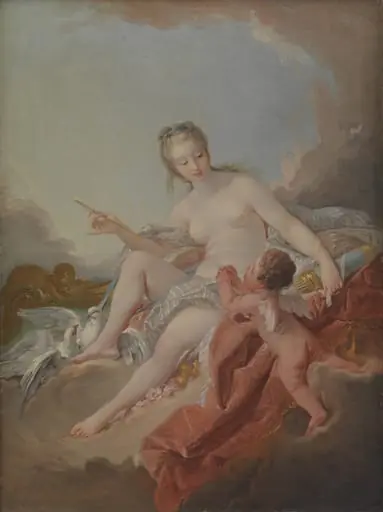
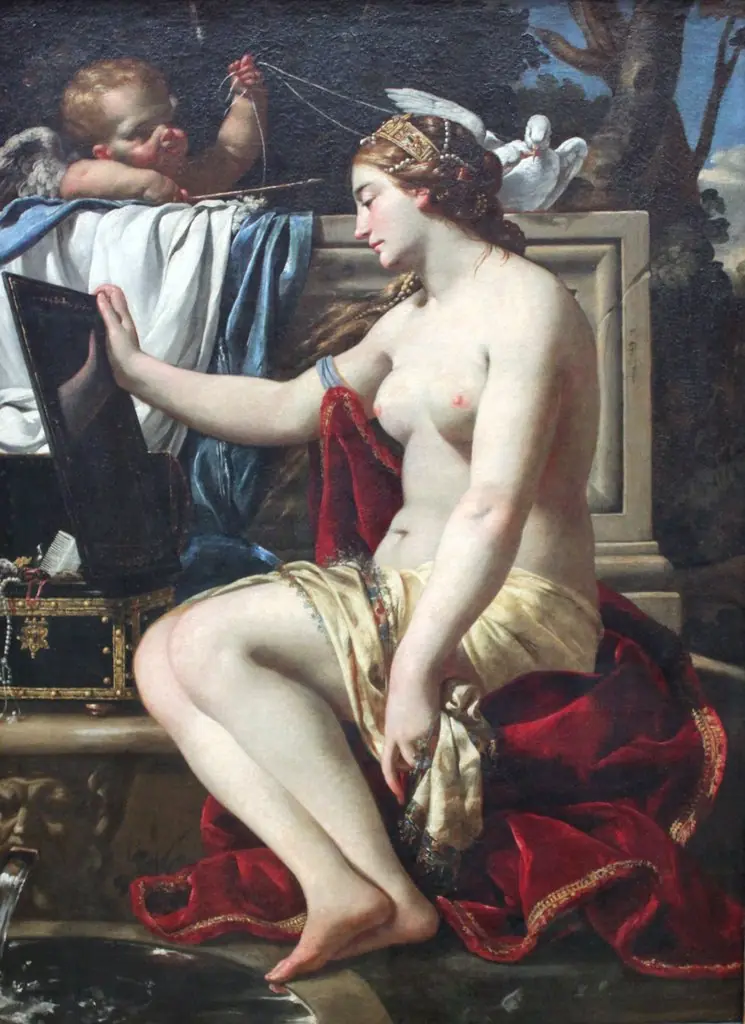
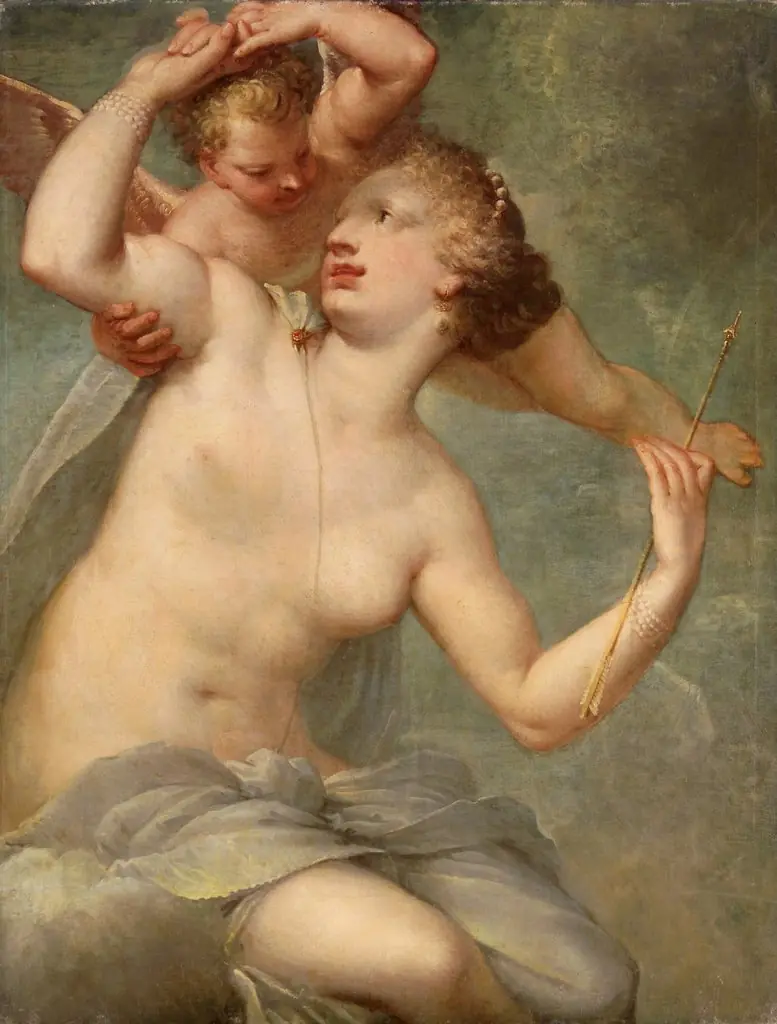
The woman, clad in a flowing white and purple robe with a green sash, holds a brush and palette, while the cherub reflects her image in a small mirror.
Created in 1764, the oil painting titled *Allegory of Painting* presents a graceful female figure surrounded by a playful cherub. The woman, clad in a flowing white and purple robe with a green sash, holds a brush and palette, while the cherub reflects her image in a small mirror. The composition embodies the Rococo taste for elegant allegory, and the work now belongs to the Walters Art Museum’s collection.
Subject & Meaning
The central figure functions as a personification of the visual arts, her attire and tools identifying her as the embodiment of painting itself. The cherubic attendant, holding a mirror, introduces a self‑referential element, suggesting the reflective nature of artistic creation. Together they convey a mood of inspiration, emphasizing the act of seeing and rendering the world through paint.
Technique & Style
Executed in oil on canvas, the piece displays the delicate brushwork and pastel palette typical of late Rococo. Corvi employs subtle chiaroscuro to model the figures, allowing light to illuminate the woman's face and the cherub’s features while deepening the surrounding shadows. The composition balances fluid drapery with precise rendering of the brush and palette, hinting at the artist’s transition toward the more restrained Neoclassical approach that would follow.
History & Provenance
Domenico Corvi, an Italian painter active in Rome around the turn of the 19th century, produced the work during a period when he was moving from Rococo toward early Neoclassicism. After its creation, the painting entered private collections before being acquired by the Walters Art Museum, where it remains on display as part of the museum’s European paintings holdings.
Context
The painting reflects the 18th‑century fascination with allegorical representation, a genre that allowed artists to celebrate their craft through symbolic figures. In Rome, where Corvi worked, such works often adorned aristocratic salons and academies, reinforcing the intellectual status of painting. The inclusion of a cherub aligns with Rococo’s lighthearted ornamentation, while the restrained color scheme anticipates the emerging Neoclassical aesthetic.
Artist & collection
Artist
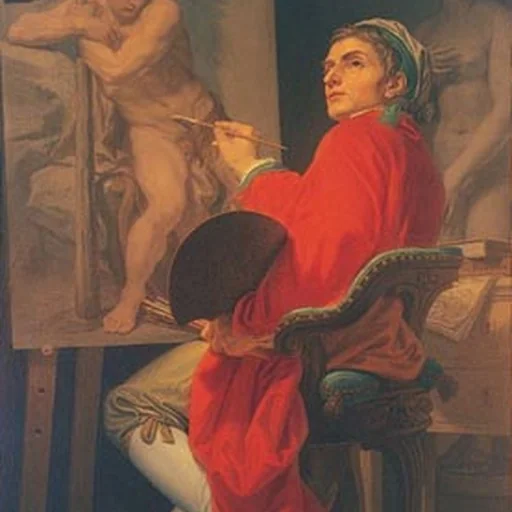
Domenico Corvi (16 September 1721 – 22 July 1803) was an Italian painter at the close of the 18th century, active in an early Neoclassic style in Rome and surrounding sites.