Artwork
The Toilet of Venus
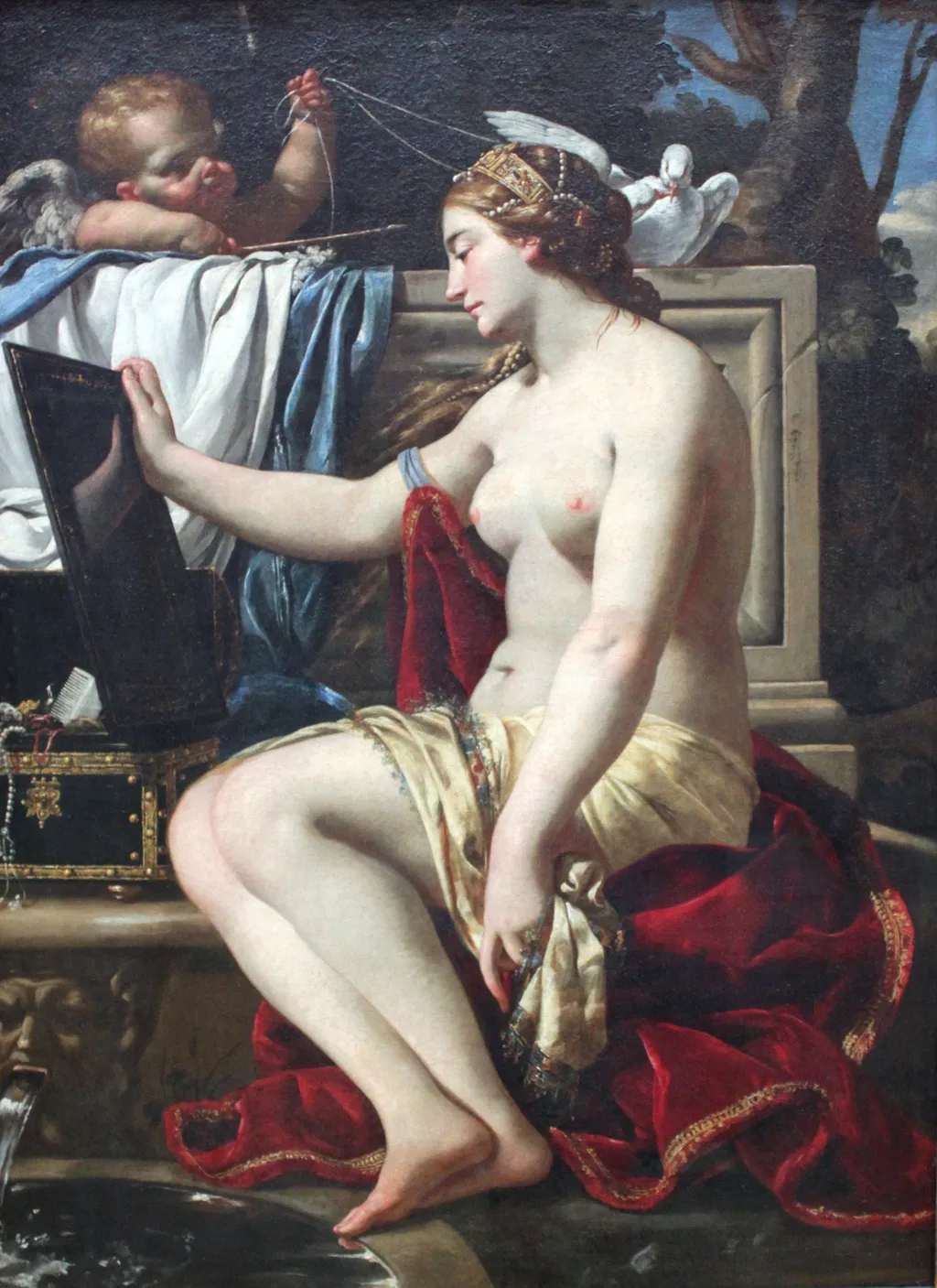
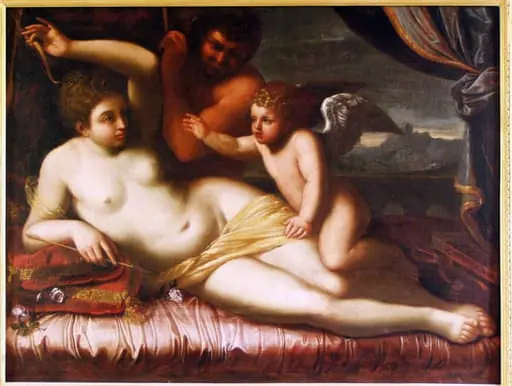
The Toilet of Venus is an oil painting by the Early Baroque Italian artist Simon Vouet. It dates from 1626 and is held in the collection of the Gemäldegalerie Berlin.
About this work
Overview
Vouet, a French artist shaped by his years in Italy, produced this work during his return to France, blending Roman sensibilities with French courtly tastes.
Painted in 1626 by Simon Vouet, *The Toilet of Venus* is a mythological scene executed in the Italian Baroque style. Vouet, a French artist shaped by his years in Italy, produced this work during his return to France, blending Roman sensibilities with French courtly tastes. It reflects his role in introducing Italian Baroque aesthetics to the French artistic milieu. The painting resides in the Gemäldegalerie, Berlin, as part of its early 17th-century collection.
Subject & Meaning
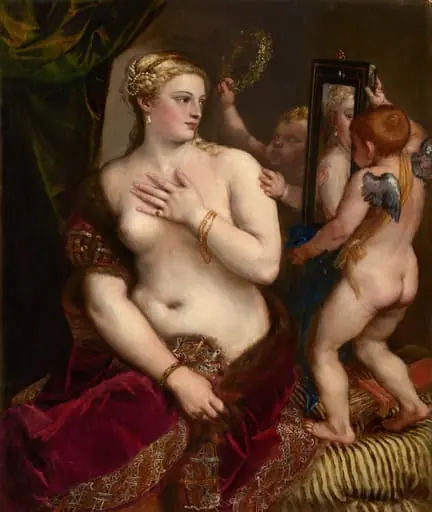
The painting portrays Venus, goddess of love, engaged in her morning ritual of adornment. She holds a mirror, gazing at her reflection, while a cherub tethers it with a slender cord—suggesting the curated nature of beauty. A white swan, sacred to Venus, rests nearby, reinforcing themes of grace and divine allure. The scene is not merely decorative but evokes classical ideals of feminine beauty and self-contemplation within mythological tradition.
Technique & Style
Vouet employs rich, luminous pigments to render the softness of Venus’s skin and the sheen of her garments. The gold headband and waist cloth catch light with a polished realism, contrasting with the muted background. The cherub’s delicate form and the swan’s smooth contours reflect Italianate modeling, while the composition’s intimacy and focus on texture reveal Vouet’s adaptation of Caravaggesque naturalism to a more refined, courtly aesthetic.
History & Provenance
Created during Vouet’s transition from Rome to Paris, the painting was likely made for a private patron before his appointment as Premier peintre du Roi in 1627. It entered the Gemäldegalerie Berlin’s collection in the 19th century, possibly through royal or aristocratic acquisitions. Its survival in good condition offers insight into early Baroque French collecting habits and the circulation of Italian-inspired works across Europe.
Context
In the 1620s, French art was shifting from Mannerist conventions toward the dynamism of the Italian Baroque. Vouet’s return from Italy positioned him as a cultural bridge, bringing compositional clarity, dramatic lighting, and mythological themes to the French court. *The Toilet of Venus* exemplifies this transition, aligning with broader European trends that elevated classical subjects as vehicles for intellectual and aesthetic refinement.
Legacy
Though overshadowed later by Poussin and Le Brun, Vouet’s early works like this one laid the groundwork for French academic painting. His synthesis of Italian style with French elegance influenced generations of court artists. *The Toilet of Venus* remains a key example of how foreign styles were absorbed and localized, marking a pivotal moment in the development of French Baroque art.
Own this work as a print
Artist & collection
Artist
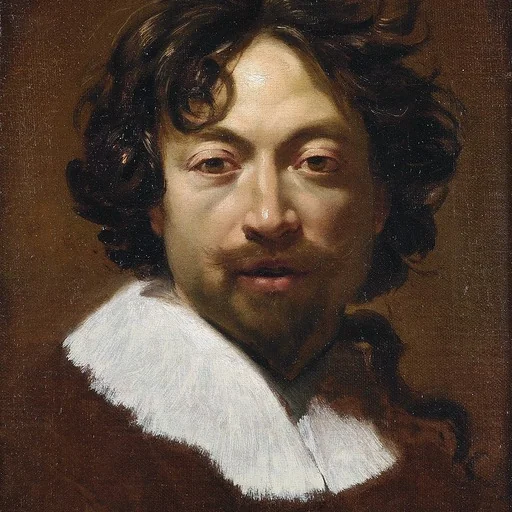
Simon Vouet (French pronunciation: ; 9 January 1590 – 30 June 1649) was a French painter who studied and rose to prominence in Italy before being summoned by Louis XIII to serve as Premier peintre du Roi in France.

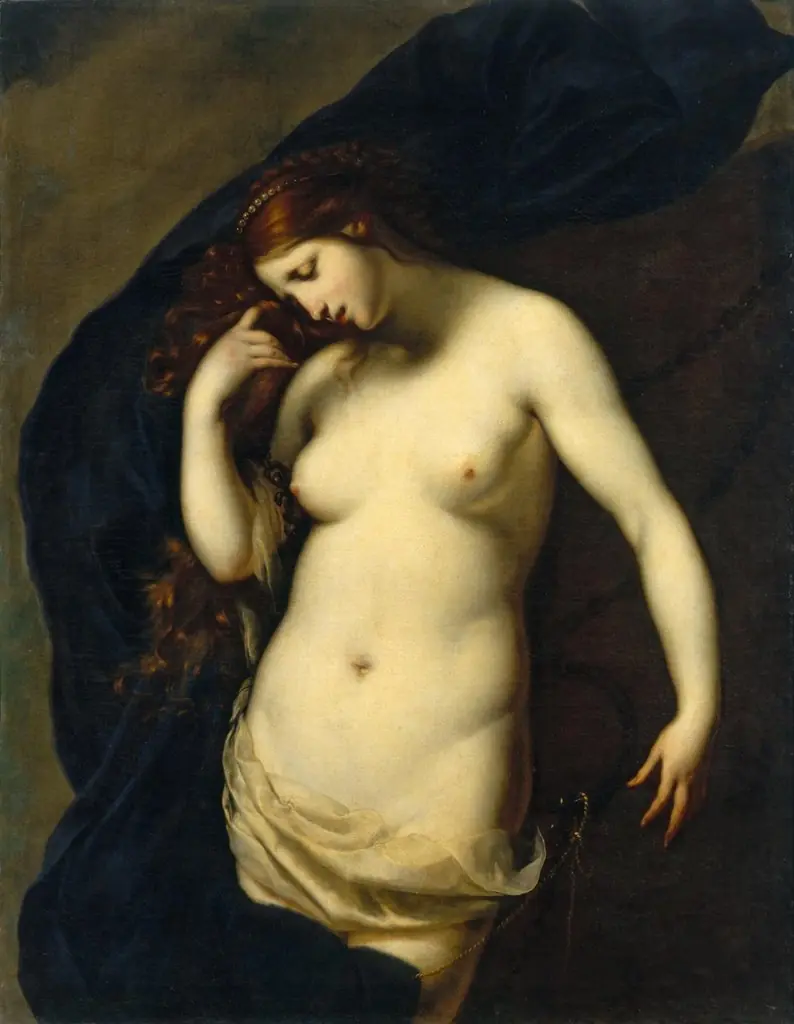 Andromeda
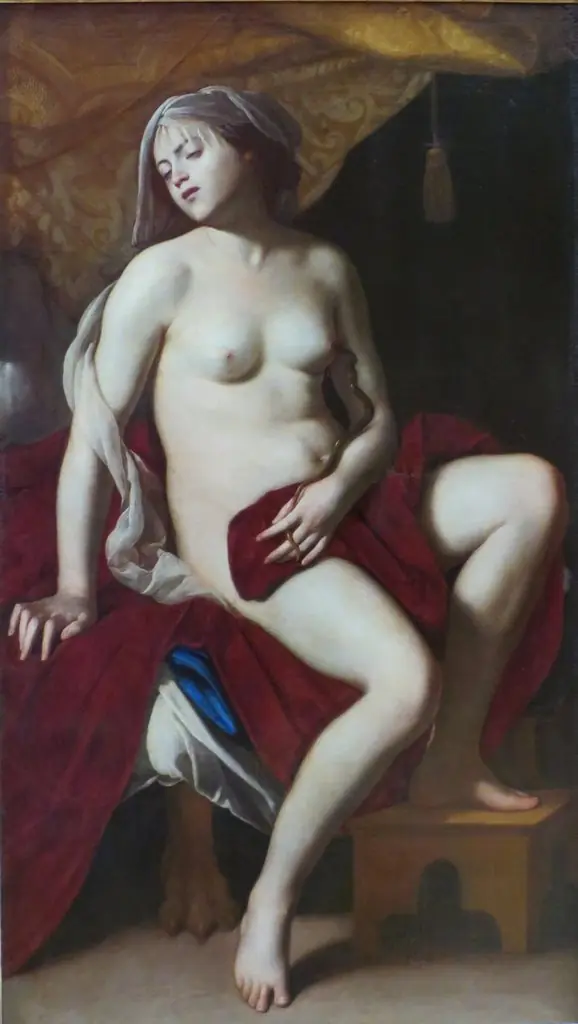 The Death of Cleopatra
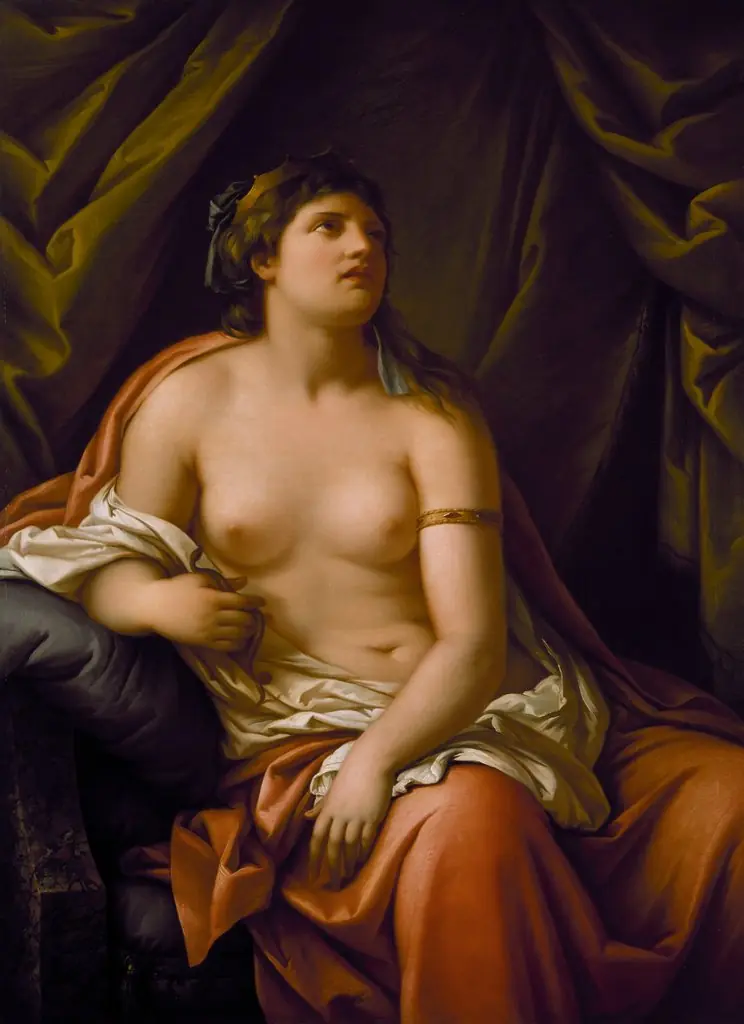 Cleopatra
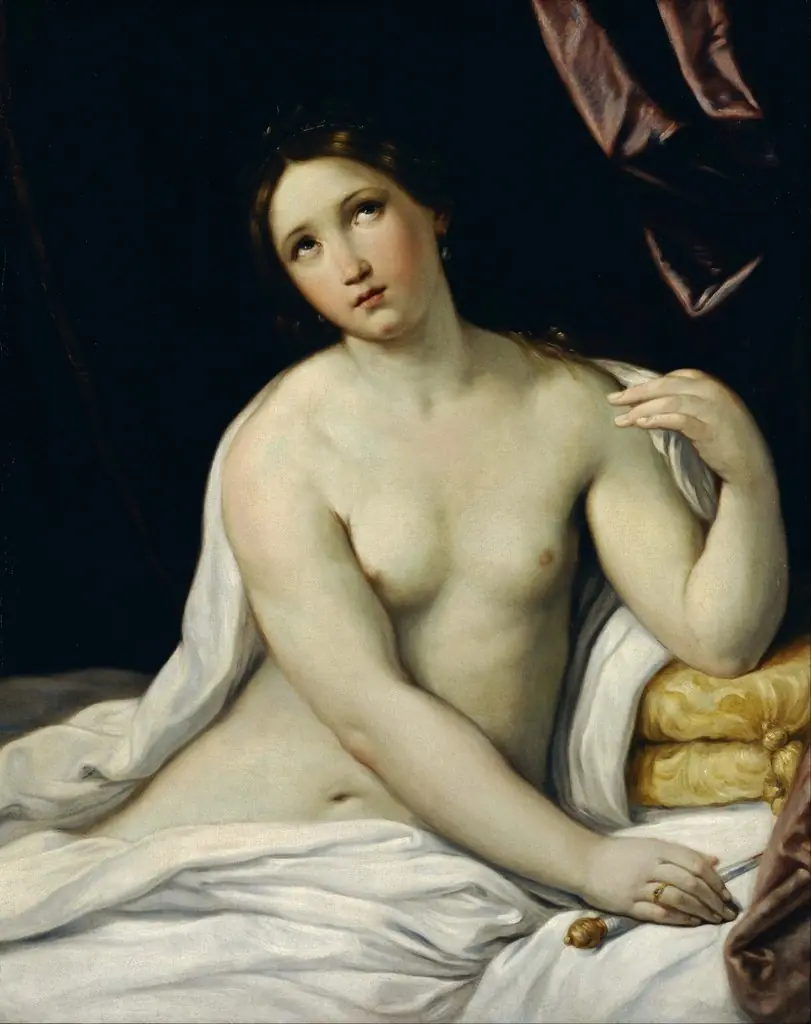 Lucretia
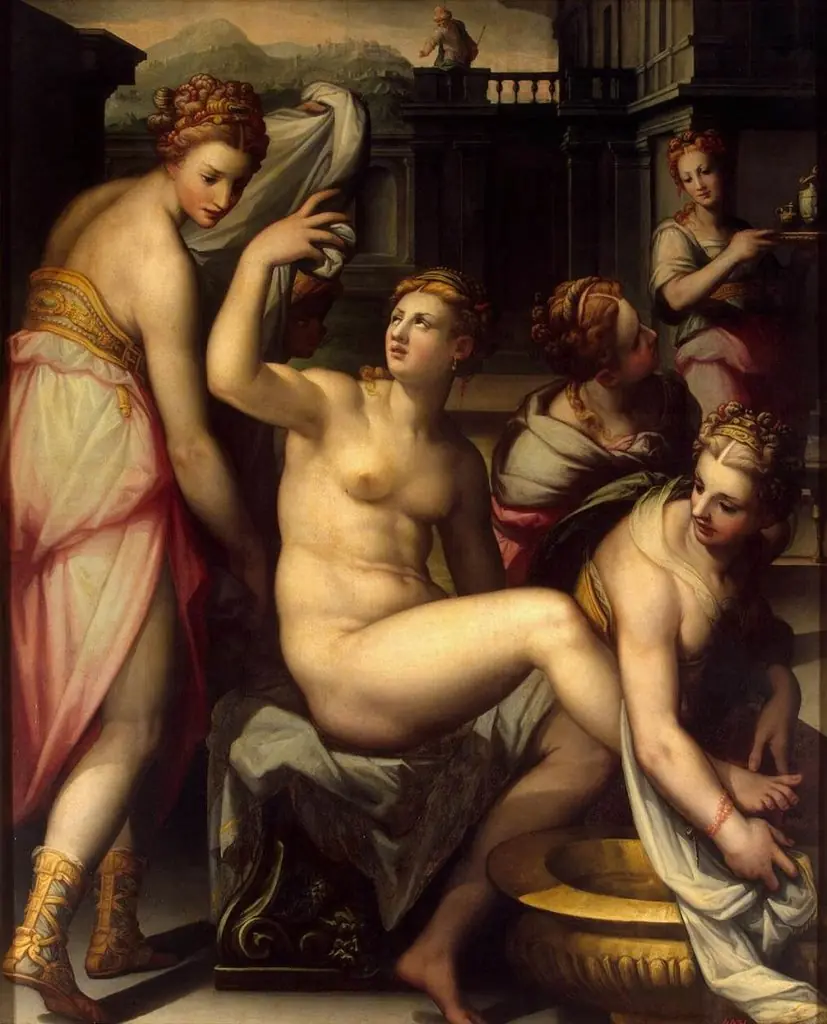 Bathsheba
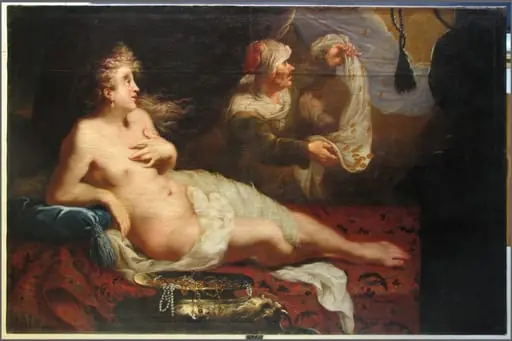 Danae (în Registrul de inventar: Jupiter în chip de ploaie de aur o cercetează pe Danae)
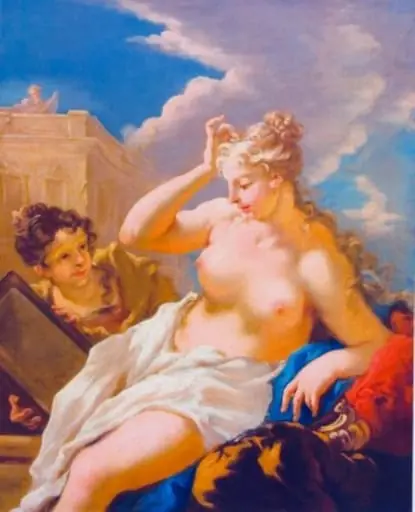 Betshabea
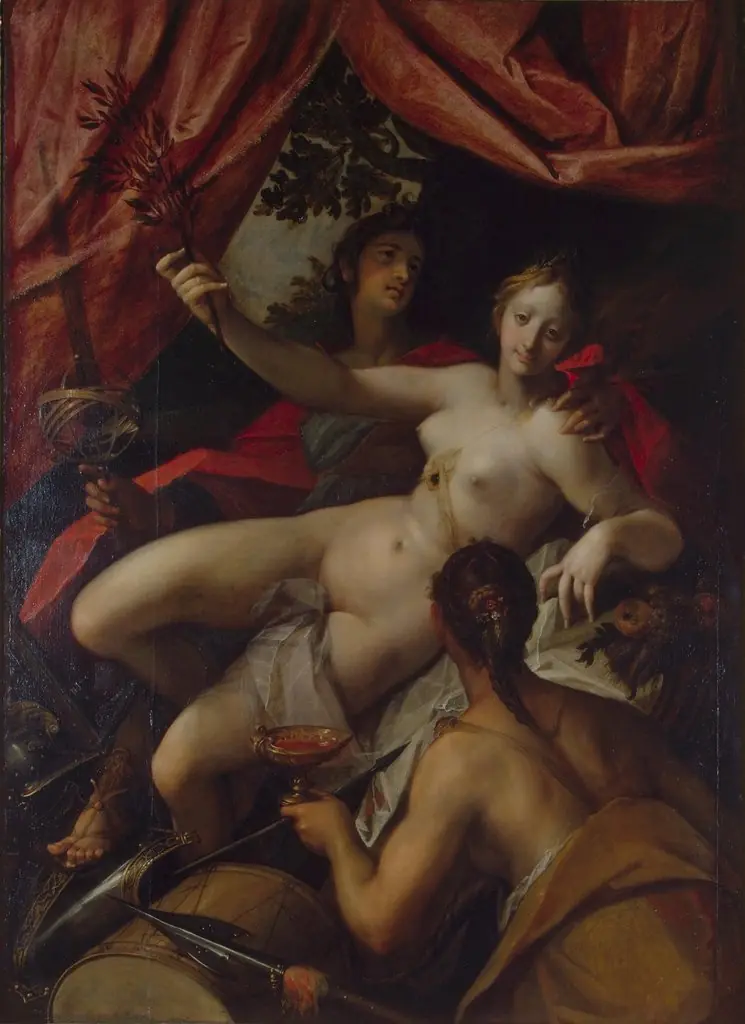 Allegory of Peace and Abundance
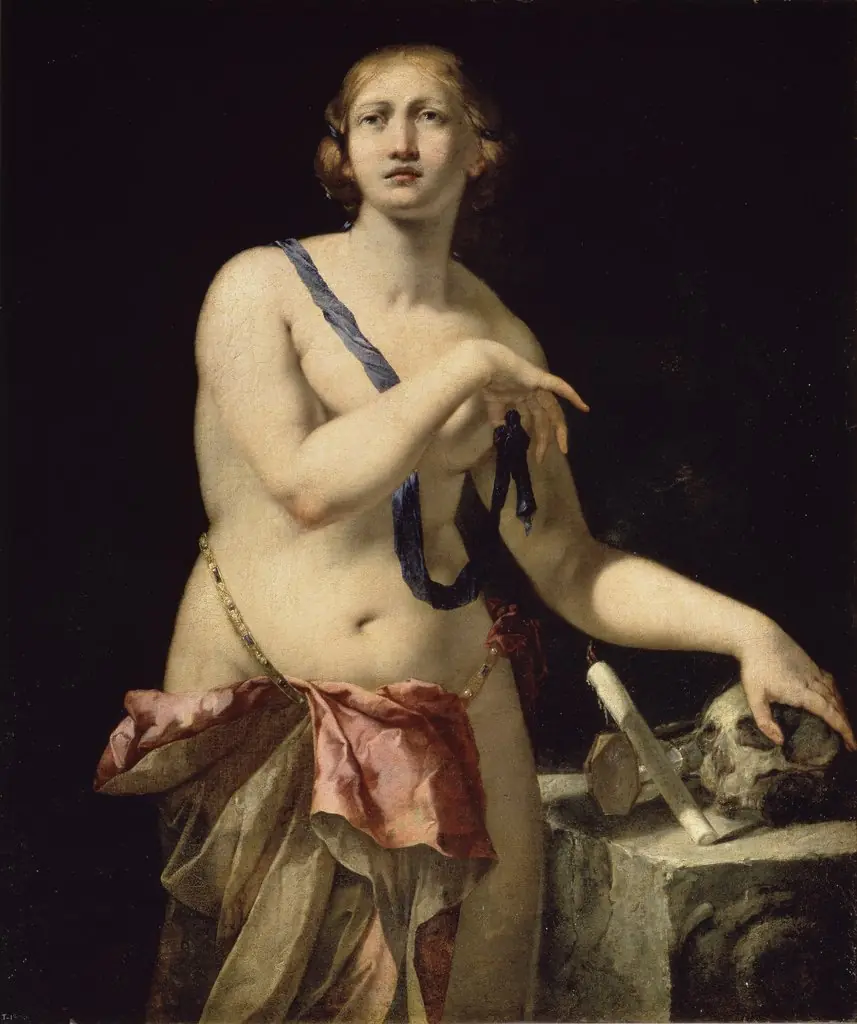 Vanitas
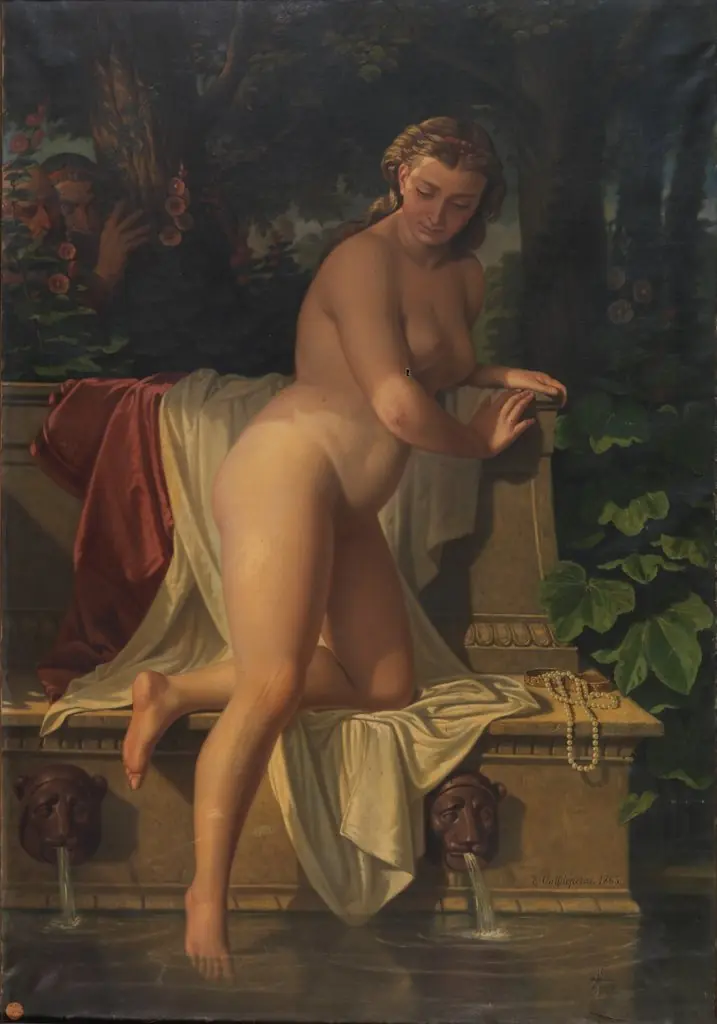 La casta Susana en el baño
 Venus și Amor, pândiți de Pan (în Registrul inventar: Venus și Amor)
 Venus with a Mirror