Artwork
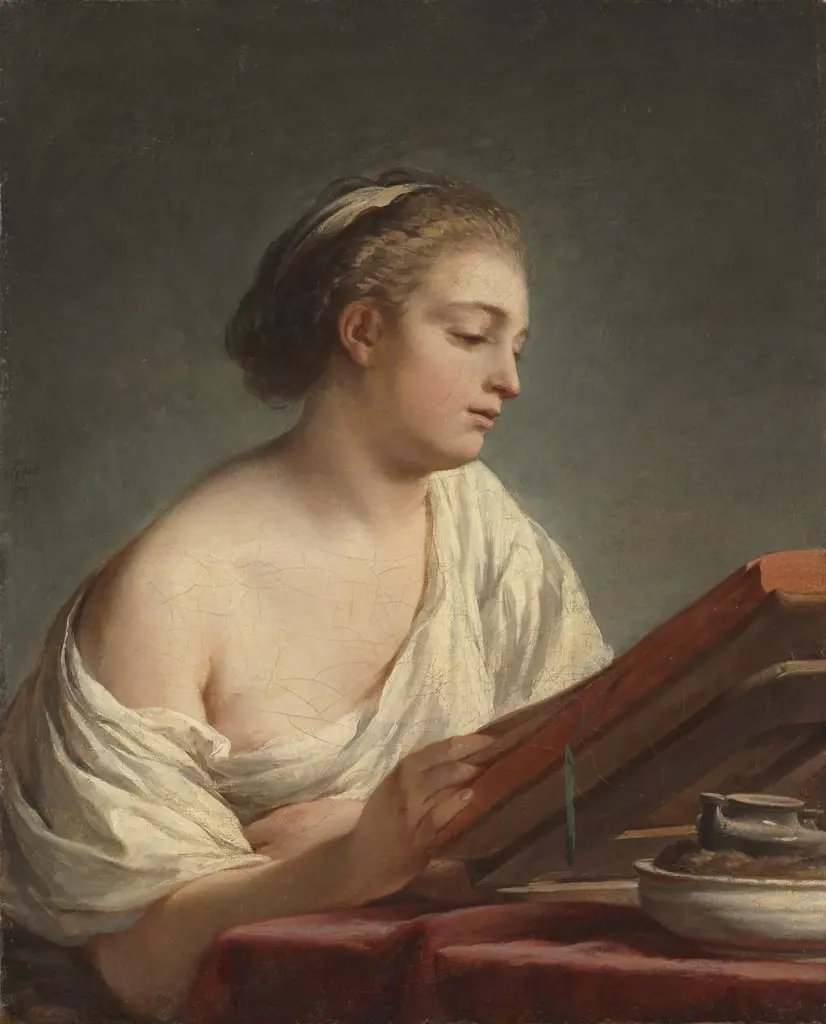
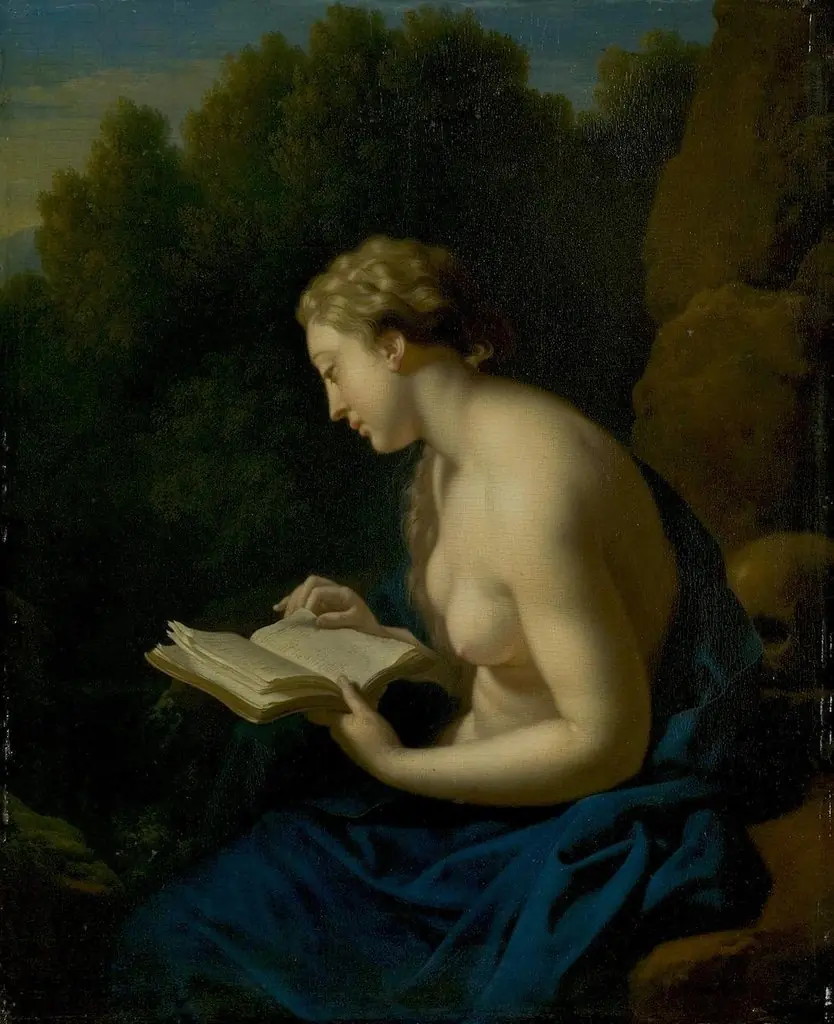
Woman Reading
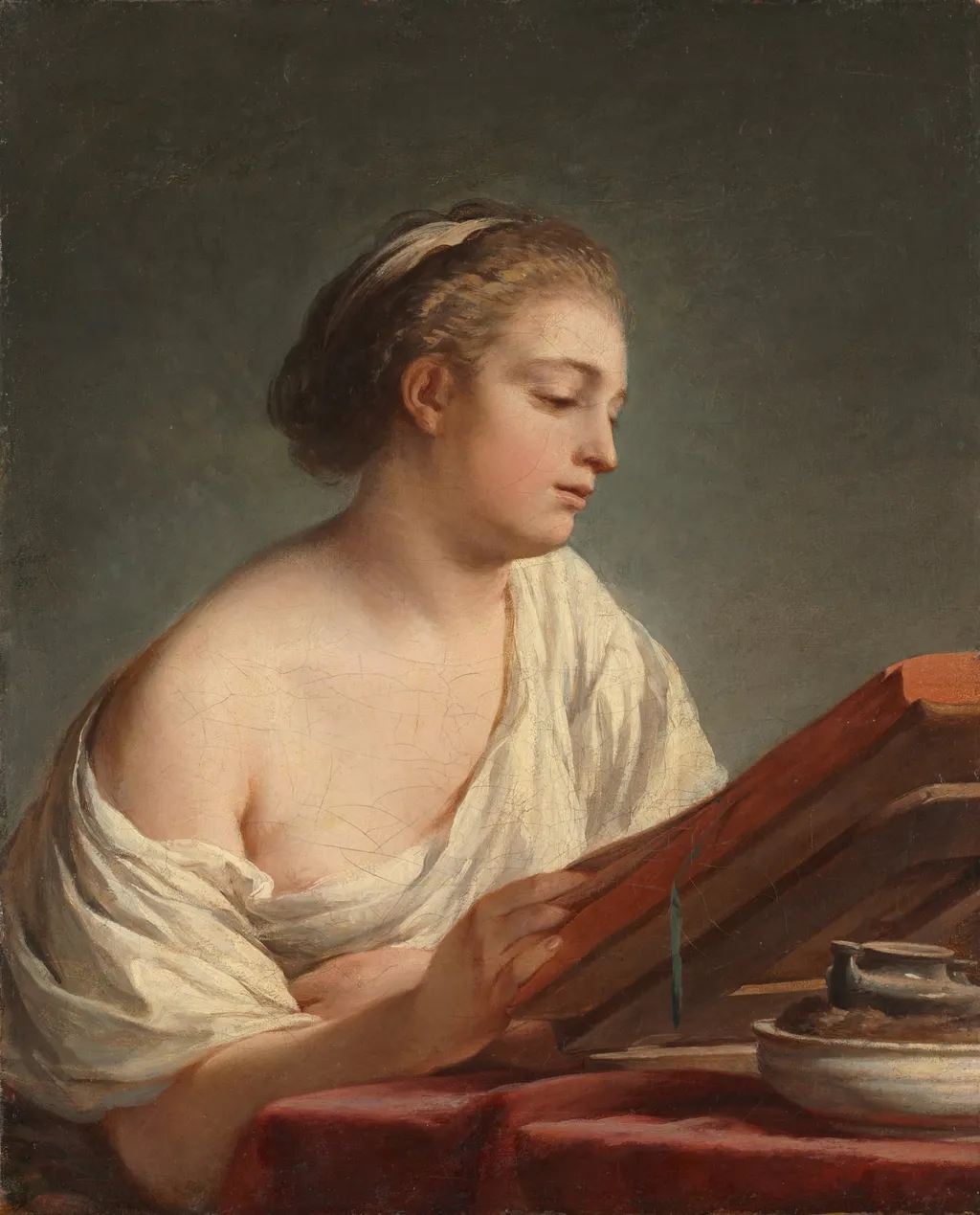
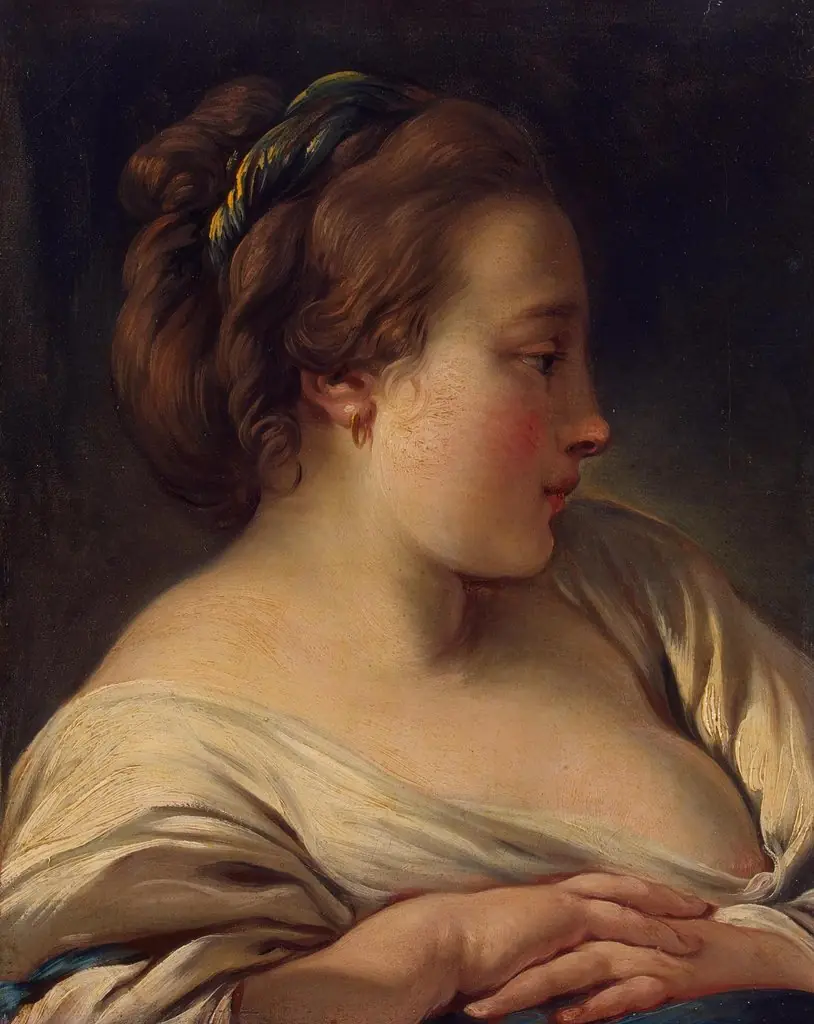
Woman Reading is an unspecified painting by the Rococo painting artist Nicolas Bernard Lépicié. It dates from 1769 and is held in the collection of the Cleveland Museum of Art.
About this work
Overview
Created in 1769 by French painter Nicolas‑Bernard Lépicié, *Woman Reading* is an oil painting that exemplifies the Rococo aesthetic of its era. The work is part of the permanent collection of the Cleveland Museum of Art, where it is displayed as a representative example of Lépicié’s portraiture.
Subject & Meaning
The composition depicts a young woman seated at a writing desk, absorbed in a book held in one hand while a quill rests in the other. Her attire is a light‑toned, loosely draped dress that leaves one shoulder exposed, and her hair is gathered simply, suggesting a quiet, domestic scene centered on literacy and contemplation.
Technique & Style
Lépicié employs a subtle chiaroscuro, allowing illumination to fall across the woman’s face while deeper shadows gather on her neck and the surrounding space. This contrast creates a sense of three‑dimensionality and visual drama, hallmarks of Rococo painting that balance elegance with a nuanced handling of light and dark.
History & Provenance
After its completion, the painting entered the French art market of the late eighteenth century and was eventually acquired by the Cleveland Museum of Art. Its provenance traces a path from private collections in Europe to the museum’s holdings, where it has been conserved and exhibited as part of the institution’s European painting collection.
Own this work as a print
Artist & collection
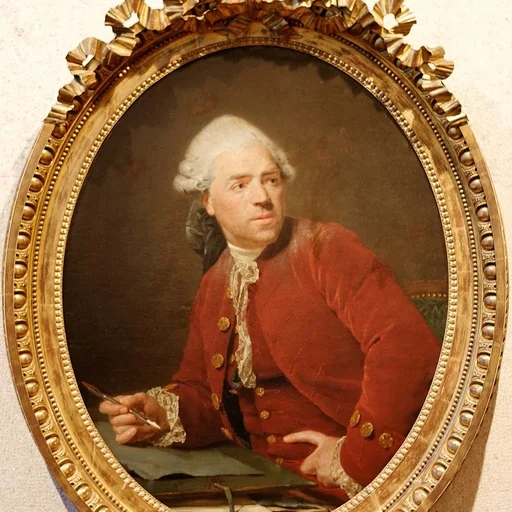
Artist
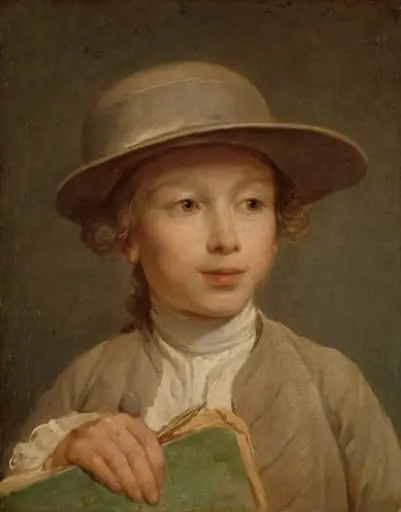
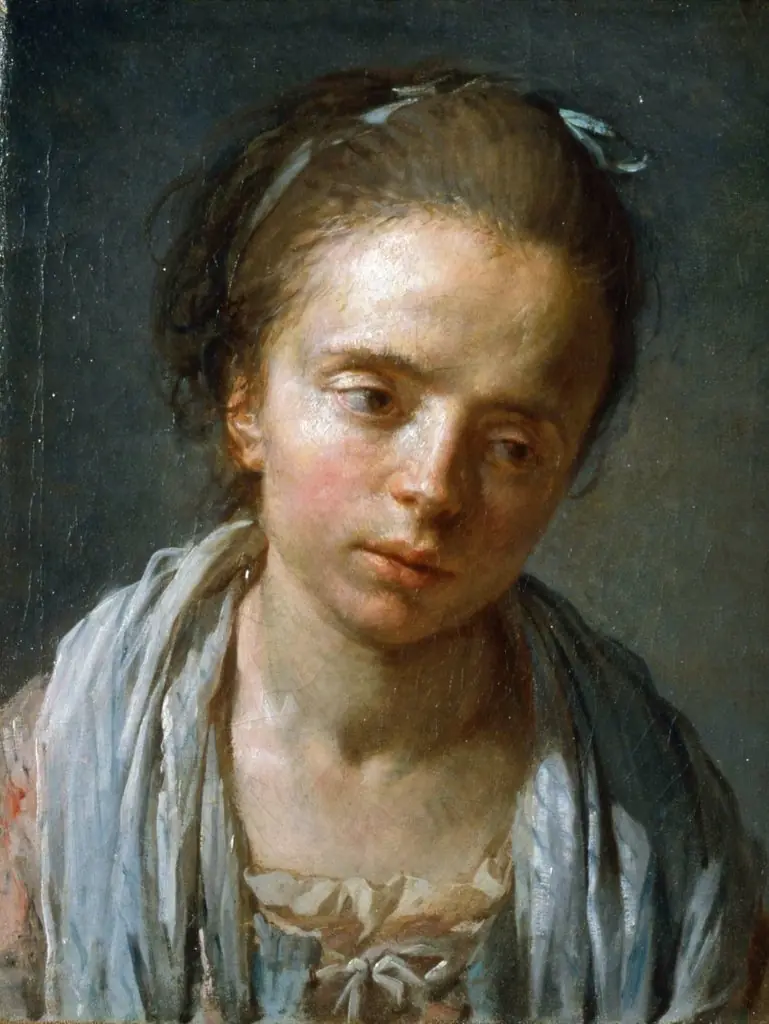
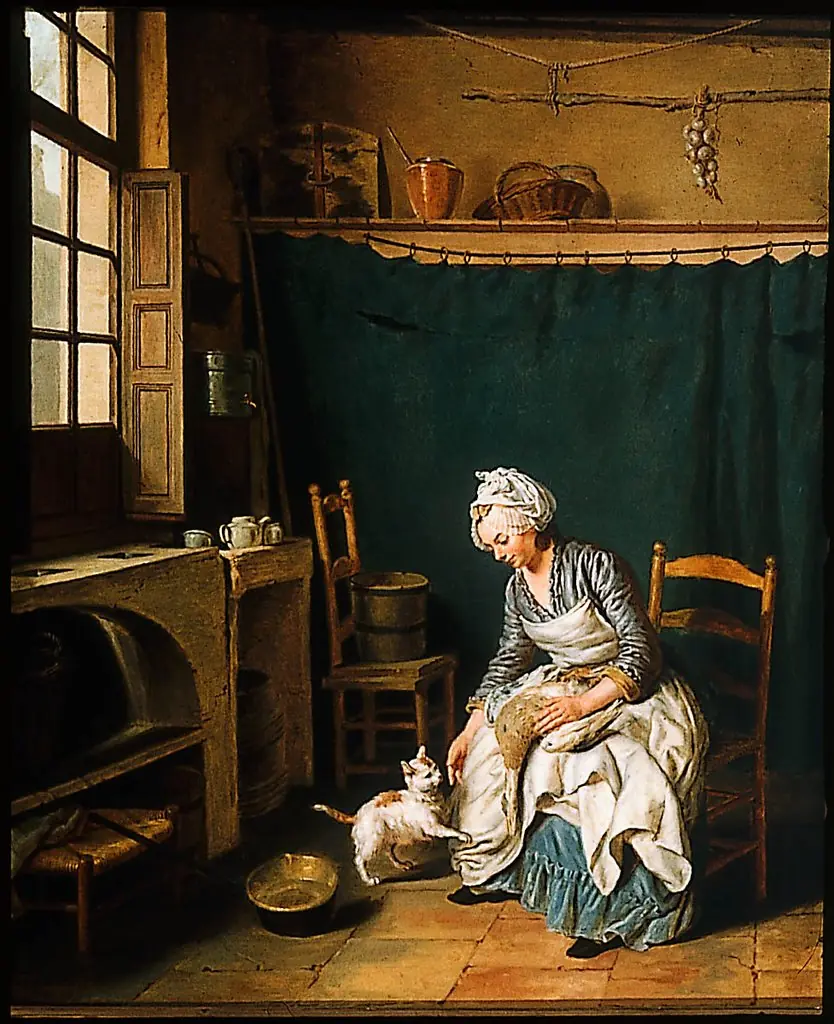
Nicolas Bernard Lépicié (16 June 1735 – 15 September 1784) was a French painter and teacher of painting, the son of two well-known engravers at the time, François-Bernard Lépicié and Renée-Élisabeth Marlié.