Artwork
Jacob's Dream
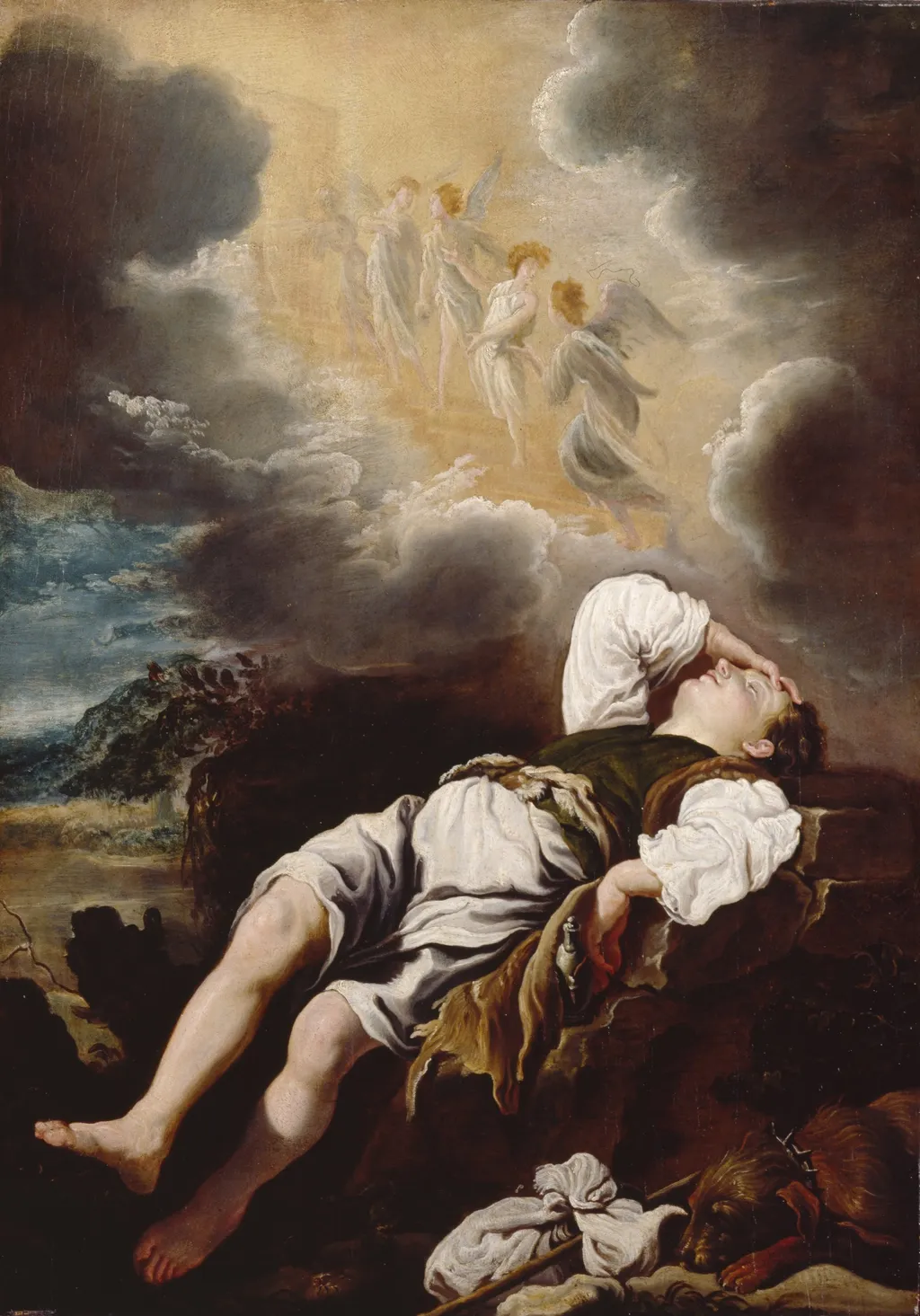
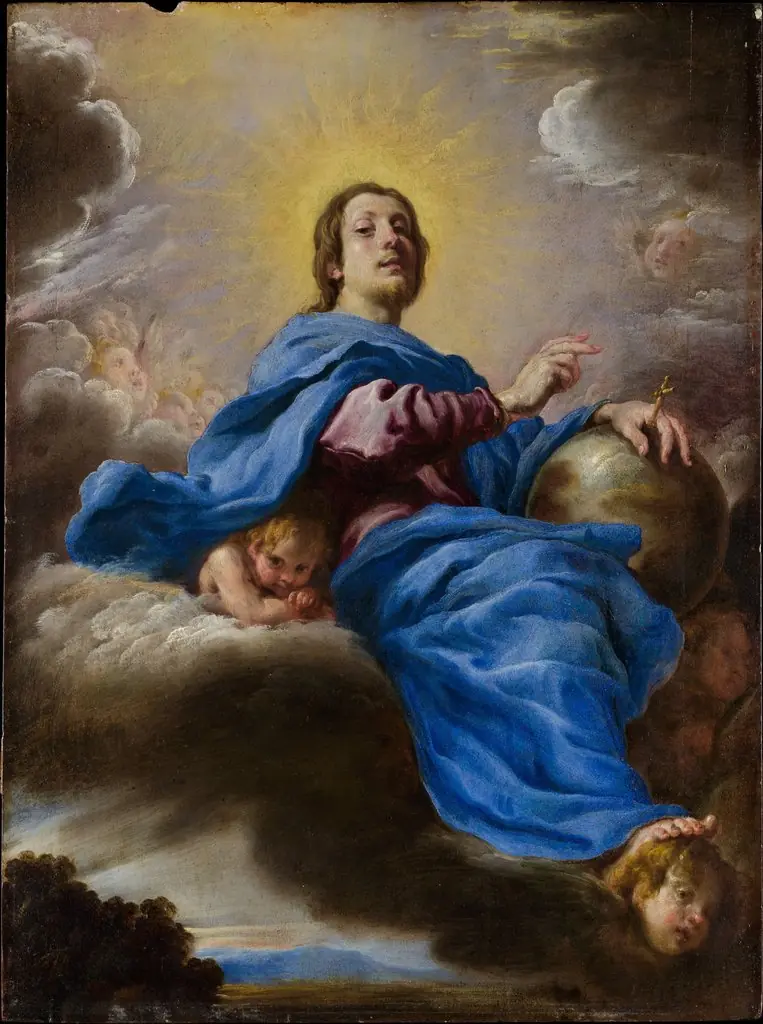
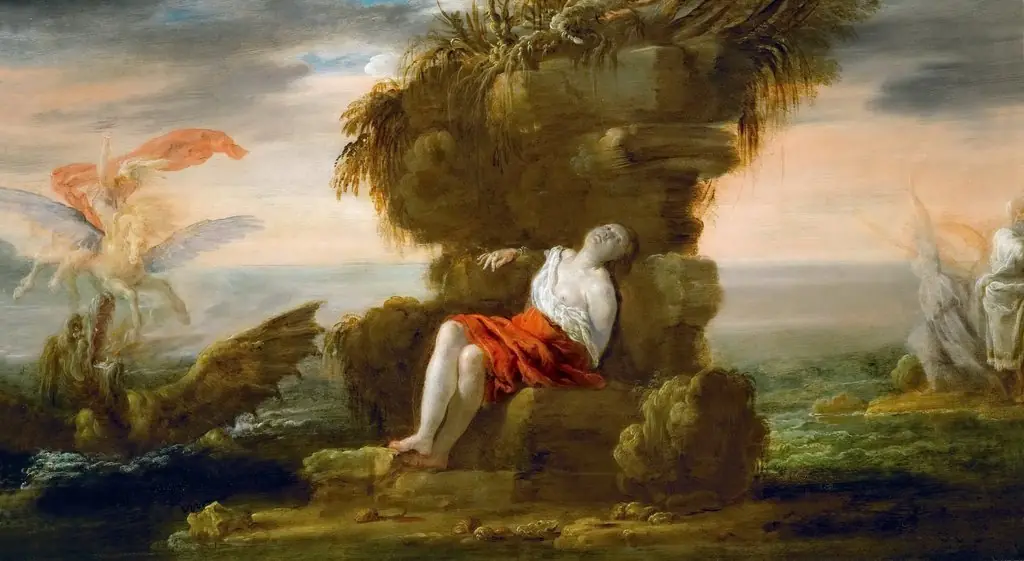
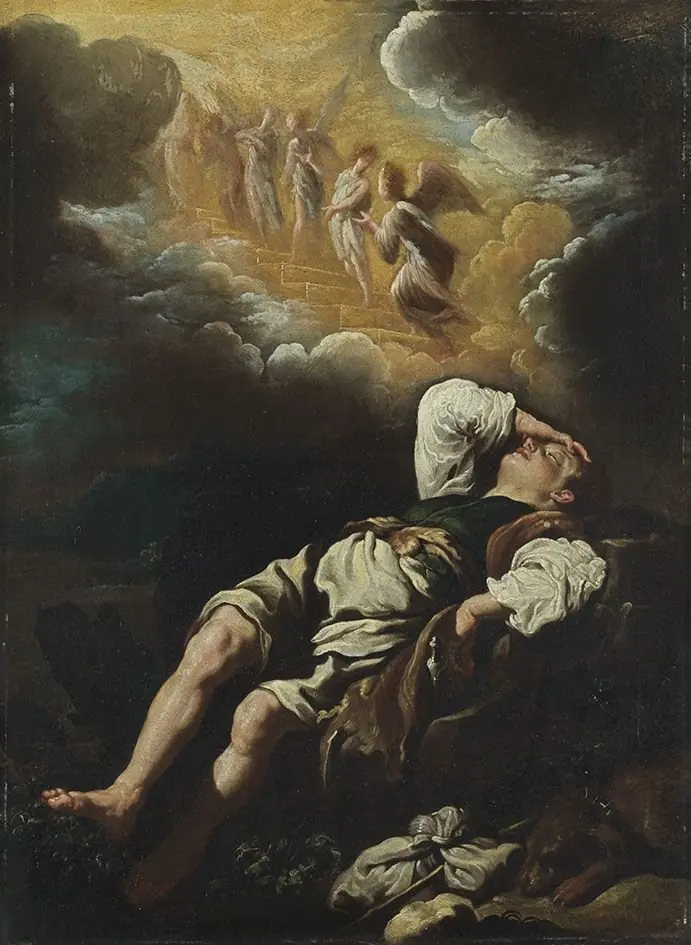
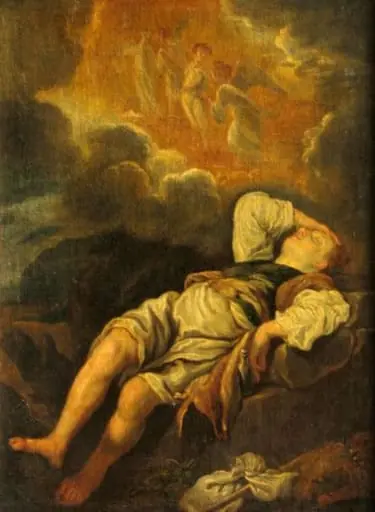
Jacob's Dream is an unspecified painting by the Early Baroque Italian artist Domenico Fetti. It dates from 1613 and is held in the collection of the Detroit Institute of Arts.
About this work
Overview
Executed in oil on canvas, it reflects the influence of northern Italian naturalism and the emerging Baroque emphasis on emotional immediacy.
Domenico Fetti painted *Jacob’s Dream* in 1613 during his early career, likely while working in Mantua. The work belongs to a small group of religious subjects he produced before moving to Venice. Executed in oil on canvas, it reflects the influence of northern Italian naturalism and the emerging Baroque emphasis on emotional immediacy. The painting is now part of the Detroit Institute of Arts collection, acquired in the early 20th century.
Subject & Meaning
The scene illustrates Genesis 28:12, in which Jacob, exhausted and alone, dreams of a stairway connecting earth to heaven, with angels ascending and descending. Fetti captures the moment of revelation not through grandeur but quiet contemplation. Jacob’s stillness and the presence of his dog and staff ground the vision in human vulnerability, emphasizing divine encounter as intimate rather than theatrical.
Technique & Style
Fetti employs subtle chiaroscuro to model Jacob’s form against a dim landscape, enhancing the dreamlike atmosphere. Soft transitions between light and shadow, along with delicate sfumato in the clouds, lend a hazy, ethereal quality to the angels. The palette is restrained—earthy tones for the foreground, muted golds and grays above—reinforcing the painting’s calm, meditative tone without overt drama.
History & Provenance
Commissioned during Fetti’s tenure at the Gonzaga court in Mantua, the painting remained in private Italian collections until the 19th century. It entered the Detroit Institute of Arts in 1925 through a donation from a collector with ties to European art markets. Its attribution to Fetti has been consistently supported by stylistic analysis and archival records from the Gonzaga period.
Context
In early 17th-century Italy, religious imagery increasingly favored psychological depth over rigid iconography. Fetti’s approach aligns with contemporaries like Caravaggio in its focus on human emotion, though his tone is gentler. The painting reflects a broader trend among northern Italian artists to render sacred moments with quiet realism, responding to Counter-Reformation calls for accessible spiritual narratives.
Legacy
Though not among Fetti’s most widely reproduced works, *Jacob’s Dream* exemplifies his distinctive synthesis of Venetian colorism and northern naturalism. It influenced later devotional painting in northern Italy by demonstrating how spiritual themes could be conveyed through understated composition and intimate detail, rather than spectacle. The painting remains a quiet testament to his ability to evoke the sacred through stillness.
Own this work as a print
Artist & collection
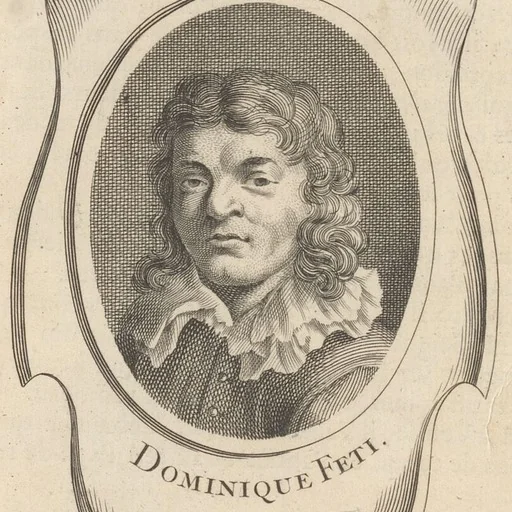
Artist
Domenico Fetti (also spelled Feti) (c. 1589 – 16 April 1623) was an Italian Baroque painter who was active mainly in Rome, Mantua and Venice.