Artwork
Ecce Homo
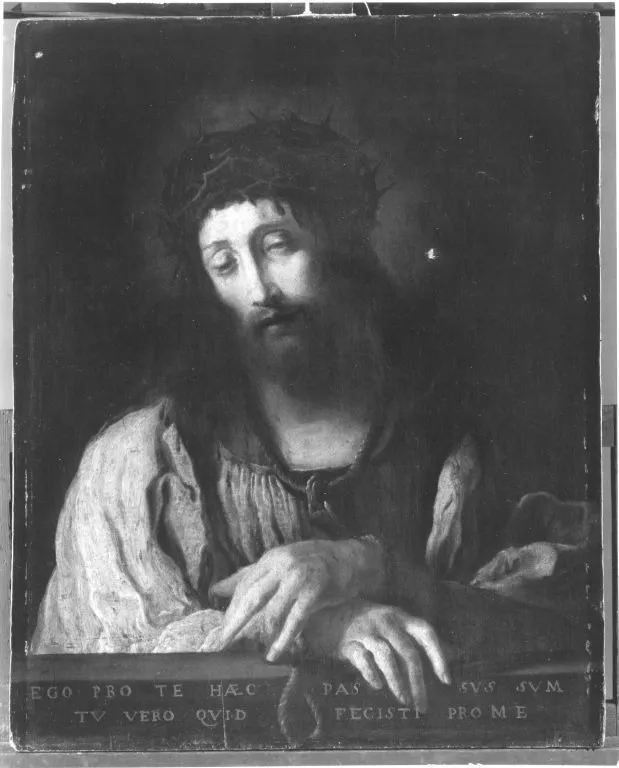
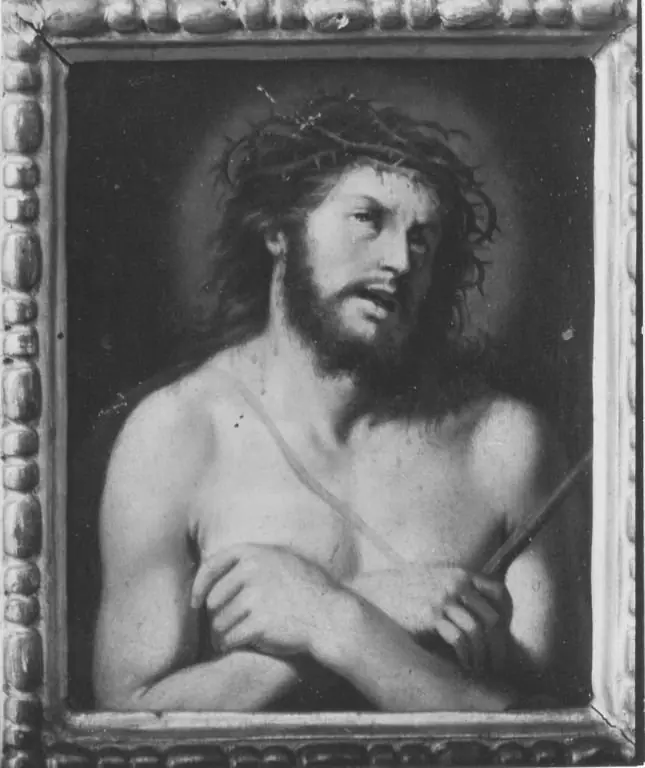
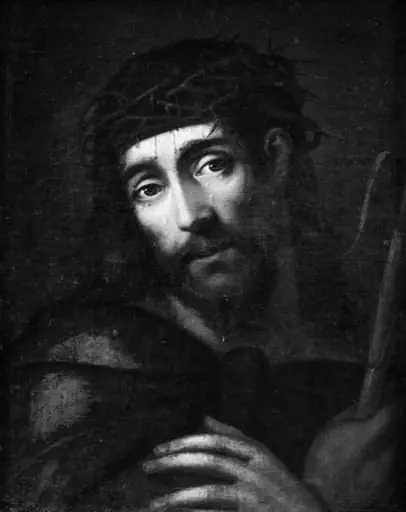
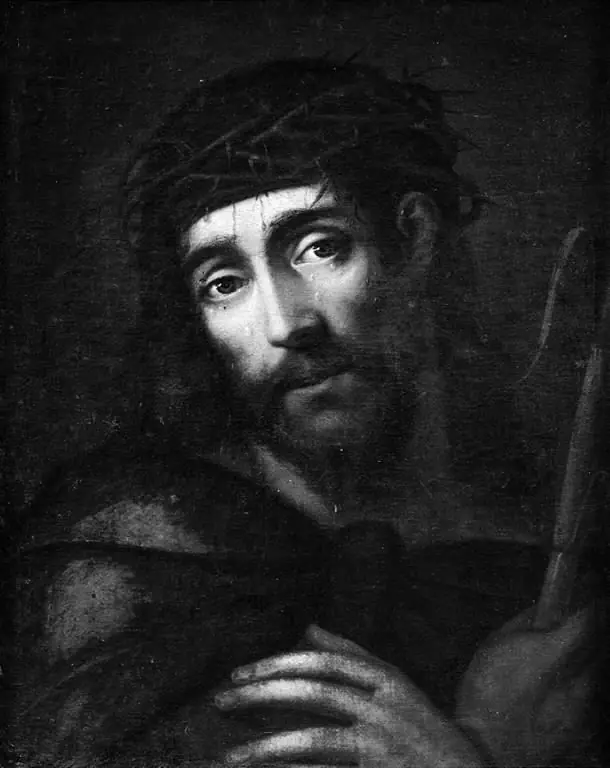
Ecce Homo is an unspecified painting by the Early Baroque Italian artist Domenico Fetti. It dates from 1612 and is held in the collection of the Bavarian State Painting Collections.
About this work
Overview
Ecce Homo is a 1612 religious painting by Italian Baroque artist Domenico Fetti, currently housed in the Alte Pinakothek collection.
Subject & Meaning
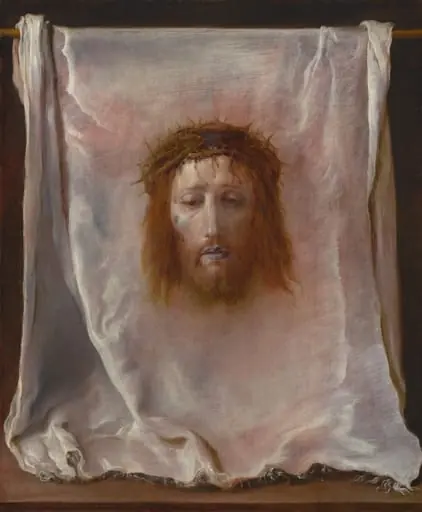
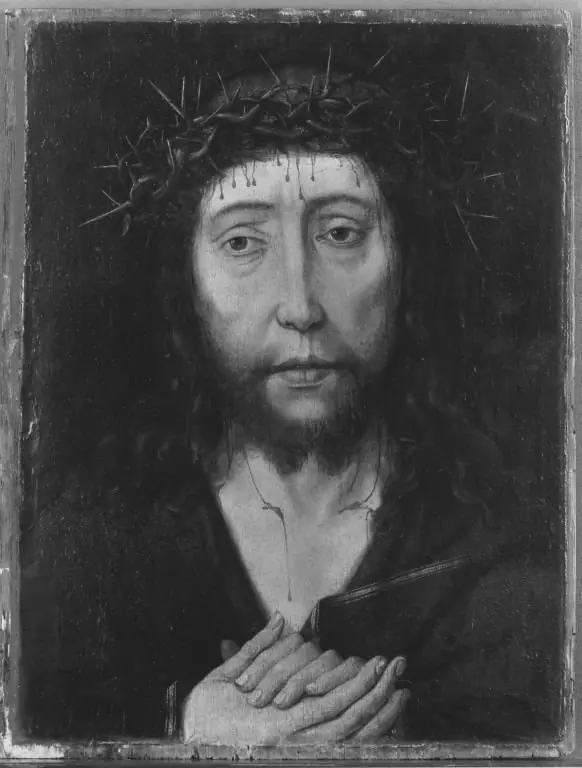
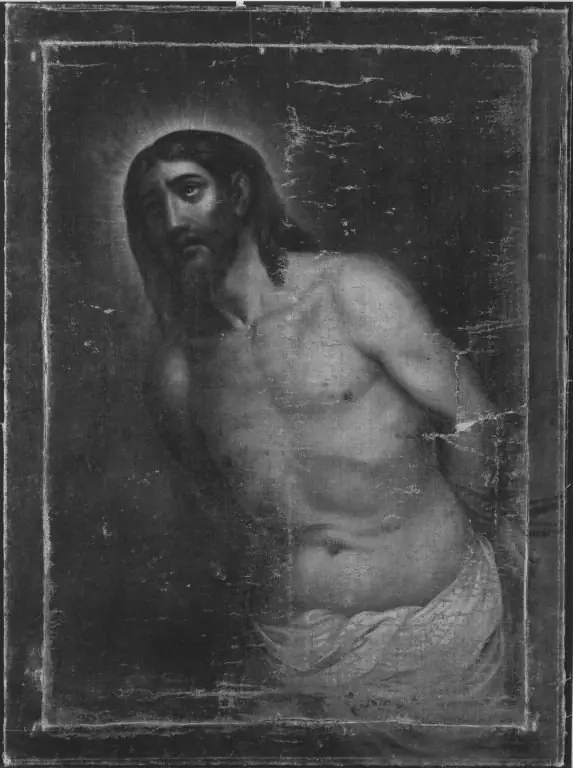
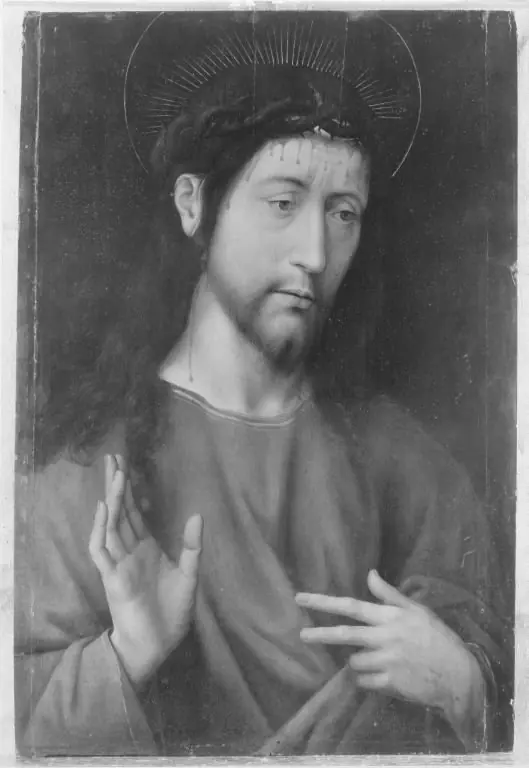
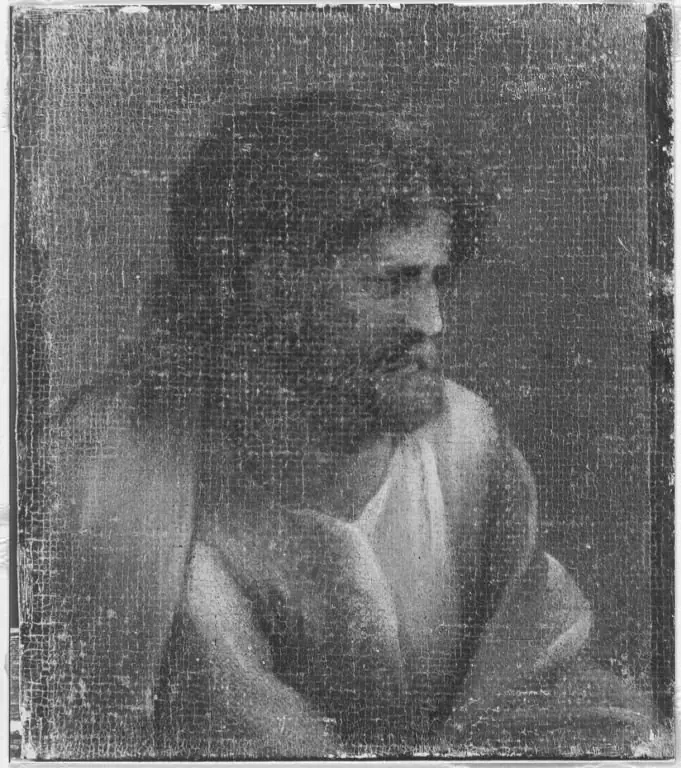
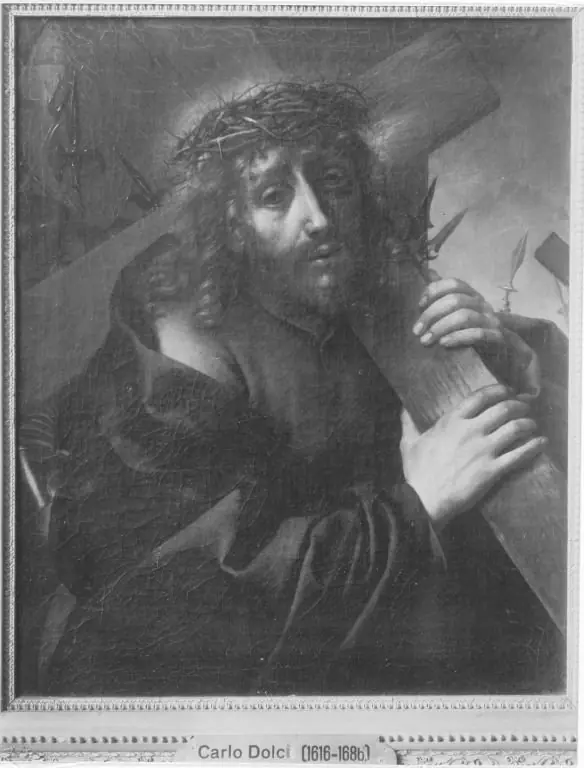
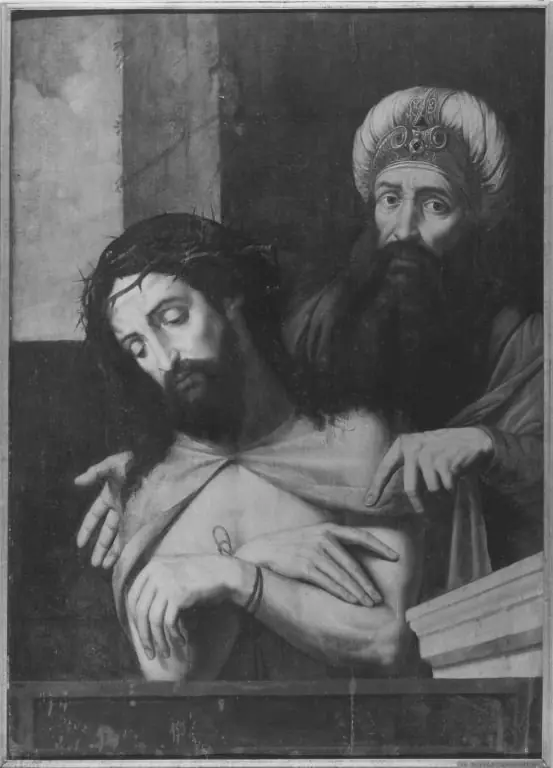
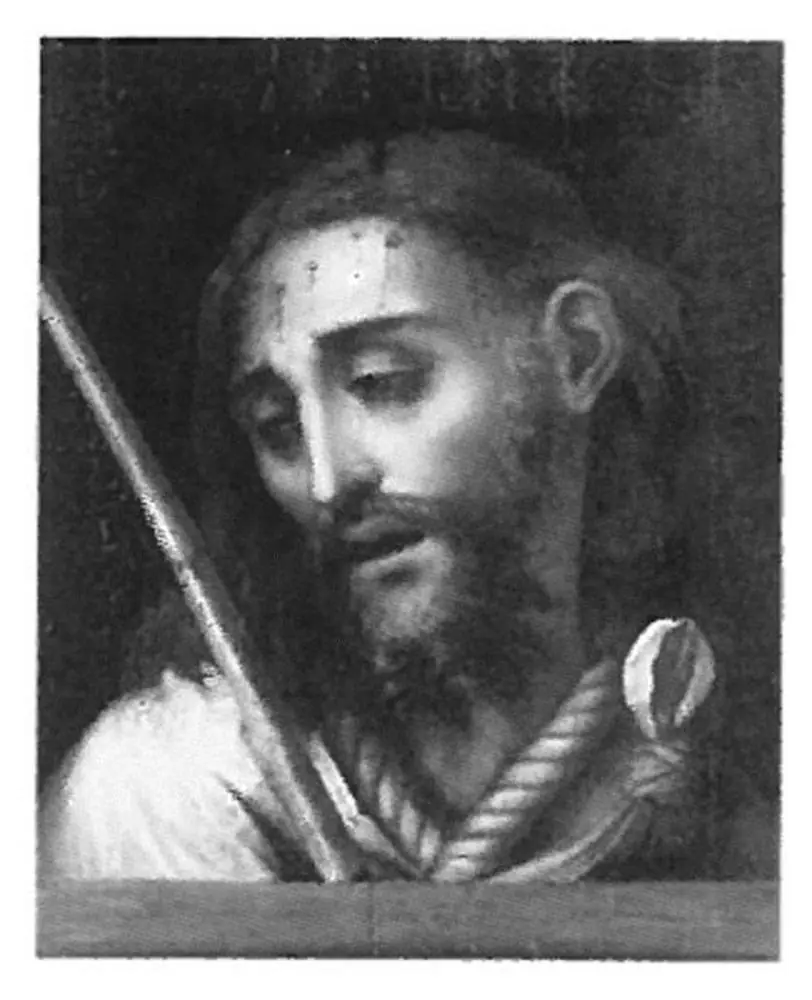
The painting portrays Jesus Christ, specifically in the moment of 'Ecce Homo' (Behold the Man), with a crown of thorns, emphasizing his suffering. The somber expression, framed by dark hair and beard, conveys solemnity. His hands, placed on a ledge, may invite viewer engagement or symbolize resignation.
Technique & Style
Fetti employs strong chiaroscuro, contrasting Jesus' pale robe against a dark, plain background, drawing focus to the central figure. This use of light and shadow is characteristic of the early Baroque style.
History & Provenance
Created in 1612, the work is part of Fetti's output during his activity in major Italian art centers. Its current location is the Alte Pinakothek.
Context
As an early Baroque piece, Ecce Homo reflects the period's emphasis on emotional depth and dramatic lighting, common in religious themes of the time.
Artist & collection
Artist
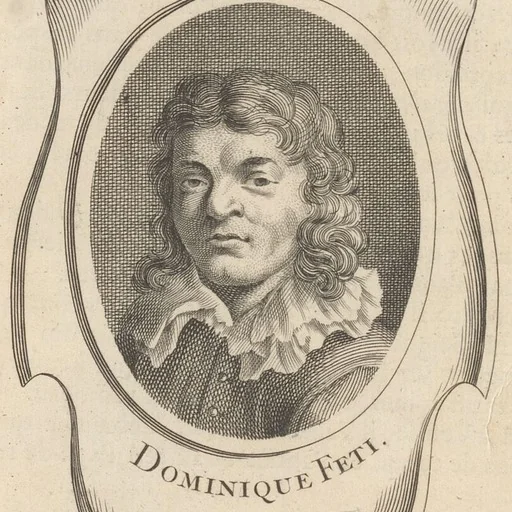
Domenico Fetti (also spelled Feti) (c. 1589 – 16 April 1623) was an Italian Baroque painter who was active mainly in Rome, Mantua and Venice.