Artwork
Ein Apostel (Petrus?)
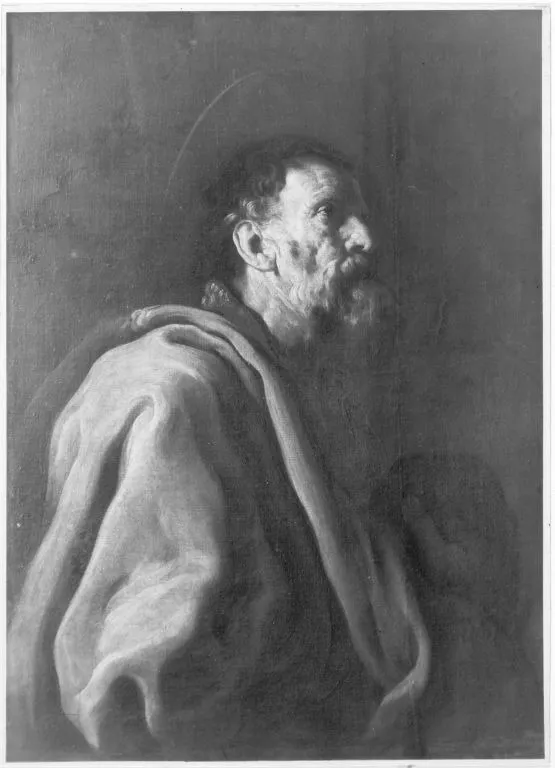
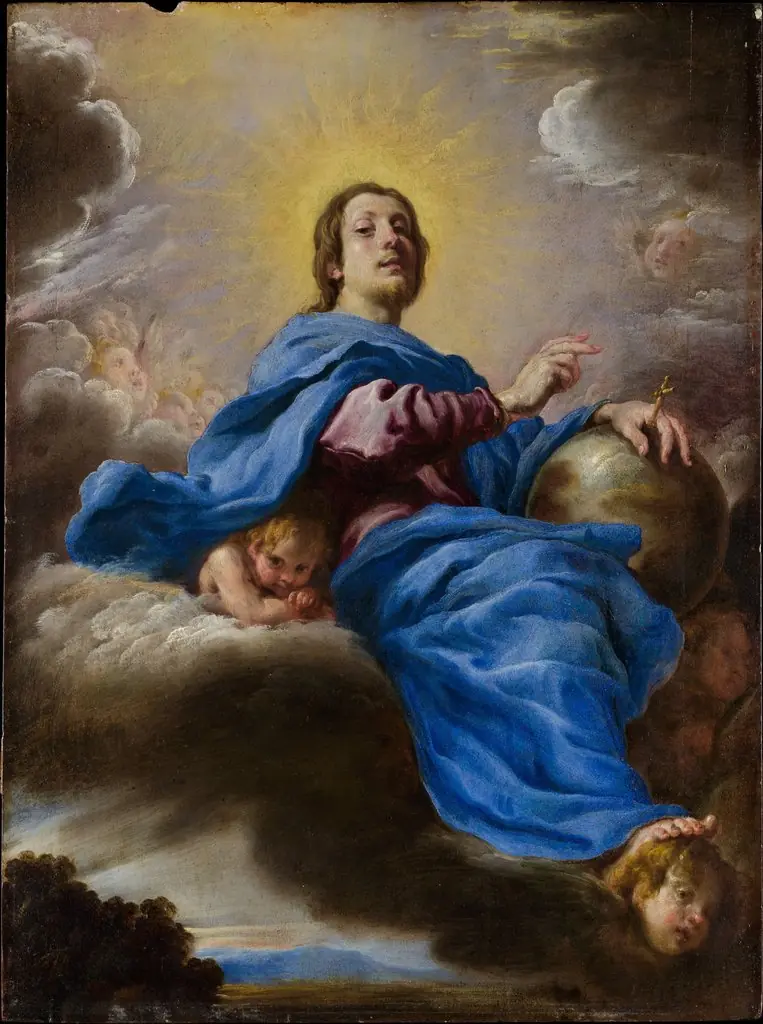
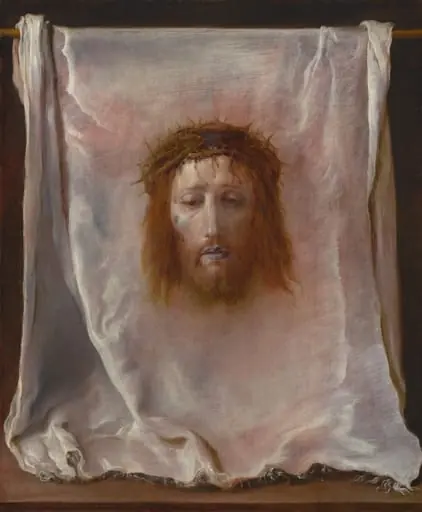
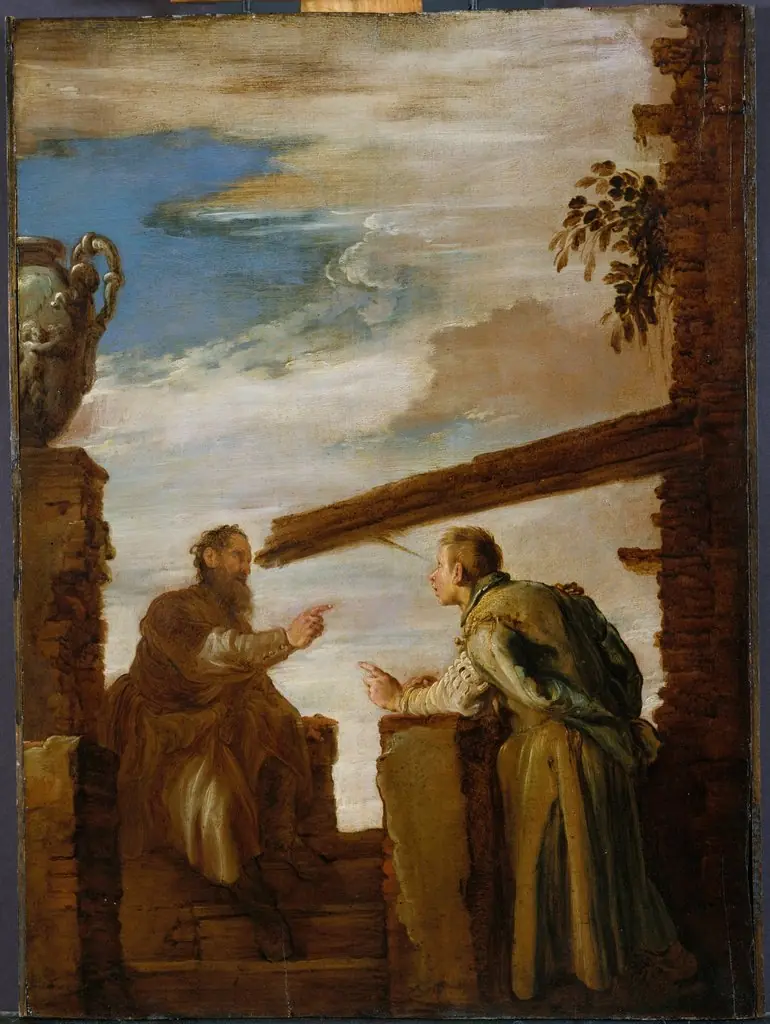
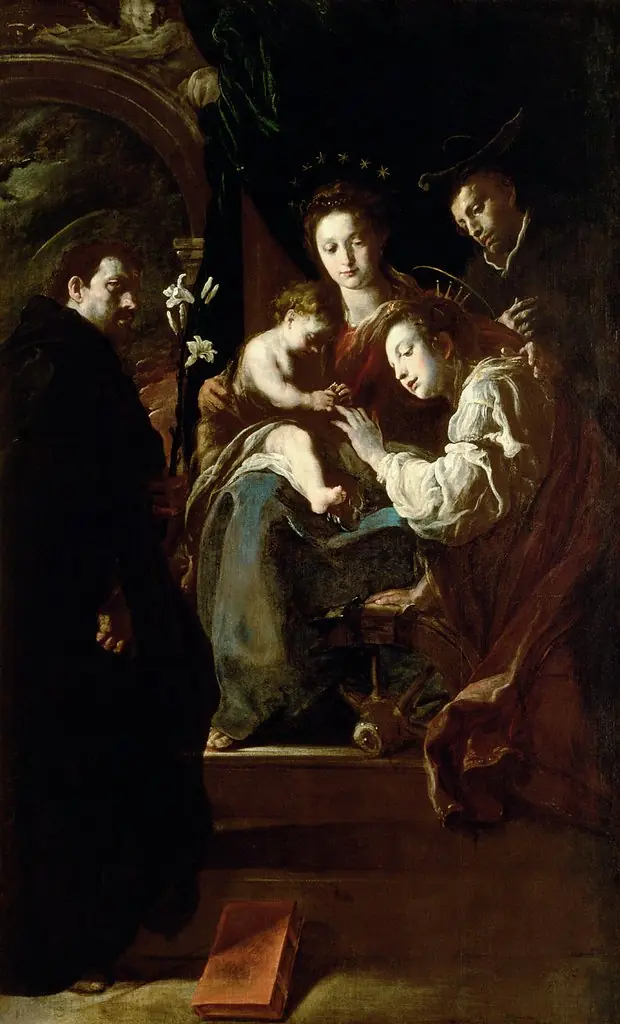
Ein Apostel (Petrus?) is an unspecified painting by the Early Baroque Italian artist Domenico Fetti. It dates from 1606 and is held in the collection of the Bavarian State Painting Collections.
About this work
Overview
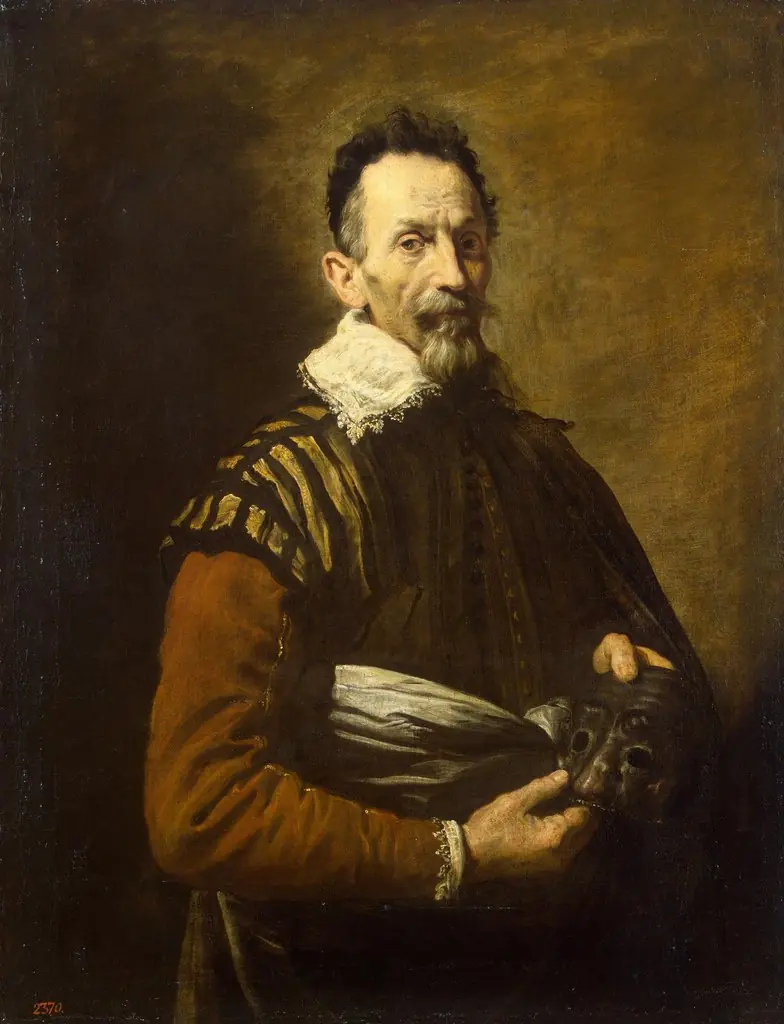
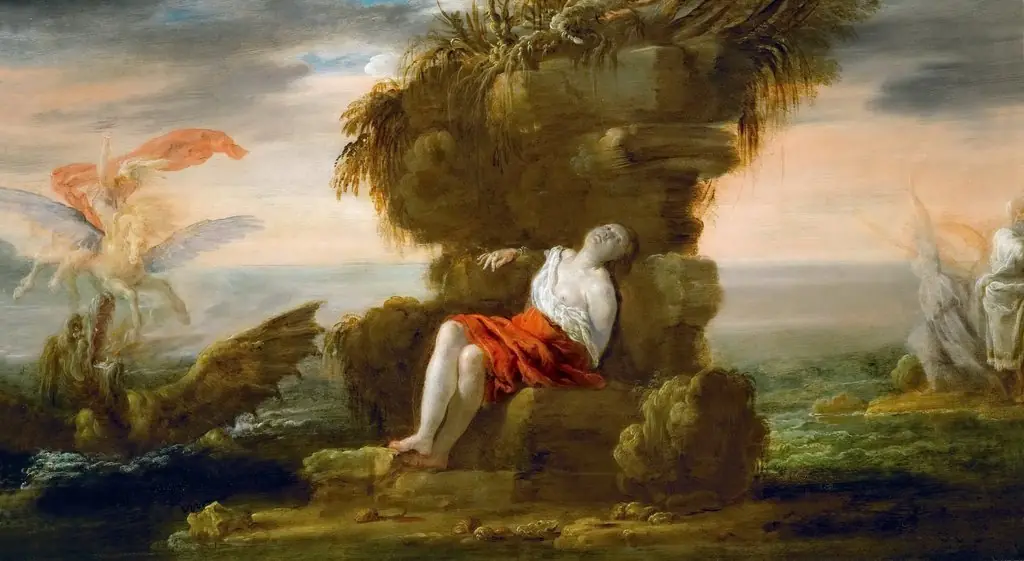
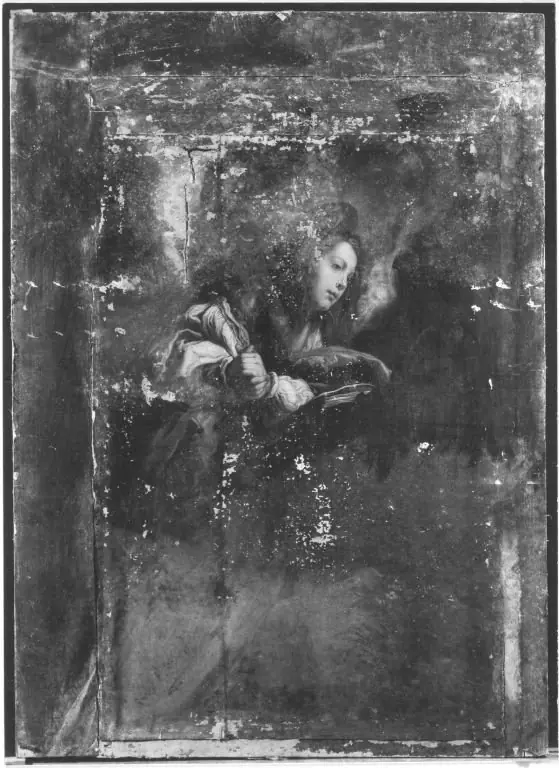
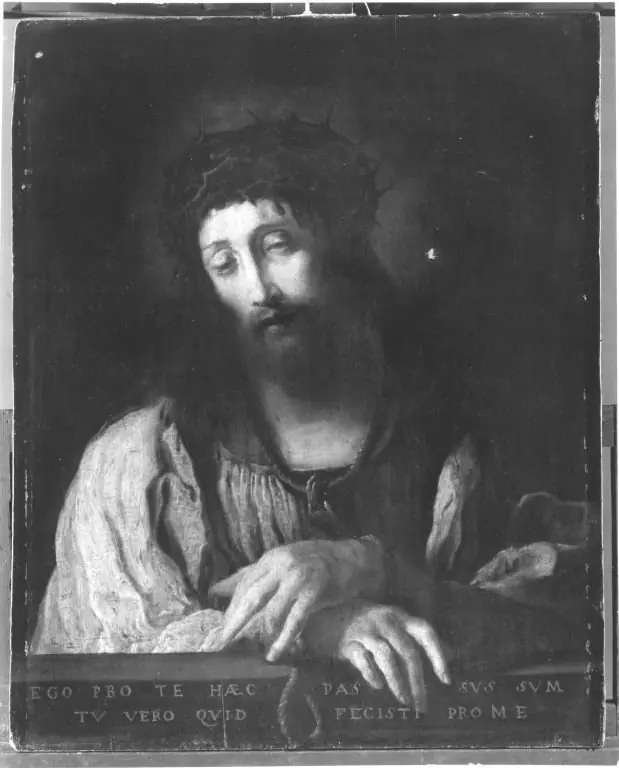
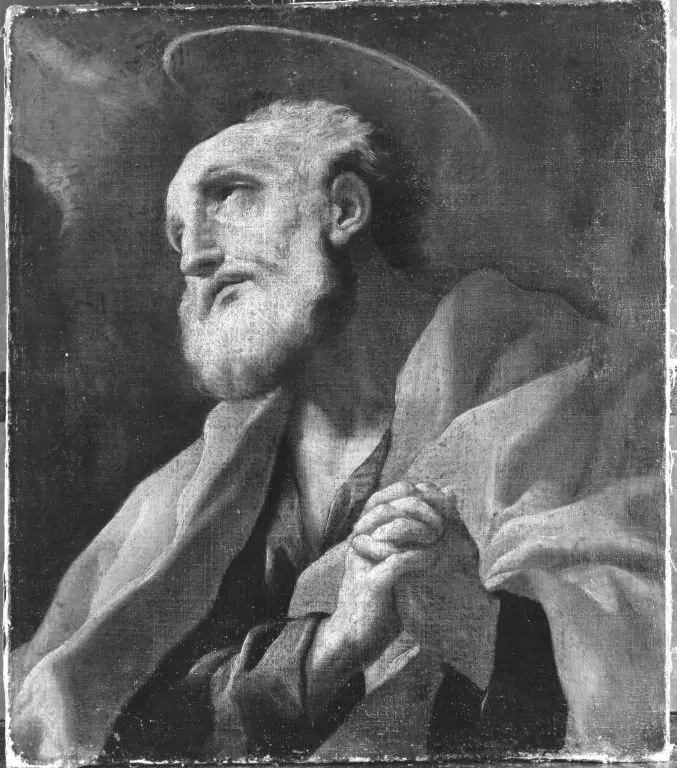
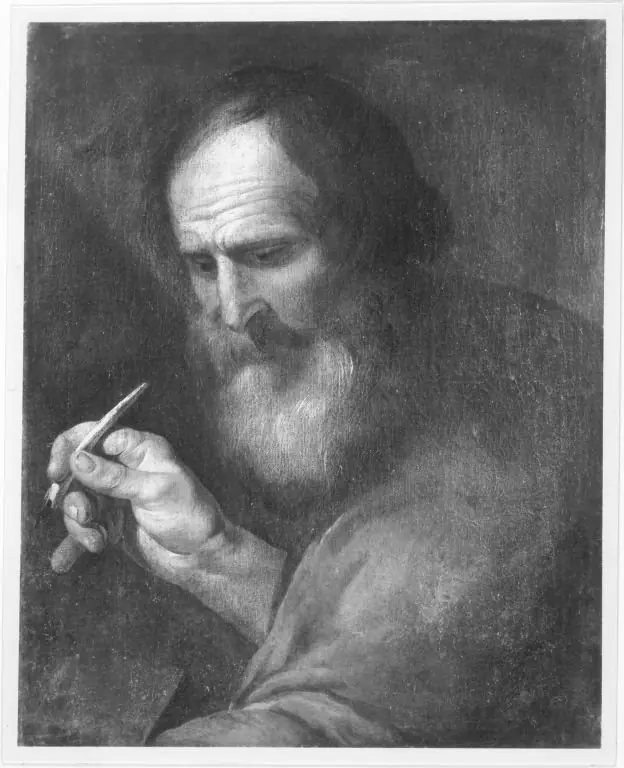
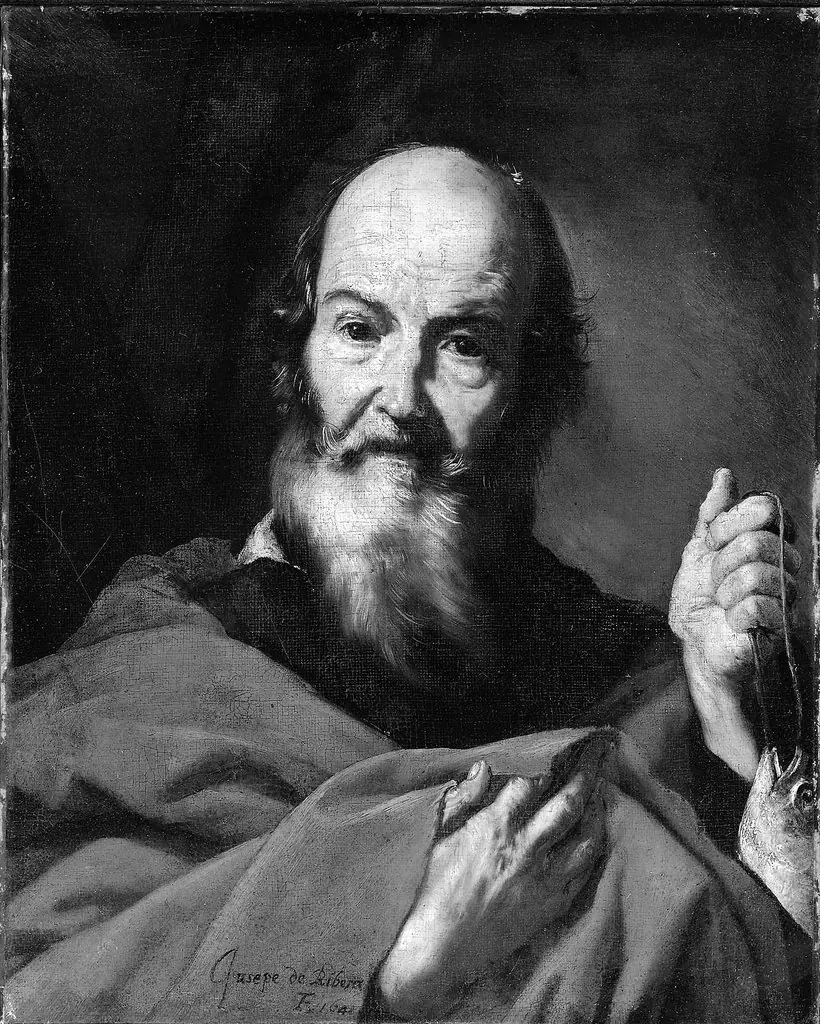
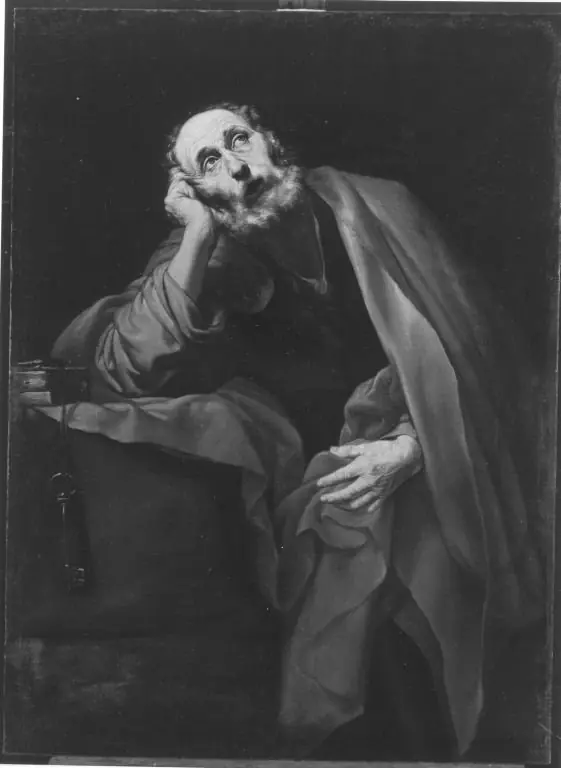
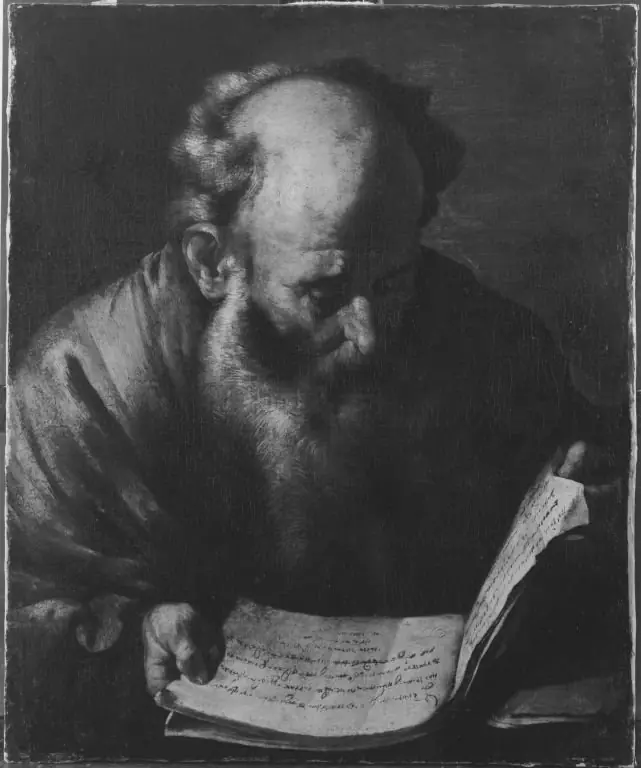
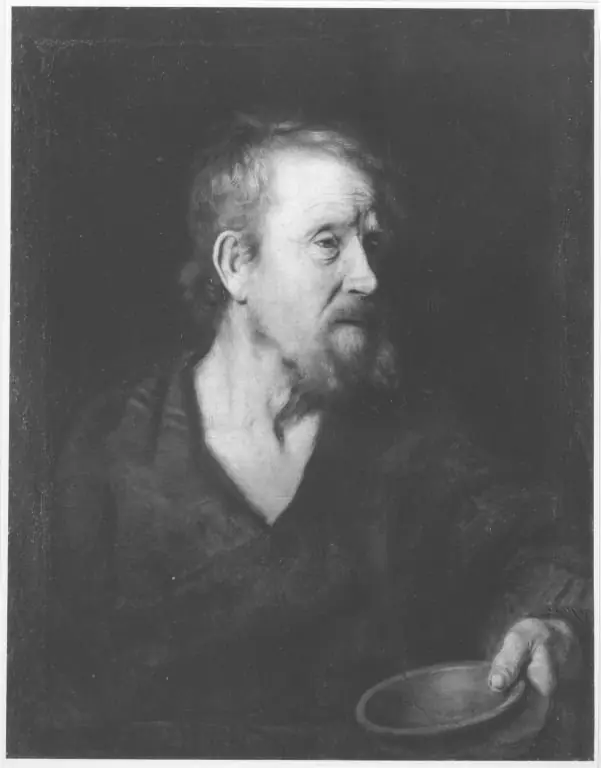
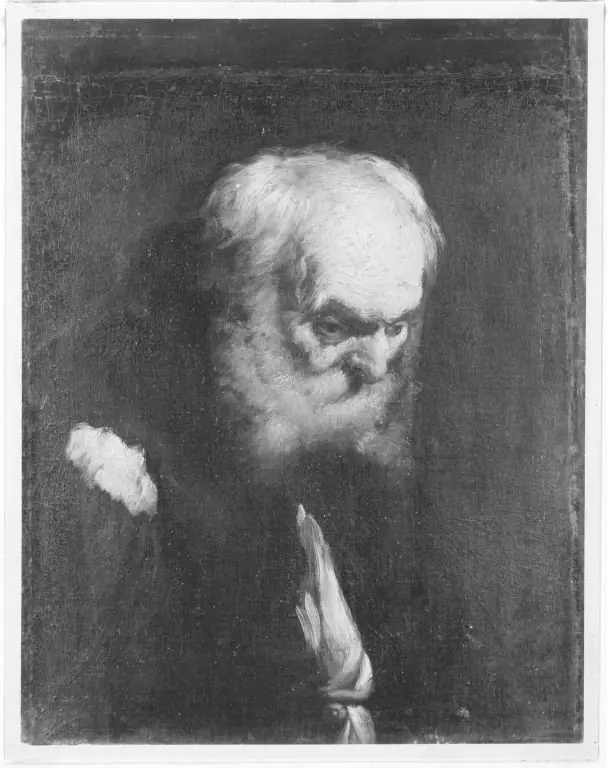
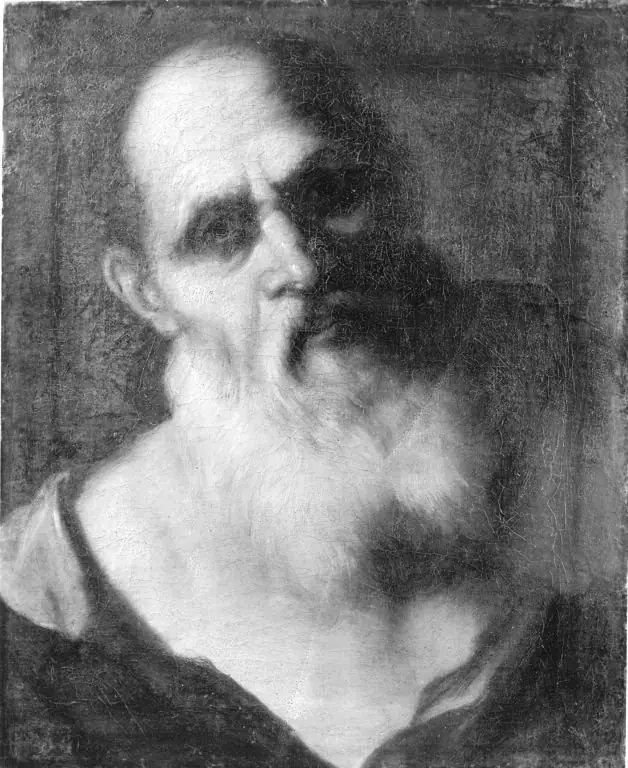
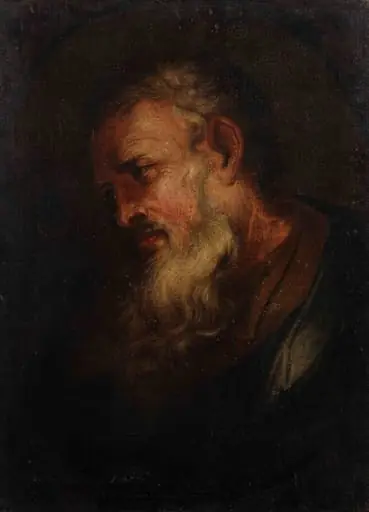
Domenico Fetti’s *Ein Apostel (Petrus?)* is an early‑Baroque oil painting dated 1606. Executed while the artist was active in Rome, Mantua and Venice, the work now belongs to the collection of the Alte Pinakothek. The canvas presents a solitary, bearded figure traditionally identified as the apostle Peter, set against a dark background that isolates the subject.
Subject & Meaning
The central figure is rendered in profile, his long white beard and hair framing a contemplative expression. A halo hovers above his head, signalling sanctity, while his gaze is directed downward, suggesting introspection or prayer. The draped robe and cloak convey the attire commonly associated with early‑Christian saints.
Technique & Style
Fetti employs pronounced chiaroscuro, allowing the illuminated face and halo to emerge from the surrounding gloom. Thick brushwork, characteristic of his impasto approach, adds texture to the fabric and beard, enhancing the three‑dimensional quality of the figure. The restrained palette and dramatic lighting reflect the emerging Baroque sensibility.
History & Provenance
Created in 1606, the painting entered the Alte Pinakothek’s holdings at an unspecified later date, becoming part of the museum’s Baroque collection. Its attribution to Fetti rests on stylistic parallels with his other religious works from the same period.
Context
The work belongs to a broader series of devotional images produced during the Counter‑Reformation, when artists emphasized clear, emotionally resonant depictions of saints. Fetti’s focus on a single apostle aligns with contemporary efforts to provide models of piety for the faithful.
Artist & collection
Artist
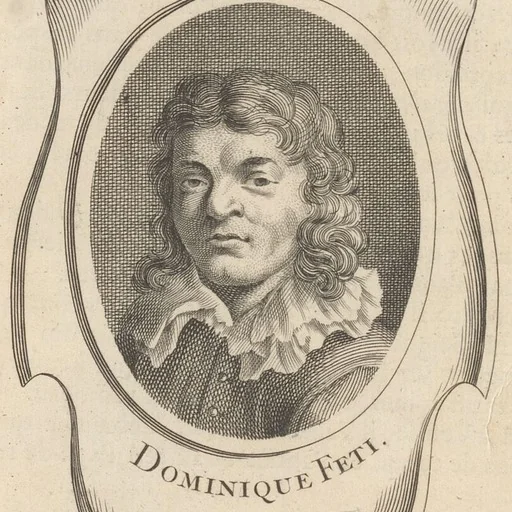
Domenico Fetti (also spelled Feti) (c. 1589 – 16 April 1623) was an Italian Baroque painter who was active mainly in Rome, Mantua and Venice.