Artwork
The Virgin and Child
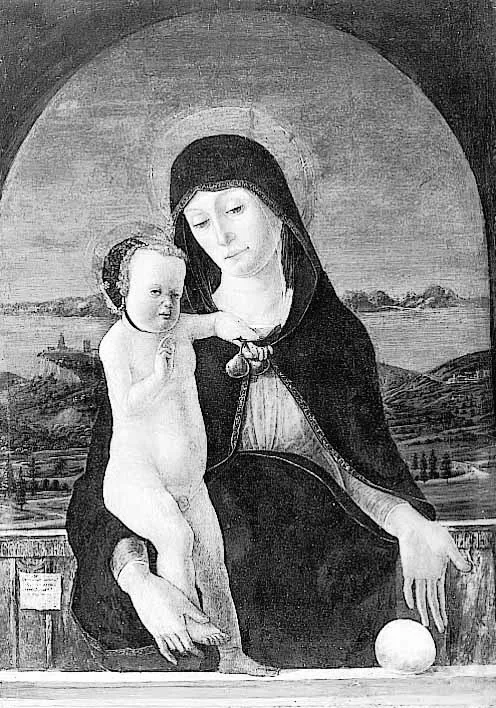
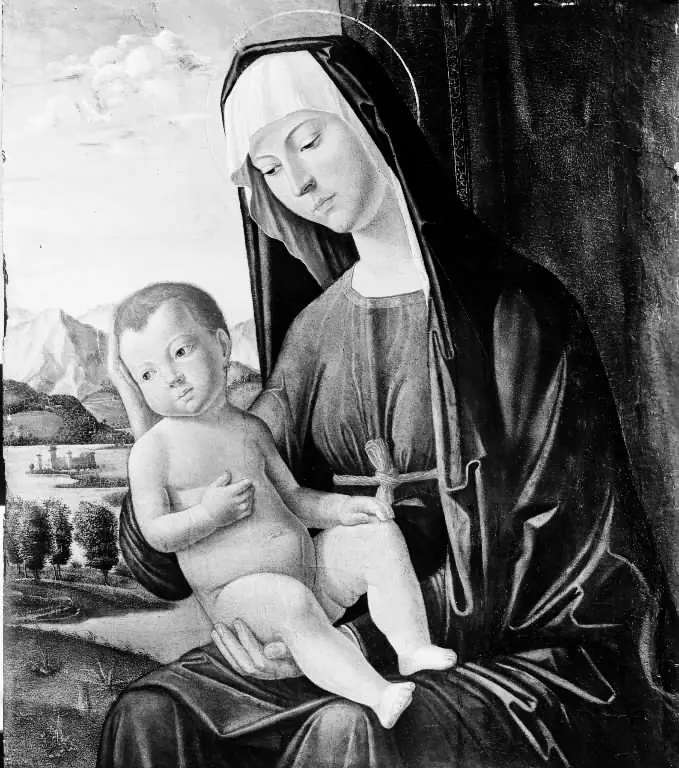
The Virgin and Child is a paint painting by the Early Renaissance artist Domenico Morone. It dates from 1492 and is held in the collection of the Gemäldegalerie Berlin.
About this work
Overview
The Virgin and Child, a painting from 1492, is a work of the early Renaissance created by Domenico Morone, a Veronese painter. It features Mary holding the infant Jesus, now housed in the Gemäldegalerie Berlin.
Subject & Meaning
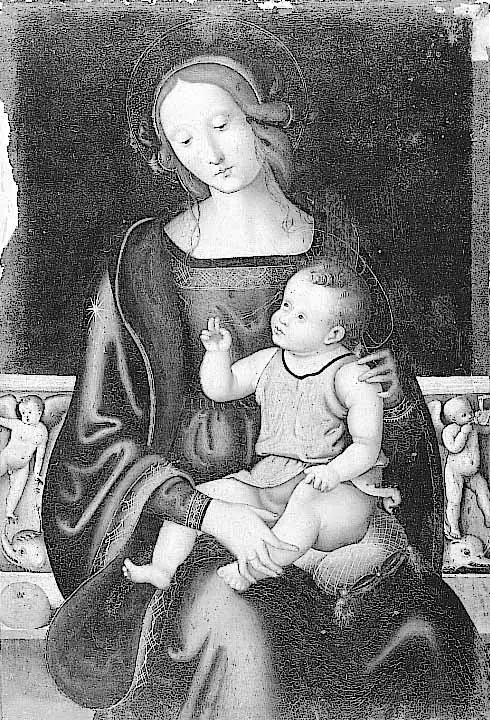
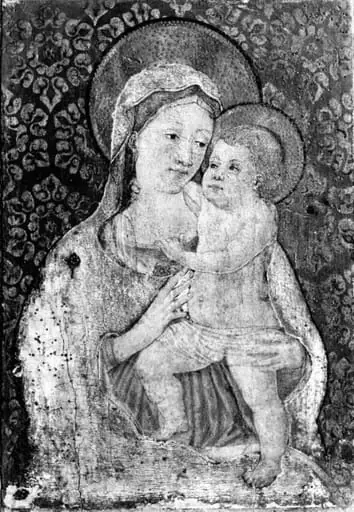
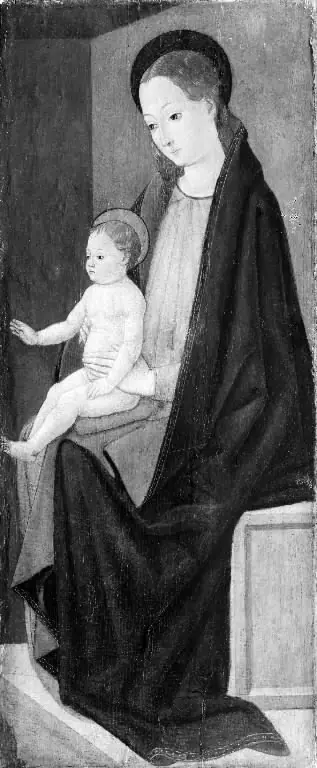
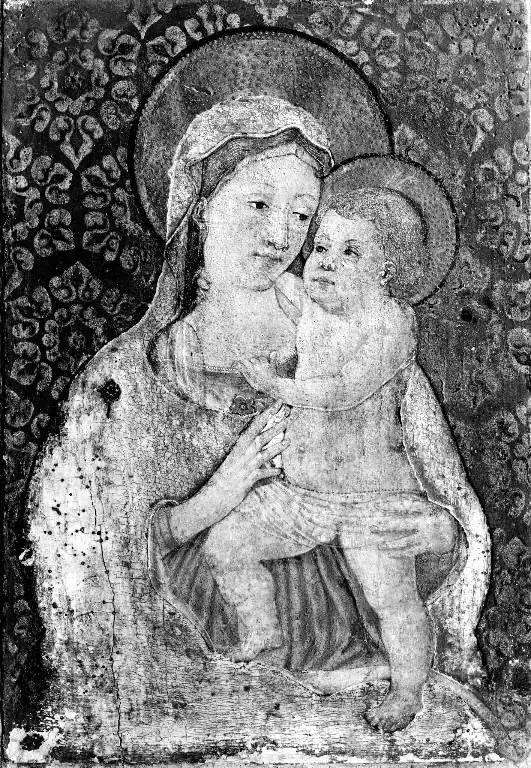
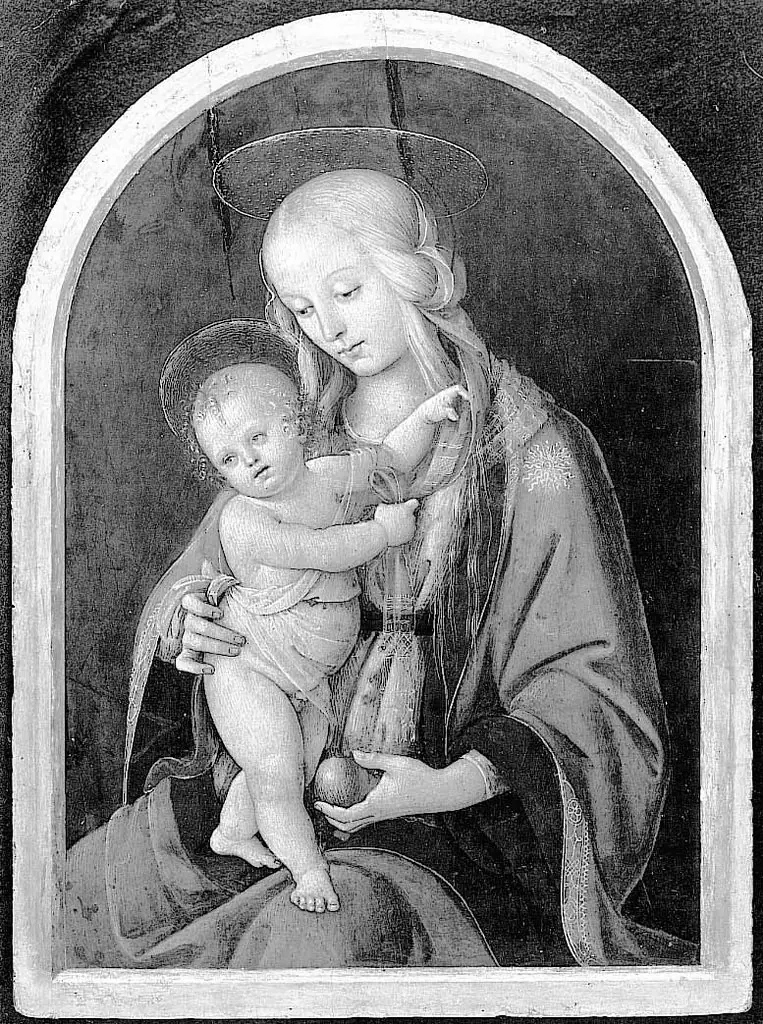
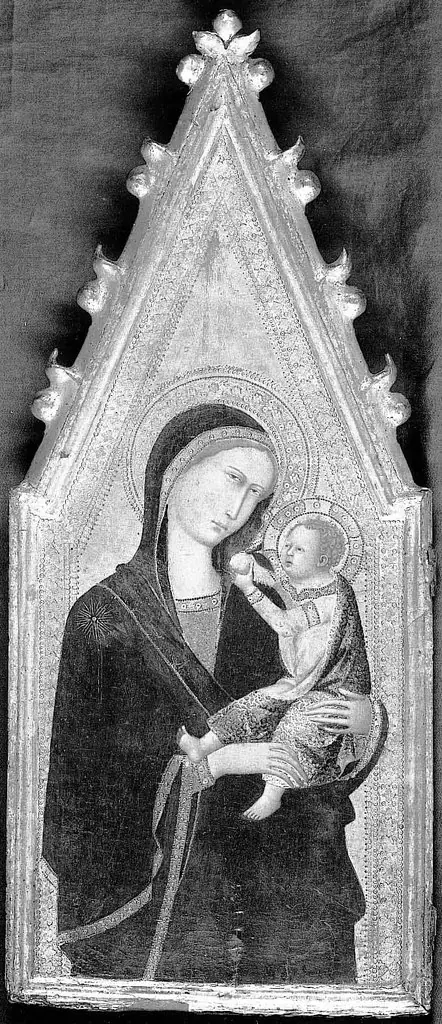
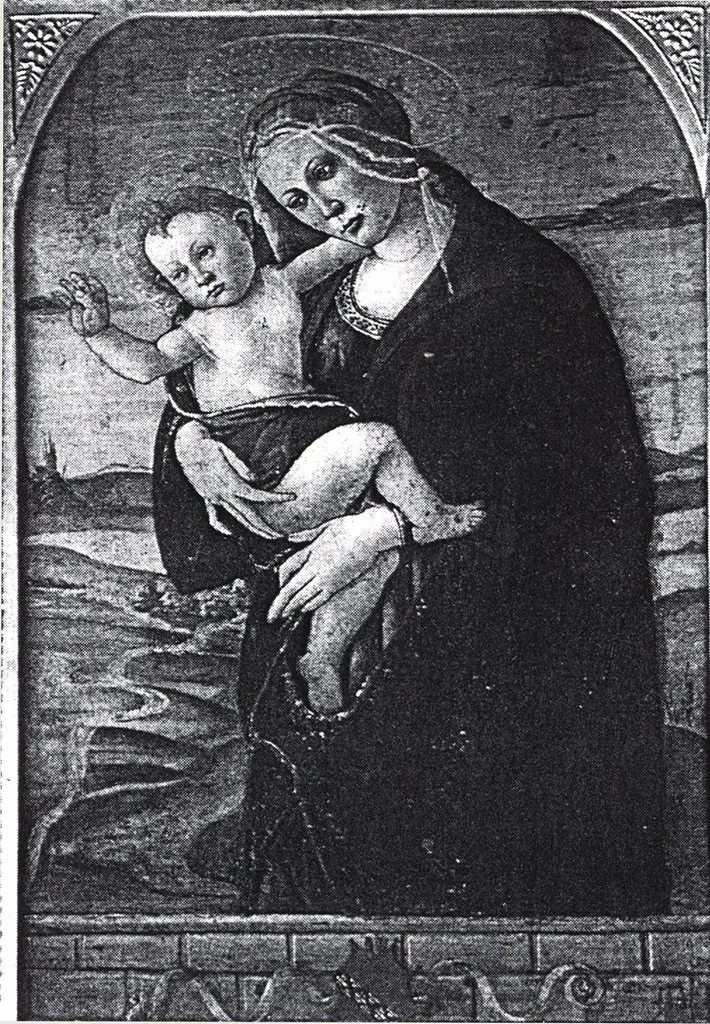
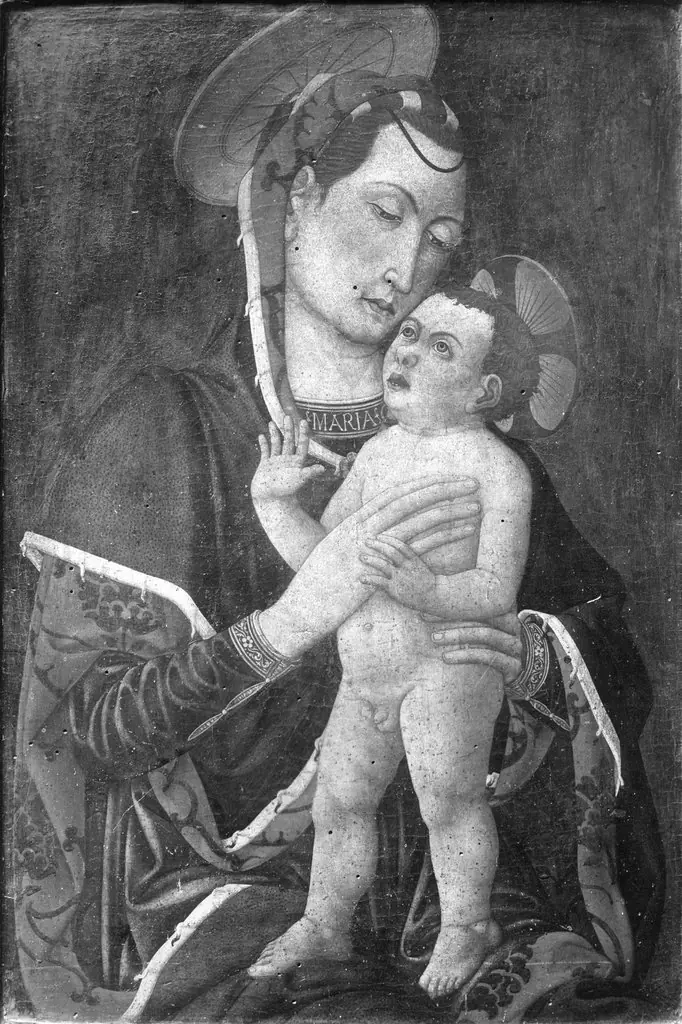
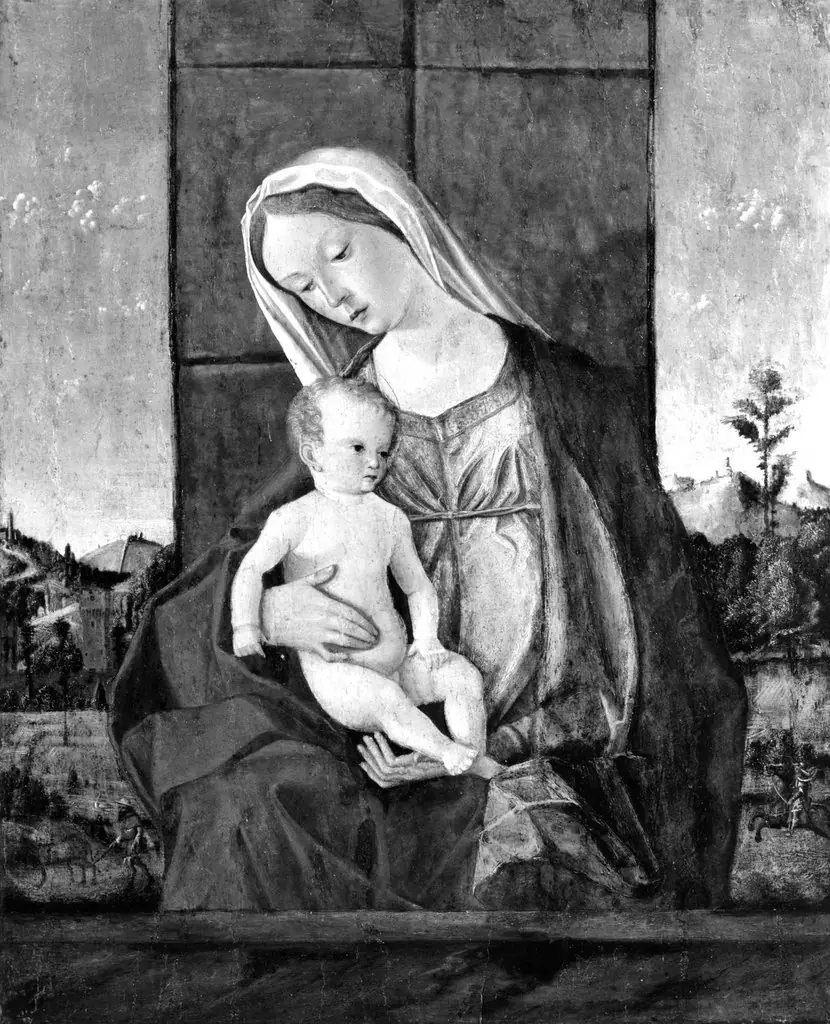
The painting represents a serene depiction of the Virgin Mary cradling the Christ Child, conveying maternal tenderness through the gentle touch of her fingers on the baby’s chest. The composition emphasizes tranquility, with Mary dressed in somber attire and the baby nude.
Technique & Style
Characterized by the early Renaissance style, the work showcases a simple, distant landscape as a backdrop, with a focus on the central figures. The use of light and shadow, hinted at by the smooth rendering of the baby’s skin, suggests an early exploration of depth techniques.
History & Provenance
Created in 1492 by Domenico Morone (c. 1442–1518), a member of the Veronese school trained under Francesco B, the painting is now part of the Gemäldegalerie Berlin’s collection. Morone’s influence extended through his pupils, including Michele da Verona and Girolamo dai Libri.
Context
The painting reflects the artistic and religious sentiments of the early Renaissance, blending traditional religious themes with emerging stylistic elements. The serene landscape behind the figures hints at the period’s growing interest in natural settings.
Legacy
While specific direct influences of *The Virgin and Child* on later works are not highlighted, Morone’s contribution to the Veronese school and his training of subsequent regional painters underscore his role in the early Renaissance’s artistic lineage.
Artist & collection
Artist
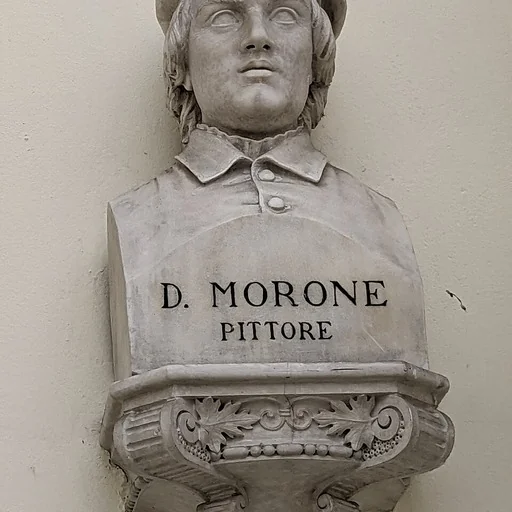
Domenico Morone (c. 1442 – 1518) was an Italian painter from Verona, painting in an early Renaissance style. Much of his work has not survived, notably his fresco cycles. He was considered by Vasari to be second only to…