Artwork
Flora
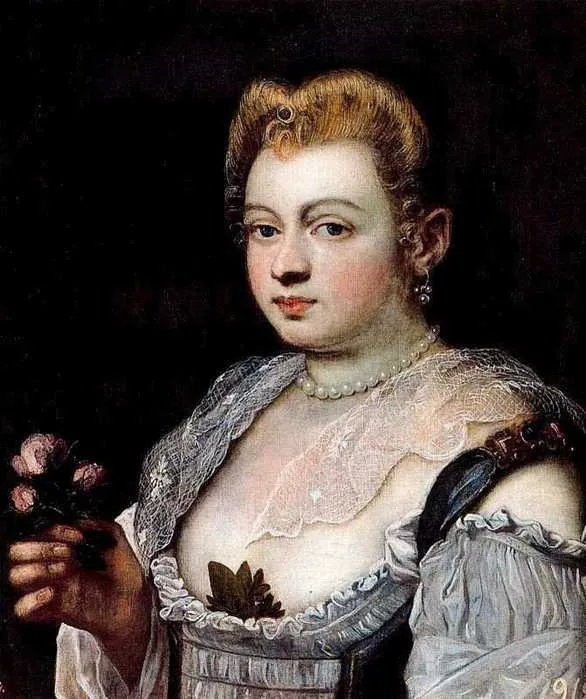
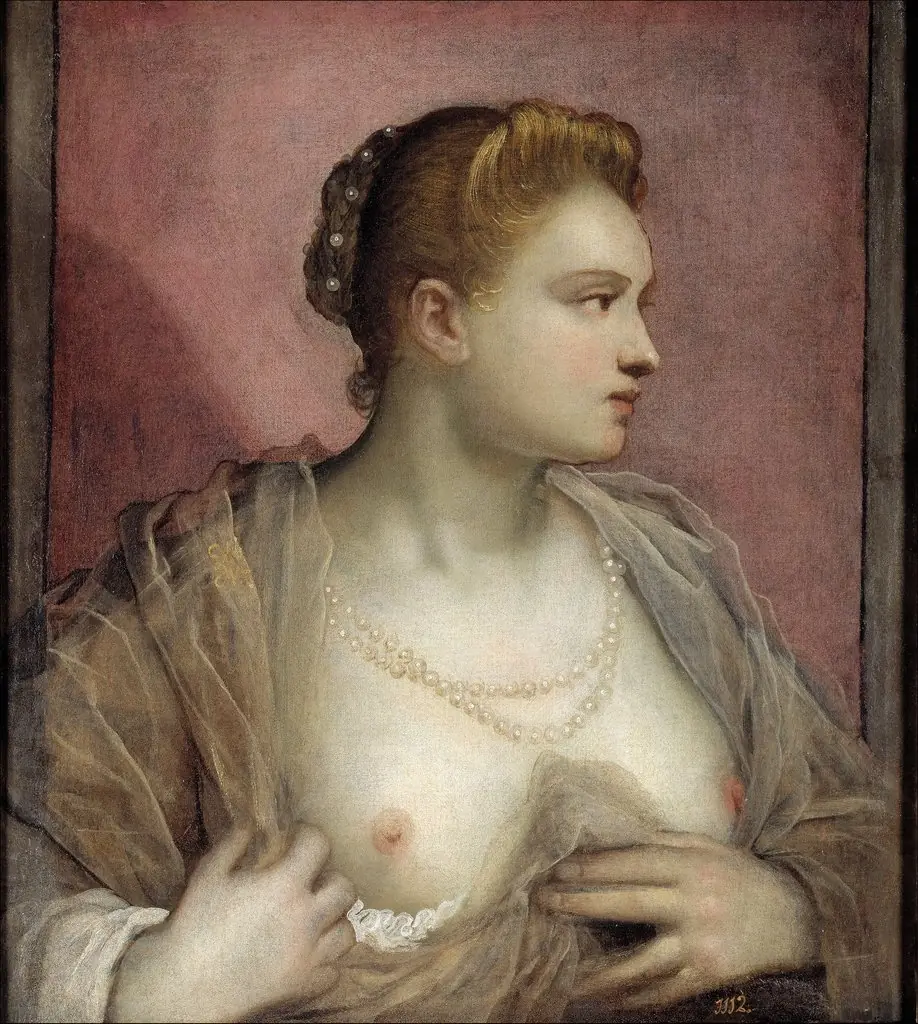
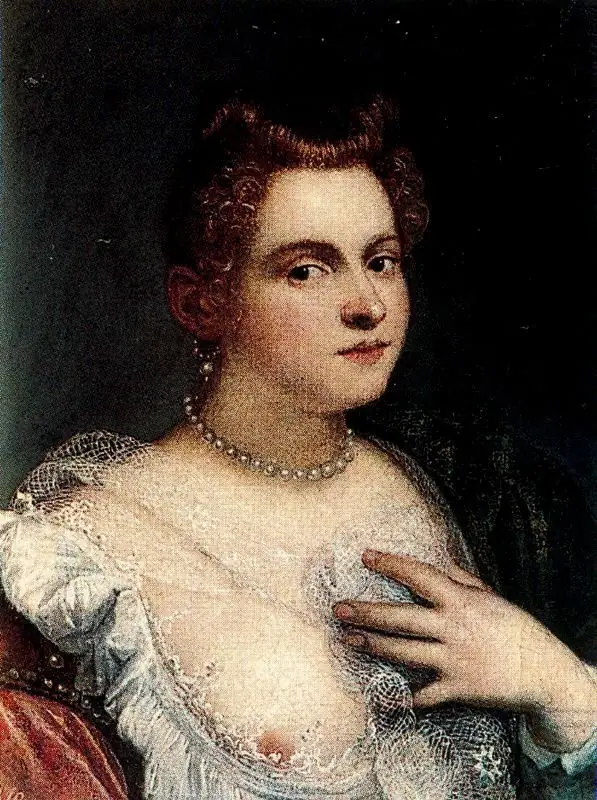
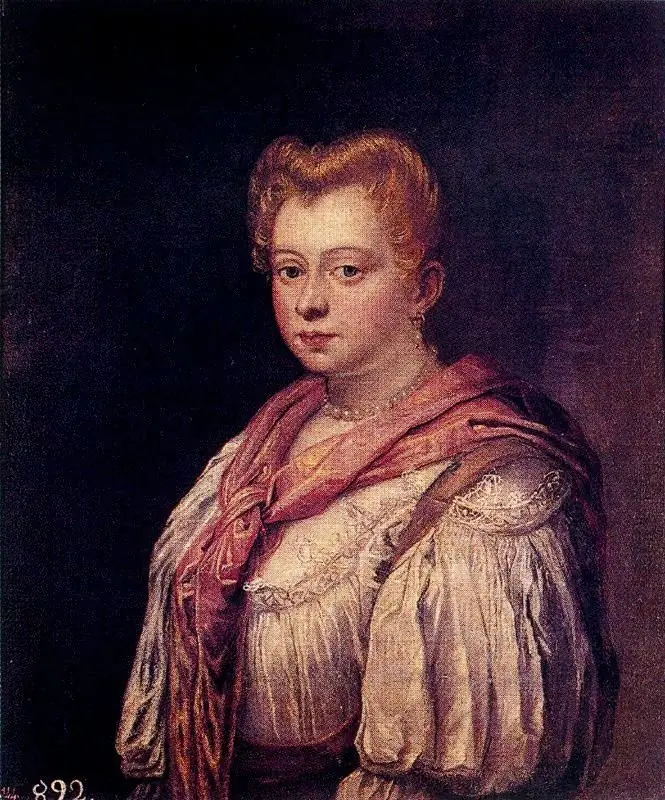
Flora is an oil painting by the Mannerist artist Domenico Tintoretto. It dates from 1596 and is held in the collection of the Museo del Prado.
About this work
Overview
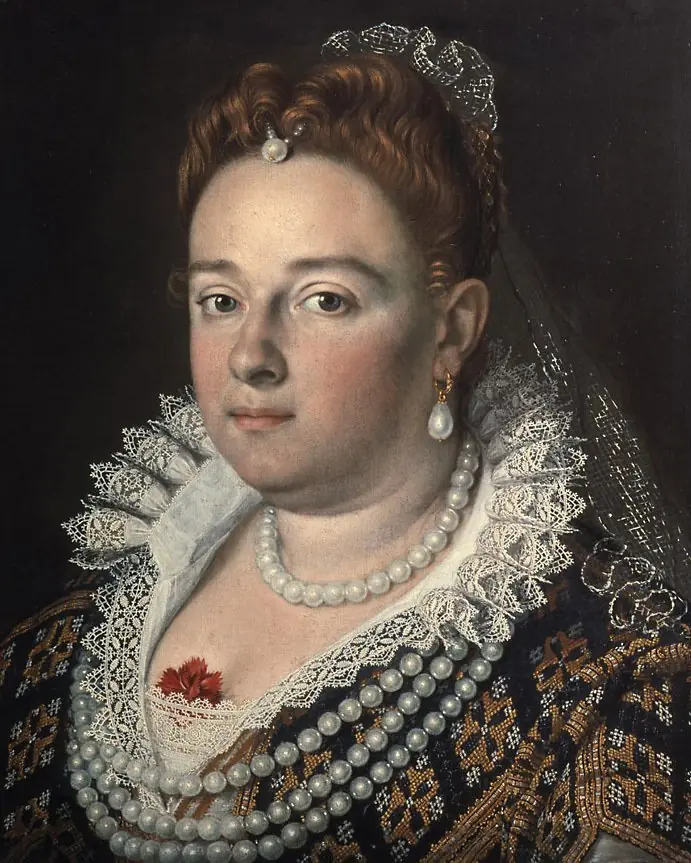
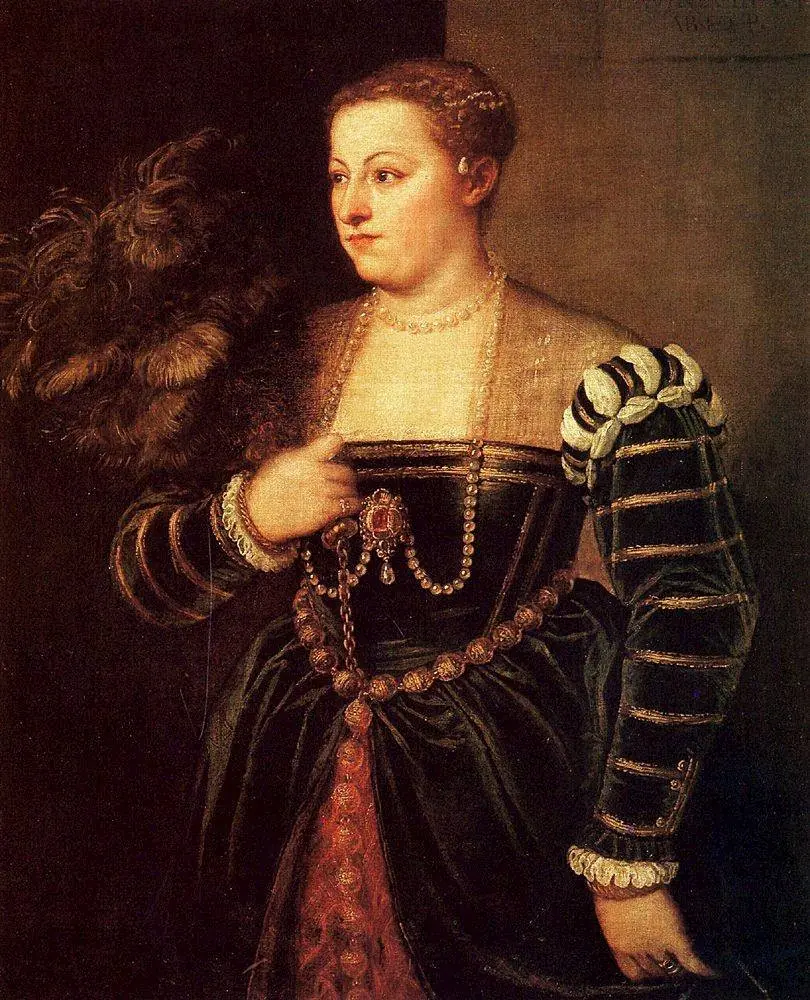
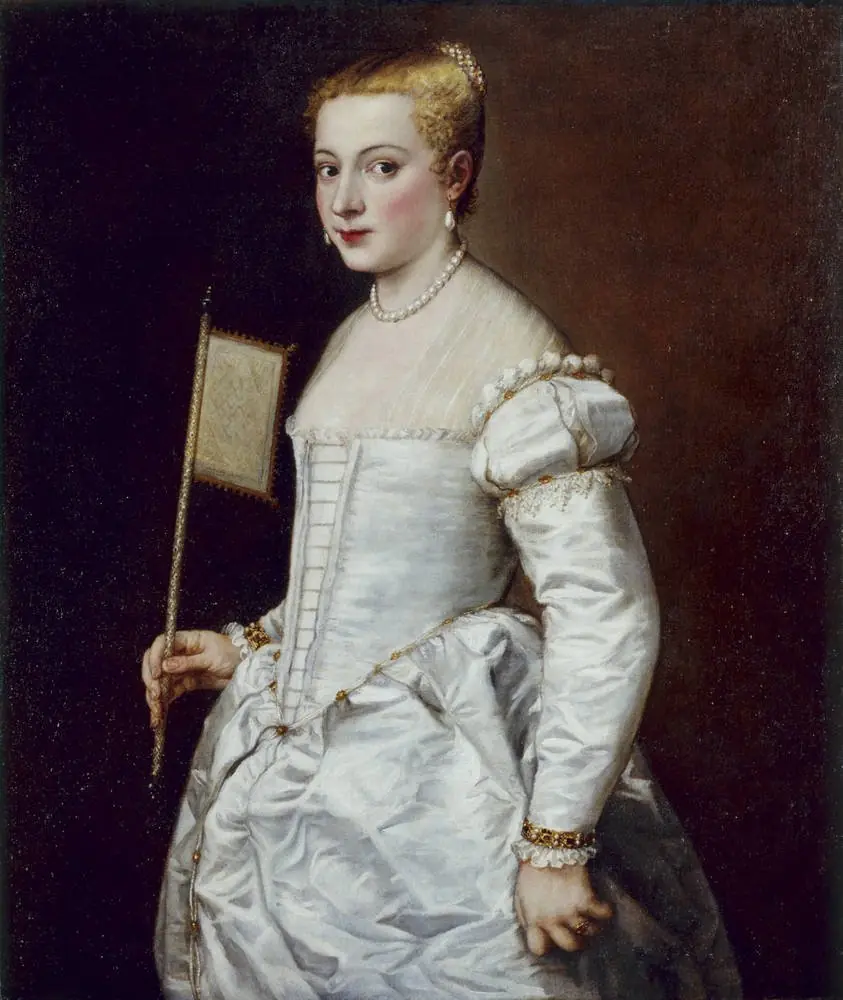
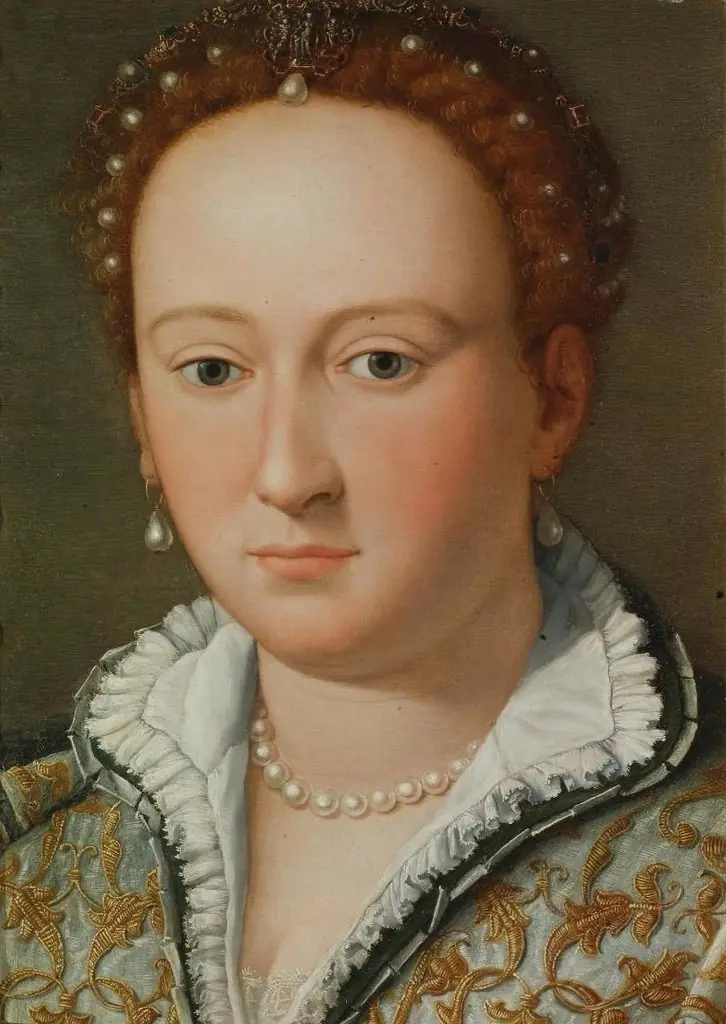
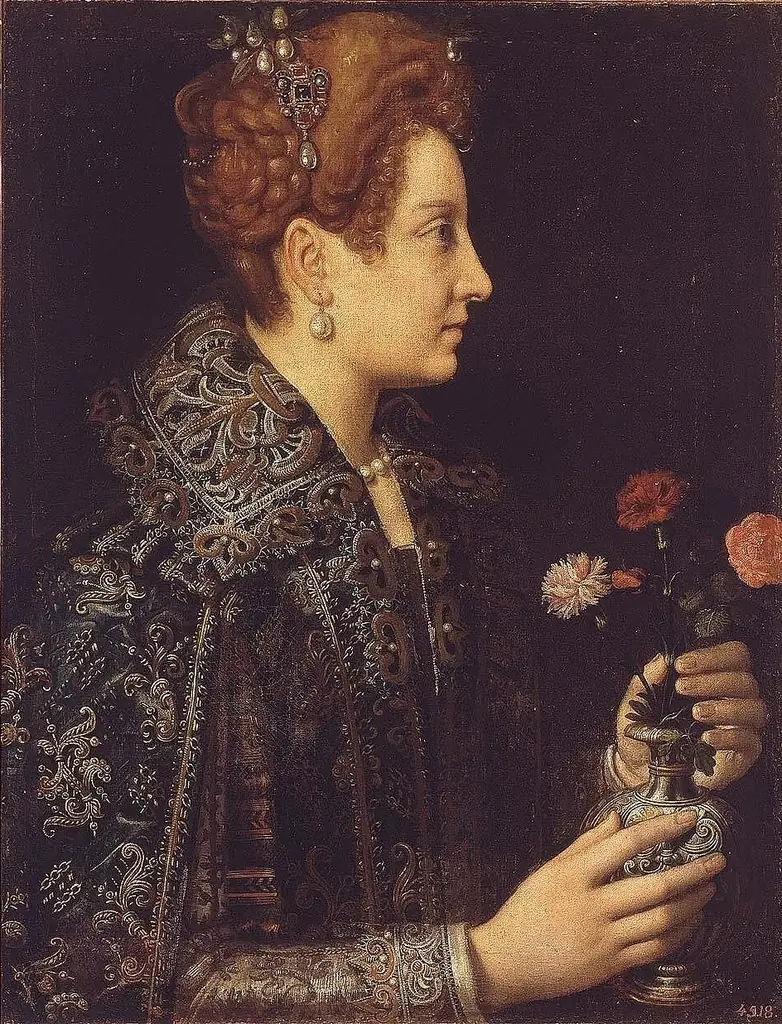
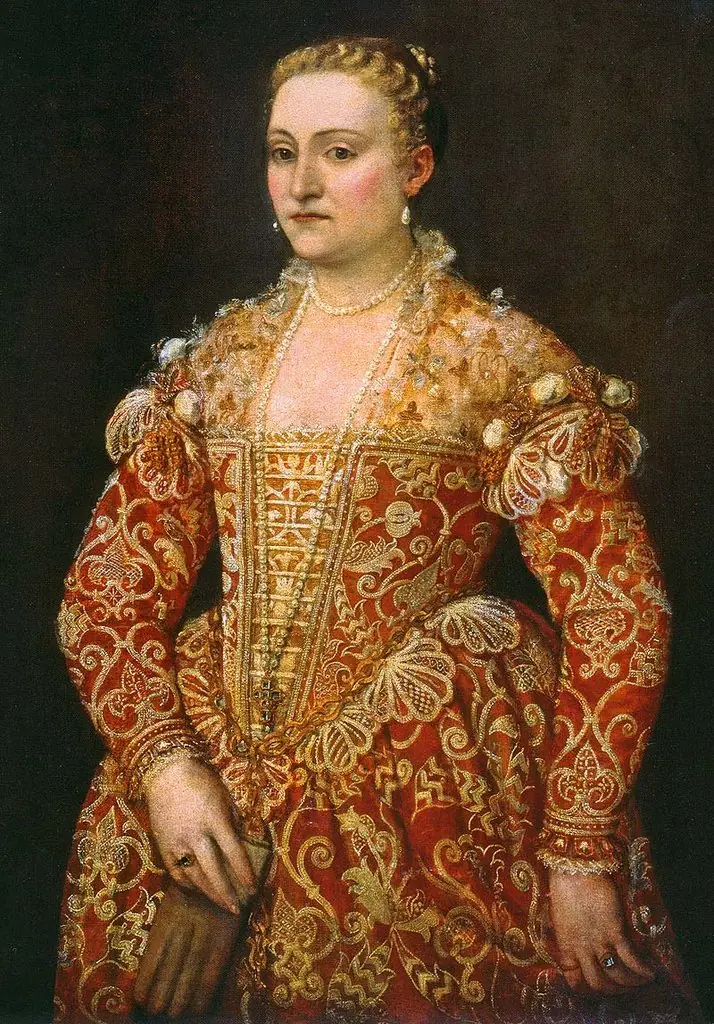
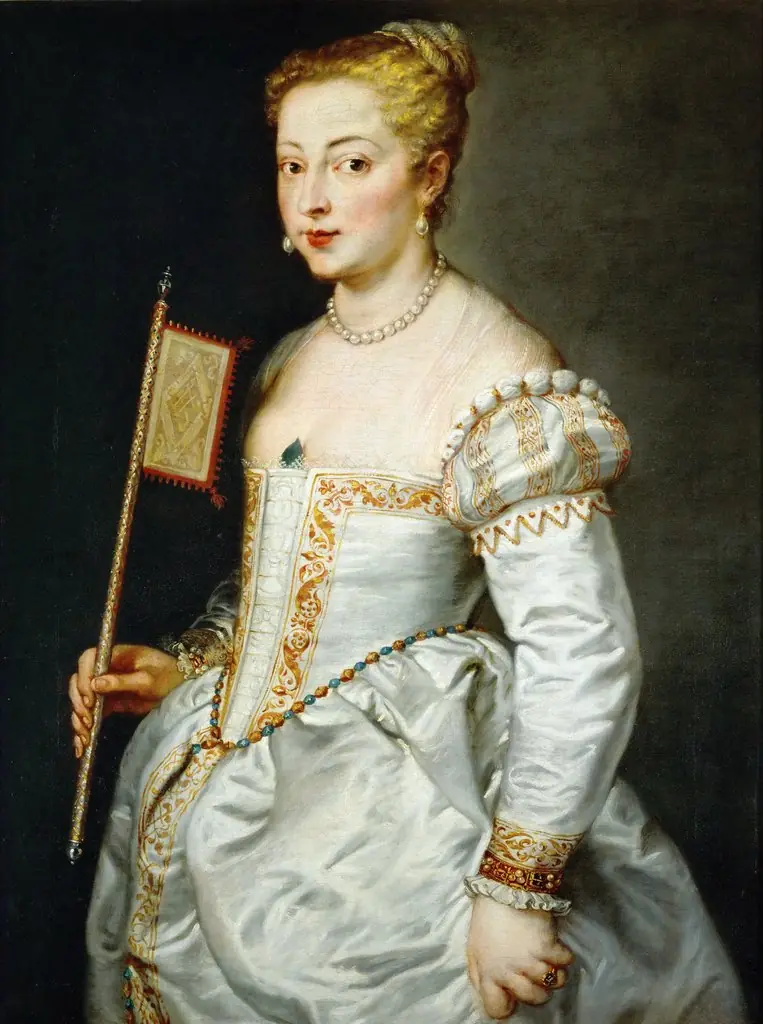
Domenico Tintoretto’s 1596 oil painting Flora presents a solitary female figure against a dark backdrop. She is dressed in a low‑cut white gown trimmed with lace, a gray fur collar, and a modest pearl necklace, while her hair is gathered aloft. In her hands she holds a modest bouquet of rose‑like blossoms, and a single green leaf adorns her dress.
Subject & Meaning
The work draws on the classical personification of Flora, the Roman goddess of flowers and spring, emphasizing themes of fertility and renewal. The restrained composition—one figure, minimal setting—focuses attention on the delicate interaction between the woman and the blossoms, suggesting an intimate, contemplative moment rather than a narrative scene.
Technique & Style
Tintoretto employs pronounced chiaroscuro, using a soft, localized light to illuminate the model’s face and hands while the surrounding space recedes into deep shadow. This contrast heightens the three‑dimensionality of the figure and creates a dramatic visual separation between the luminous flesh and the somber background, a hallmark of late‑Renaissance Venetian painting.
History & Provenance
Completed in 1596, Flora entered the collection of the Museo del Prado, where it remains on display. The painting’s attribution to Domenico Tintoretto, son of the renowned Jacopo Tintoretto, reflects the younger artist’s continuation of his father’s dramatic lighting techniques while developing his own nuanced approach to mythological subjects.
Artist & collection

Artist
Domenico Robusti, also known as Domenico Tintoretto, was an Italian painter from Venice. He grew up under the tutelage of his father, the renowned painter Jacopo Tintoretto.