Artwork
The Annunciation
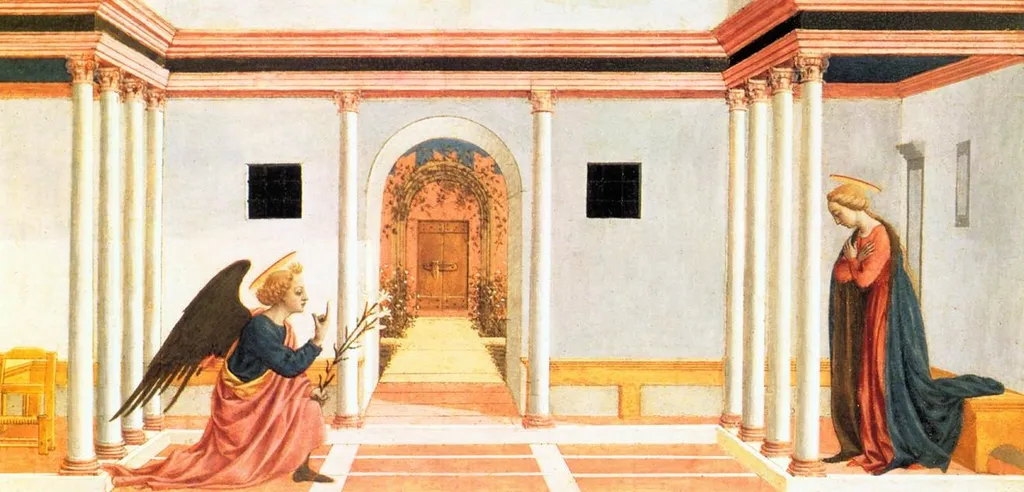
The Annunciation is a tempera painting by the Early Renaissance artist Domenico Veneziano. It dates from 1445 and is held in the collection of the Fitzwilliam Museum.
About this work
Overview
Domenico Veneziano’s tempera work titled *The Annunciation* dates from 1445 and is part of the collection at the Fitzwilliam Museum. The composition presents a modest interior with white walls, columns, and a tiled floor of red and white squares, through which a doorway opens onto a garden scene.
Subject & Meaning
The painting depicts the biblical moment when the Archangel Gabriel announces to the Virgin Mary that she will bear the Christ child. Gabriel, shown kneeling with a halo and black wings, holds a branch as a symbolic gesture, while Mary, dressed in a red gown beneath a blue cloak, clasps her hands in a posture of reverent acceptance.
Technique & Style
Executed in tempera, the work demonstrates the luminous color palette characteristic of mid‑15th‑century Italian painting. The artist employs a clear, linear perspective to render the interior space, and the delicate rendering of fabrics and the subtle modeling of faces reflect the influence of contemporary Florentine aesthetics.
History & Provenance
Created in 1445, the panel entered the Fitzwilliam Museum’s holdings in the 20th century, where it remains on display. Its provenance prior to acquisition is not extensively documented, but the work is recognized as an early example of Domenico Veneziano’s mature style.
Context
The Annunciation was a frequent subject for devotional art in the Italian Renaissance, allowing painters to explore themes of divine intervention and human humility. Domenico’s treatment aligns with the period’s interest in naturalistic space and the integration of architectural elements to frame sacred narratives.
Artist & collection


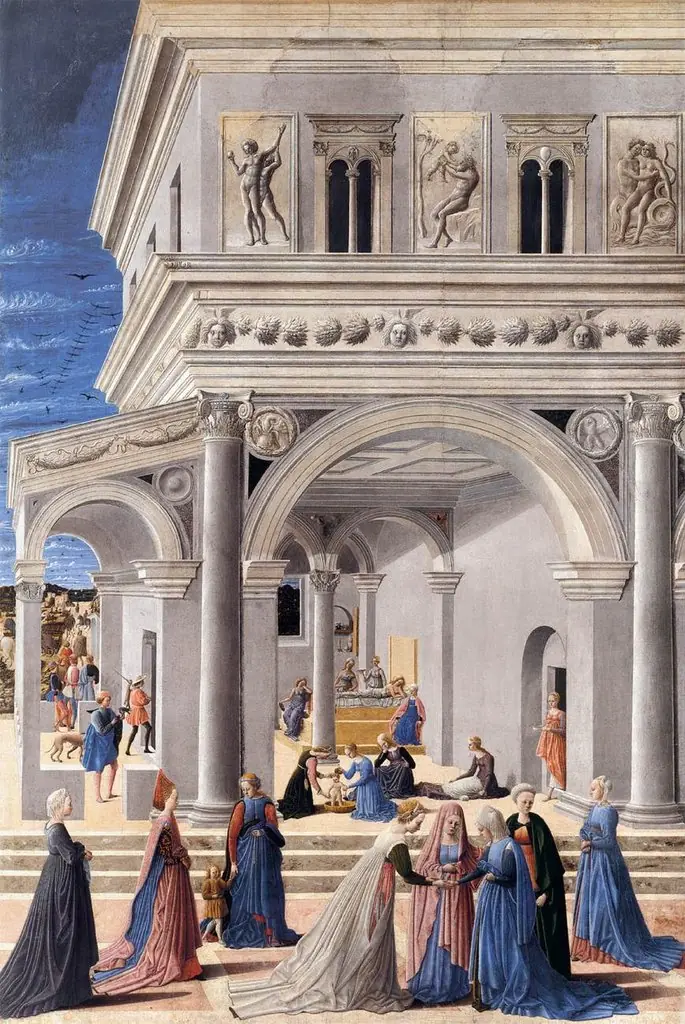 The Birth of the Virgin
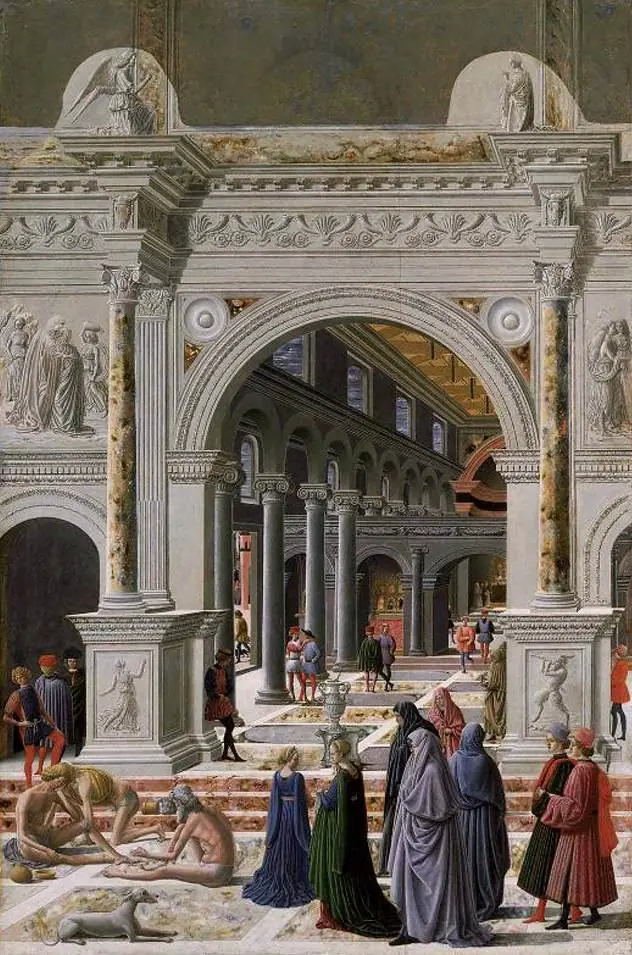 The Presentation of the Virgin in the Temple
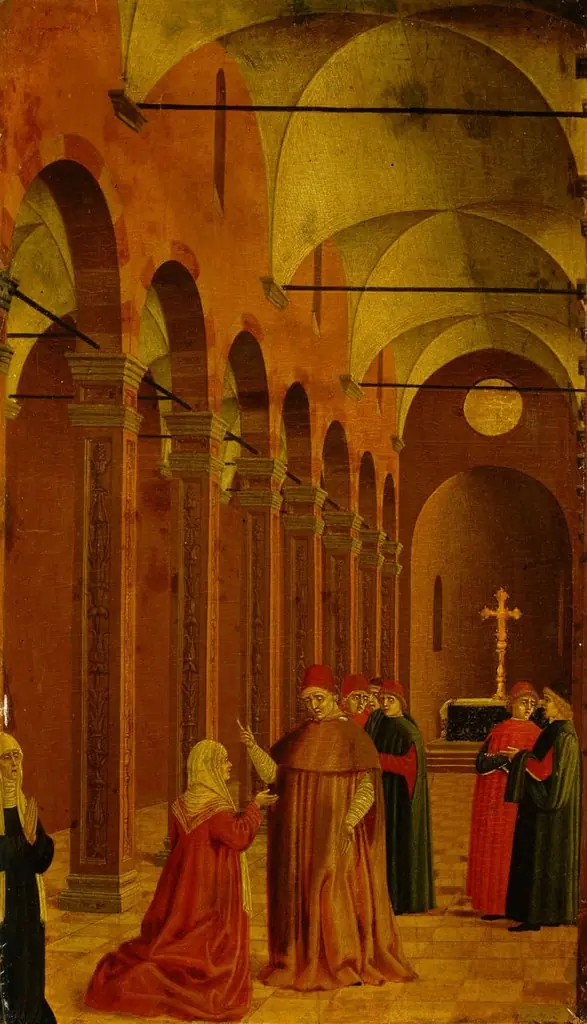 Szene aus dem Leben des Hl. Vinzenz Ferrer: Die Mutter des Heiligen fragt den Bischof von Valencia nach dem Sinn der wunderbaren Zeichen, die die Geburt ihres Kindes ankündigen
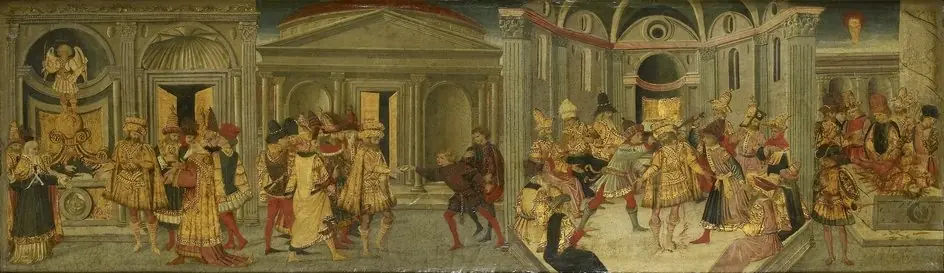 The Assassination and Funeral of Julius Caesar
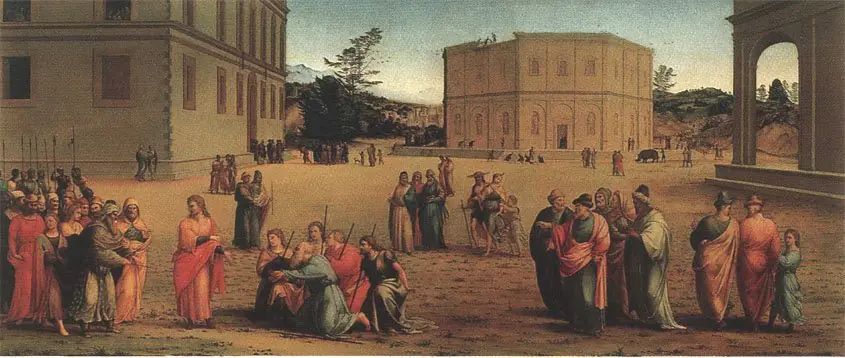 Joseph presents his father and brothers to the Pharaoh
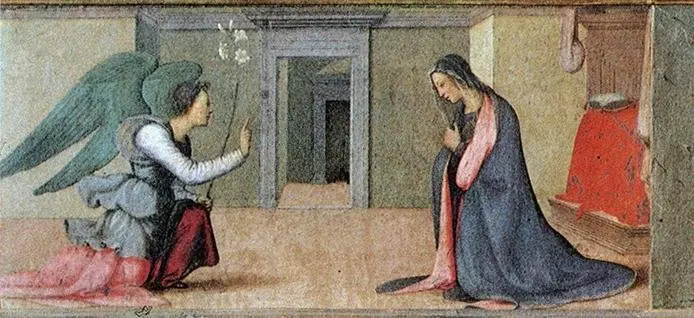 Annunciation
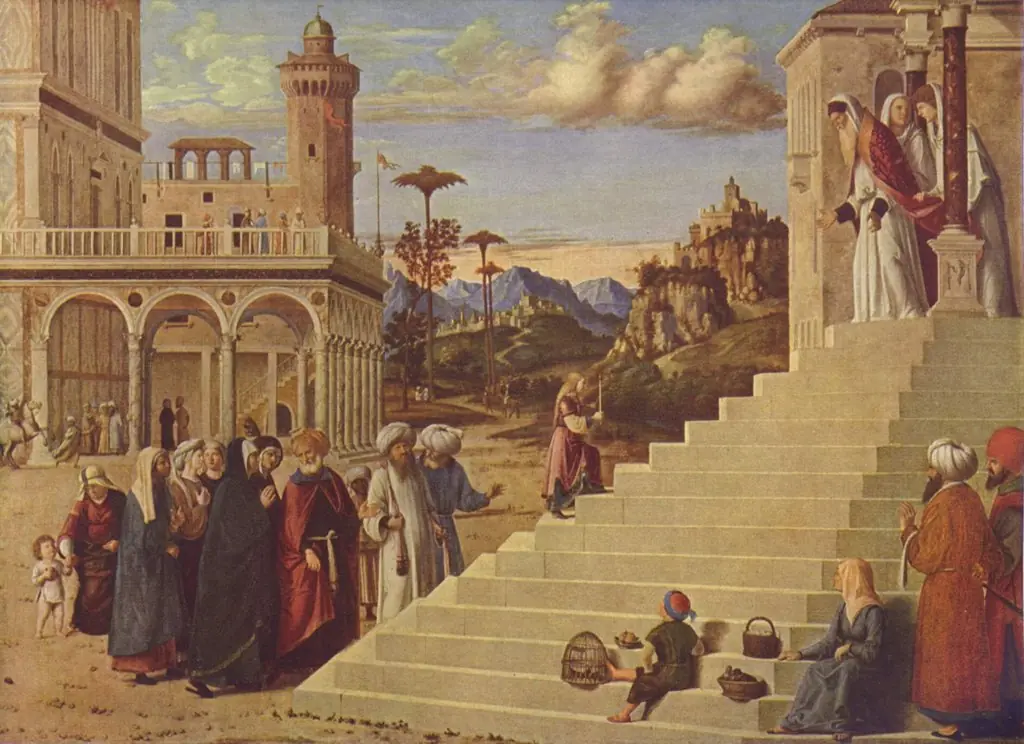 Presentation of the Virgin Mary at the Temple
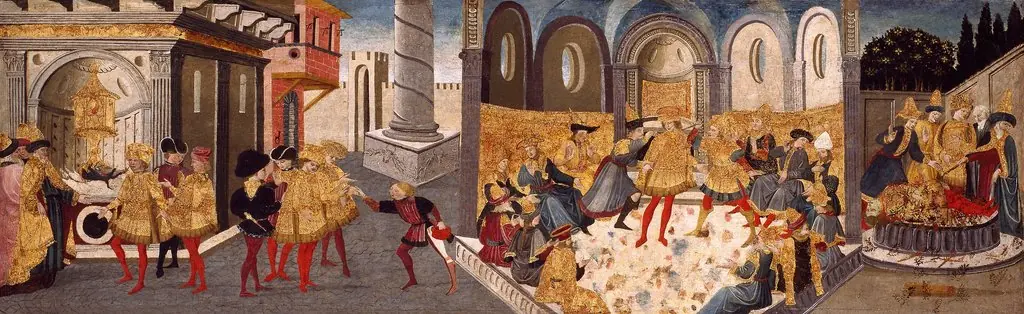 The Assassination and Funeral of Julius Caesar
 The Assassination and Funeral of Julius Caesar
 Annunciation
 The Virgin of the Annunciation