Artwork
Presentation of the Virgin Mary at the Temple
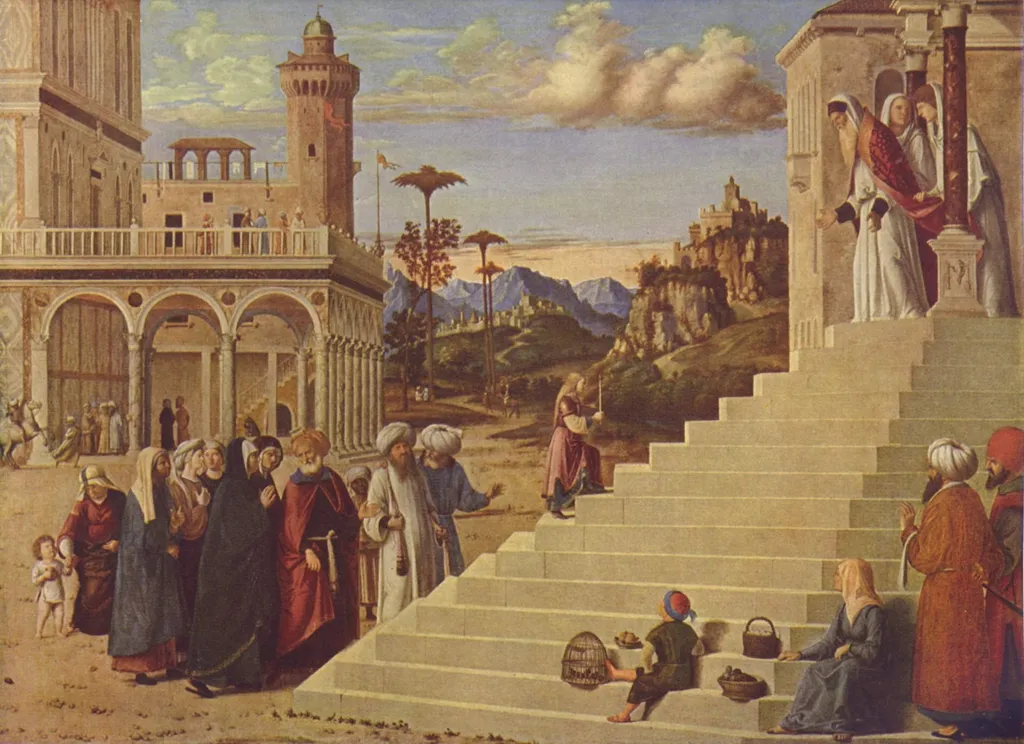
Presentation of the Virgin Mary at the Temple is an oil painting by the High Renaissance artist Giovanni Battista Cima da Conegliano. It dates from 1498 and is held in the collection of the Staatliche Kunstsammlungen Dresden.
About this work
Overview
It resides today in the Gemäldegalerie Alte Meister in Dresden, part of a broader tradition of devotional imagery from the Venetian Renaissance.
Painted around 1496–1497 by Giovanni Battista Cima da Conegliano, this oil-on-panel work depicts the apocryphal moment when the young Virgin Mary is presented at the Temple in Jerusalem. It resides today in the Gemäldegalerie Alte Meister in Dresden, part of a broader tradition of devotional imagery from the Venetian Renaissance. The composition centers on ritual gesture and architectural space, reflecting both religious devotion and contemporary artistic concerns.
Subject & Meaning
The scene illustrates a non-biblical but widely accepted legend: Mary’s parents bring her to the Temple at age three to be raised in service to God. She ascends the steps toward the high priest, who receives her in the temple doorway. The act symbolizes her consecration and foreshadows her future role as mother of Christ. The gathering crowd, including figures in contemporary dress, reinforces the sacredness of the moment through communal witness.
Technique & Style
Cima employs soft, luminous color transitions and delicate modeling to render figures and architecture. The white robe of Mary contrasts with the muted earth tones of the courtyard and distant landscape, drawing focus to her ascent. Spatial depth is achieved through receding arches and a balanced, shallow stage-like setting. Figures are arranged in gentle arcs, guiding the viewer’s eye upward along the stairs toward the sacred encounter.
History & Provenance
The painting entered the Saxon royal collection in the early 18th century and has remained in Dresden since. Its attribution to Cima has been consistently supported by stylistic analysis and documentary evidence from the Venetian workshop tradition. It was likely commissioned for private devotion, given its intimate scale and devotional subject, common among Venetian patrons of the period.
Context
Created during the height of Venetian Renaissance painting, the work reflects influences from Bellini and the region’s emphasis on atmospheric light and color. While the subject was popular in Northern Italy, Cima’s treatment is notable for its quiet solemnity and restrained emotion, distinguishing it from more dramatic interpretations elsewhere. The inclusion of contemporary clothing and architecture grounds the sacred event in the viewer’s world.
Legacy
Cima’s Presentation of the Virgin became a reference for later Venetian painters in its harmonious composition and subtle emotional tone. Though less widely known than works by Titian or Giorgione, it exemplifies the quiet devotional mode that flourished in provincial Venetian circles. The painting remains a key example of how religious narrative was rendered with psychological nuance and spatial clarity in late 15th-century Italy.
Own this work as a print
Artist & collection
Artist
Giovanni Battista Cima da Conegliano
Giovanni Battista Cima, also called Cima da Conegliano (c. 1459 – c. 1517), was an Italian Renaissance painter, who mostly worked in Venice. He can be considered part of the Venetian school, though he was also…

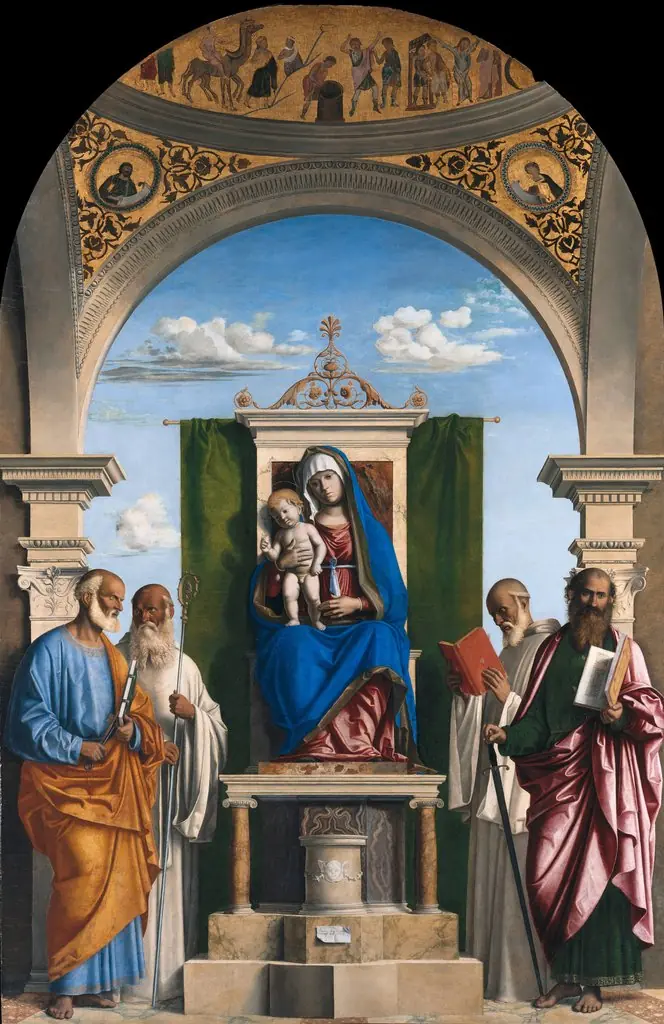
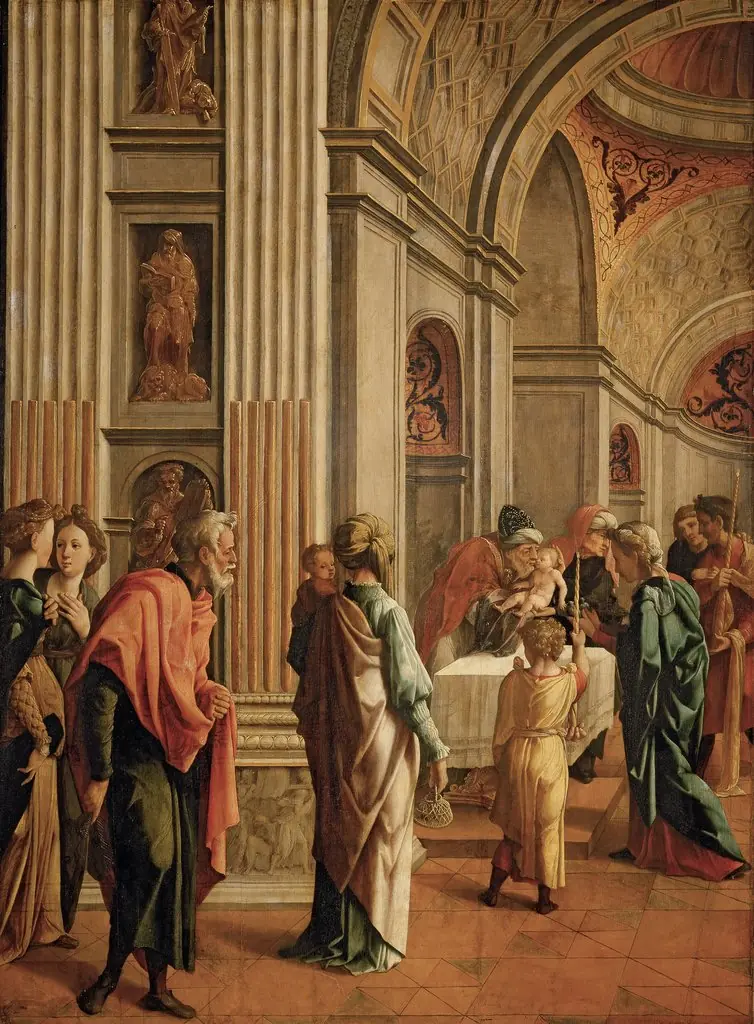 Presentation of Jesus in the Temple
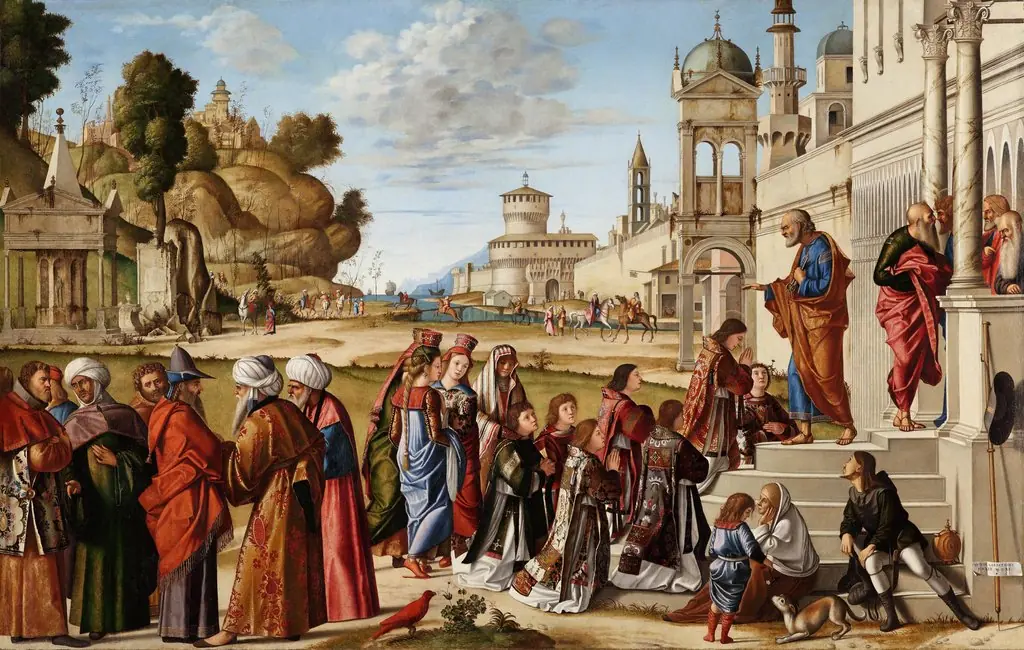 The Ordination of St. Stephen
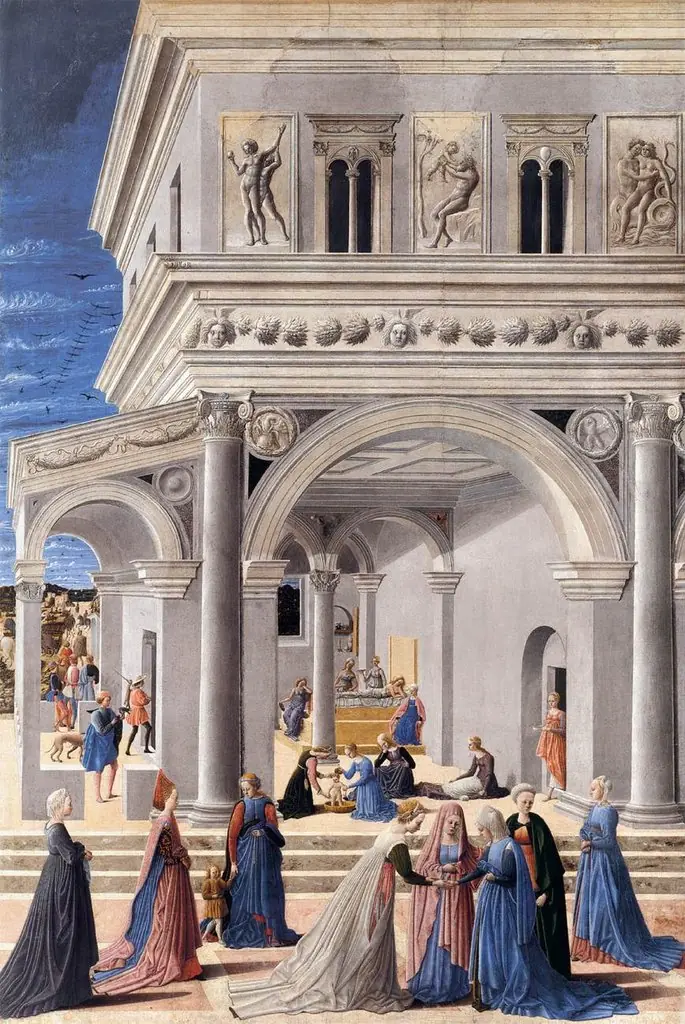 The Birth of the Virgin
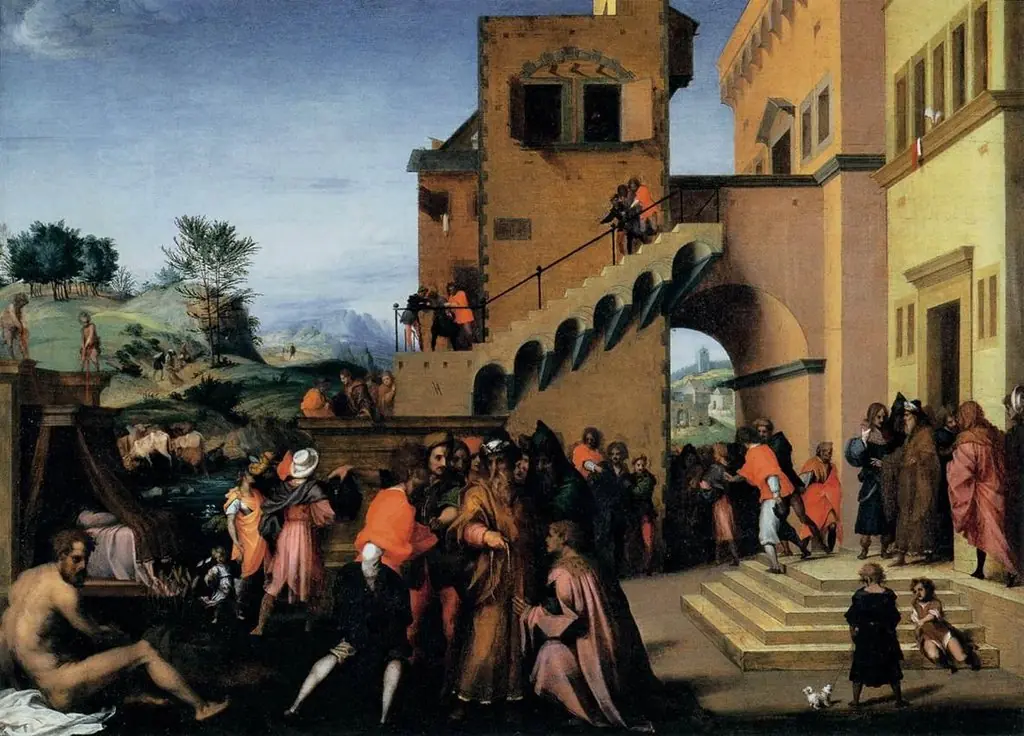 Joseph interpreting Pharaoh's dresm
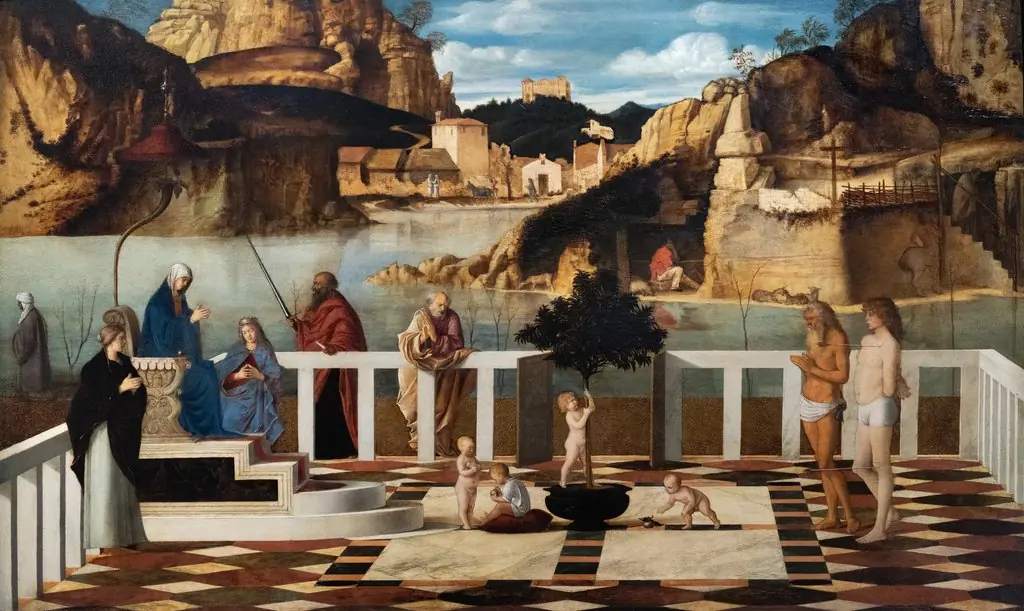 Holy Allegory
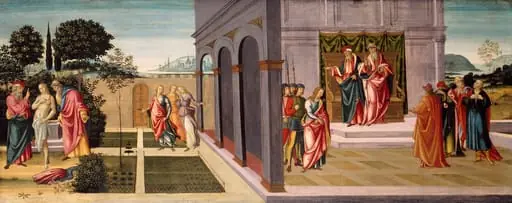 Susanna and the Elders in the Garden, and the Trial of Susanna before the Elders
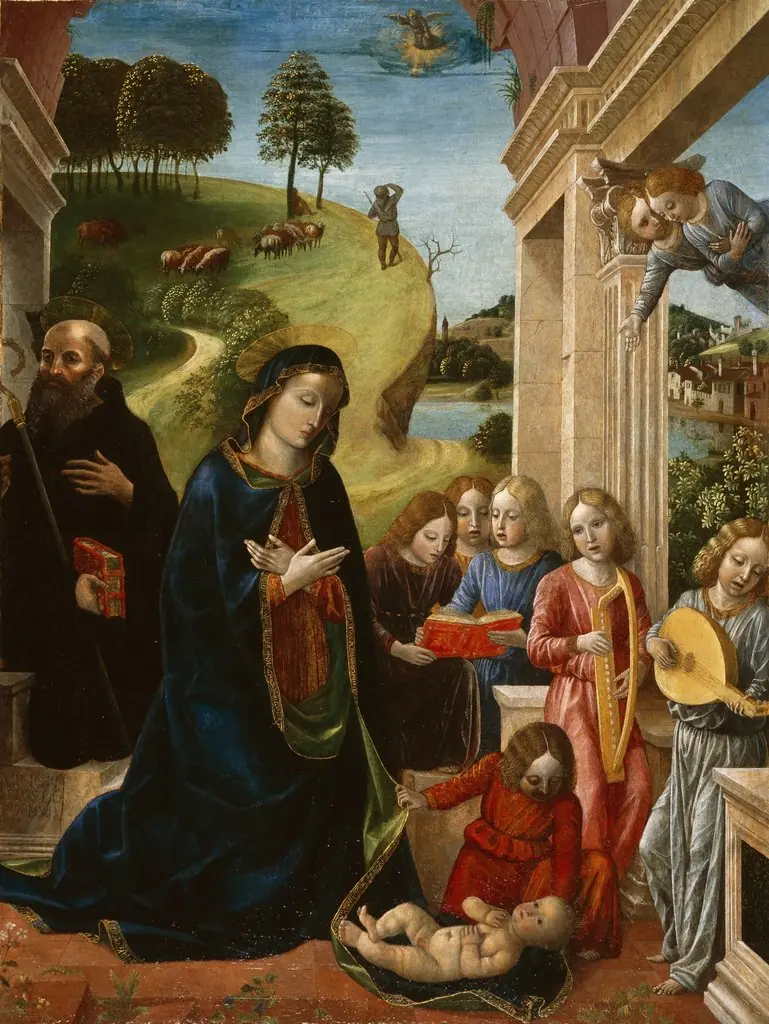 Adoration of the Child with St. Benedict and Angels
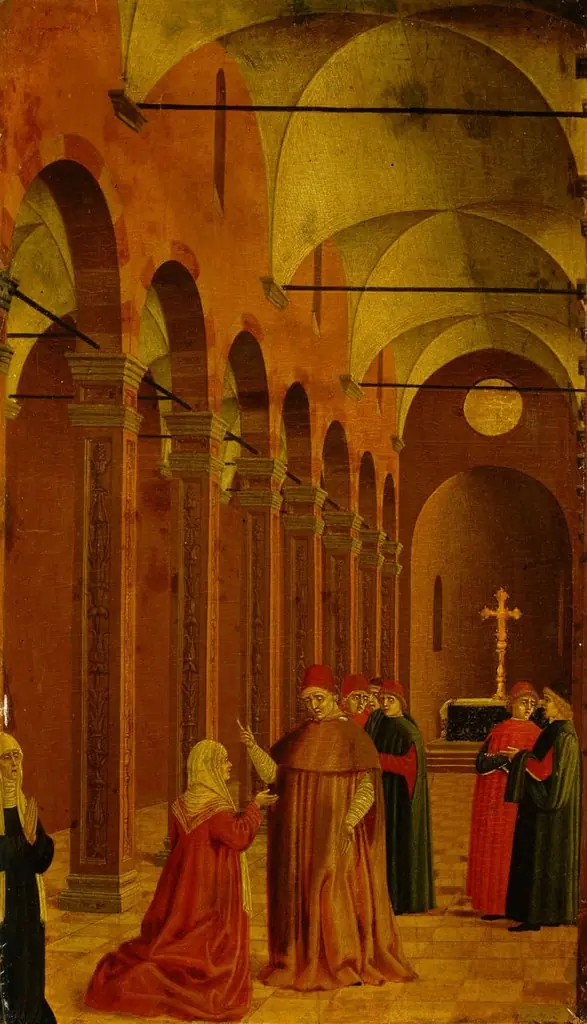 Szene aus dem Leben des Hl. Vinzenz Ferrer: Die Mutter des Heiligen fragt den Bischof von Valencia nach dem Sinn der wunderbaren Zeichen, die die Geburt ihres Kindes ankündigen
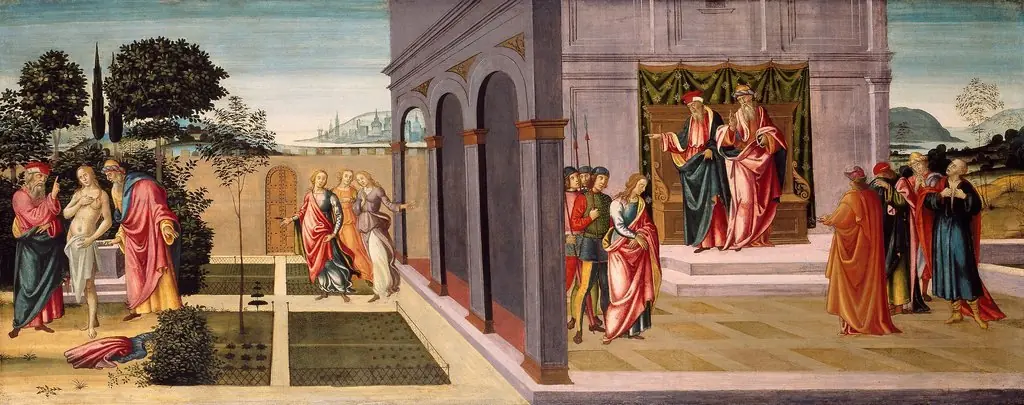 Susanna and the Elders in the Garden, and the Trial of Susanna before the Elders
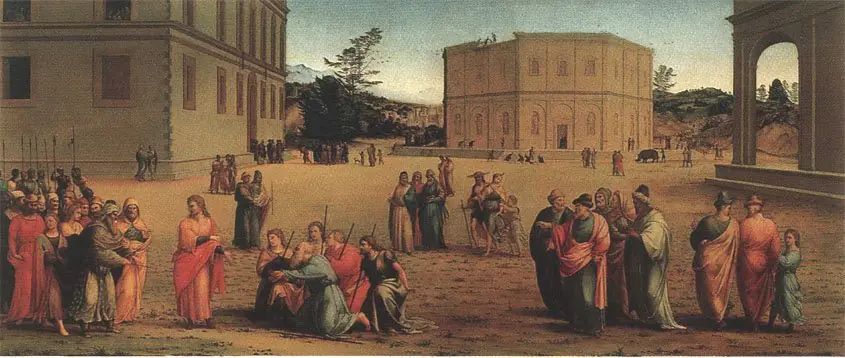 Joseph presents his father and brothers to the Pharaoh
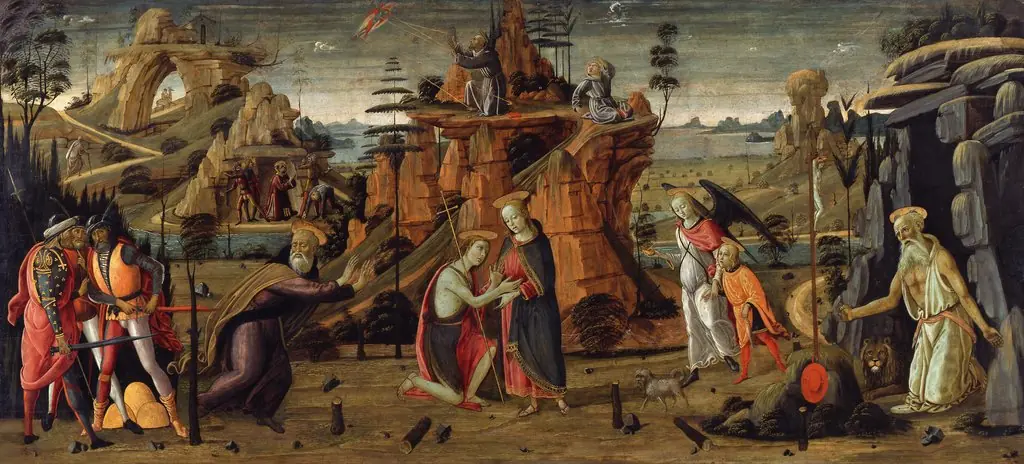 Landscape with biblical scenes and scenes from the legends of saints
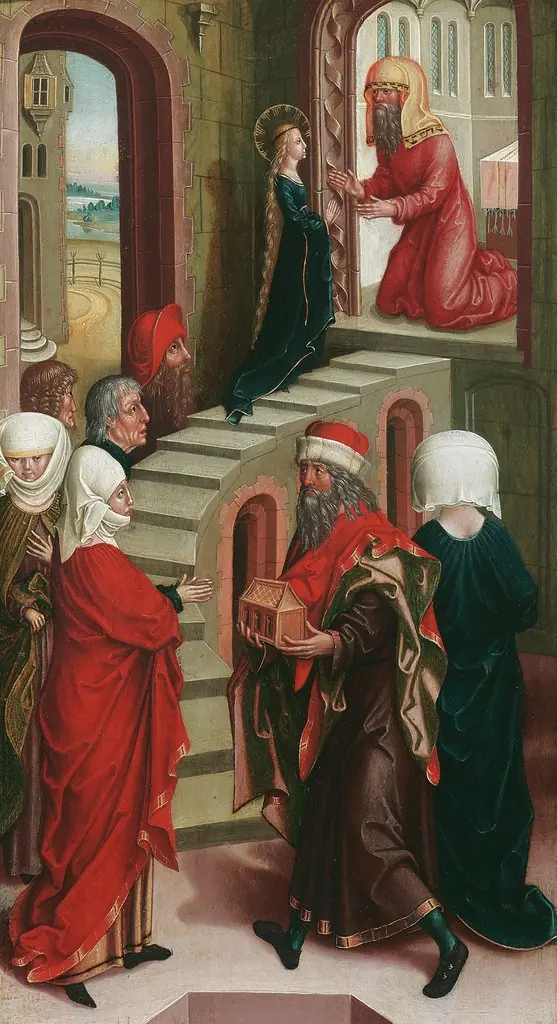 The presentation of Mary in the temple