Artwork
La Saltarelle
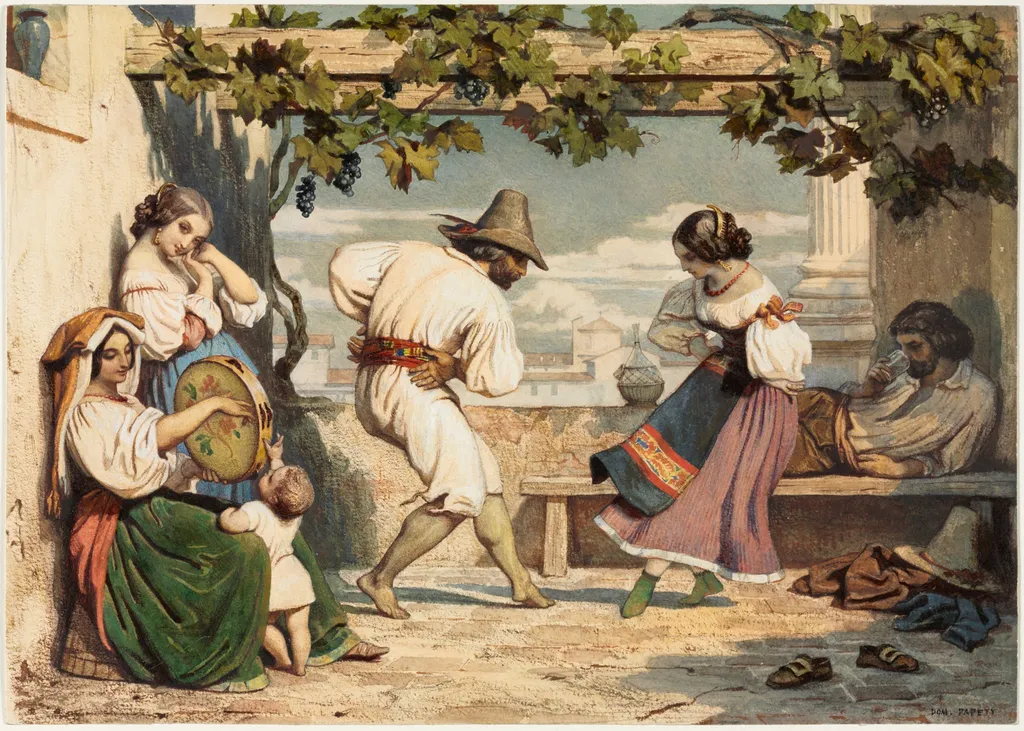
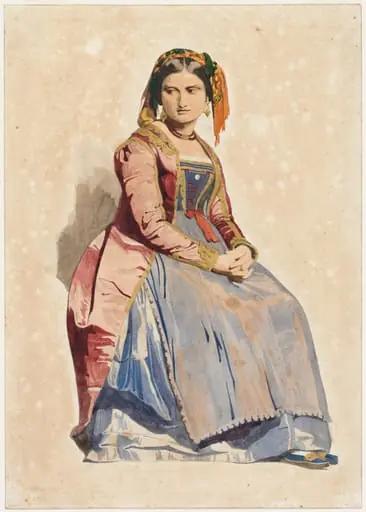
La Saltarelle is a drawing by the Romanticist artist Dominique Papety. It dates from 1804 and is held in the collection of the Cleveland Museum of Art.
About this work
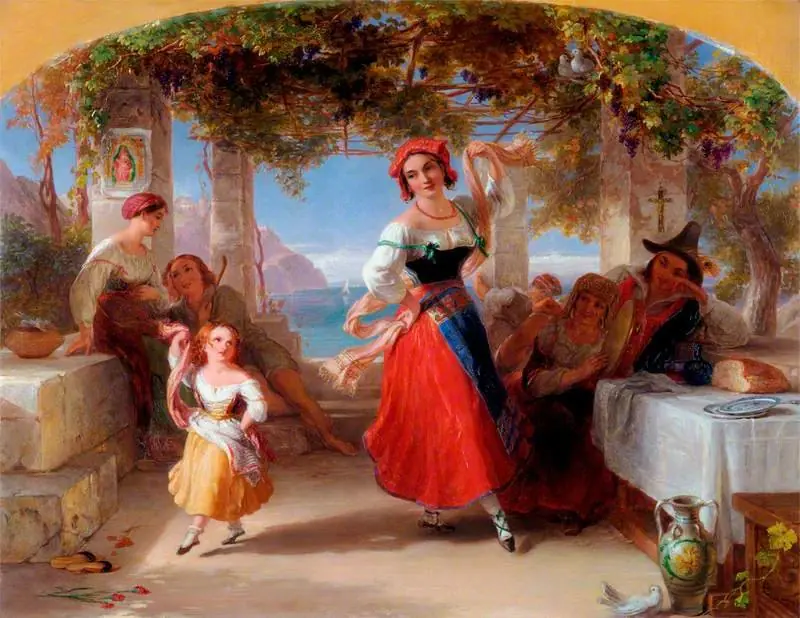
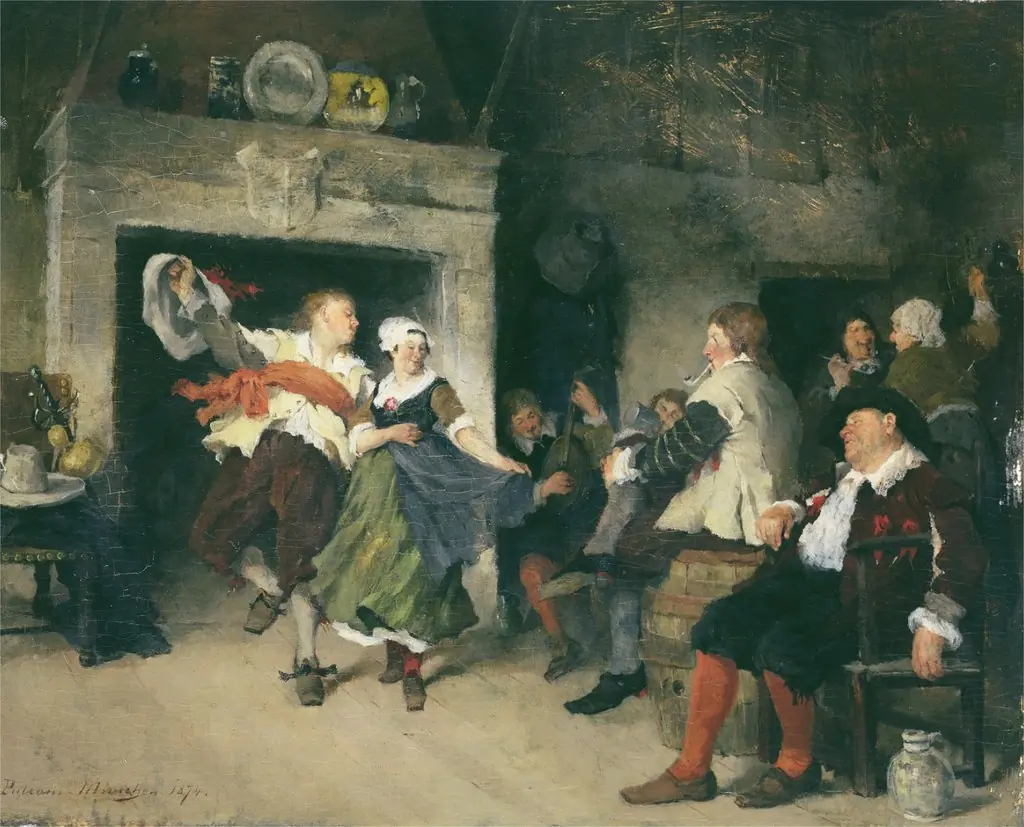
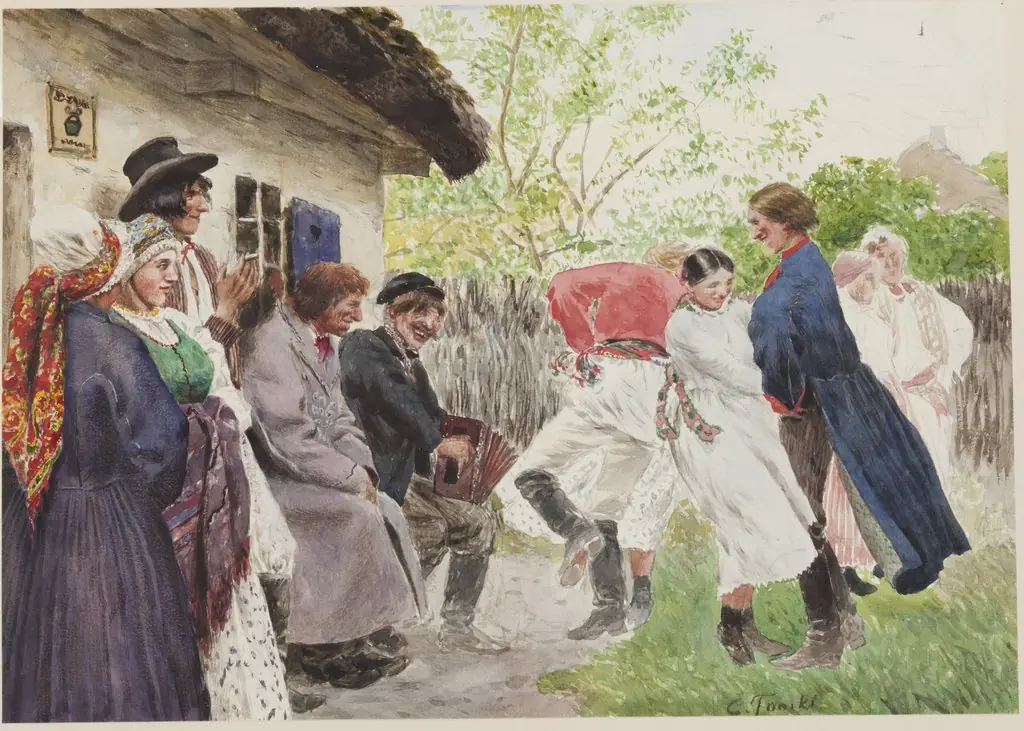
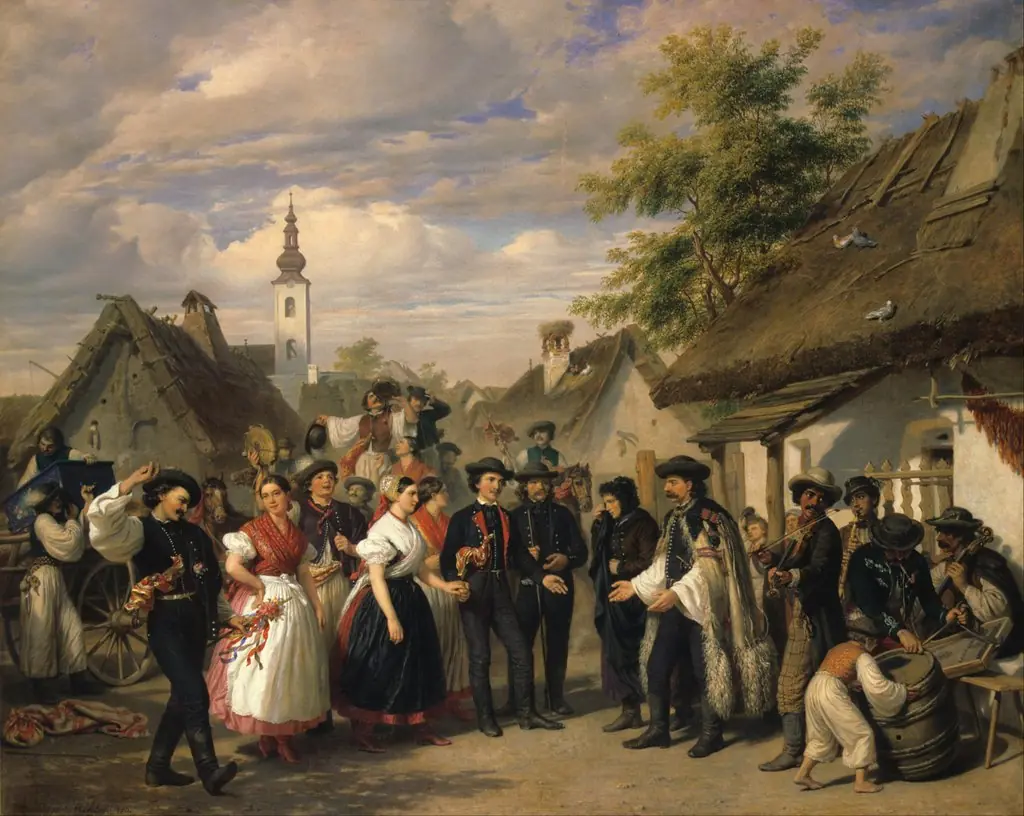
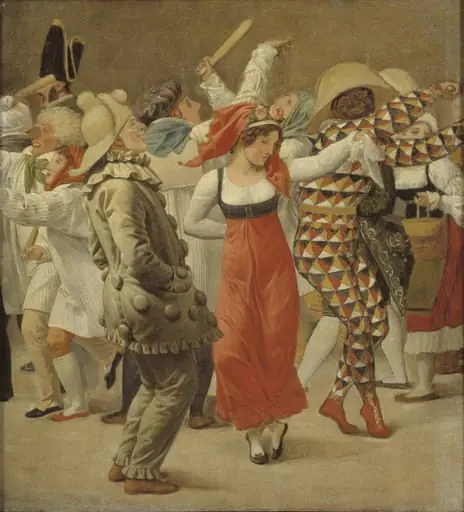
This painting shows a lively scene of people dancing.
The dance, called La Saltarelle, was a popular court dance in the 15th century.
It was known for its leaping step and fast triple meter, making it a fun and energetic dance.
To learn more about the artist who created this scene, check out the work of Dominque Louis Papety (French, 1815–1849).
Overview
This 19th-century drawing by Dominique Louis Papety depicts a group of figures engaged in a lively dance, capturing the motion and rhythm of the saltarello.
This 19th-century drawing by Dominique Louis Papety depicts a group of figures engaged in a lively dance, capturing the motion and rhythm of the saltarello. Though the dance originated in 15th-century Naples, Papety’s scene reflects its later revival in Roman Carnival traditions. The work is not a historical reconstruction but a romanticized interpretation of folk energy, rendered in delicate ink and wash.
Subject & Meaning
The drawing portrays a communal dance, likely set during Carnival, where the saltarello’s vigorous leaps and triple-time rhythm symbolized release and celebration before Lent. The figures, dressed in period-inspired attire, move with spontaneity, suggesting a blend of folk custom and theatrical performance. The scene emphasizes collective joy rather than aristocratic refinement, distancing itself from the dance’s earlier courtly origins.
Technique & Style
Papety employed fluid ink lines and soft washes to suggest movement and texture, avoiding rigid detail in favor of expressive gesture. The figures are loosely defined, their forms emerging through rhythmic strokes that echo the dance’s tempo. Background elements are minimized, focusing attention on the interplay of bodies and the implied music of the scene.
History & Provenance
Created around 1840, the drawing stems from Papety’s interest in Italian folk life during his time in Rome. It was likely made as a study or independent work, not commissioned. While no documented provenance traces its early ownership, it aligns with mid-19th-century European fascination with regional customs, particularly after Mendelssohn’s popularization of the saltarello in his Italian Symphony.
Context
The saltarello had evolved from a Neapolitan court dance into a popular Roman Carnival tradition by the 1830s. Its inclusion in Mendelssohn’s symphony (1833) brought it wider European attention, inspiring artists like Papety to depict its vitality. These representations were part of a broader Romantic trend that idealized folk culture as authentic and emotionally charged, contrasting with urban modernity.
Legacy
Papety’s drawing contributes to a visual archive of 19th-century ethnographic interest in Italian traditions. Though not widely exhibited in his lifetime, it reflects how artists translated musical and folk motifs into graphic form. The work remains a quiet testament to the cross-pollination between music, dance, and visual art during the Romantic era.
Artist & collection
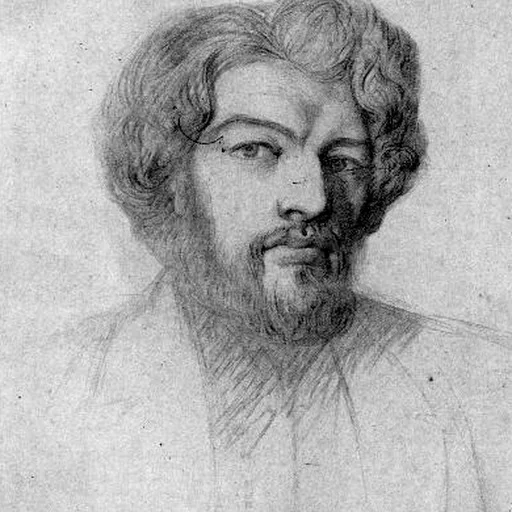
Artist
Dominique Louis Féréol Papety (12 August 1815 – 19 September 1849) was a French painter.