Artwork
Easter Sprinkling
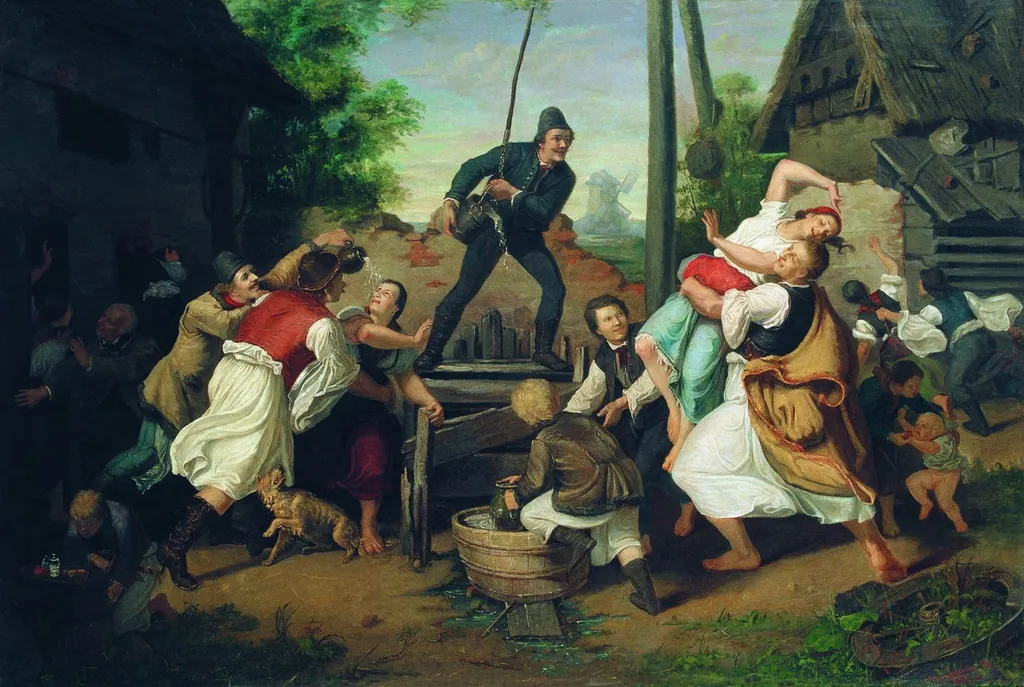
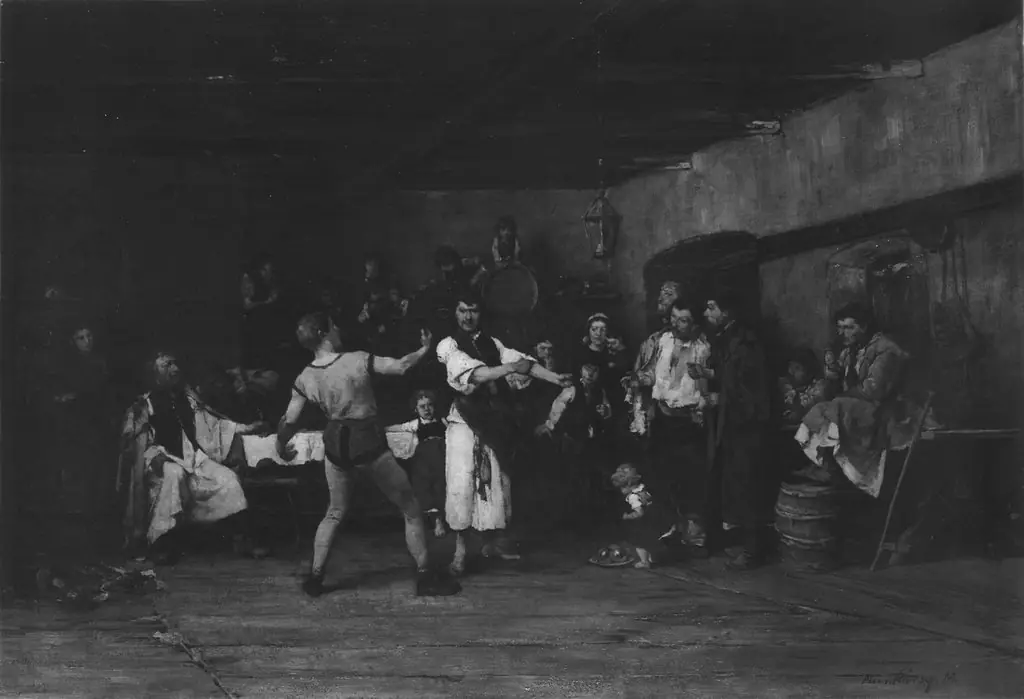
Easter Sprinkling is an oil painting by the Realist artist Mihály Munkácsy. It dates from 1865 and is held in the collection of the Hungarian National Gallery.
About this work
Overview
The painting is held in the Hungarian National Gallery and represents an early phase of Munkácsy’s career, before his shift toward grand biblical narratives.
Painted in 1865, *Easter Sprinkling* is an oil-on-canvas work by Hungarian artist Mihály Munkácsy. It captures a seasonal custom observed in rural Hungary, where water was playfully sprinkled during Easter celebrations. The painting is held in the Hungarian National Gallery and represents an early phase of Munkácsy’s career, before his shift toward grand biblical narratives. Its focus on everyday life aligns it with Realist tendencies of the mid-nineteenth century.
Subject & Meaning
The scene portrays a village Easter ritual in which men douse women and children with water, a tradition symbolizing renewal and fertility. A central figure, armed with a bucket and stick, dominates the composition, while others react with laughter, surprise, or delight. The gathering includes men, women, and children, suggesting communal participation. The ritual’s lightheartedness contrasts with its deeper cultural roots, reflecting local customs tied to seasonal cycles and social bonding.
Technique & Style
Munkácsy employs loose, energetic brushwork to convey movement and texture, particularly in fabric and foliage. Light falls naturally across the scene, modeling forms with subtle chiaroscuro without dramatic contrast. The palette is earthy yet vibrant, with muted greens, browns, and touches of red and blue in clothing. Depth is achieved through atmospheric perspective, with softer outlines in the background buildings and trees, guiding attention toward the central action.
History & Provenance
Created during Munkácsy’s formative years in Hungary, the painting was acquired by the Hungarian National Gallery in the late nineteenth century. It remained a key example of his early genre work, illustrating his commitment to depicting national life. Unlike his later international commissions, this piece stayed within Hungary’s cultural sphere, reinforcing its role as a document of regional tradition rather than a commercial export.
Context
In 1860s Hungary, a rising national consciousness encouraged artists to document folk customs as expressions of cultural identity. Munkácsy, trained in Munich and influenced by French Realism, turned to local subjects to distinguish his work from academic traditions. *Easter Sprinkling* reflects this trend, capturing a ritual that was widely recognized but rarely depicted in fine art, offering a quiet assertion of Hungarian specificity amid broader European artistic currents.
Legacy
Though overshadowed by Munkácsy’s later biblical paintings, *Easter Sprinkling* endures as a significant record of 19th-century Hungarian rural life. It influenced subsequent generations of Hungarian artists who sought to portray national customs with authenticity. The painting remains a touchstone in discussions of Realism in Eastern Europe, valued for its unidealized observation and cultural resonance rather than its technical novelty.
Artist & collection
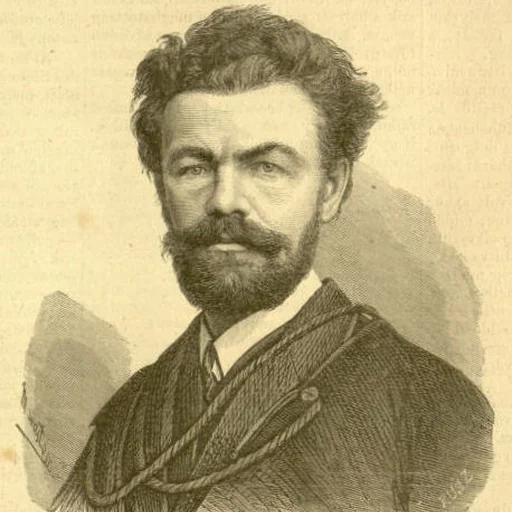
Artist
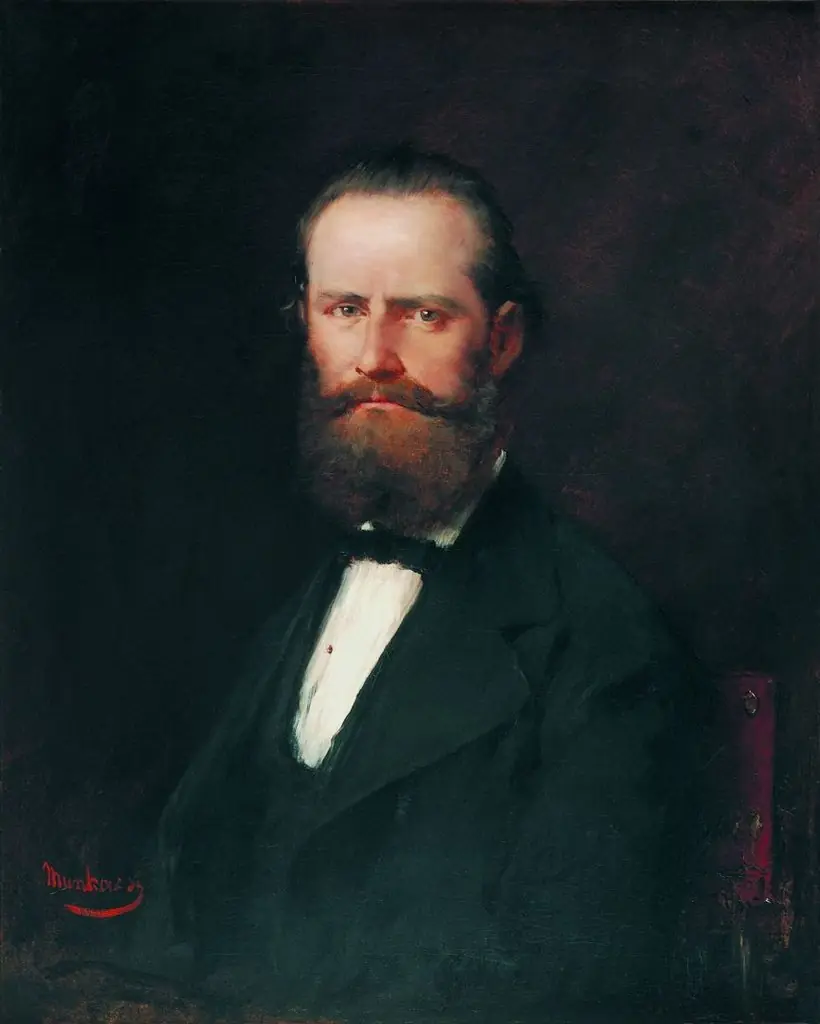
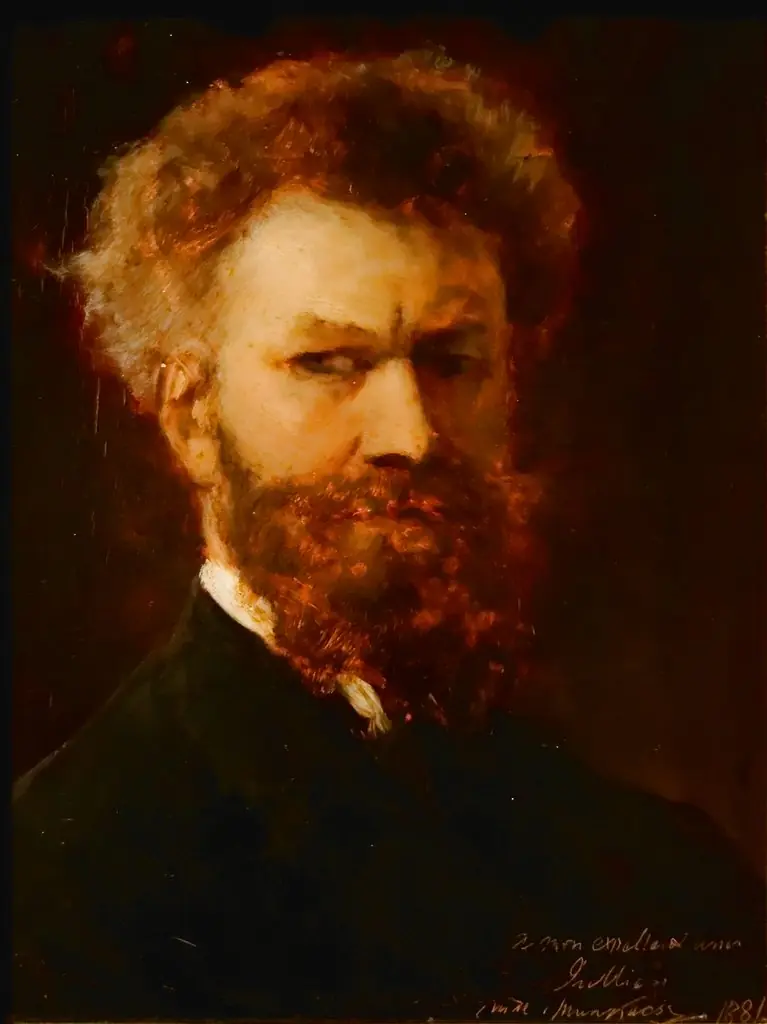
Mihály Munkácsy (Hungarian pronunciation: ; 20 February 1844 – 1 May 1900) was a Hungarian painter. He earned international reputation with his genre pictures and large-scale biblical paintings.