Artwork
The Ilyssus!
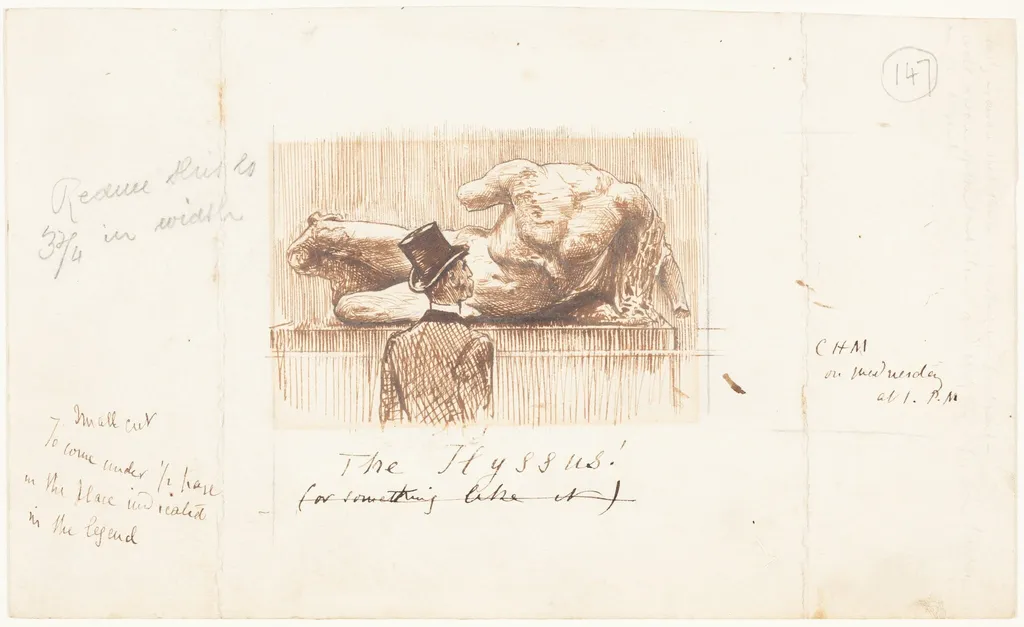
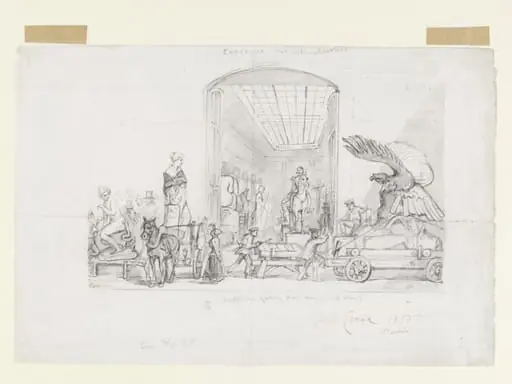
The Ilyssus! is an ink drawing by the Impressionist artist George Du Maurier. It dates from 1880 and is held in the collection of the National Gallery of Art.
About this work
Overview
Created in 1880, The Ilyssus! is a pen-and-brown‑ink drawing on wove paper by George du Maurier. Executed over a graphite underdrawing, the work combines ink lines with occasional scratching‑out marks, revealing the artist’s process as he refined the composition.
Subject & Meaning
The composition depicts a plump cat reclined on its back, paws outstretched, and crowned with a small, askew top hat. A crumpled piece of cloth lies nearby, while the cat’s tail curls loosely. The whimsical juxtaposition of a dignified accessory on an ordinary animal suggests a playful commentary on pretension.
Technique & Style
Du Maurier employed pen and brown ink to build form through varied line weight and dense cross‑hatching, creating areas of shadow and texture. The underlying graphite sketch is partially visible, and deliberate scratching‑out indicates revisions, offering insight into the artist’s iterative method.
History & Provenance
The drawing was produced in the late Victorian period, a time when du Maurier was active as an illustrator and cartoonist. The work bears marginal notes such as “Reduce width 3/4 in” and the title “The Ilyssus!”, hinting at its use as a preparatory study for a larger illustration or publication.
Context
During the 1880s du Maurier contributed to periodicals like Punch, often employing humor and satire. The feline figure, rendered with exaggerated proportions and a tiny hat, aligns with his characteristic wit, reflecting contemporary Victorian fascination with anthropomorphic animal motifs.
Legacy
Although not a finished illustration, The Ilyssus! provides valuable insight into du Maurier’s creative process and his approach to integrating humor into visual art. The piece is referenced in studies of Victorian illustration for its illustrative technique and its role in the artist’s broader body of work.
Artist & collection


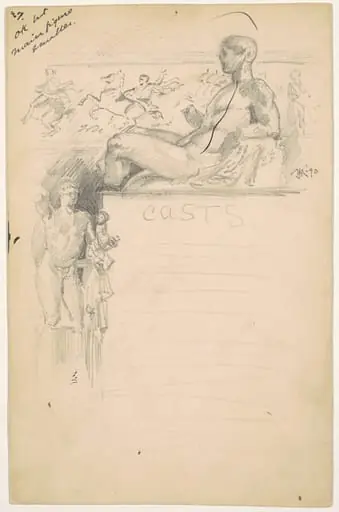 Study for "Casts from Antique Sculpture: The Parthenon"
 Seated Figure Bending Forward
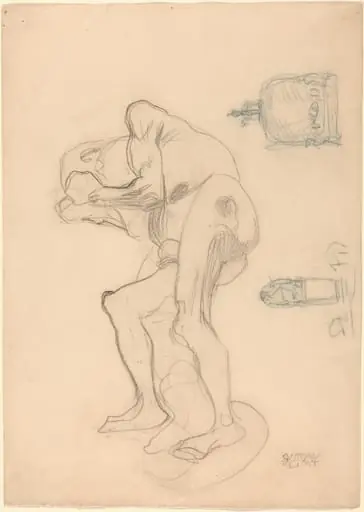 Study of a Nude Old Woman Clenching Her Fists, and Two Decorative Objects
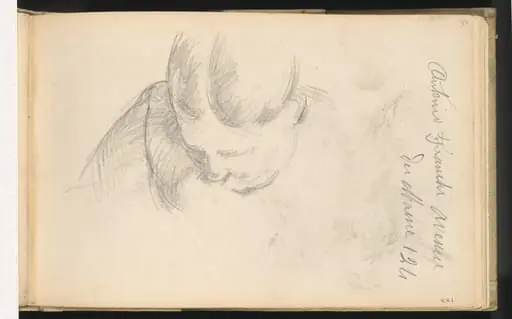 Woman Leaning Forward
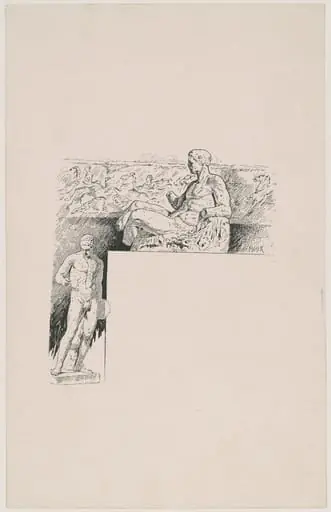 Casts from Antique Sculpture: The Parthenon
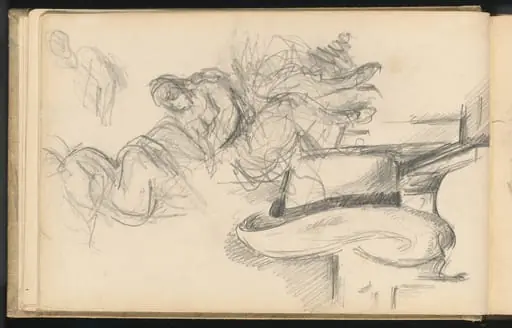 Studies Including a Straw Hat
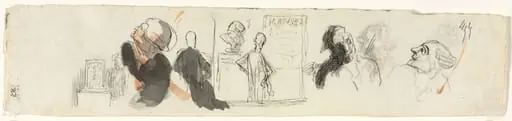 Sketches of Various Figures (verso)
![Sheet of Studies, including Warrior with Child [recto and verso], by John Flaxman](https://artifactworldgallery.com/img/john-flaxman--sheet-of-studies-including-warrior-with-child-recto-and-vers--5c5dd1ec083169b5-w320.webp) Sheet of Studies, including Warrior with Child [recto and verso]
Sheet of Studies, including Warrior with Child [recto and verso]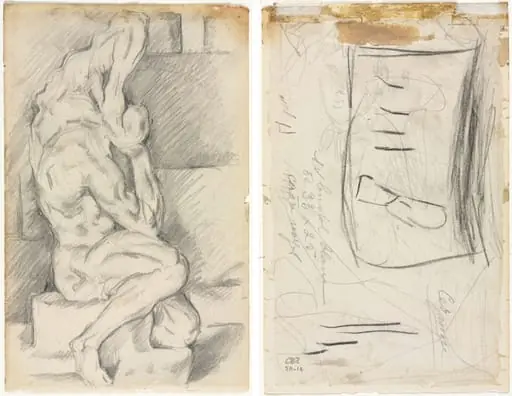 Sketch of Anatomical Sculpture (recto) Sketch of Madame Cézanne (verso)
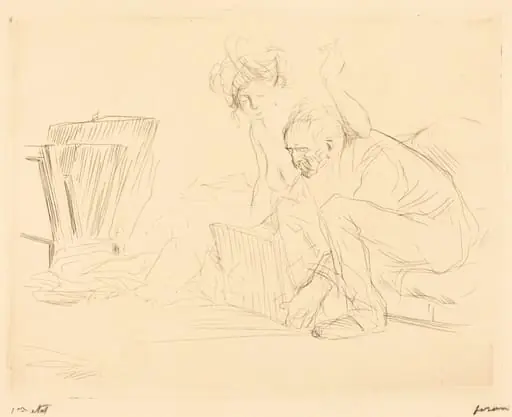 Le repos du modèle (2e planche) (The Model's Rest) (second plate)
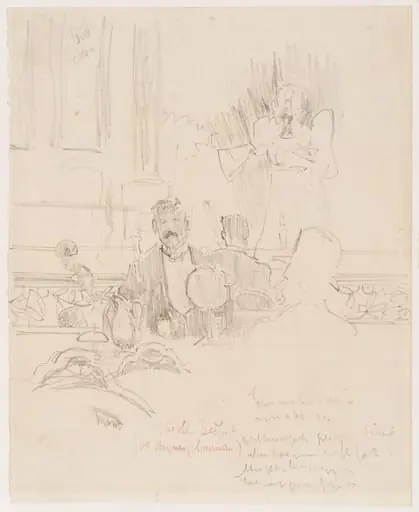 The Old Bedford
 Sculpture Gallery door-way at the Exposition Universelle, Paris