Artwork
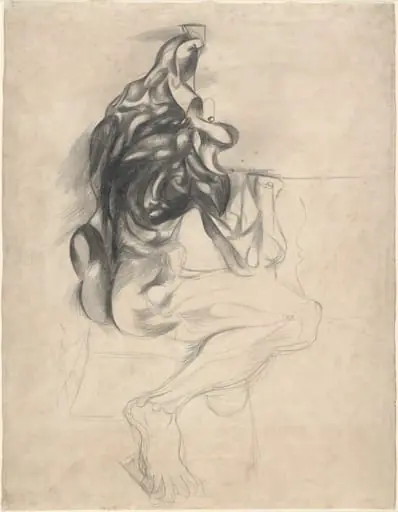
Sketch of Anatomical Sculpture (recto) Sketch of Madame Cézanne (verso)
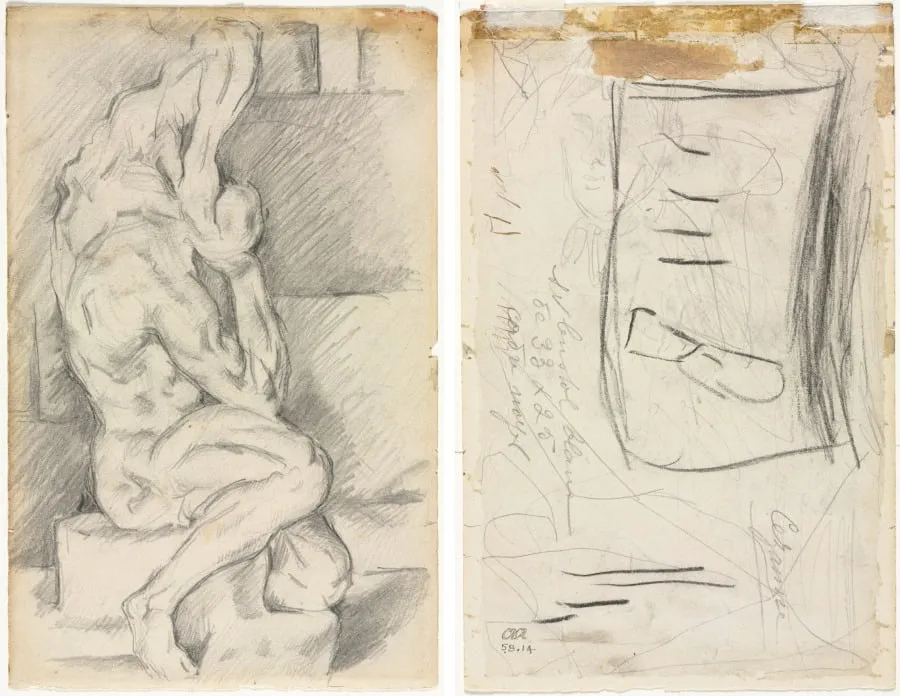
Sketch of Anatomical Sculpture (recto) Sketch of Madame Cézanne (verso) is a drawing by the Impressionist artist Paul Cezanne. It dates from 1882 and is held in the collection of the Cleveland Museum of Art. This double-sided drawing by Paul Cézanne, dated 1882, features two distinct studies on a single sheet.
About this work
Overview
The recto depicts a seated, anatomical figure with loose, gestural lines, while the verso shows a simplified standing form accompanied by numerical notations.
This double-sided drawing by Paul Cézanne, dated 1882, features two distinct studies on a single sheet. The recto depicts a seated, anatomical figure with loose, gestural lines, while the verso shows a simplified standing form accompanied by numerical notations. Both drawings reflect Cézanne’s habit of using sketching as a tool for visual inquiry, blending observation with structural analysis. The paper’s reuse underscores his economical approach to materials and the iterative nature of his artistic process.
Subject & Meaning
The recto presents a nude figure in a compact, seated pose, likely drawn from a sculptural model or anatomical study, emphasizing weight and posture. The verso offers a minimal outline of a standing woman, possibly a memory sketch of his wife, Hortense. The scattered numbers may indicate measurements or compositional notes. Together, the drawings reveal Cézanne’s dual focus: understanding the human form in space and recording personal subjects with reduced, essential lines.
Technique & Style
Cézanne employed swift, uneven pencil strokes to capture volume and gesture without detail. On the recto, overlapping lines suggest musculature and mass; on the verso, sparse contours define form with minimal shading. The absence of finish and the presence of erasures and annotations reflect a working method oriented toward discovery rather than presentation. His approach prioritizes structural logic over decorative effect, aligning with his broader shift toward geometric simplification.
History & Provenance
The drawing entered the collection of The Cleveland Museum of Art through the John L. Severance Fund in 1951. Its prior ownership history is not fully documented, but its condition and style suggest it was retained by Cézanne as a personal study, not intended for public display. The sheet’s survival reflects its value to the artist as a record of ongoing visual experimentation during a period of intense formal development.
Context
Created during Cézanne’s mature period, this drawing coincides with his deepening engagement with classical sculpture and the human figure. While contemporaries pursued fleeting light effects, he turned inward, analyzing posture, balance, and volume. His sketches from this time often served as bridges between observation and abstraction, laying groundwork for later innovations in form that would influence modernist movements beyond Impressionism.
Legacy
This drawing exemplifies Cézanne’s role as a transitional figure whose private studies became foundational to 20th-century art. His method of reducing form to essential planes and treating the body as a structure of interlocking volumes directly informed Cubism and later abstraction. Though unassuming in appearance, such sketches reveal the disciplined, analytical thinking that redefined modern drawing and painting.
Artist & collection
Artist
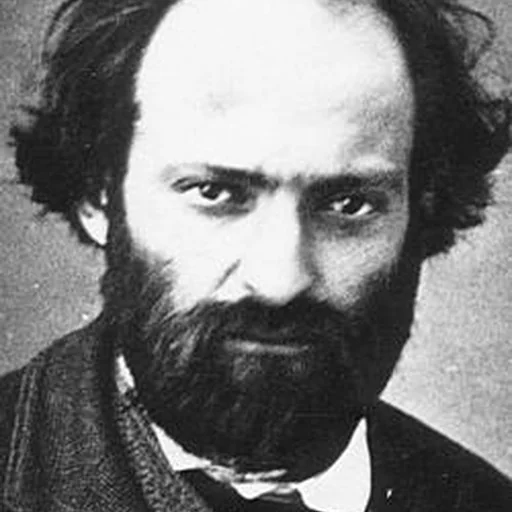
Paul Cézanne was born on January 19, 1839, in Aix-en-Provence, the son of a hatter turned wealthy banker.

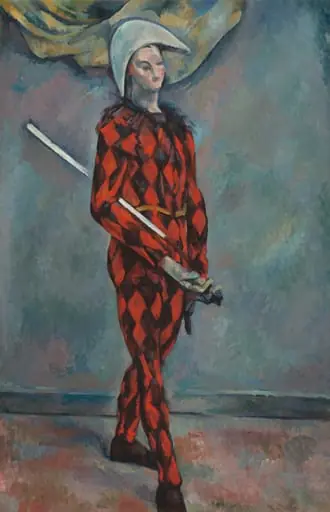 Harlequin
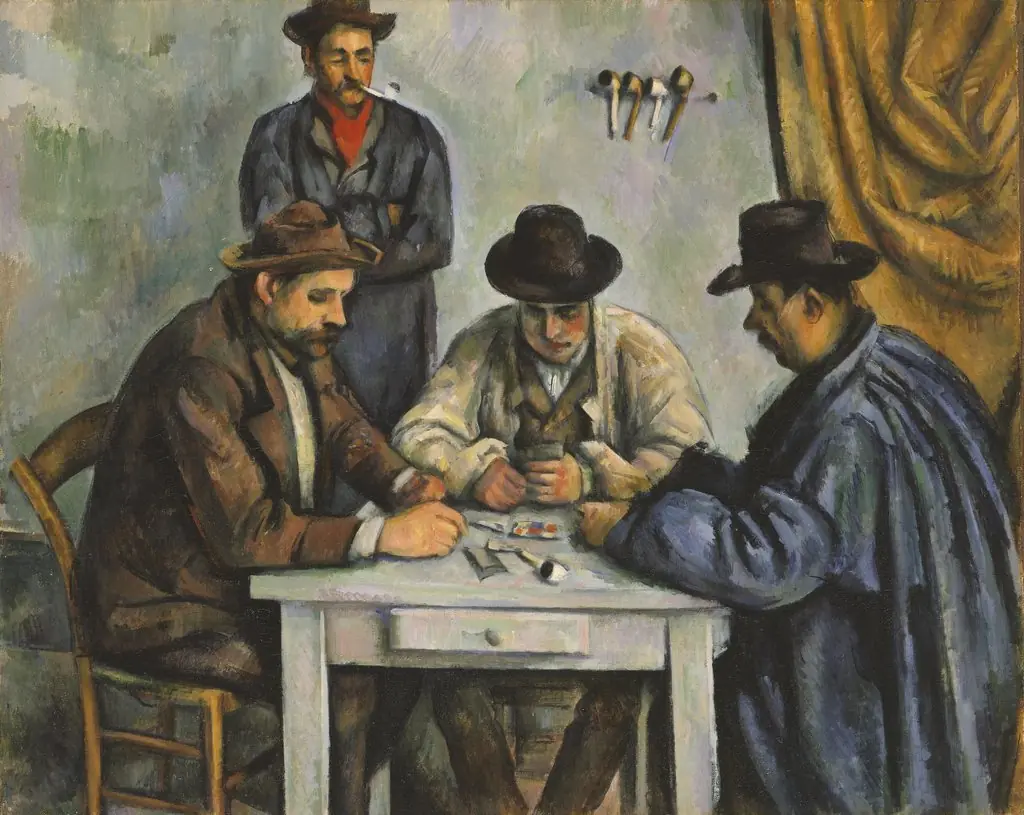 The Card Players
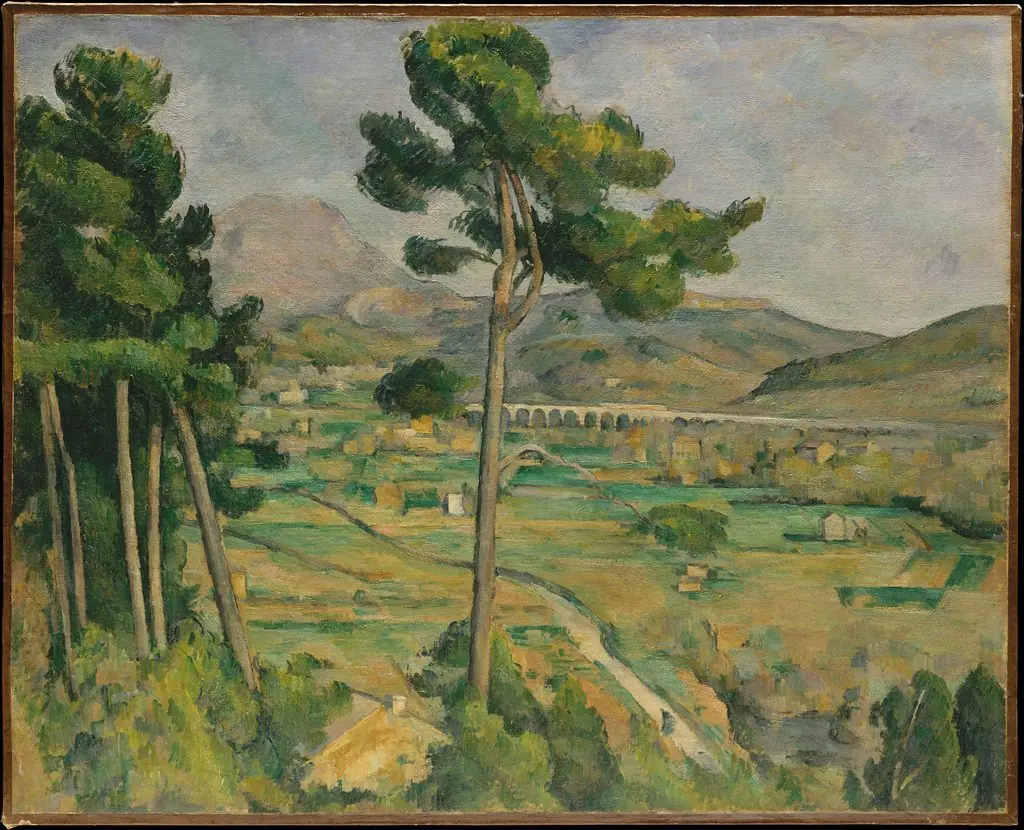 Mont Sainte-Victoire and the Viaduct of the Arc River Valley
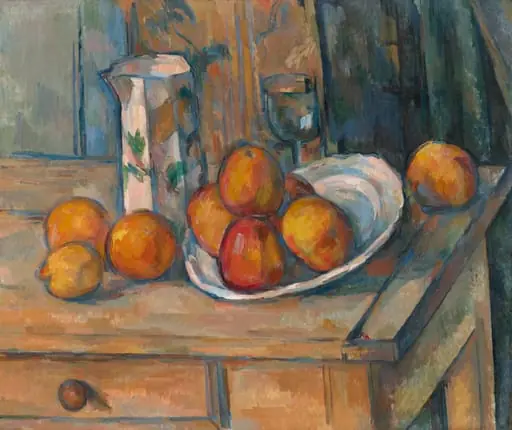 Still Life with Milk Jug and Fruit
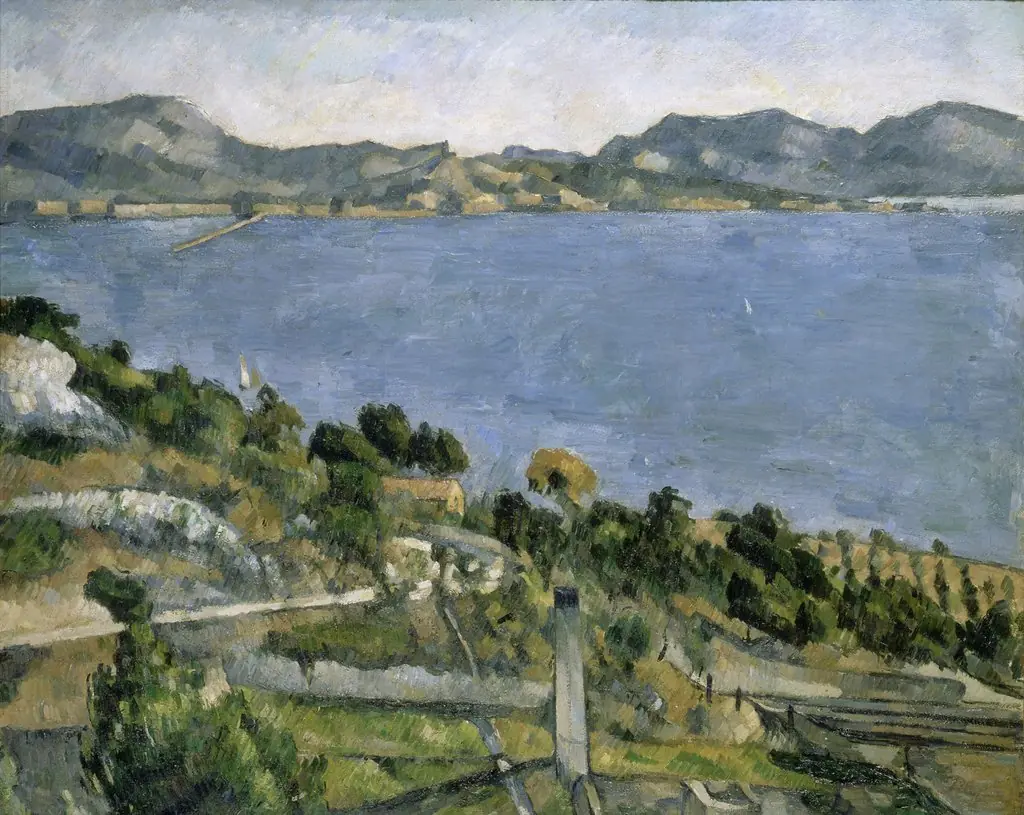 Le Golfe de Marseille vu de l'Estaque (The Gulf of Marseille Seen from L'Estaque)
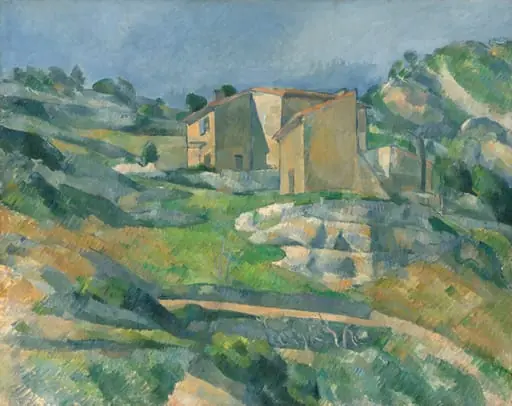 Houses in Provence: The Riaux Valley near L'Estaque
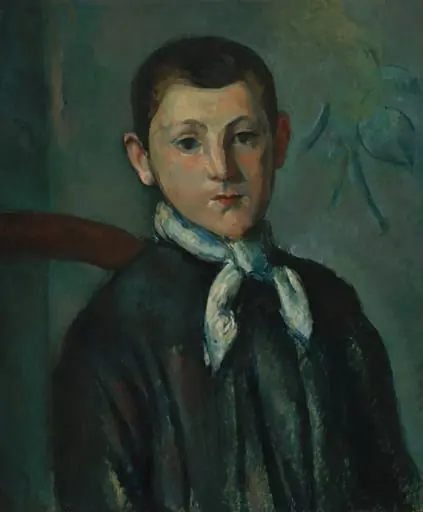 Louis Guillaume
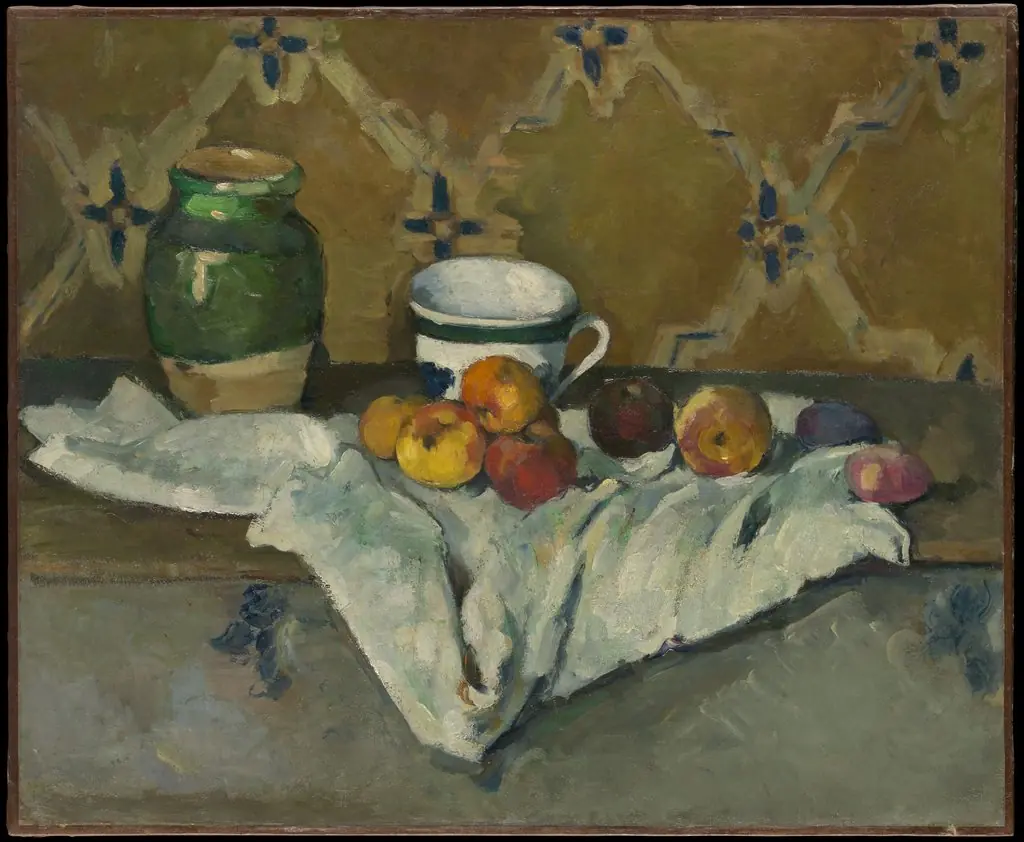 Still Life with Jar, Cup, and Apples
 Soldier in a Trench (recto) Reclining Woman (verso)
 Desene copii
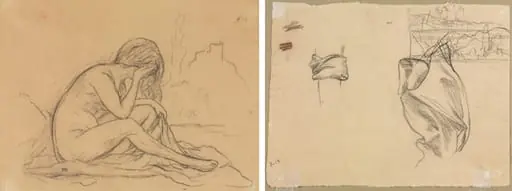 Study of a Female Nude (possibly for an unrealized allegorical painting) (recto); Studies of Drapery and Study of a Landscape (verso)
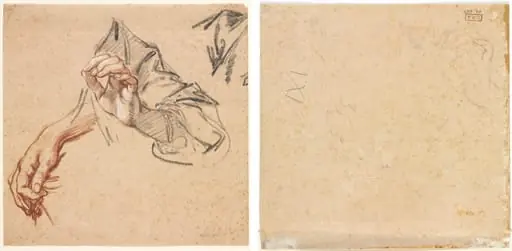 Study of Hands (recto); Sketch of a Hand (verso)
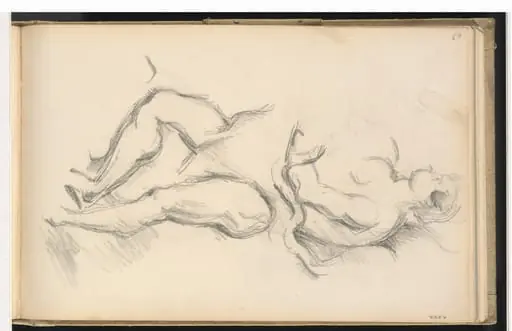 Study of the Allegorical Figure of the Genius of Health from Rubens' "The Birth of Louis XIII at Fontainbleau"
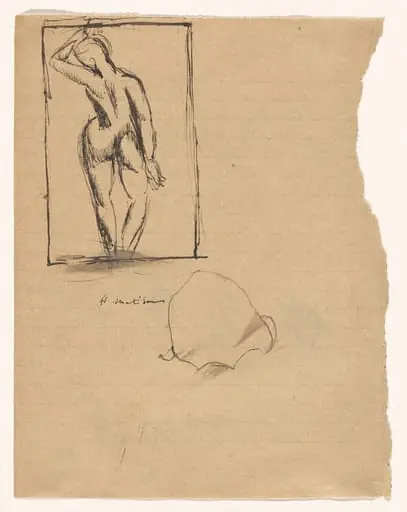 Untitled
 Untitled
 Male Torso