Artwork
Coup de vent
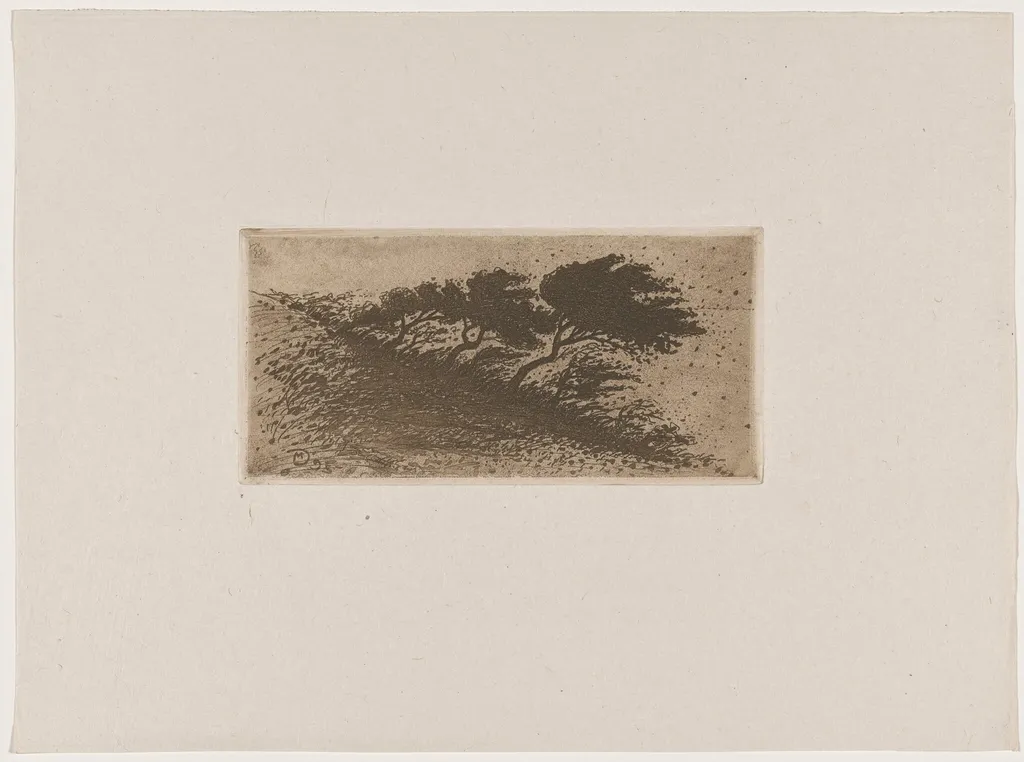
Coup de vent is a print by the Impressionist artist Maurice Dumont. It dates from 1895 and is held in the collection of the National Gallery of Art.
About this work
Overview
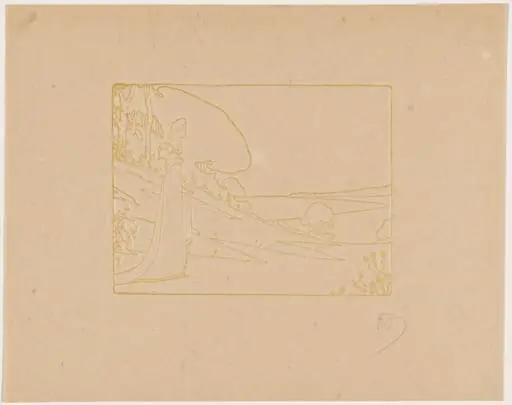
Coup de vent, executed in 1895 by Maurice Dumont, is a saccharograph printed on china paper. The work presents a monochromatic brown image that captures a turbulent natural scene, rendered with a distinctive grainy surface that differs from conventional ink prints.
Subject & Meaning
The composition centers on a bleak, swirling landscape dominated by two massive trees whose contorted branches reach outward. The ground appears uneven and rugged, suggesting a storm‑tossed terrain. The stark, almost skeletal forms convey a sense of elemental force and atmospheric tension.
Technique & Style
Dumont employed the saccharograph process, substituting sugar for traditional ink, which yields a textured, smudged appearance. The brown tones are applied through chiaroscuro, using contrasts of light and shadow to enhance the dramatic mood. The resulting surface resembles a pressed sketch rather than a smooth print.
History & Provenance
Created in the late nineteenth century, Coup de vent reflects Dumont’s experimental phase with alternative print media. The work is documented as part of his 1895 output, though specific ownership records beyond its initial exhibition remain limited.
Context
During the 1890s, artists explored unconventional materials and printing methods to break from academic conventions. Dumont’s use of saccharography aligns with this broader movement toward tactile, expressive techniques that foreground the materiality of the print itself.
Artist & collection

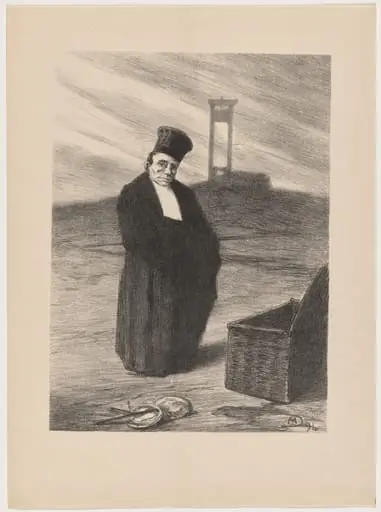
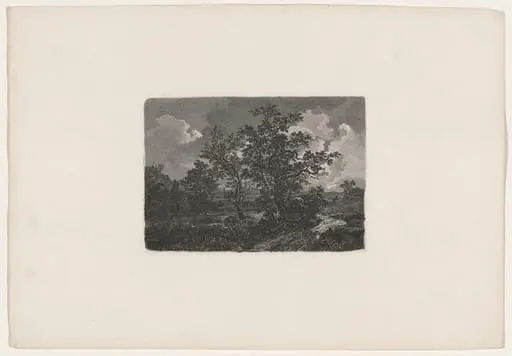 Nocturnal Landscape
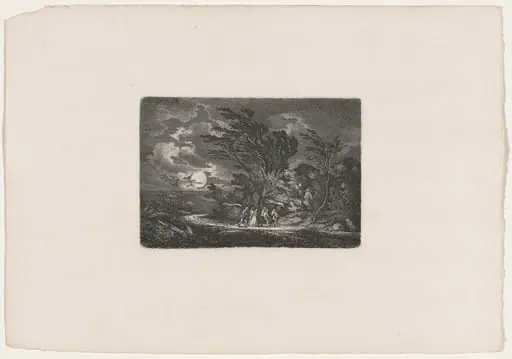 Five Travellers in the Moonlight
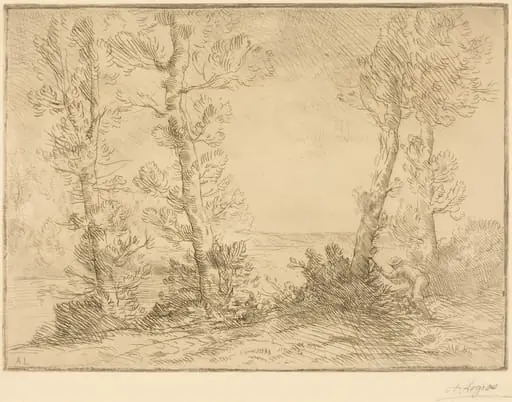 Salmon Fisher (Le pecheur du saumon)
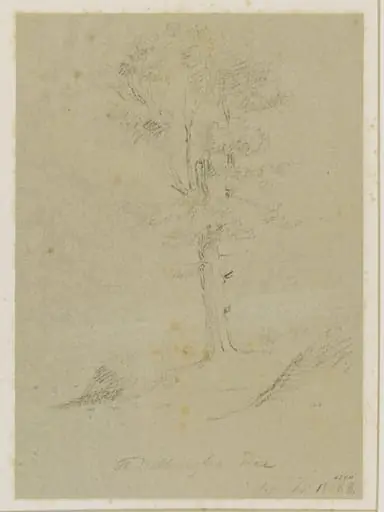 The Wellington Tree
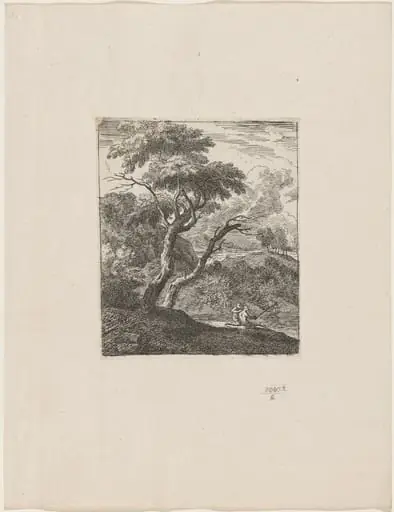 The Two Great Trees
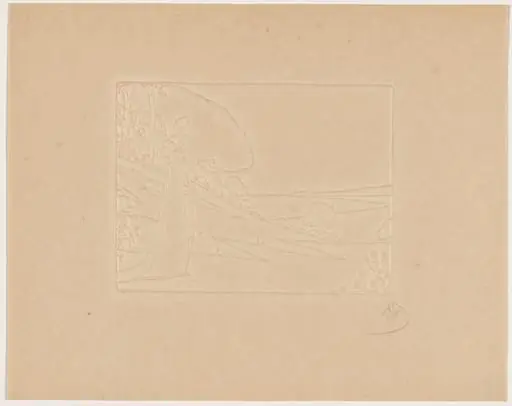 Carmosine (projet de programme)
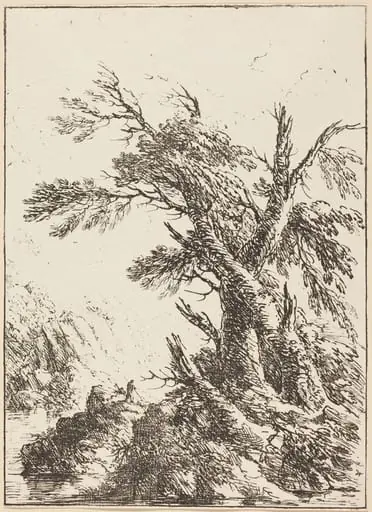 Landscape with Old Trees by Water
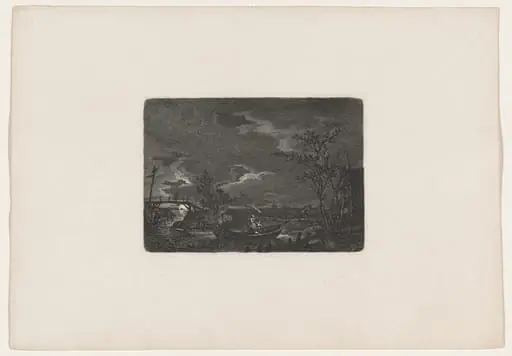 Night-Time Boat Ride
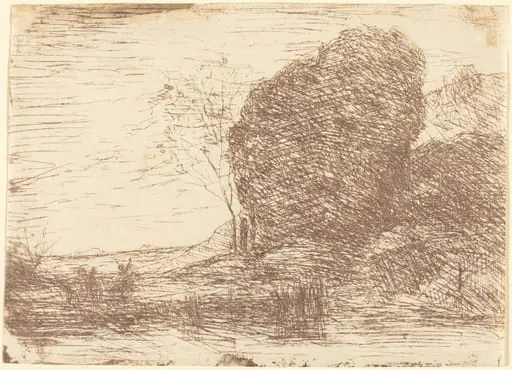 Feast of Pan (La Fete de Pan)
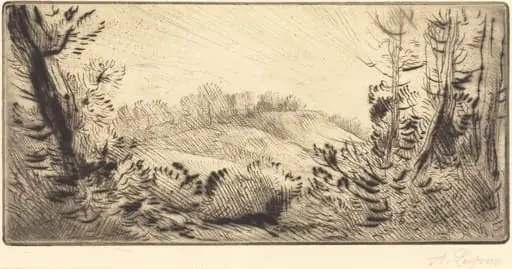 Small Hill (Le coteau)
 Small Lake (Le petit lac)
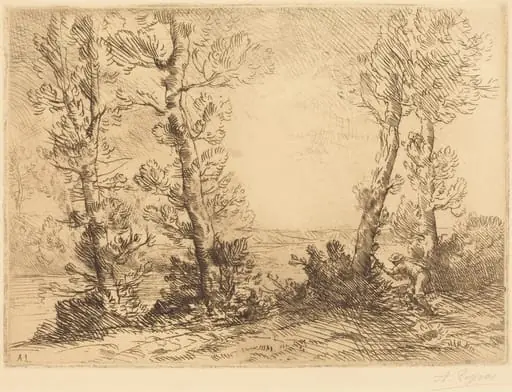 Salmon Fisher (Le pecheur du saumon)