Artwork
Marie Antoinette, soția regelui Louis XVI al Franței și Navarrei (în registrul inventar: Portret de femeie)
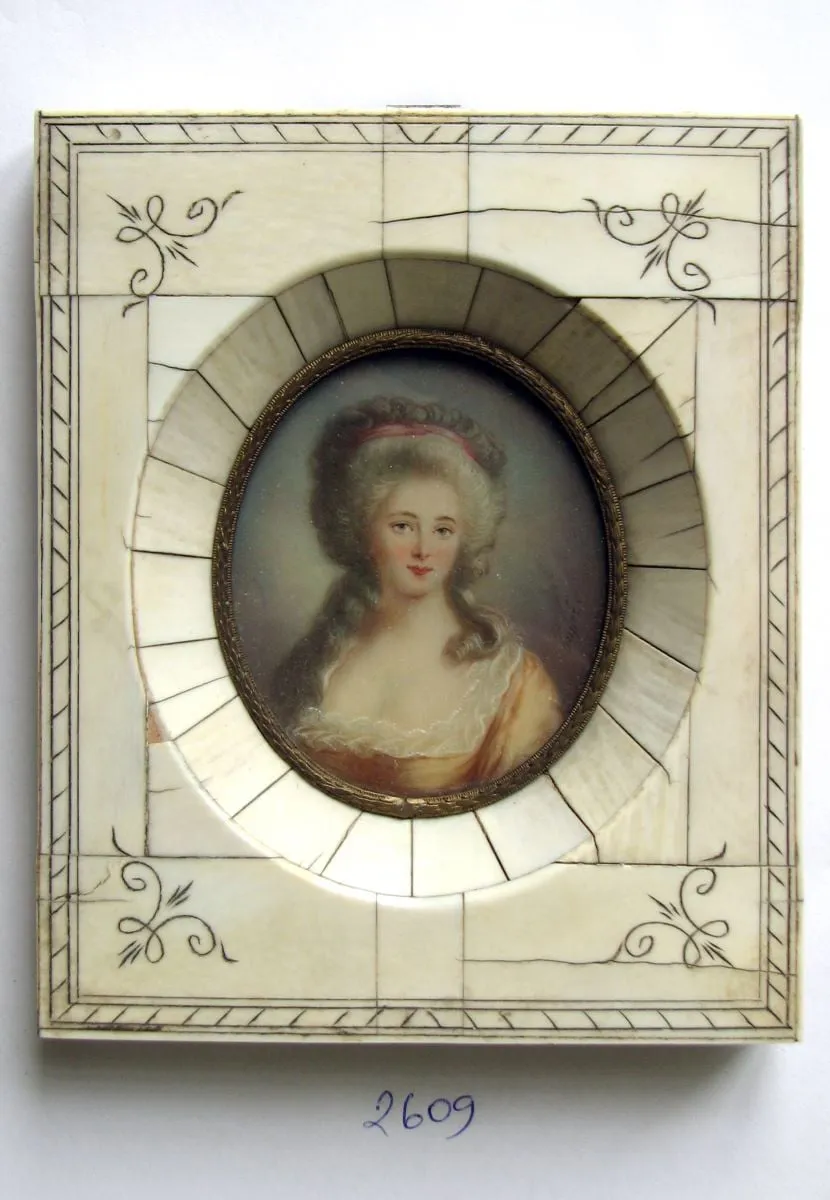
Marie Antoinette, soția regelui Louis XVI al Franței și Navarrei (în registrul inventar: Portret de femeie) is an unspecified painting by Louis Dupré. It is held in the collection of the Brukenthal National Museum. This portrait depicts Marie Antoinette, queen of France and Navarre, as a serene, elegantly dressed figure.
About this work
Overview
This portrait depicts Marie Antoinette, queen of France and Navarre, as a serene, elegantly dressed figure.
This portrait depicts Marie Antoinette, queen of France and Navarre, as a serene, elegantly dressed figure. Rendered in a soft, intimate style, the painting emphasizes her composed demeanor and refined attire. The circular composition and modest frame suggest a private, rather than ceremonial, purpose. The frame shows signs of age and repair, hinting at a history of handling and preservation over time.
Subject & Meaning
Marie Antoinette is portrayed without royal insignia or symbolic props, focusing instead on her personal appearance. Her white dress and delicate sash convey a sense of quiet grace, aligning with the pastoral ideals popular in late 18th-century portraiture. The direct gaze and calm expression invite a sense of intimacy, possibly intended to soften her public image during a period of growing political tension.
Technique & Style
The artist employs gentle chiaroscuro to model the queen’s face, with subtle shadows under the chin and around the eyes creating depth without drama. Brushwork is soft and blended, avoiding sharp definition, which enhances the delicate texture of skin and fabric. The pale pink lips and loose curls add a touch of naturalism, contrasting with the idealized stillness of her posture.
History & Provenance
The painting’s frame, with its worn gold trim and patched edges, suggests it has been moved, repaired, or displayed in multiple settings over time. Its inclusion in an inventory under the generic title 'Portrait of a Woman' implies it may have been cataloged discreetly, perhaps to avoid political associations after the Revolution. The attribution to Louis Dupré aligns with his known portraits of French aristocracy.
Context
Created during the final years of the French monarchy, the portrait reflects a shift in royal imagery toward domesticity and emotional restraint. While earlier depictions emphasized power and grandeur, this image aligns with the queen’s efforts to cultivate a more relatable, maternal persona. Yet its quietness also underscores the fragility of her position as public sentiment turned against the court.
Legacy
The portrait survives as a quiet testament to a monarch’s attempt to control her public image amid rising unrest. Its unadorned style and physical wear mirror the decline of the ancien régime. Unlike grand state portraits, this work offers no propaganda—only a vulnerable, human presence, preserved through time by its modesty and endurance.
Artist & collection
Artist
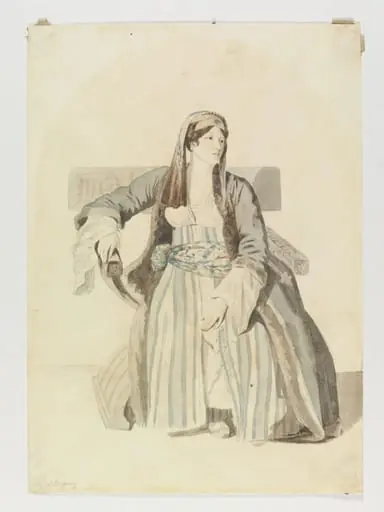
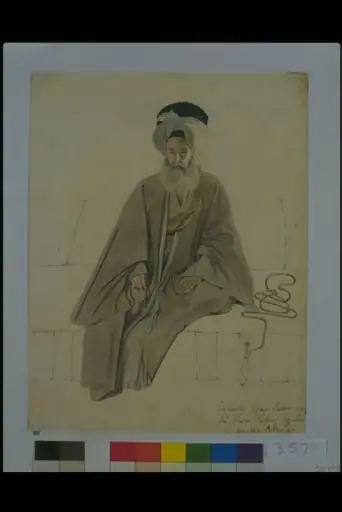
Louis Dupré traveled Ottoman lands in the 1810s and 1820s, painting watercolours of daily life like Une Demoiselle Grecque de Livadie and Mehmet Aga Salam.

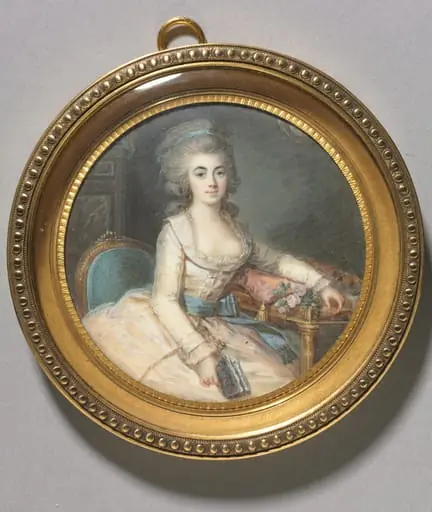 Portrait of a Woman
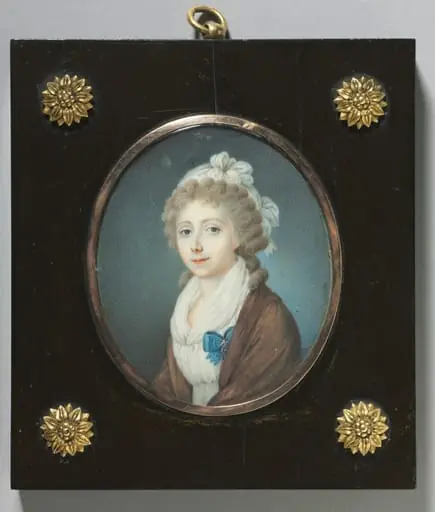 Portrait of a Noblewoman
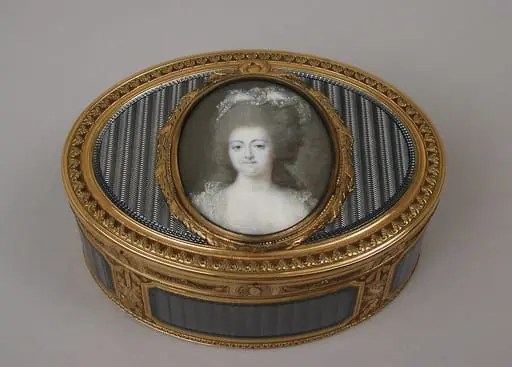 Snuffbox with portrait of a woman
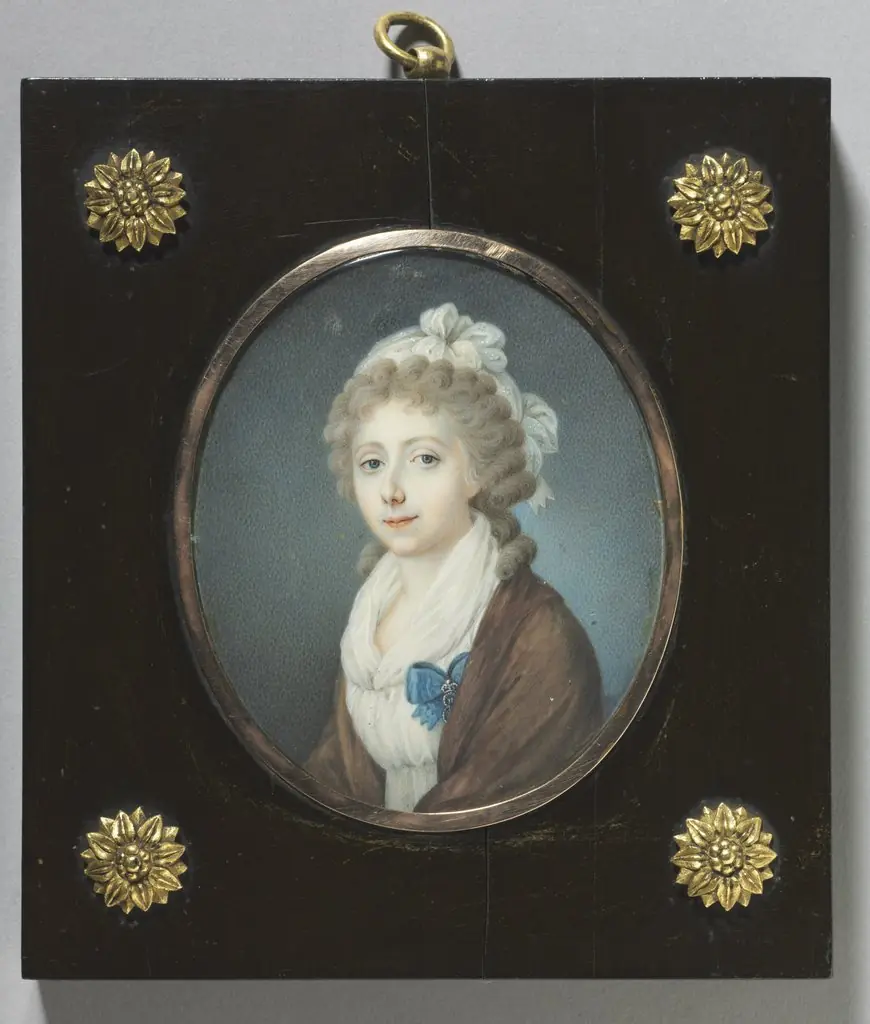 Portrait of a Noblewoman
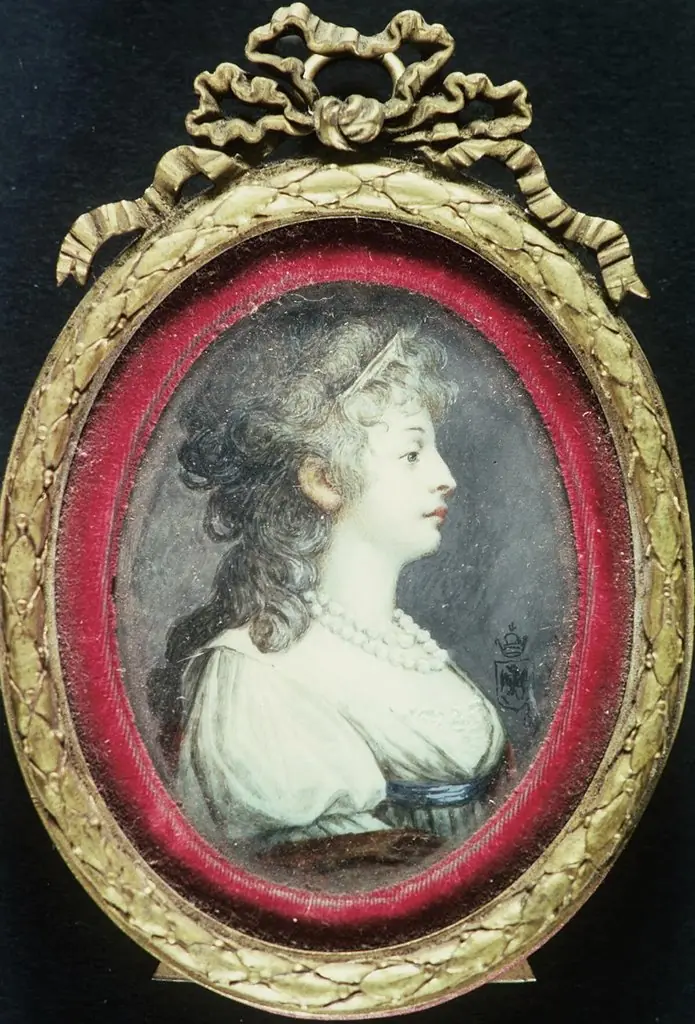 Portrait of lady in pale green dress
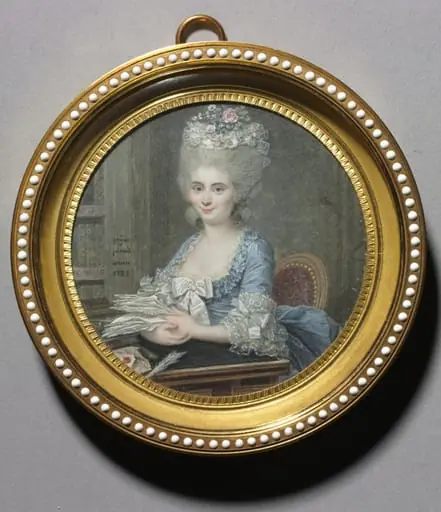 Portrait of a Woman in a Blue Dress
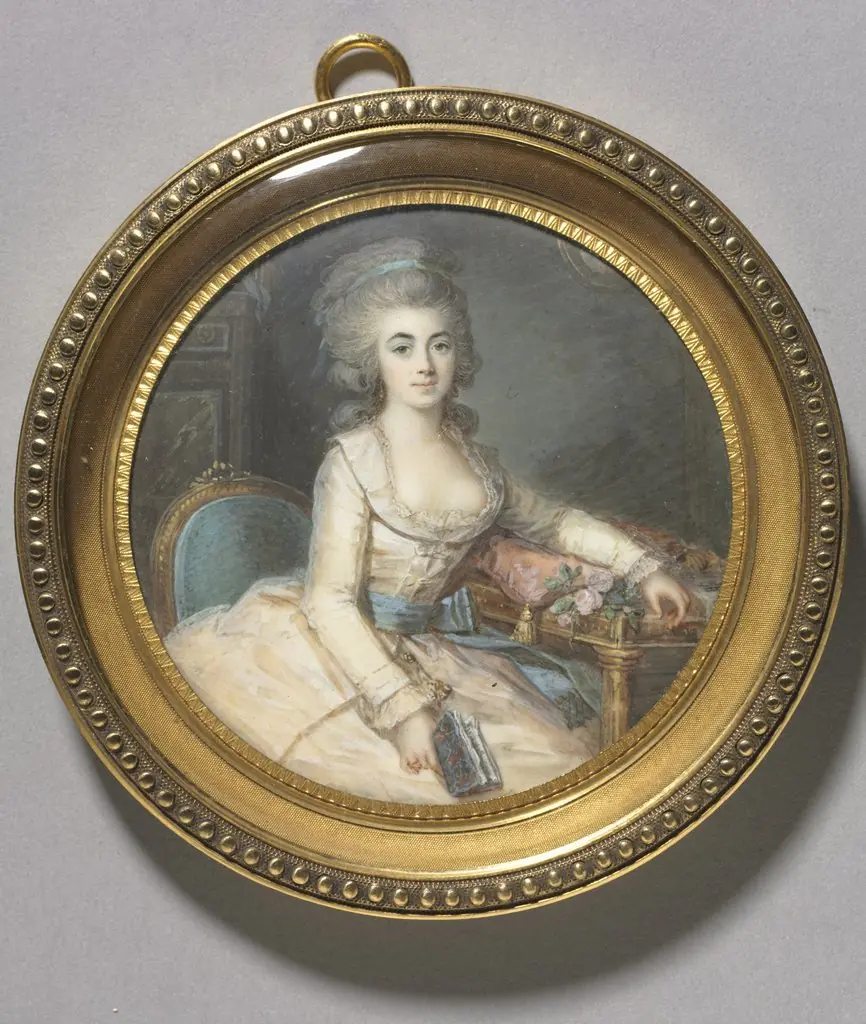 Portrait of a Woman
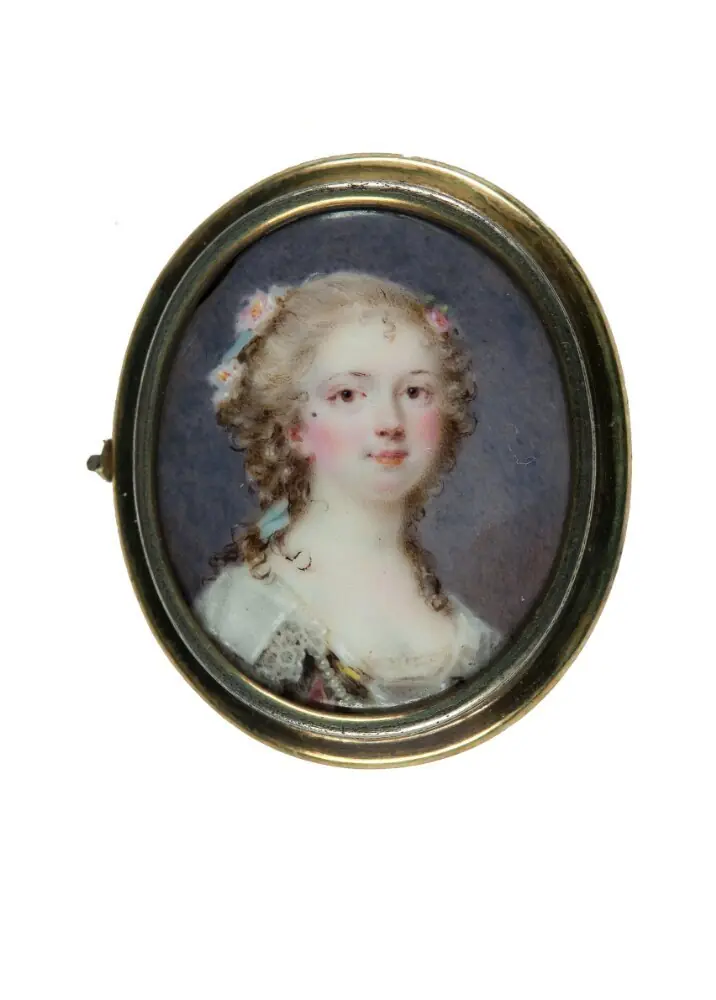 Élisabeth Vigée-Lebrun, Presumed Portrait
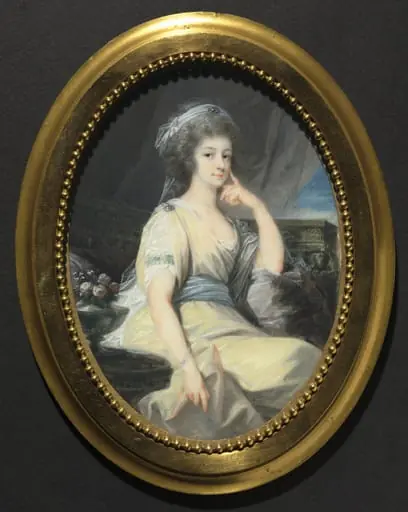 Portrait of Marie Karolina Anna, Countess Thun
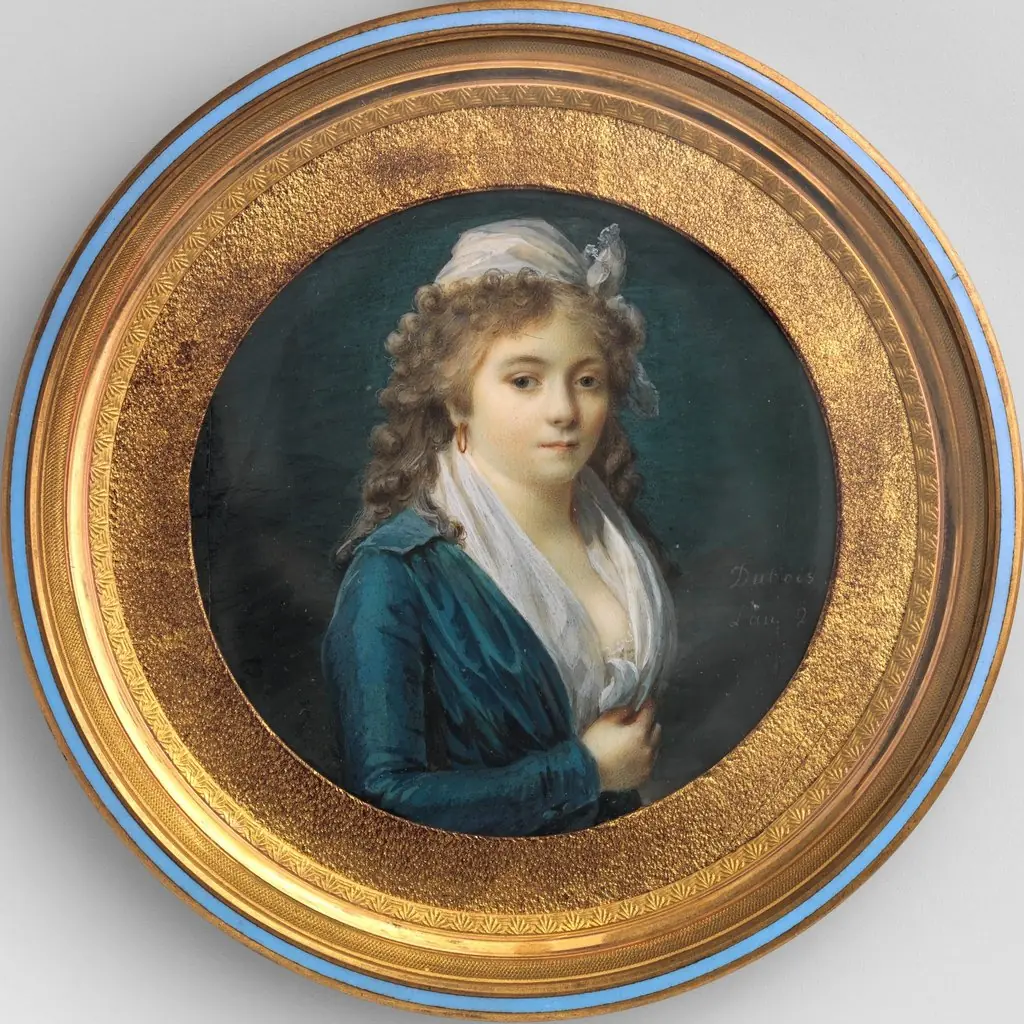 Portrait of a Woman
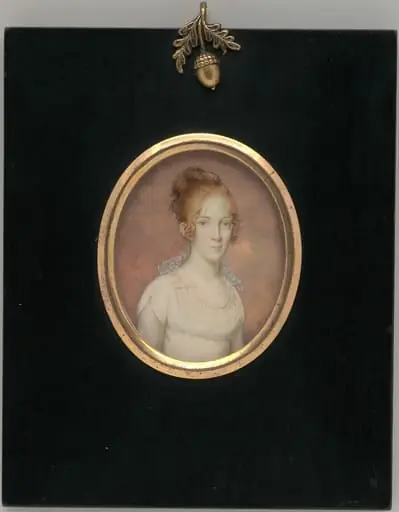 Mrs. Nathaniel Bowen (Margaret Blake)
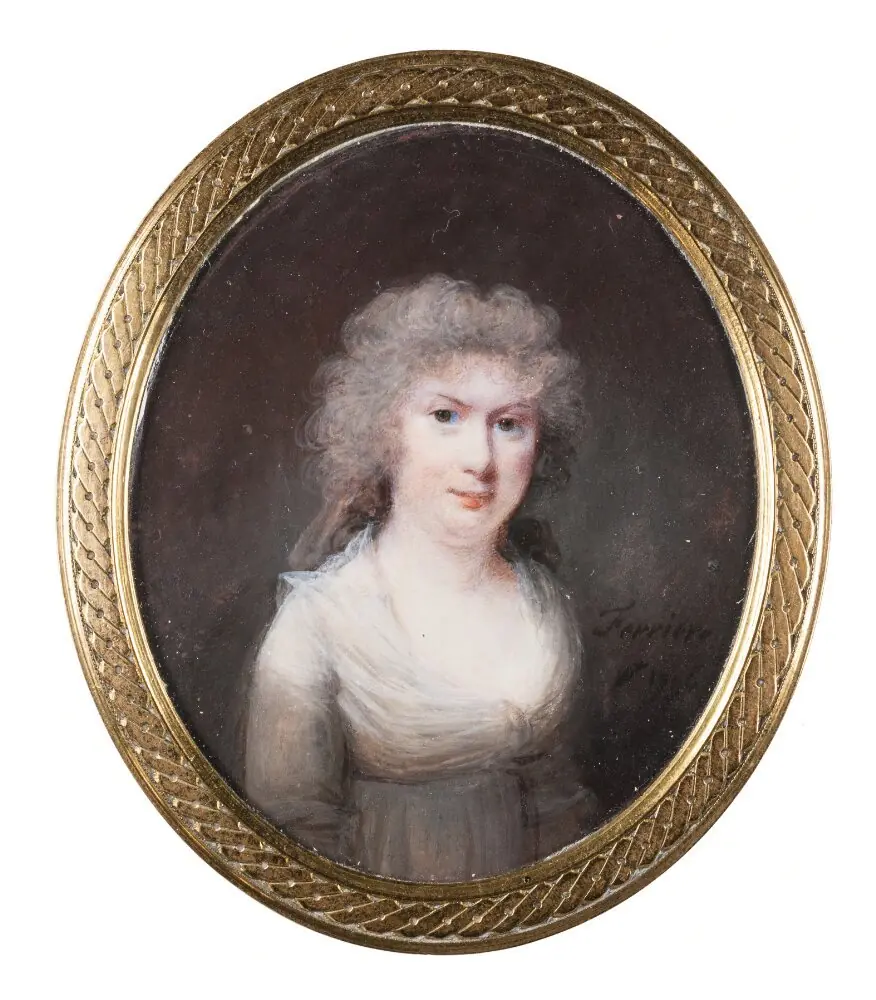 Unknown Lady