Artwork
Paulo Afonso Falls
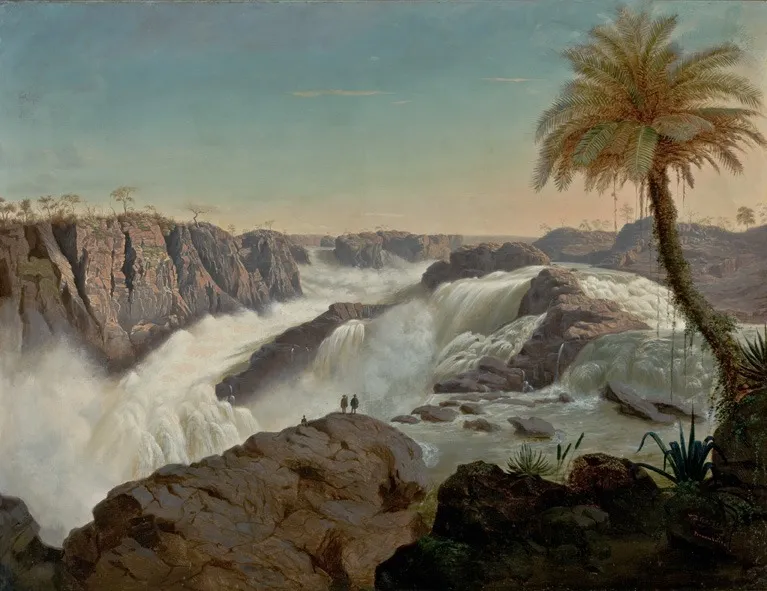
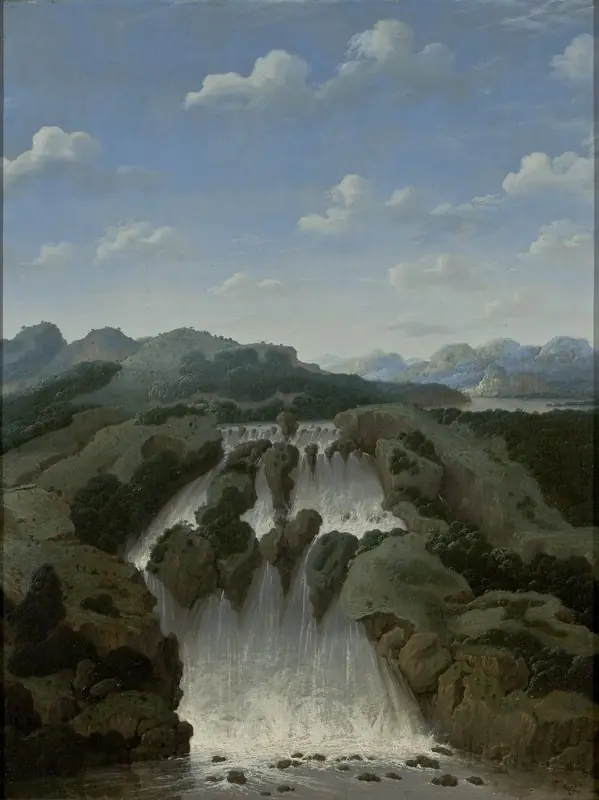
Paulo Afonso Falls is an oil painting by E. F. Schute. It dates from 1850 and is held in the collection of the São Paulo Museum of Art.
About this work
Overview
The painting reflects a period when South American landscapes were increasingly documented by foreign and local artists.
Paulo Afonso Falls is an oil painting dated around 1850, attributed to E. F. Schute. It portrays the natural landmark of the same name in northeastern Brazil. The work is part of the collection at the São Paulo Museum of Art, where it remains one of the few 19th-century Western depictions of the region’s dramatic waterfalls. The painting reflects a period when South American landscapes were increasingly documented by foreign and local artists.
Subject & Meaning
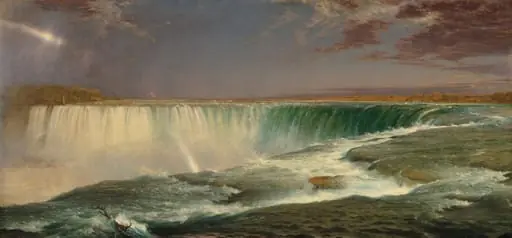
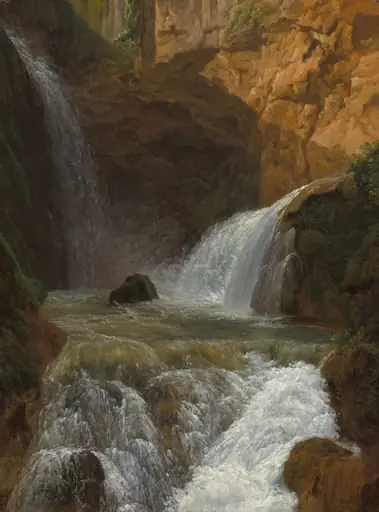
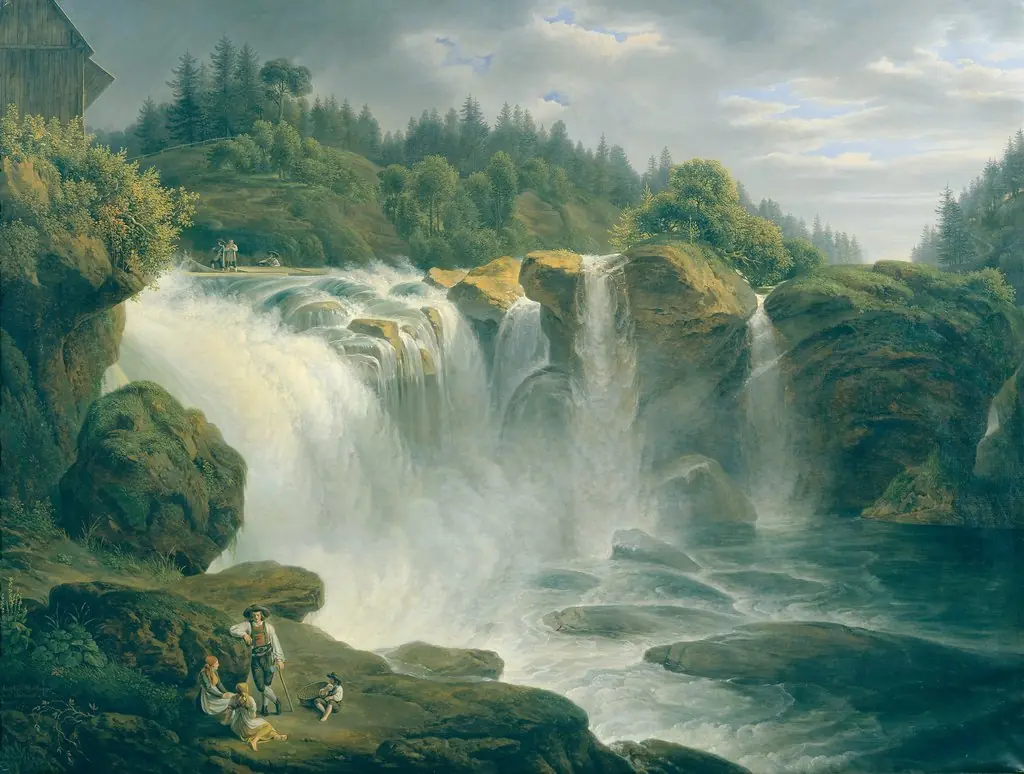
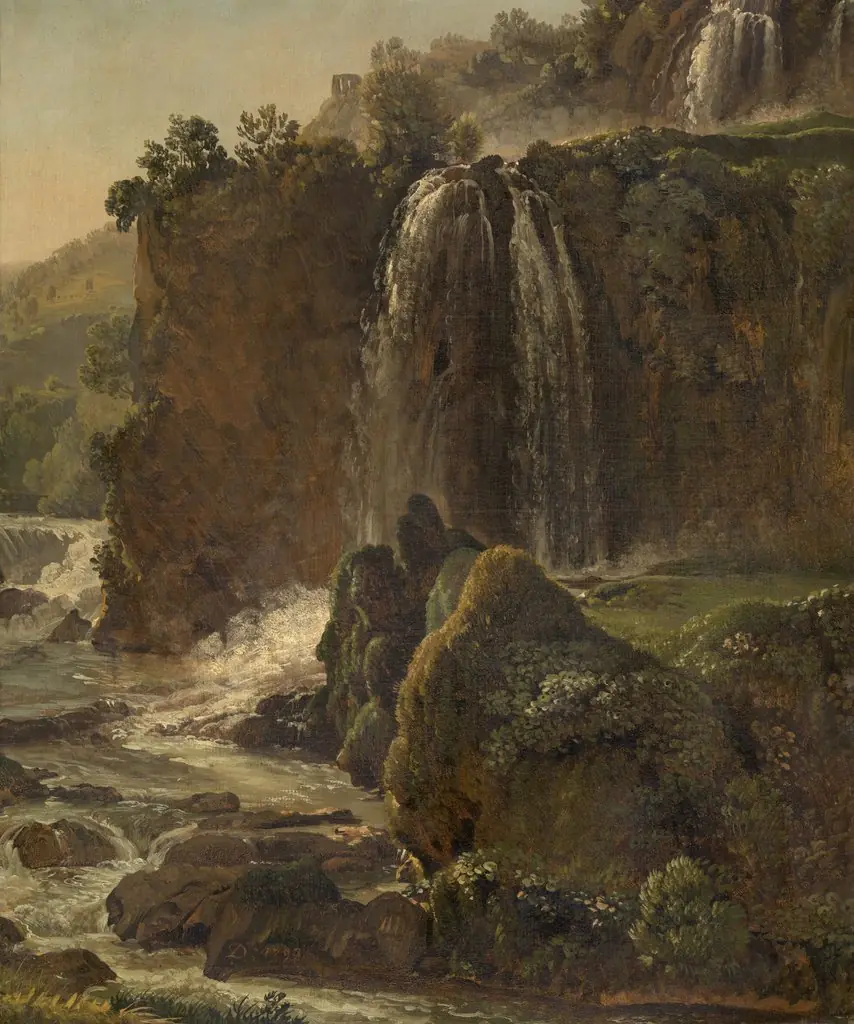
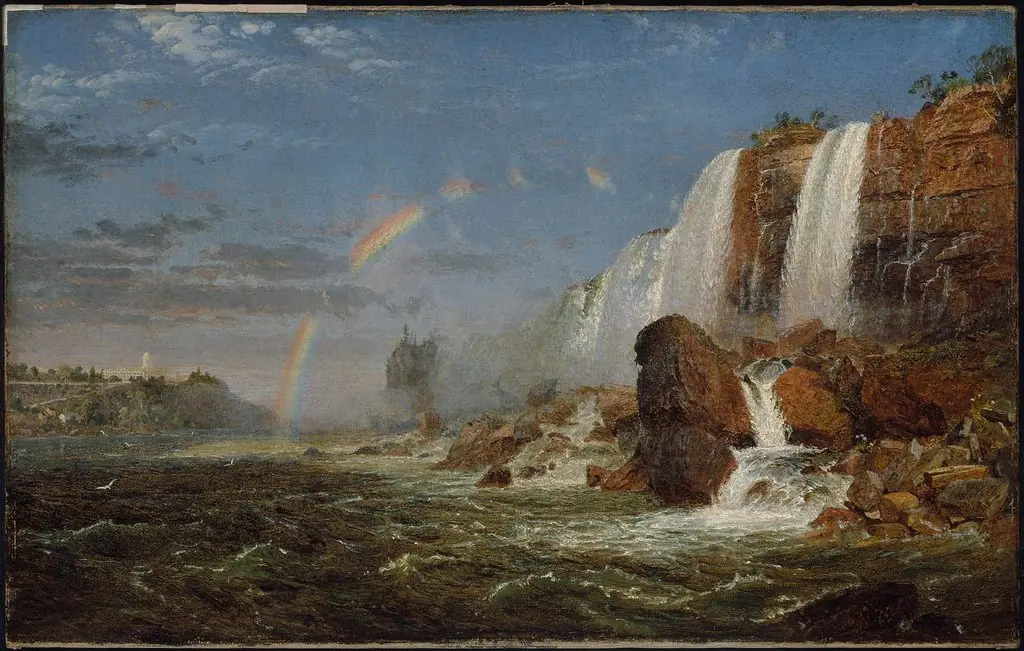
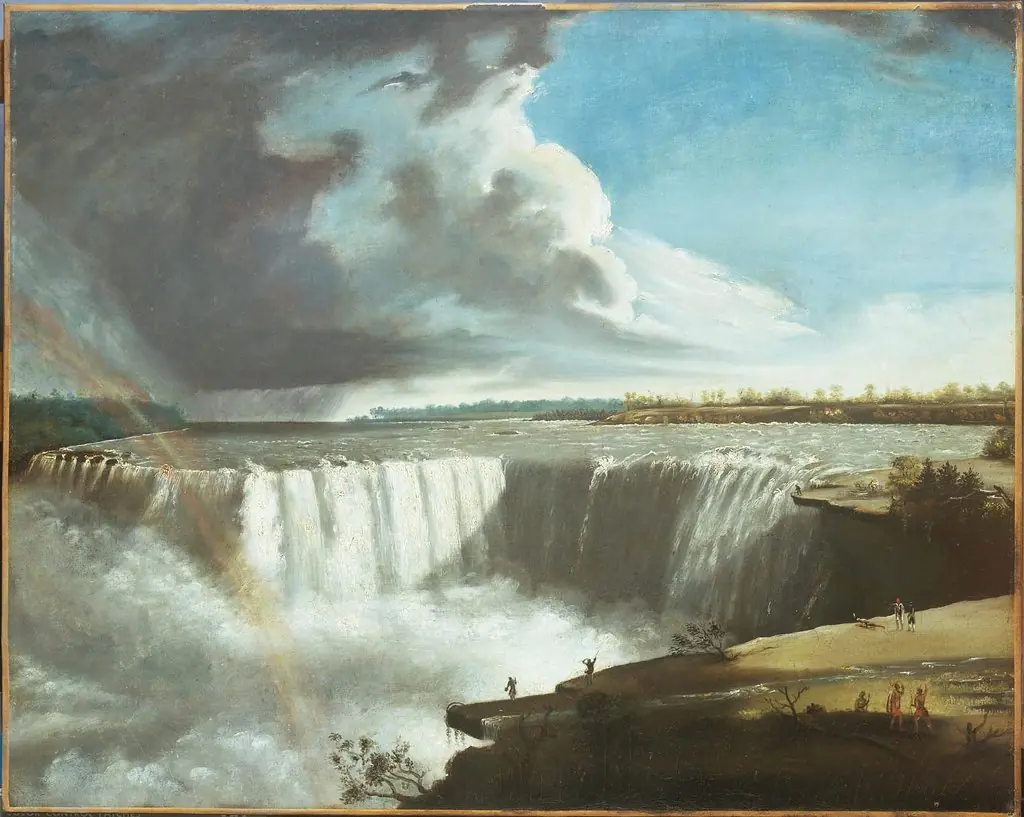
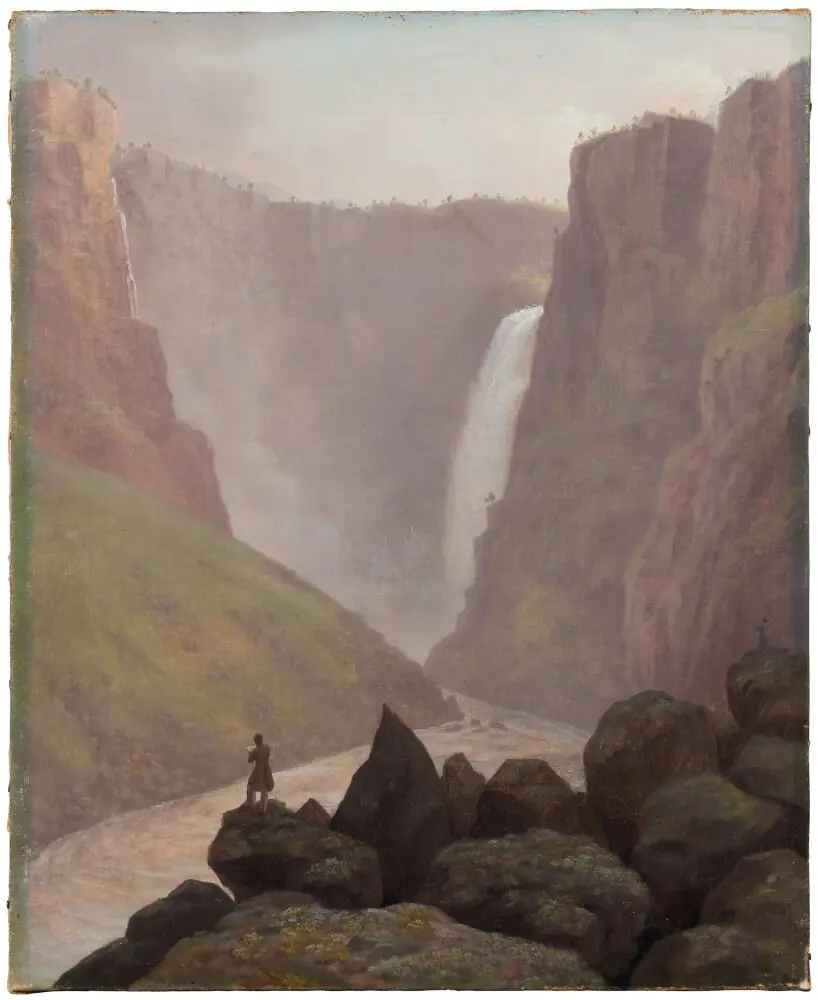
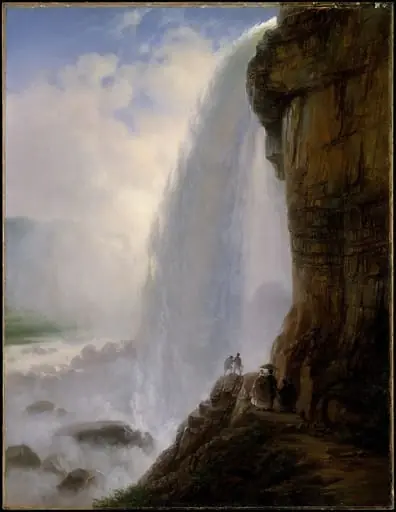
The painting captures the Paulo Afonso Falls as a powerful natural spectacle, with water plunging over layered cliffs into a misty pool below. Small figures on foreground rocks offer scale and quiet contemplation, suggesting human awe rather than domination. The scene avoids narrative or symbolic embellishment, instead emphasizing the sublime presence of nature. The inclusion of observers implies a cultural interest in witnessing and recording Brazil’s untamed geography.
Technique & Style
Schute employs chiaroscuro to model the cascading water and rugged rock formations, enhancing volume and spatial depth. The foliage, rendered with careful brushwork, contrasts the smooth flow of water with dense, textured vegetation. Palm trees frame the composition, guiding the viewer’s eye toward the falls. The palette favors earthy greens and muted grays, with subtle highlights on wet surfaces to suggest moisture and light reflection.
History & Provenance
The painting was likely produced during a wave of European-influenced landscape documentation in mid-19th-century Brazil. It entered the São Paulo Museum of Art’s collection in the 20th century, though its earlier ownership remains undocumented. Schute’s identity is obscure; he may have been a traveling artist or colonial-era draftsman. The work’s survival suggests it was valued early as a record of Brazil’s natural heritage.
Context
Created during Brazil’s imperial period, the painting aligns with broader 19th-century trends in which natural wonders were depicted as both scientific subjects and aesthetic experiences. While European Romantic landscapes influenced its tone, the specificity of the location marks it as a regional document. It reflects a growing national interest in defining Brazil’s identity through its geography, distinct from colonial imagery.
Legacy
Paulo Afonso Falls remains a rare visual record of the site before industrialization altered its surroundings. Though Schute’s oeuvre is limited, this work contributes to the historical archive of Brazilian landscape painting. It is studied for its observational accuracy and as an example of how foreign and local artists interpreted Brazil’s natural features during a formative era of national self-representation.
Artist & collection
Artist
E. F. Schute painted dramatic scenes of waterfalls in oils. In 1850, he captured the thunderous Paulo Afonso Falls on canvas, a towering river plunging over cliffs in Portugal. His brushwork is crisp and precise,…