Artwork
Der Traunfall bei Gmunden
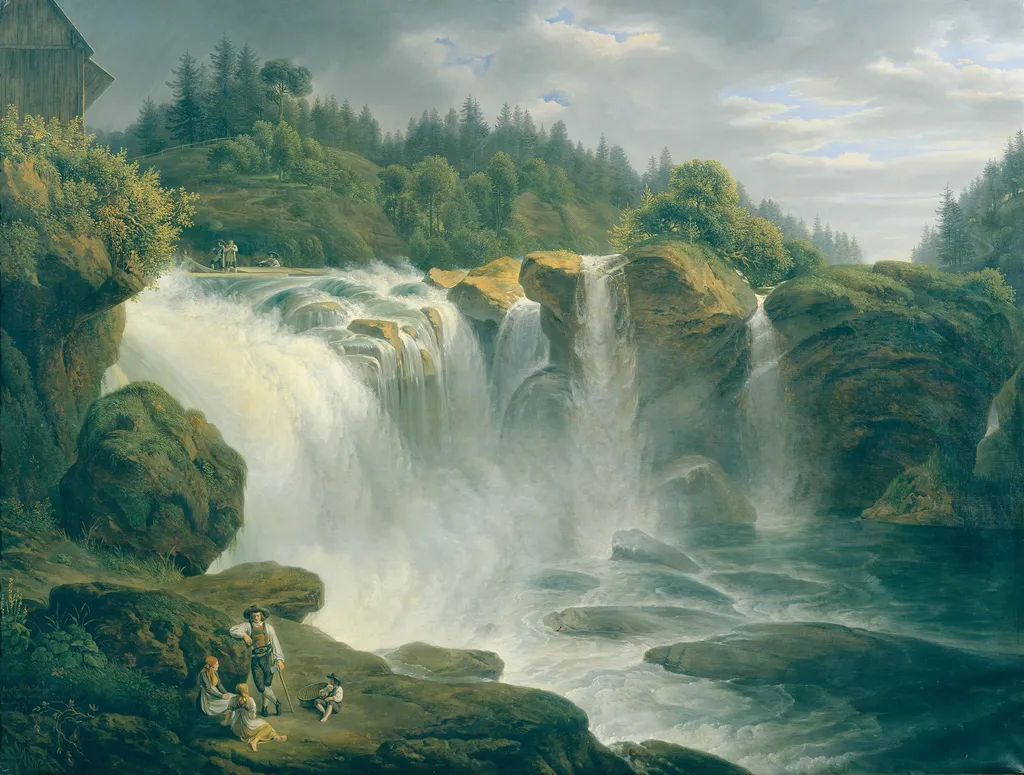
Der Traunfall bei Gmunden is an oil painting by the Biedermeier artist Johann Nepomuk Schödlberger. It dates from 1821 and is held in the collection of the Kunsthistorisches Museum.
About this work
Overview
Painted in 1821 by Johann Nepomuk Schödlberger, this oil-on-canvas work depicts the Traunfall, a waterfall near the Austrian town of Gmunden. The painting belongs to the collection of the Kunsthistorisches Museum in Vienna, where it remains as part of a broader 19th-century interest in regional landscapes and natural phenomena.
Subject & Meaning
The scene captures the cascading waters of the Traun River as it plunges over a rocky ledge, framed by dense vegetation and rugged terrain. Rather than idealizing the landscape, Schödlberger presents it with quiet precision, reflecting a growing appreciation for unembellished natural beauty in early Romantic-era Austria.
Technique & Style
Schödlberger employed fine brushwork to render the movement of water and the texture of foliage, using muted earth tones with subtle highlights to suggest light filtering through the trees. The composition is balanced and restrained, avoiding dramatic flourishes in favor of observational accuracy and atmospheric cohesion.
History & Provenance
Commissioned or acquired during the artist’s lifetime, the painting entered the Kunsthistorisches Museum’s collection in the 19th century. It has remained in public custody since, with no documented changes in ownership, and is cataloged as part of the museum’s Austrian landscape painting holdings.
Context
Created during a period when Austrian artists increasingly turned to local scenery for inspiration, the work aligns with a national trend of documenting regional geography. Schödlberger’s focus on the Traunfall reflects both personal familiarity with the area and a cultural shift toward valuing native landscapes over foreign or mythological subjects.
Legacy
Though not widely reproduced, the painting contributes to the historical record of Austrian landscape painting in the early 1800s. It stands as a modest but deliberate example of how artists of the time engaged with their immediate environment, laying groundwork for later developments in regionalist art.
Own this work as a print
Artist & collection
Artist
This 19th-century Austrian painter captured sweeping alpine landscapes and quiet village scenes in oils.

 Tivoli Waterfall
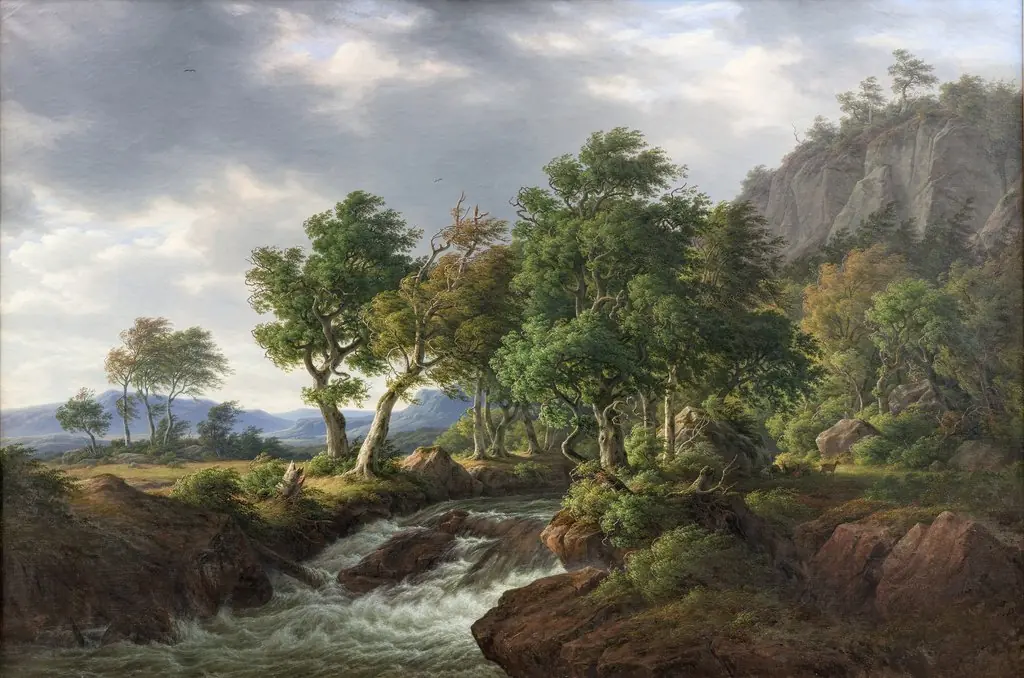 Klippelandskab. Djupadal i Bleking
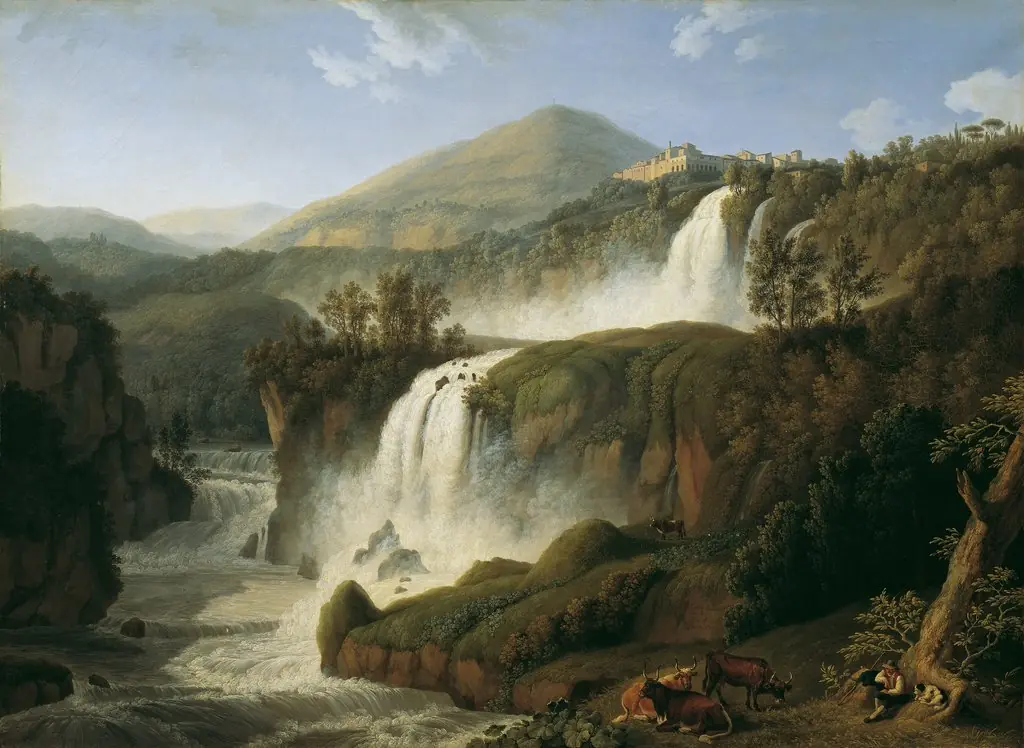 The Large Waterfall at Tivoli near Rome
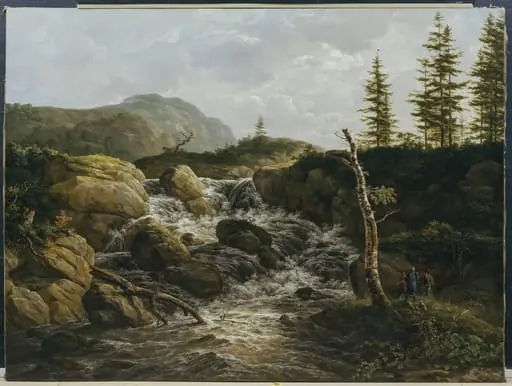 Mountainous Landscape with a Waterfall, Norway
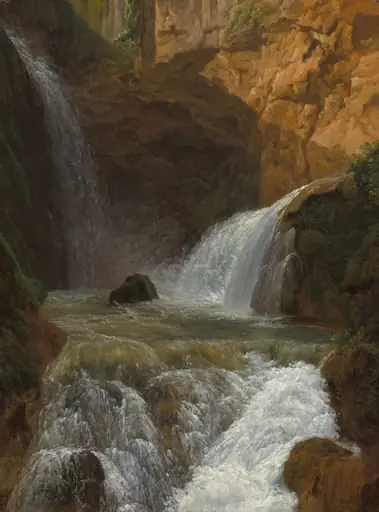 View of the Waterfalls at Tivoli
 Nevada Falls, Yosemite
 The Waterfalls at Tivoli
 Great Cascades at Tivoli
 Klippelandskab. Djupadal i Bleking
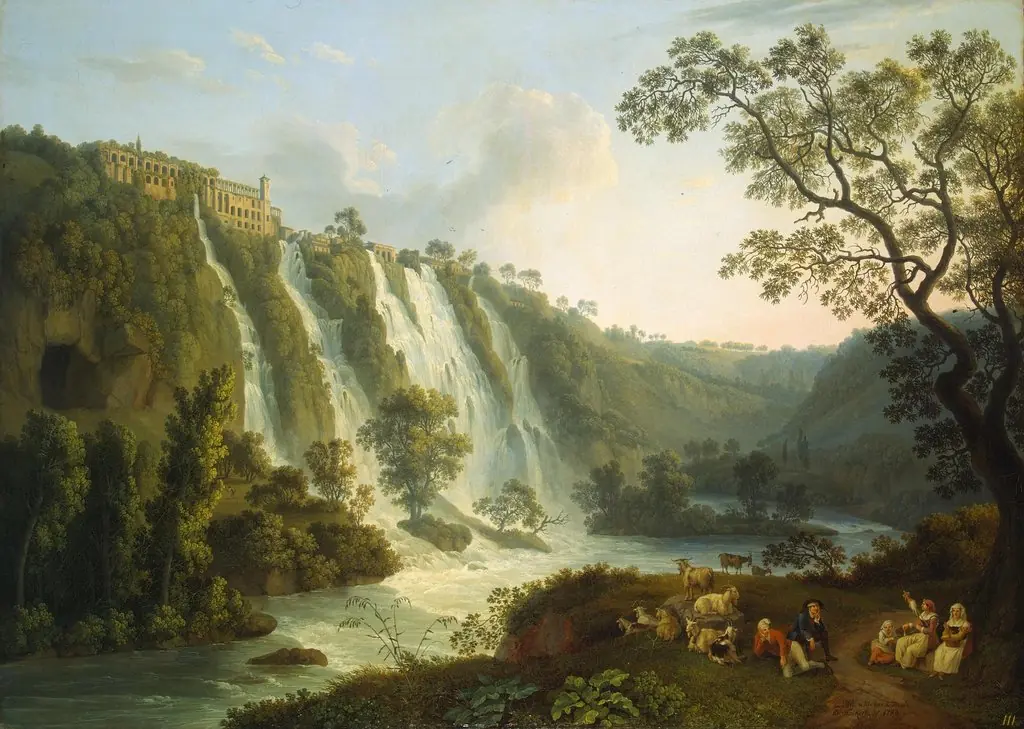 Villa of Maecenas and the Waterfalls at Tivoli
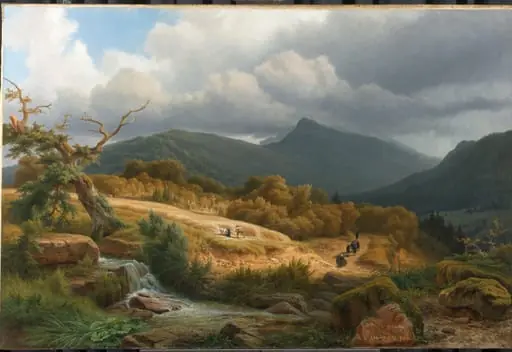 The Cemetery at Baden-Baden
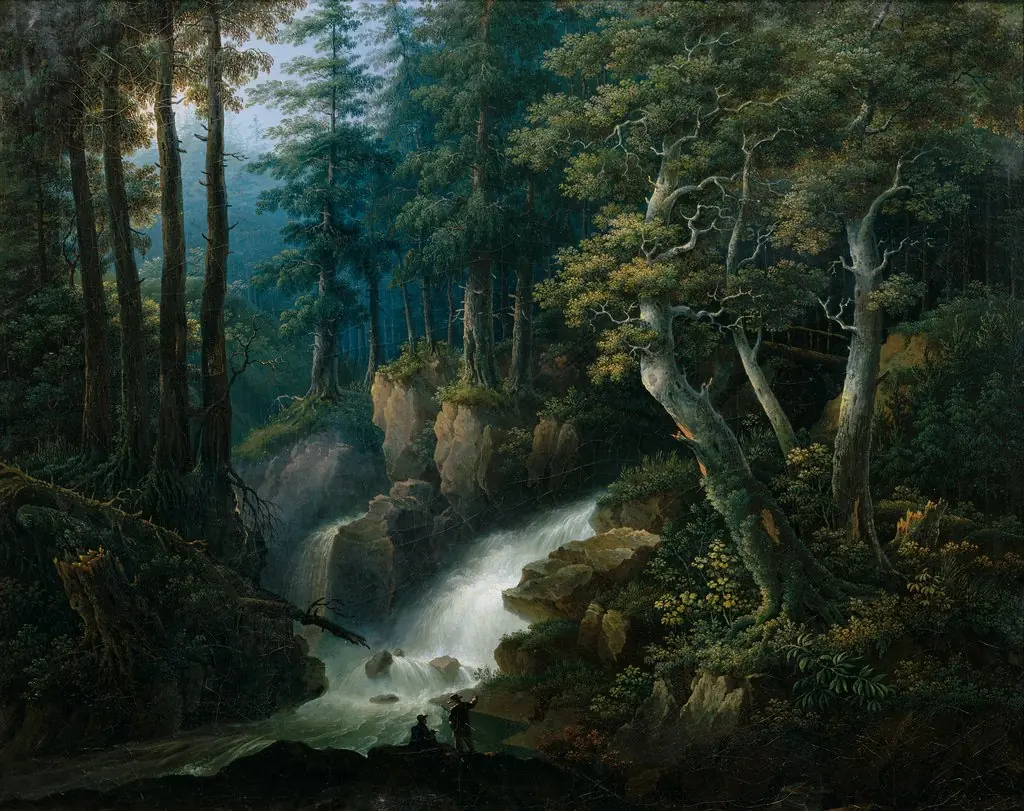 Der Wasserfall der Ilse auf dem Brocken im Harzgebirge