Artwork
Giuseppe Fancelli
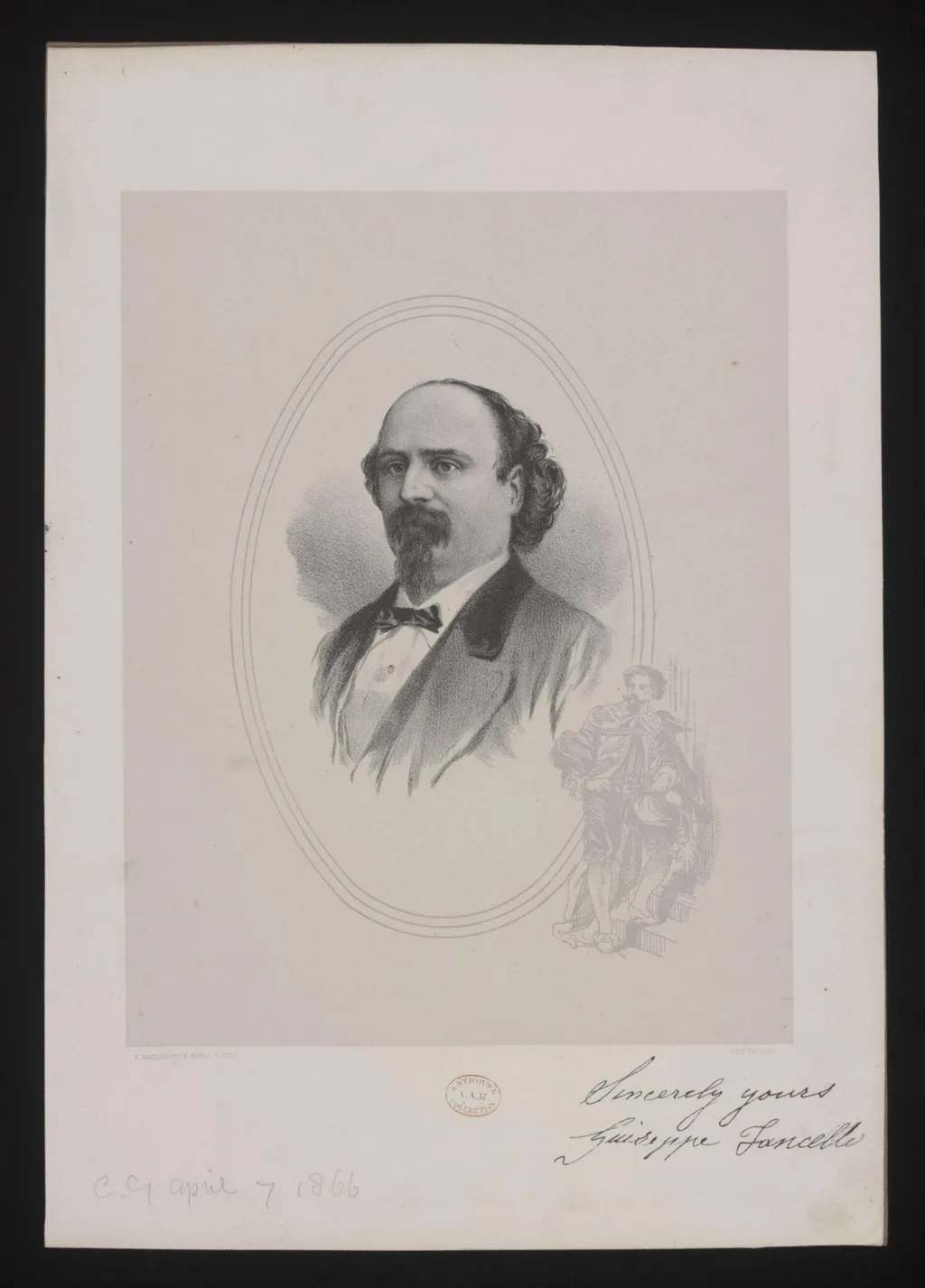
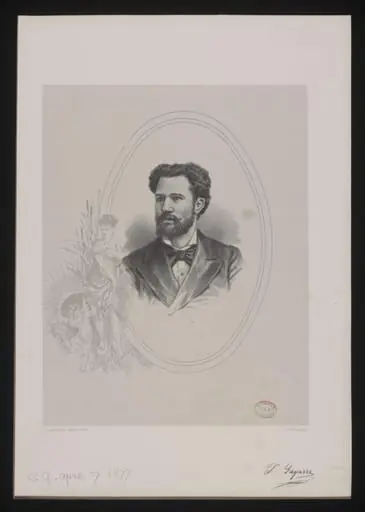
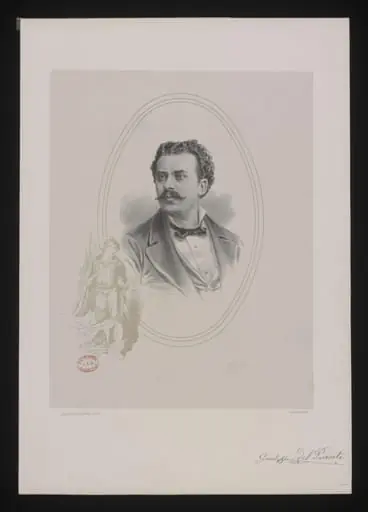
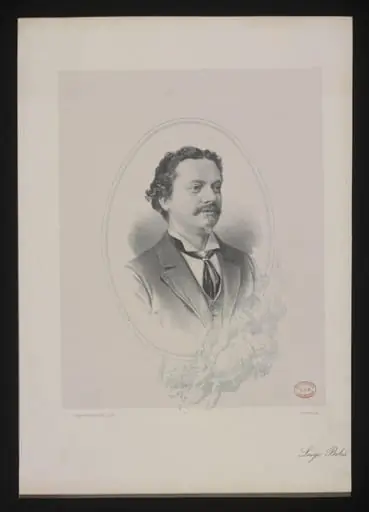
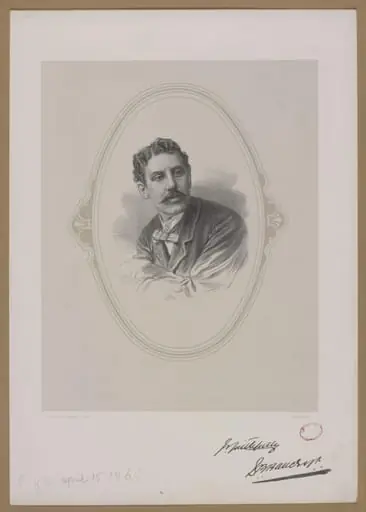
Giuseppe Fancelli is a print by E. Matthews & Sons. It dates from 1850 and is held in the collection of the Victoria and Albert Museum.
About this work
Overview
Created using hand-printing techniques on paper, it belongs to a common genre of portrait reproductions circulated during the period.
This 19th-century print depicts the Italian architect Giuseppe Fancelli, produced by E. Matthews & Sons in Great Britain. Created using hand-printing techniques on paper, it belongs to a common genre of portrait reproductions circulated during the period. The Victoria and Albert Museum holds this example as part of its collection of printed visual materials, reflecting the era’s interest in disseminating images of notable figures.
Subject & Meaning
Giuseppe Fancelli was an architect active in 18th-century Italy, known for his work in Rome and his association with the papal court. This print serves as a visual record of his likeness, likely intended to convey his professional stature. Such portraits were not personal memorials but rather tools of cultural transmission, allowing distant audiences to recognize figures of architectural and artistic significance.
Technique & Style
The image was produced through manual printmaking methods typical of the period, likely an engraving or lithograph. The face is rendered in fine lines, emphasizing contours and expression without color or elaborate background. The style is restrained, prioritizing clarity and reproduction over artistic embellishment, aligning with the commercial aims of print publishers seeking accessible portraiture.
History & Provenance
Printed by E. Matthews & Sons in Britain, the image was likely distributed through small print shops that specialized in affordable portraits. Its presence in the Victoria and Albert Museum suggests it was collected for its historical value rather than aesthetic novelty. The print’s survival indicates its role in preserving the visual identity of figures like Fancelli beyond their immediate circles.
Context
In the 19th century, printed portraits of artists and architects became widespread as literacy and print technology expanded. These images filled a demand for visual reference in education and public discourse. Fancelli’s inclusion reflects a broader trend of documenting cultural contributors, even those from earlier generations, as part of a growing historical consciousness in Britain and Europe.
Legacy
This print contributes to the archival record of Fancelli’s public image, preserving a visual representation that may otherwise have been lost. While not an original portrait, it represents how 19th-century print culture sustained the memory of 18th-century figures. Its preservation in a major museum underscores its value as a historical artifact rather than an artistic one.
Artist & collection
Artist
E. Matthews & Sons ran a print shop in Victorian London where opera singers and actors lined up to sit for their portraits. The family cranked out crisp black-and-white lithographs that looked like they’d been sketched…