Artwork
Julián Gayarre
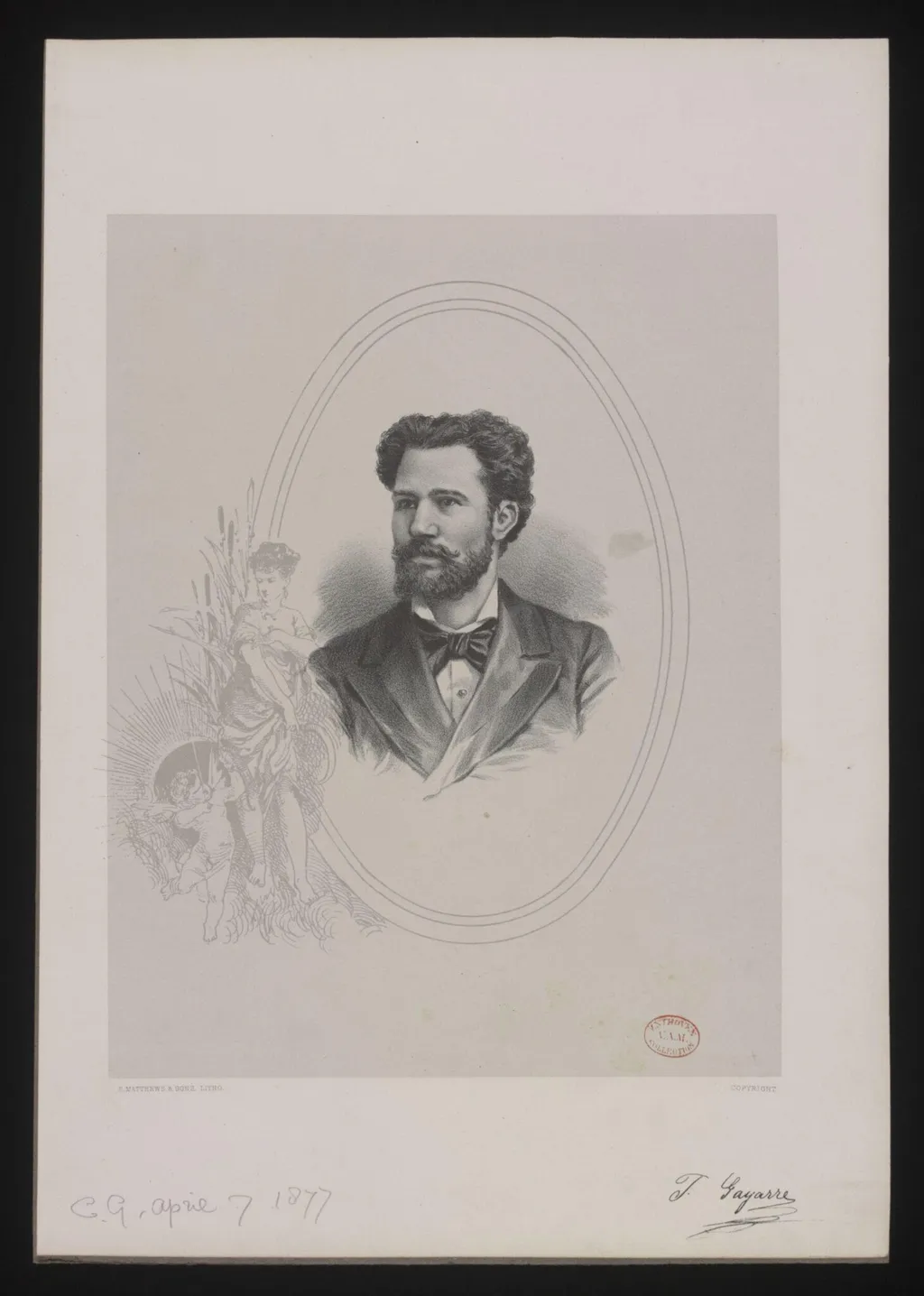
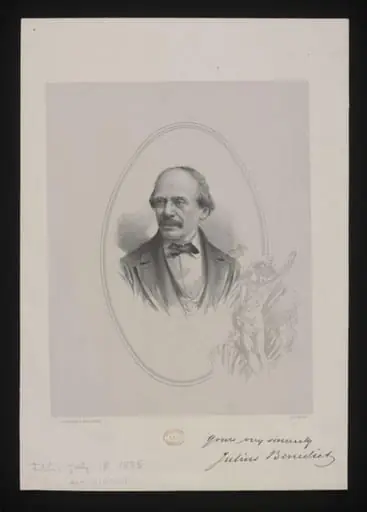
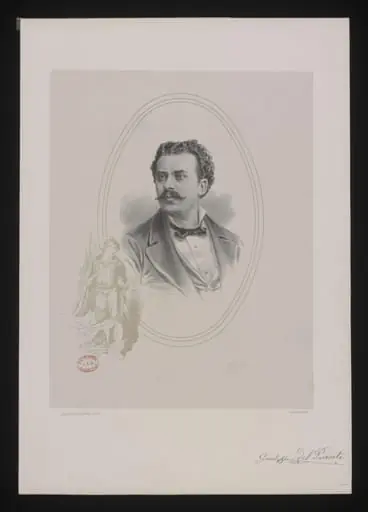
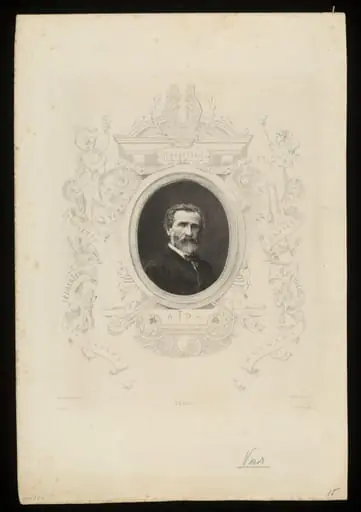
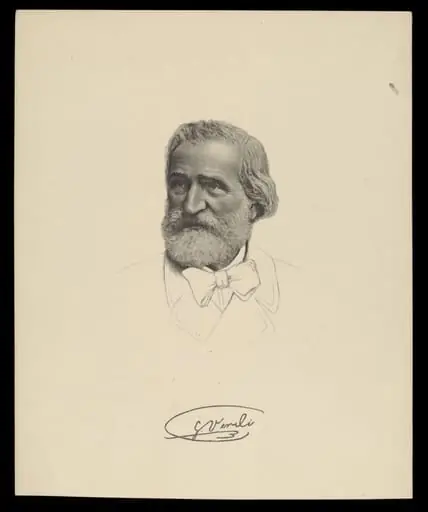
Julián Gayarre is a print by E. Matthews & Sons. It dates from 1850 and is held in the collection of the Victoria and Albert Museum.
About this work
Overview
The print’s simplicity suggests a focus on accessibility rather than artistic elaboration.
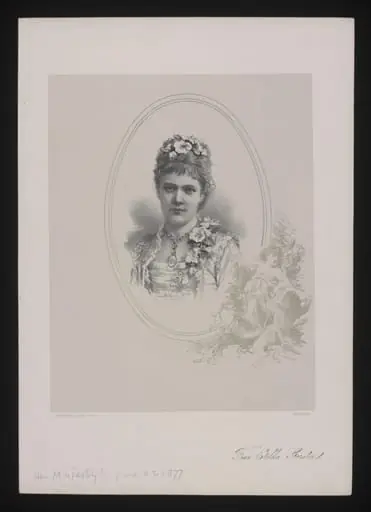
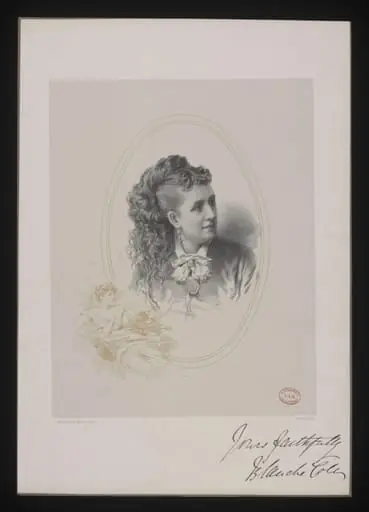
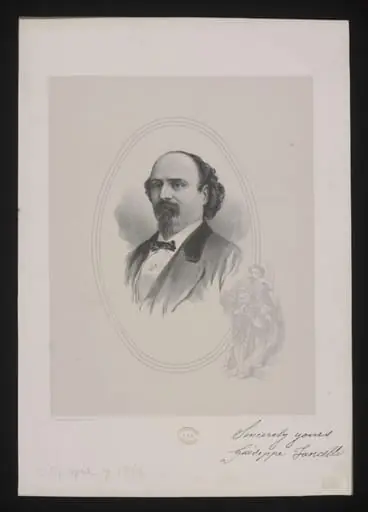
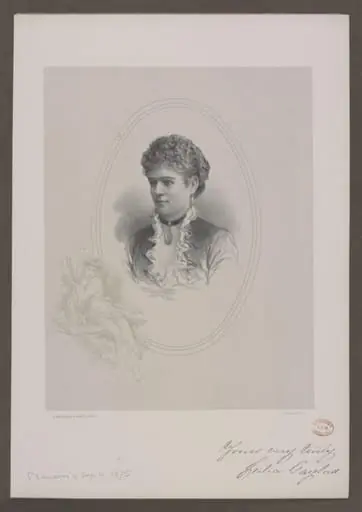
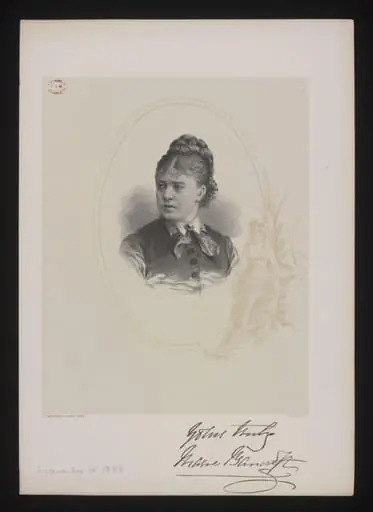
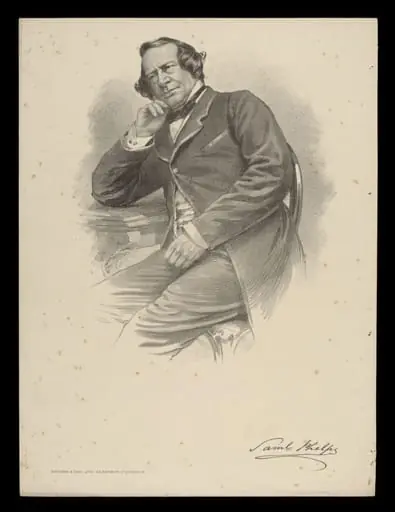
This 19th-century print depicts the Spanish tenor Julián Gayarre, produced by E. Matthews & Sons using standard reproductive techniques of the era. Designed for mass distribution, it was intended as an affordable decorative item for domestic spaces, reflecting the growing market for celebrity imagery among middle-class households. The print’s simplicity suggests a focus on accessibility rather than artistic elaboration.
Subject & Meaning
Julián Gayarre was a celebrated opera singer whose fame extended beyond Spain into Britain and Europe. This portrait captures him in a formal, frontal pose, typical of 19th-century celebrity portraiture. The image served not as a work of fine art but as a token of admiration, allowing fans to connect with a performer they might never see live, reinforcing the cultural presence of opera in everyday life.
Technique & Style
Executed in a conventional printmaking method, likely lithography or engraving, the image relies on line and tone to render Gayarre’s features. The composition is restrained, with minimal background detail, emphasizing the face as the sole focus. The printing process prioritized clarity and reproducibility over expressive brushwork, aligning with commercial rather than fine-art goals.
History & Provenance
E. Matthews & Sons, a London-based firm, specialized in translating paintings and photographs into affordable prints during the Victorian era. This portrait likely originated from a photograph or painted likeness, adapted for print circulation. Its survival in museum collections suggests it was preserved as a cultural artifact, documenting the intersection of music, media, and consumer culture in the 1800s.
Context
In the 19th century, advances in printing technology enabled the widespread dissemination of celebrity images. Opera singers like Gayarre became cultural icons, their likenesses appearing on everything from sheet music to wall prints. This object reflects a broader trend: the democratization of fame, where public figures entered private homes through inexpensive, mass-produced imagery.
Legacy
Though modest in scale and technique, this print contributes to the historical record of how public figures were visually consumed in the pre-photographic age. It represents a moment when performance and reproduction converged, laying groundwork for later media forms. Its preservation in institutions like the V&A underscores its value as a social document, not merely a decorative object.
Artist & collection
Artist
E. Matthews & Sons ran a print shop in Victorian London where opera singers and actors lined up to sit for their portraits. The family cranked out crisp black-and-white lithographs that looked like they’d been sketched…