Artwork
The Death of George Washington
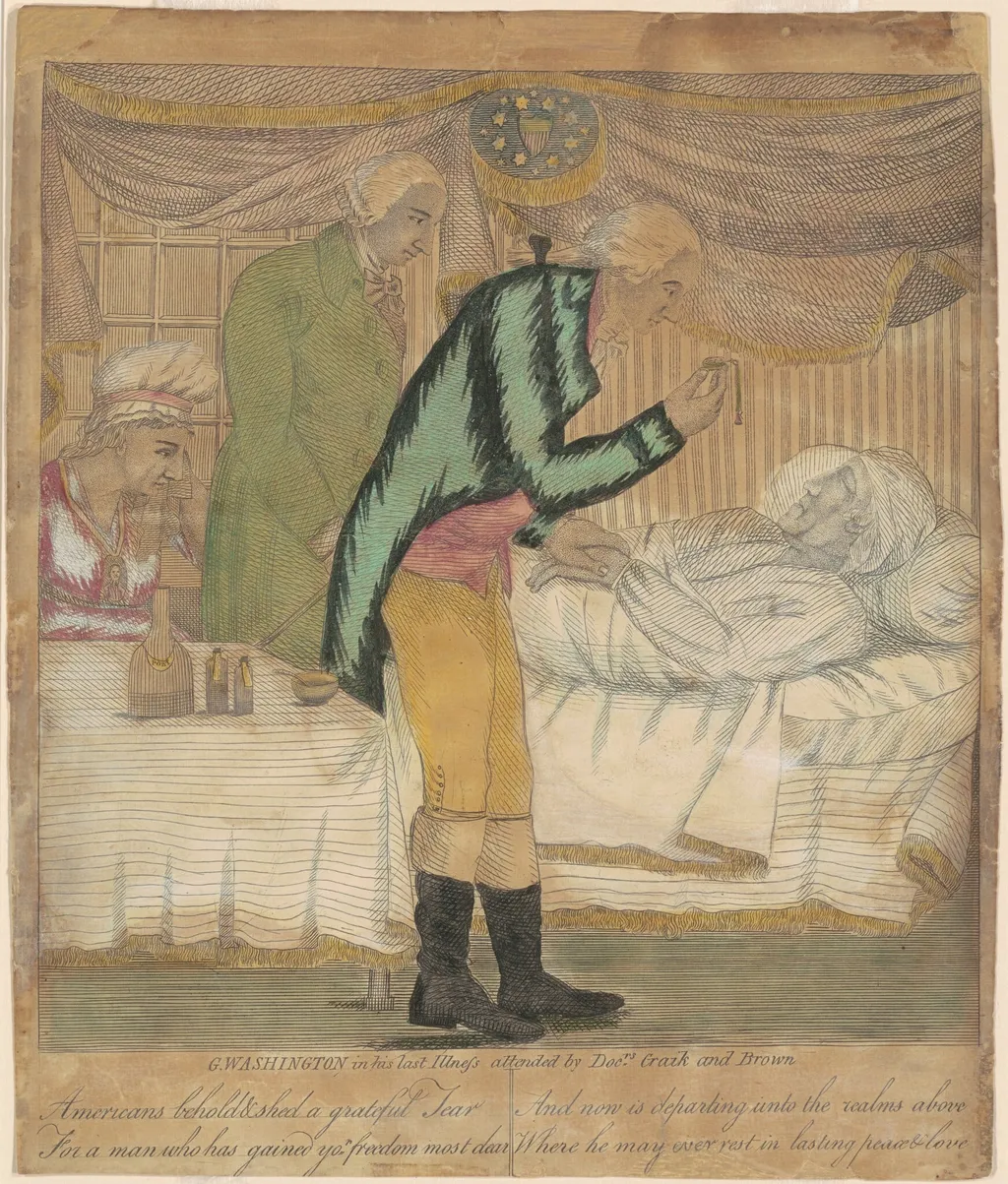
The Death of George Washington is an ink print by the Romanticist artist E. Pember and S. Luzerder. It dates from 1800 and is held in the collection of the National Gallery of Art.
About this work
Overview
The work titled The Death of George Washington is a hand‑colored engraving on wove paper, produced around the turn of the nineteenth century. Executed by the engravers E. Pember and S. Luzerder, the print presents a quiet interior scene that commemorates the final hours of the first American president.
Subject & Meaning
The image portrays a bedridden figure, identified as Washington, surrounded by two attendants. One figure stands at the foot of the bed, hand on the dying man’s wrist, while a second sits nearby, observing. A faint, halo‑like glow hovers above the bed, suggesting a sanctified or reverent atmosphere as the nation reflects on his passing.
Technique & Style
Created through the traditional engraving process, the artists incised fine lines into a metal plate, which was then inked and pressed onto paper. Hand‑coloring adds subtle tonal variations, enhancing the modest wooden floor, curtained window, and the delicate illumination that distinguishes the central figure.
History & Provenance
The print dates to approximately 1800, shortly after Washington’s death in 1799, and was likely circulated as a commemorative image. Its production by Pember and Luzerder places it within the early American print market, where such depictions served both memorial and educational purposes.
Context
At the time, engravings were a primary means of disseminating visual information about notable events. This work reflects contemporary attitudes toward Washington, portraying him in a domestic, almost humble setting rather than a grandiose state chamber, emphasizing his humanity and the personal loss felt across the young republic.
Legacy
While not as widely reproduced as later lithographic or photographic renditions, the engraving remains a valuable example of early American printmaking and of how visual culture contributed to the mythologizing of national figures in the post‑revolutionary era.
Artist & collection

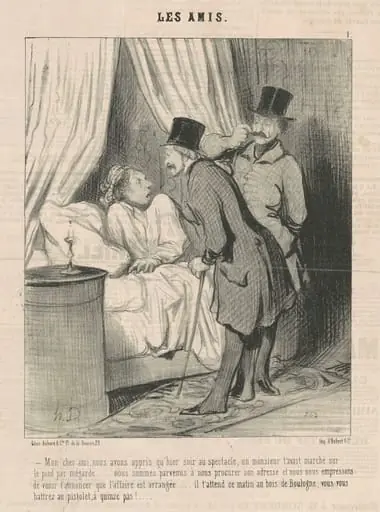 Mon cher ami, nous avons appris ...
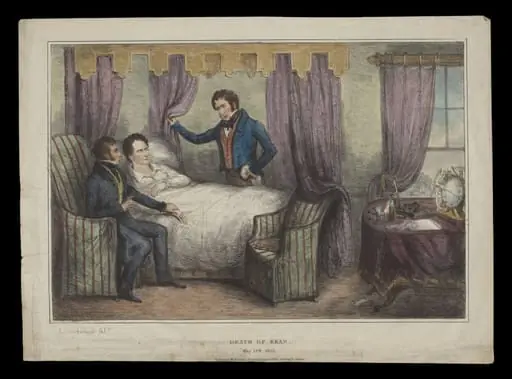 H Beard Print Collection
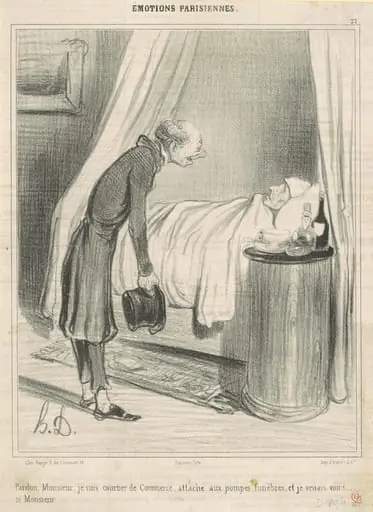 Pardon...je suis courtier de commerce...
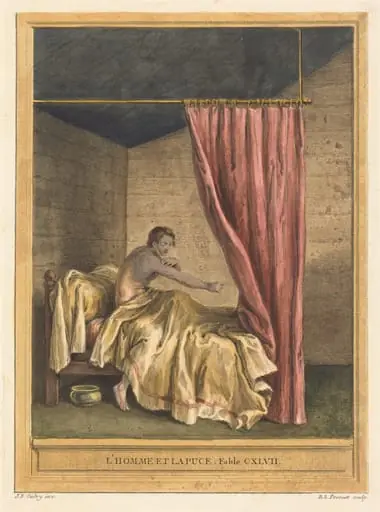 L'homme et la puce (The Man with Fleas)
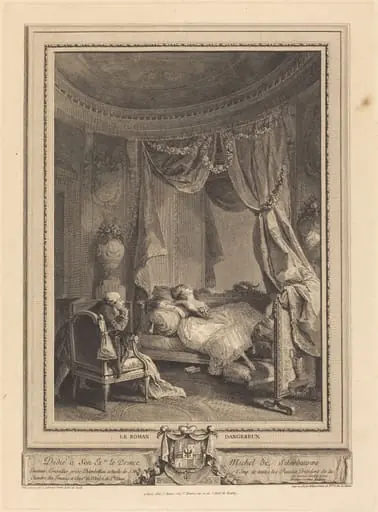 Le roman dangereux
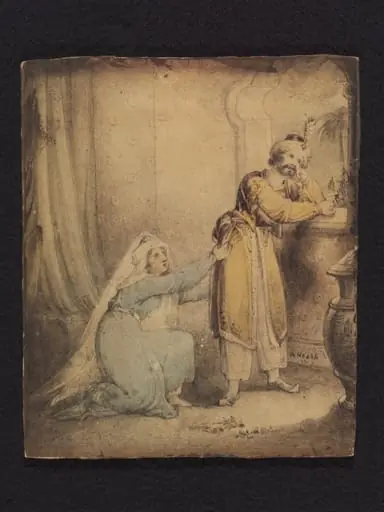 An Oriental Woman kneeling to plead with a Man who stands at a window
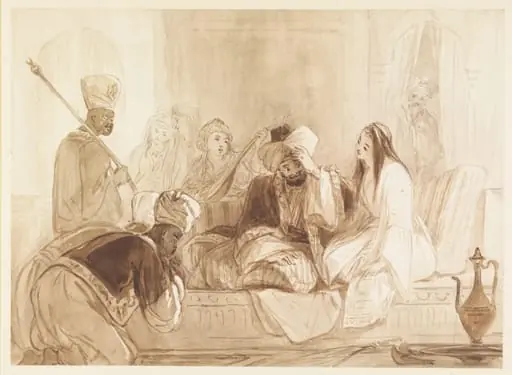 The Sleeper awakened
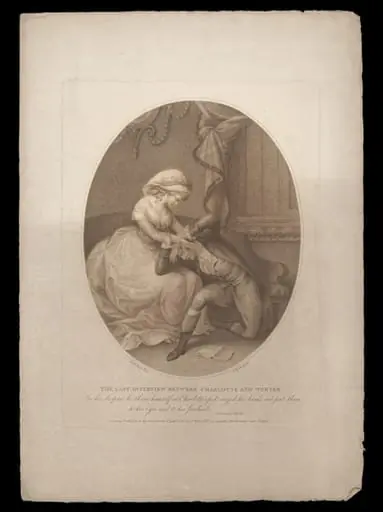 H Beard Print Collection
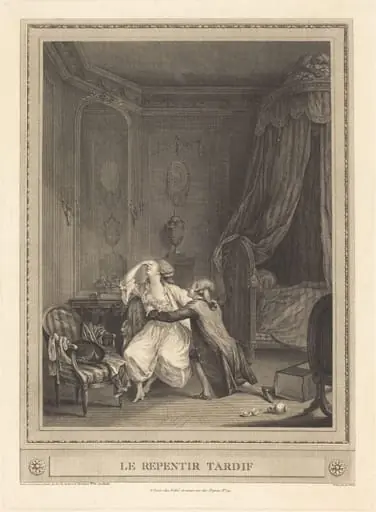 Le repentir tardif
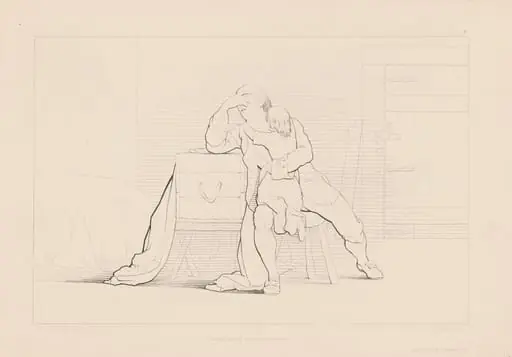 Gertrude Climbed a Widowed Father's Knee
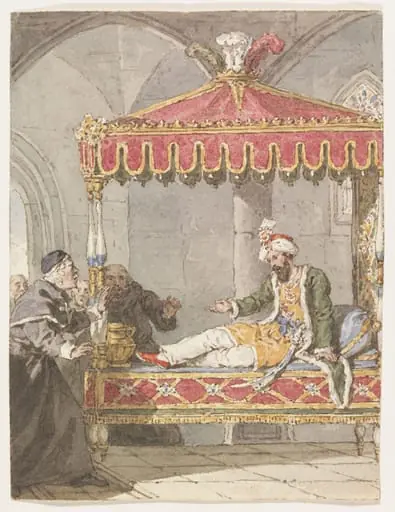 A Sultan on a divan remonstrating with monks
 Elections Municipales