Artwork
An Oriental Woman kneeling to plead with a Man who stands at a window
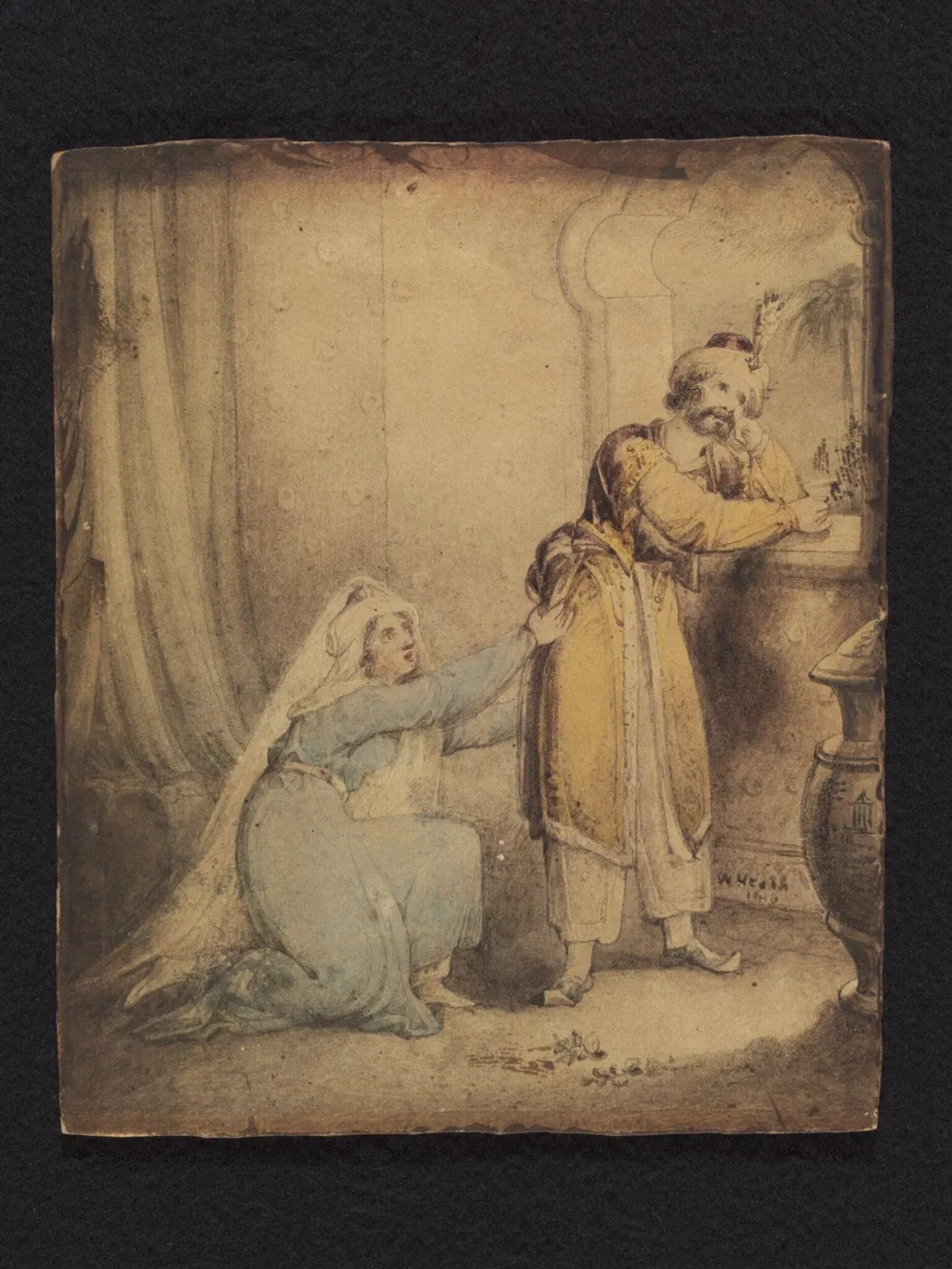
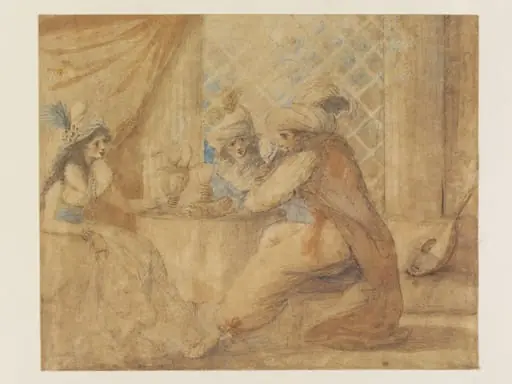
An Oriental Woman kneeling to plead with a Man who stands at a window is a watercolor work on paper by the Orientalist artist William Heath. It dates from 1816 and is held in the collection of the Victoria and Albert Museum. This watercolour depicts a moment of supplication between a woman and a man in an imagined Eastern setting.
About this work
Overview
The work entered a public collection in 1967 after acquisition from Abbott & Holder, though its artist and precise origin remain unconfirmed.
This watercolour depicts a moment of supplication between a woman and a man in an imagined Eastern setting. Executed in delicate washes, the scene captures a quiet yet intense exchange. The work entered a public collection in 1967 after acquisition from Abbott & Holder, though its artist and precise origin remain unconfirmed. Its intimate scale and lyrical handling align with 19th-century Orientalist watercolours produced for private collectors.
Subject & Meaning
The figures suggest a narrative of intercession, possibly referencing the biblical story of Esther pleading before King Ahasuerus. The woman’s kneeling posture and outstretched hands convey urgency, while the man’s stillness at the window implies deliberation. The setting, though evocative of Persian or Ottoman interiors, lacks specific cultural markers, reflecting a generalized Orientalist imagination rather than historical accuracy.
Technique & Style
The artist employed transparent watercolour to create soft transitions and muted tones, enhancing the scene’s emotional subtlety. Light filters through the window, casting gentle shadows on the wall and floor. The figures are rendered with loose, flowing lines, and the background elements—curtains, a vase, architectural details—are suggested rather than defined, reinforcing the dreamlike atmosphere typical of Romantic-era watercolours.
History & Provenance
The work was acquired by a public institution in November 1967 from the London dealer Abbott & Holder. No documentation precedes this purchase, and the artist’s identity has not been established. Its presence in a collection since then suggests it was valued for its aesthetic qualities rather than its historical significance, reflecting 20th-century interest in Romantic Orientalist imagery.
Context
Produced during a period when European artists frequently depicted Eastern scenes through a lens of fantasy and exoticism, this watercolour reflects broader 19th-century trends in Orientalist art. While rooted in biblical narrative, its setting and attire blend cultural elements without fidelity to any single tradition, characteristic of a genre more concerned with mood than accuracy.
Legacy
The painting contributes to a body of 19th-century watercolours that explored emotional and narrative themes through imagined Eastern settings. Though not widely known, it exemplifies how Romantic sensibilities were adapted to small-scale, intimate works for private contemplation. Its preservation in a public collection ensures continued study of Orientalist visual language beyond major oil paintings.
Artist & collection

Artist
William Heath was an American farmer, soldier, and political leader from Massachusetts who served as a major general in the Continental Army during the American Revolutionary War.

 The Beautiful Stranger poisond by her Sister
 The Sleeper awakened
![The Slave Market [recto], by Alexandre Gabriel Decamps](https://artifactworldgallery.com/img/alexandre-gabriel-decamps--the-slave-market-recto--874eb665e814d110-w320.webp) The Slave Market [recto]
The Slave Market [recto]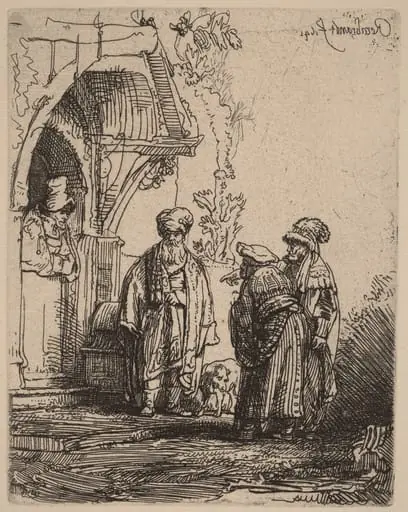 Three Oriental Figures (Jacob and Laban?)
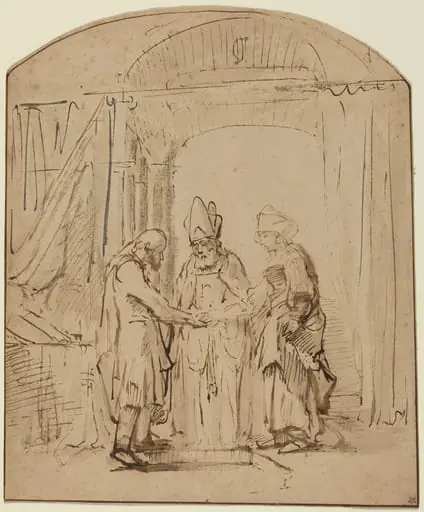 The Betrothal of the Holy Virgin
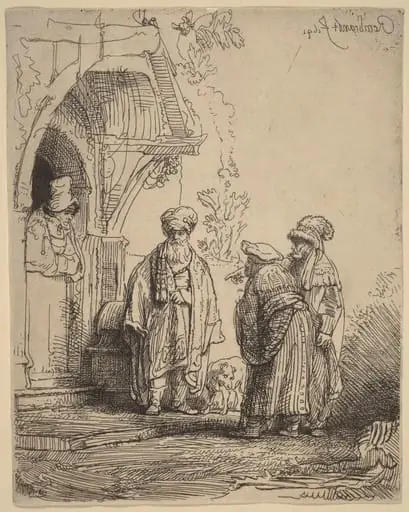 Three Oriental Figures (Jacob and Laban?)
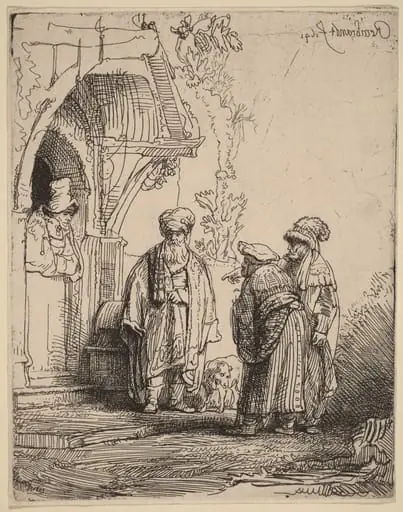 Three Oriental Figures (Jacob and Laban?)
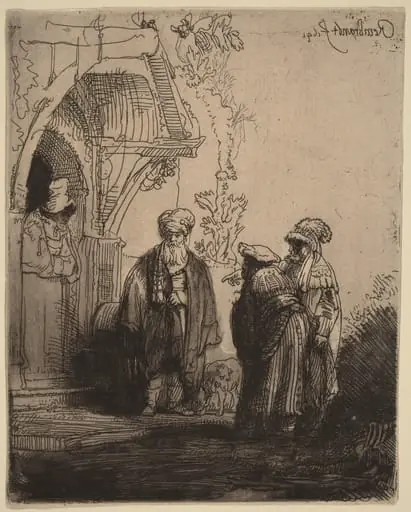 Three Oriental Figures (Jacob and Laban?)
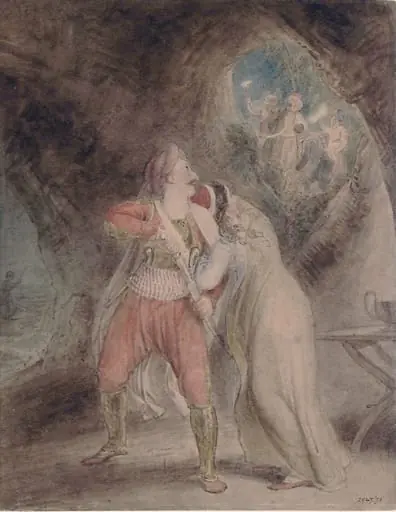 Selim discovered with Zuleika by Giaffir and his men
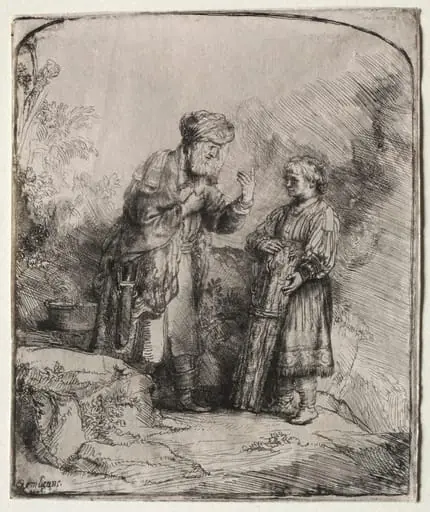 Abraham and Isaac
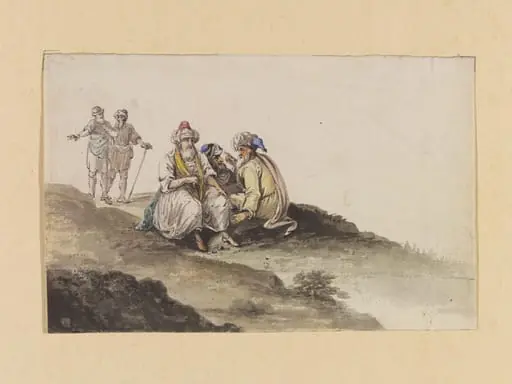 A Group of Turks
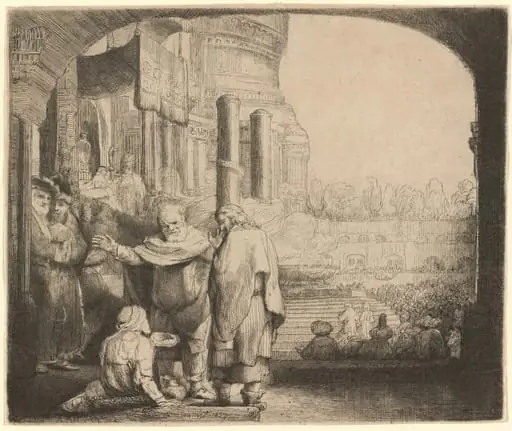 Peter and John Healing the Cripple at the Gate of the Temple