Artwork
The Funding Bill
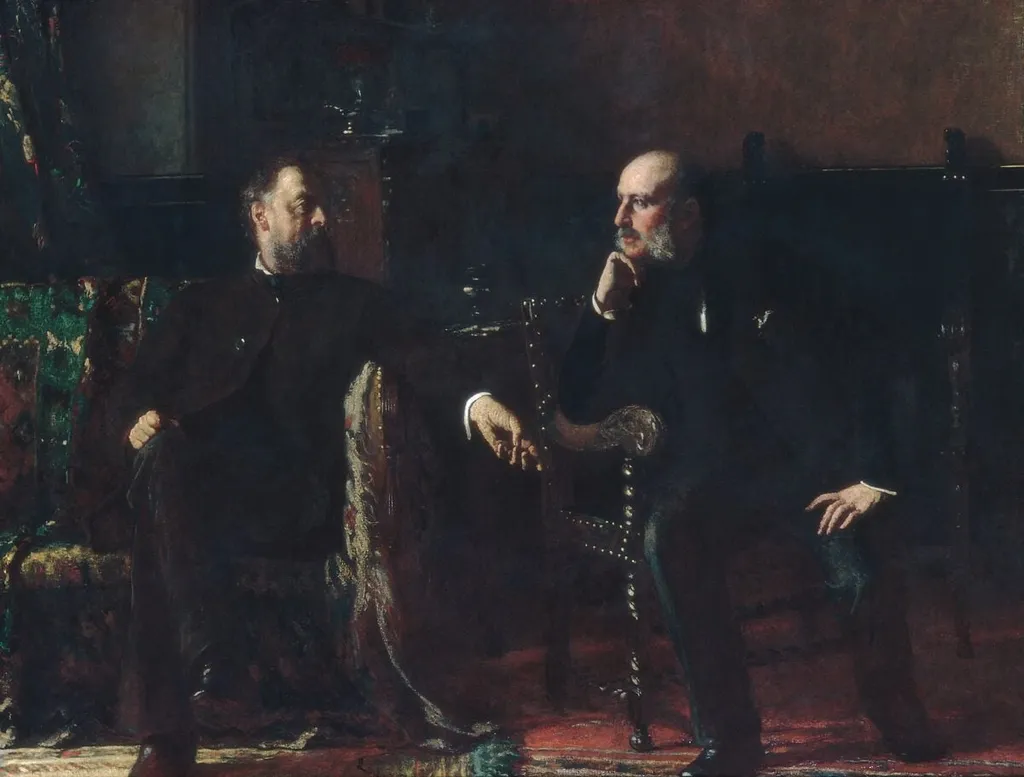
The Funding Bill is an oil painting by the Impressionist artist Eastman Johnson. It dates from 1881 and is held in the collection of the Metropolitan Museum of Art.
About this work
Overview
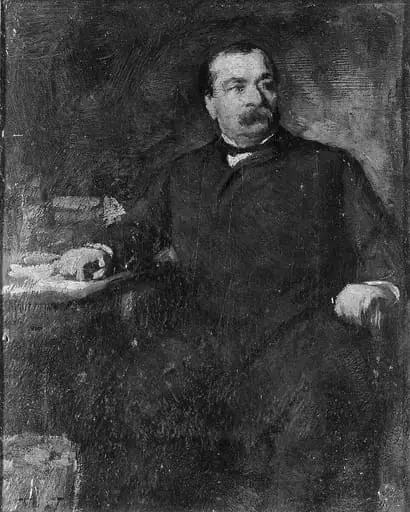
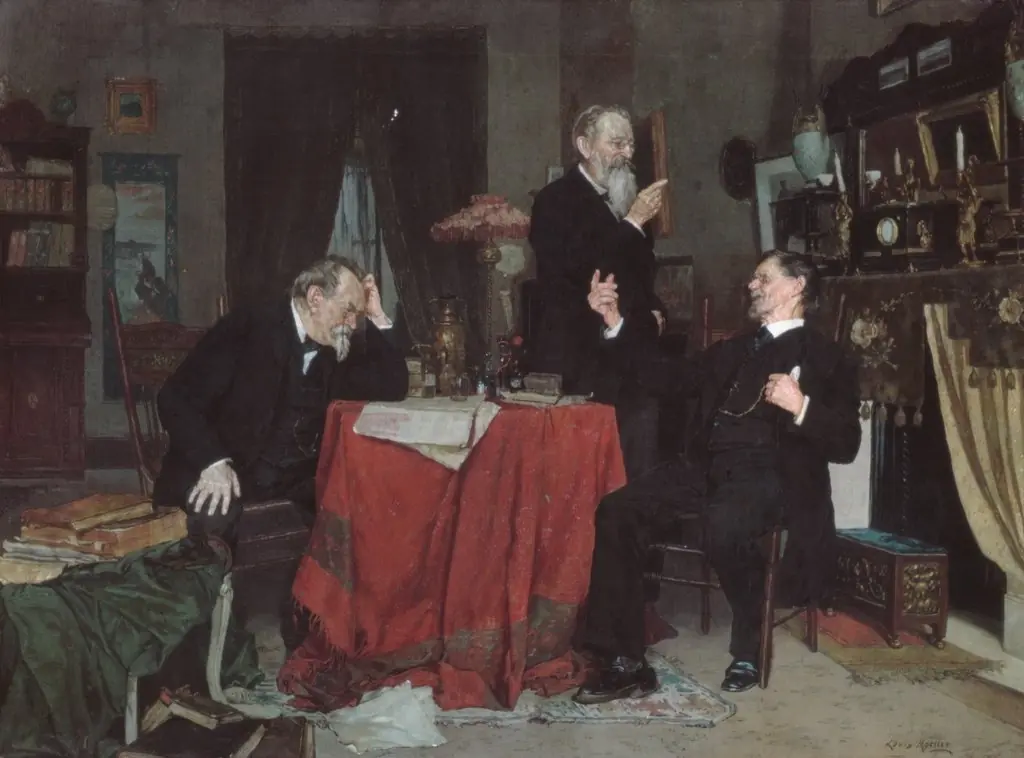
Created in 1881, *The Funding Bill* is an oil on canvas by American artist Jonathan Eastman Johnson. The work belongs to the museum’s American Wing and presents a domestic‑style interior where several formally dressed men are gathered around a table, engaged in discussion of a legislative document.
Subject & Meaning
The composition captures a moment of political deliberation, focusing on a group of legislators examining a proposed funding bill. By portraying the participants in a genre‑scene manner, Johnson emphasizes the routine, human aspects of governmental work, offering a glimpse into the everyday procedures of late‑19th‑century American politics.
Technique & Style
Johnson employs a restrained palette and careful modeling reminiscent of the 17th‑century Dutch masters he studied in The Hague. The brushwork is smooth, rendering textures of fabrics and wood with clarity, while the lighting subtly highlights the central document, directing the viewer’s attention to the act of negotiation.
History & Provenance
The painting was produced the same year Johnson co‑founded the Metropolitan Museum of Art, reflecting his commitment to American cultural institutions. It entered the museum’s collection as part of the early acquisitions that established the American Wing, remaining in the institution’s holdings since the late 19th century.
Context
During the 1880s, the United States was expanding its federal budget and infrastructure, making discussions of funding bills a common political concern. Johnson’s choice to depict such a scene aligns with his broader interest in genre painting, which sought to document ordinary moments within both private and public spheres.
Artist & collection
Artist
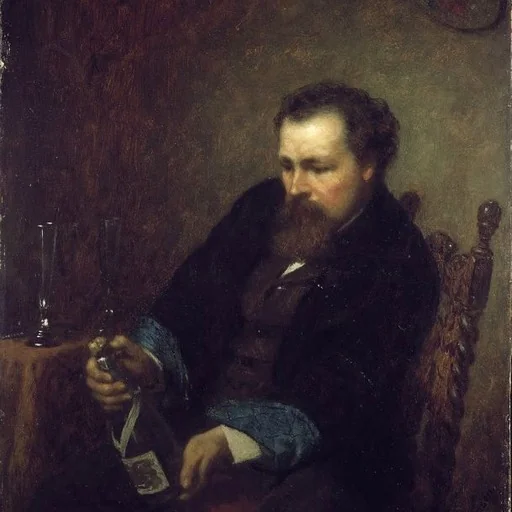
Jonathan Eastman Johnson (July 29, 1824 – April 5, 1906) was an American painter and co-founder of the Metropolitan Museum of Art, New York City, with his name inscribed at its entrance.