Artwork
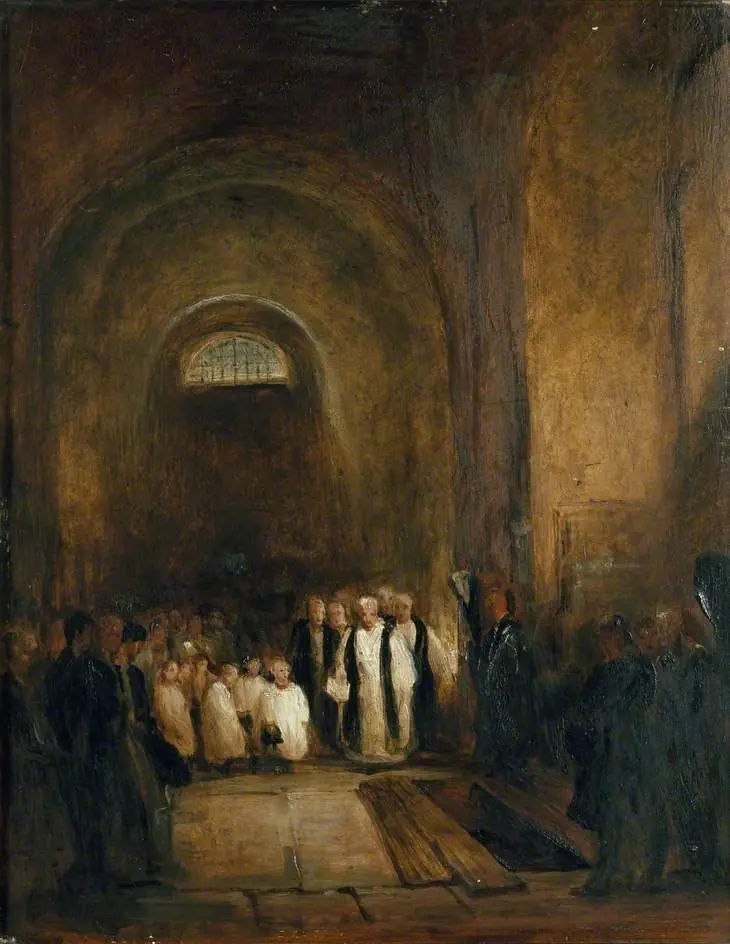
Cérémonie d'ordination dans la Cathédrale de Lyon
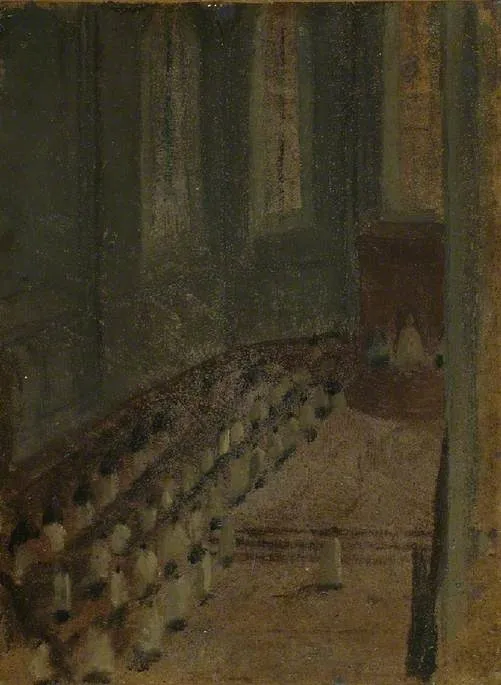
Cérémonie d'ordination dans la Cathédrale de Lyon is an unspecified painting by the French Romanticist artist Edgar Degas. It dates from 1855 and is held in the collection of the Fitzwilliam Museum.
About this work
Overview
Painted in 1855, this early work by Edgar Degas depicts a religious ordination ceremony inside Lyon Cathedral. Unlike his later depictions of dancers and urban life, this piece reflects his academic training and interest in solemn, architectural interiors. The painting is part of the Fitzwilliam Museum’s collection and represents a rare religious subject in Degas’s oeuvre.
Subject & Meaning
The scene captures the moment of priestly ordination, with a line of figures in white vestments ascending a step toward the altar. Their faces are obscured, emphasizing ritual over individual identity. The composition conveys the gravity of ecclesiastical tradition, focusing on collective devotion rather than personal expression, aligning with the solemnity of the occasion.
Technique & Style
Degas employs a restrained palette of grays, browns, and muted whites, with soft, diffused light filtering through the cathedral’s architecture. Brushwork is controlled and precise, reflecting his academic background. The dim interior and lack of sharp detail enhance the atmosphere of quiet reverence, prioritizing mood over narrative clarity.
History & Provenance
Created during Degas’s formative years in Italy and France, the painting was likely made after his studies in Rome and before his shift toward modern life subjects. It entered the Fitzwilliam Museum’s collection in the 20th century, having passed through private hands since its completion. Its early date makes it a significant marker of Degas’s artistic development.
Context
In mid-19th century France, religious themes remained common in academic art, even as secular subjects gained traction. Degas, though not devout, engaged with traditional subjects early in his career. This painting reflects the influence of Renaissance and Baroque ecclesiastical scenes, filtered through his emerging sensitivity to spatial depth and atmospheric tone.
Legacy
Though overshadowed by his later works, this painting illustrates Degas’s command of composition and mood before his stylistic evolution. It stands as a testament to his ability to convey solemnity through restraint, offering insight into the foundations of his artistic vision before he turned to contemporary life as his primary subject.
Artist & collection
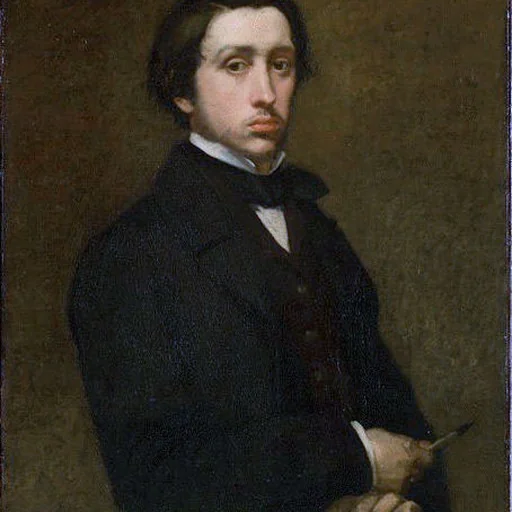
Artist
Born Hilaire-Germain-Edgar De Gas on 19 July 1834 in Paris, Edgar Degas came from an affluent banking family with aristocratic roots and spent his childhood among the cultivated circles of the French capital.

 Turner's Burial in the Crypt of St Paul's
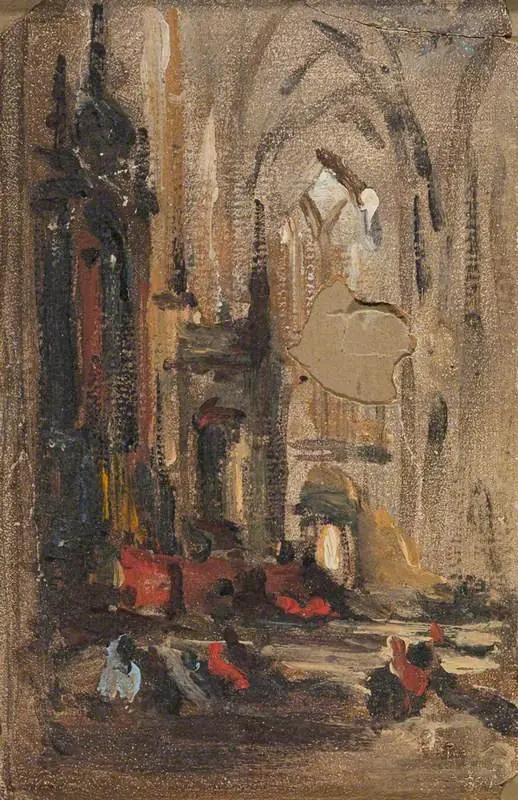 Interior of Milan Cathedral
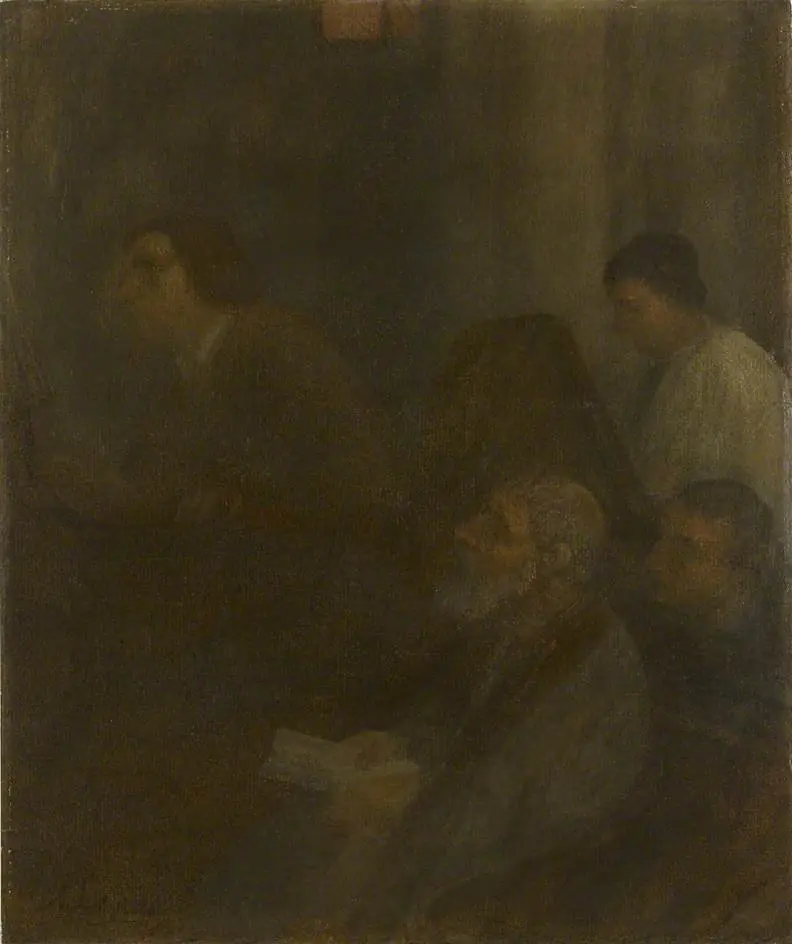 Interior with an Organist and three Figures
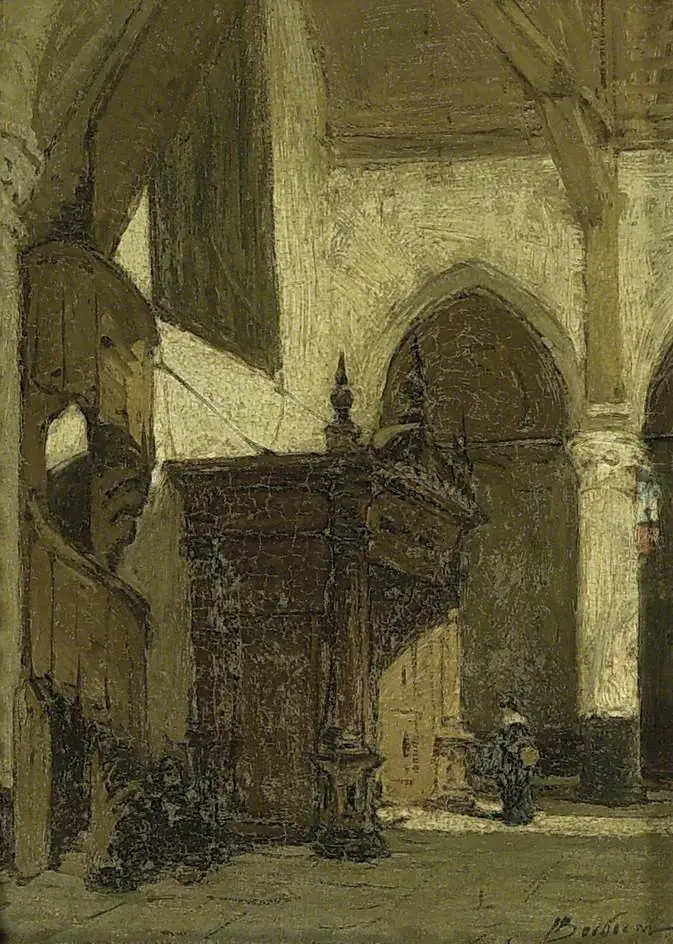 Church Interior
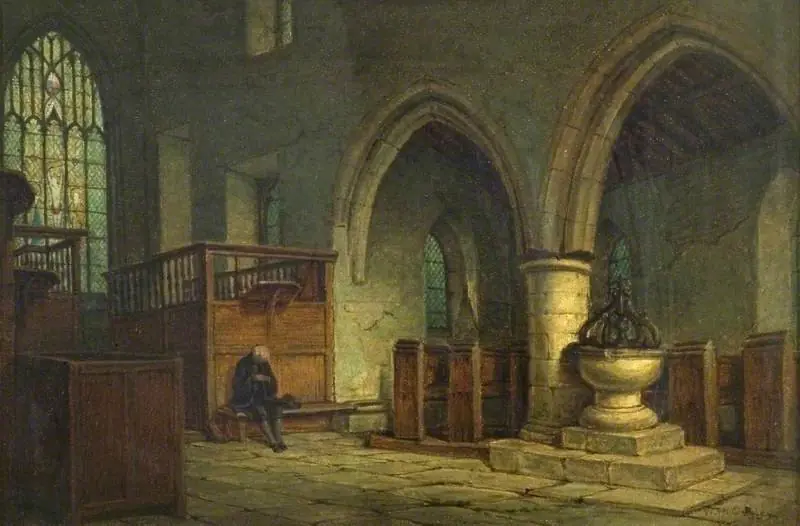 The Chapel, Haddon Hall, Derbyshire
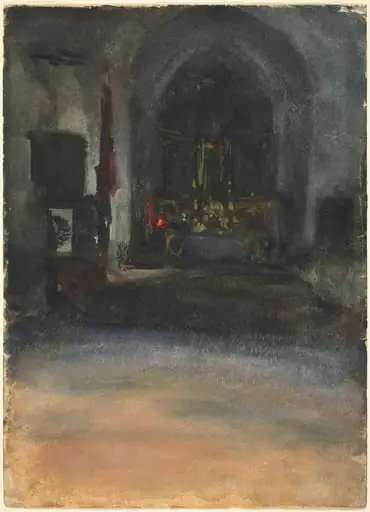 Spanish Church Interior
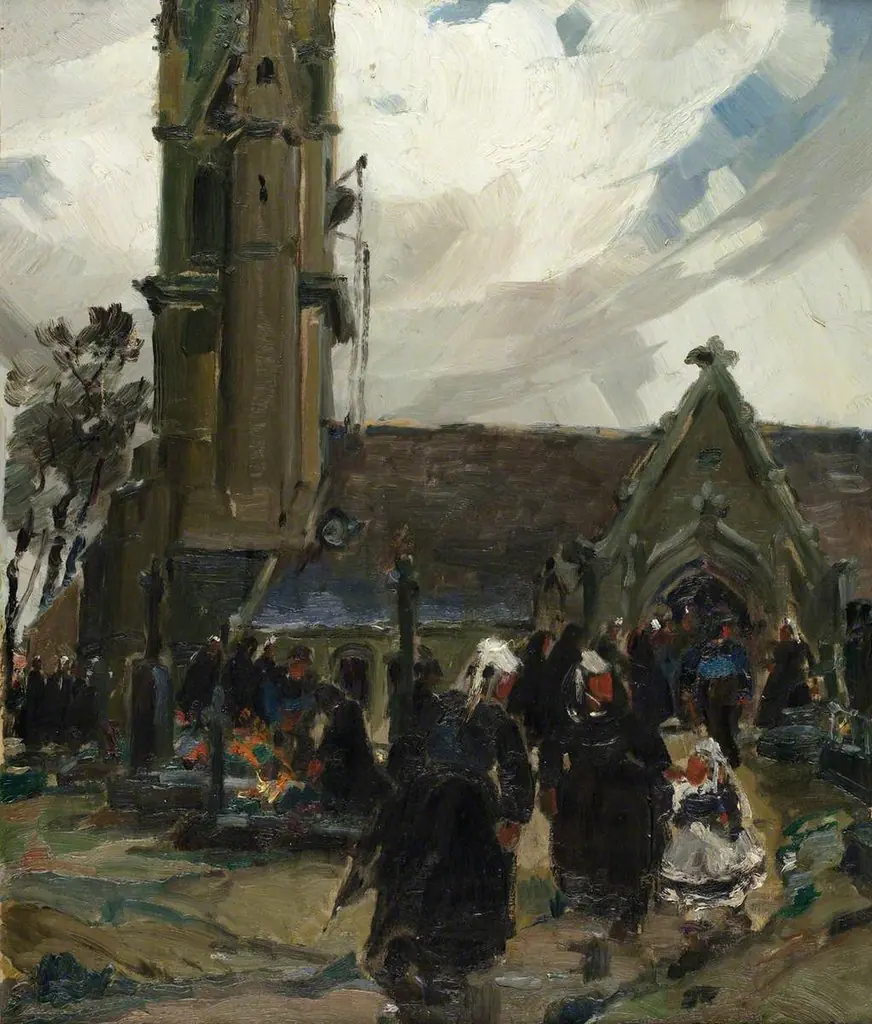 L'église de confort en jour de Toussaint
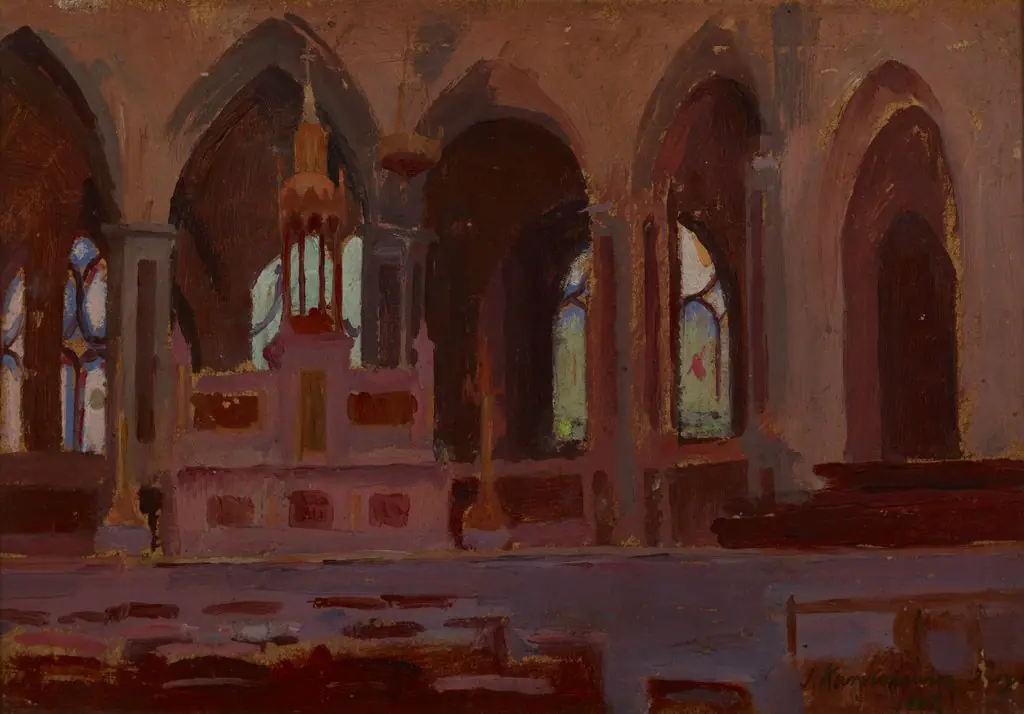 Interior of a Church
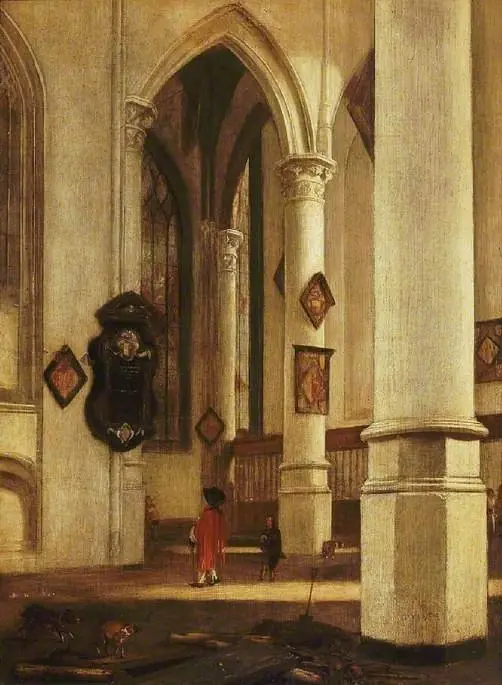 The old Church at Delft
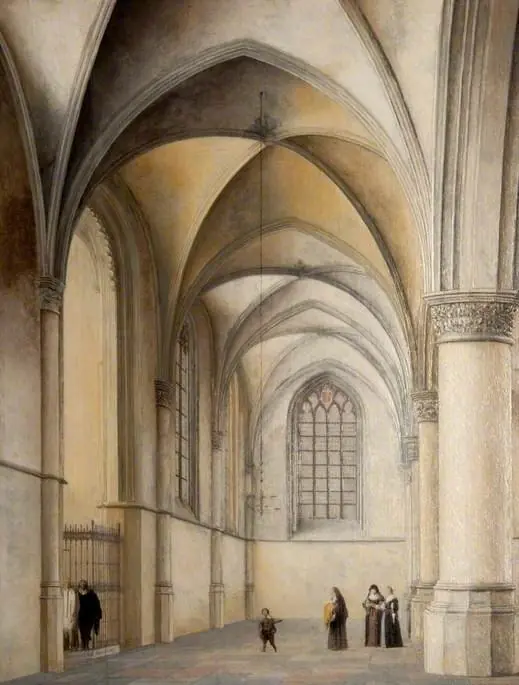 Interior of St. Bavo
 Dic Aberdaron
 Interior of the Dom in Trier