Artwork
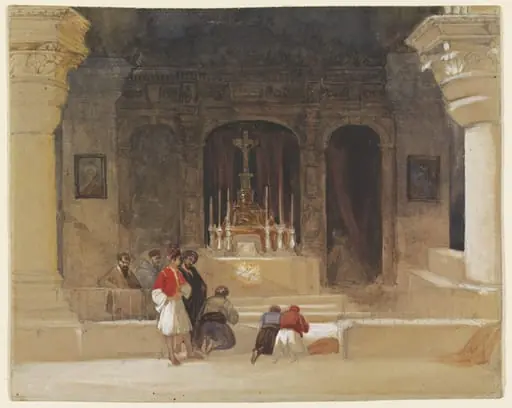
Spanish Church Interior
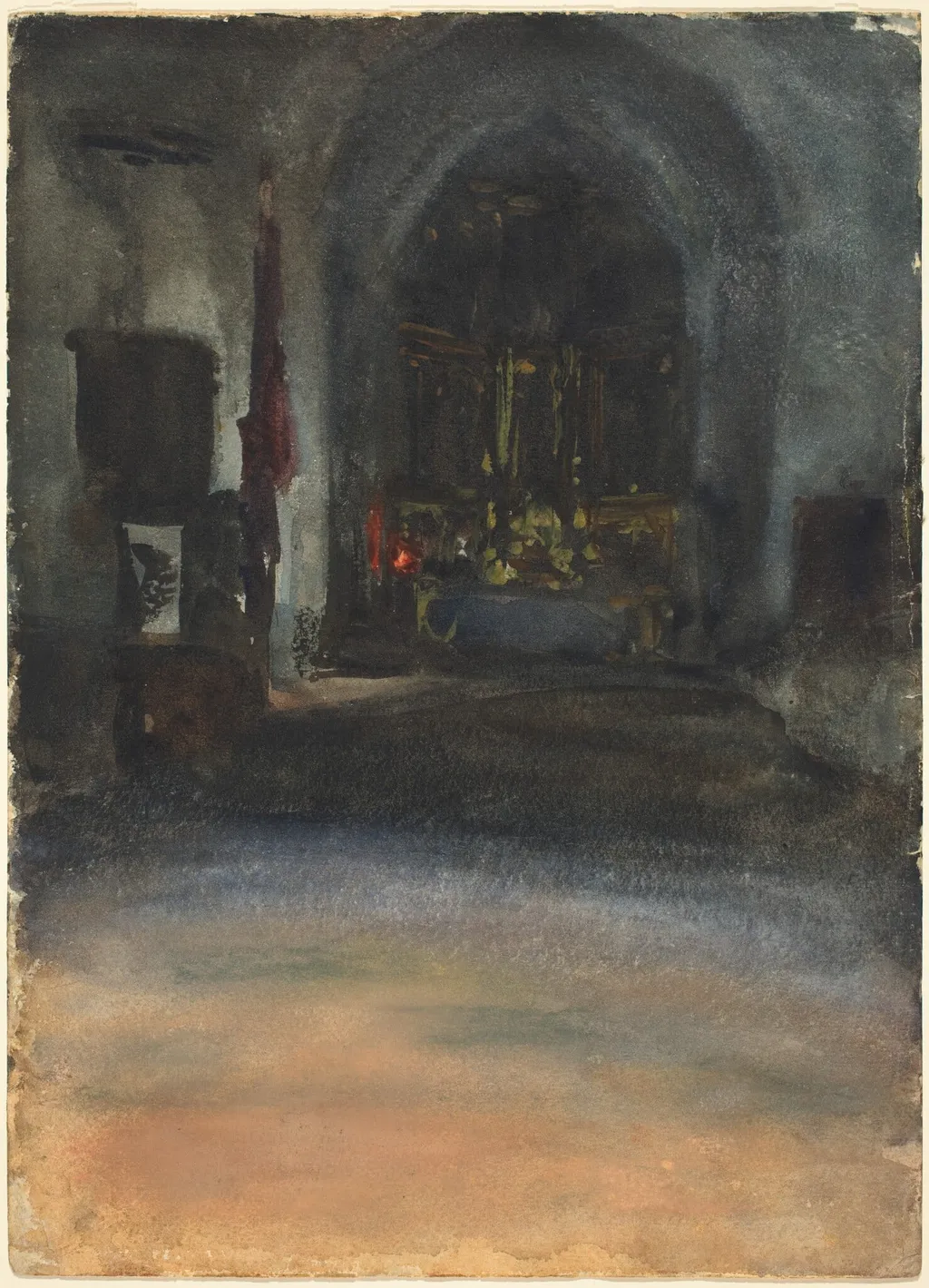
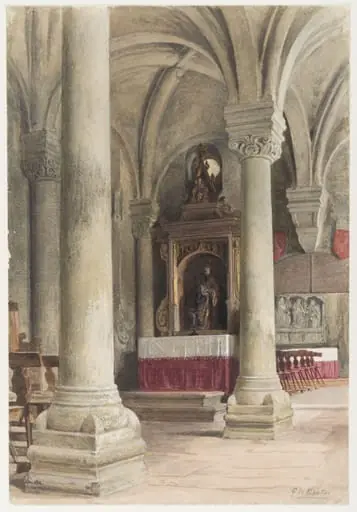
Spanish Church Interior is a watercolor drawing by the Impressionist artist John Singer Sargent. It dates from 1880 and is held in the collection of the National Gallery of Art.
About this work
He used watercolor’s quick drying time to capture light effects that oil paint couldn’t match.
This watercolor shows a quiet Spanish church interior. Bright light hits a white altar with carved wood. Shadows pool in the side aisles. A single figure kneels in the distance.
Sargent painted this on a trip to Spain in 1880. He used watercolor’s quick drying time to capture light effects that oil paint couldn’t match. The paper’s rough texture adds life to the wash of colors.
Try another Sargent, John Singer.
Overview
Spanish Church Interior is a watercolor on wove paper created by John Singer Sargent around 1880, during his travels through Europe. The piece captures a serene moment within a Spanish church.
Subject & Meaning
The watercolor depicts a tranquil Spanish church interior, with a white altar, carved wood, and a single kneeling figure in the distance. It reflects Sargent's interest in documenting architectural and cultural sites during his travels.
Technique & Style
Sargent leveraged watercolor's quick drying properties to effectively capture fleeting light effects, which would have been challenging with oil paint. The rough texture of the wove paper enhances the vitality of the colored washes.
History & Provenance
Created in 1880, this work was produced during Sargent's trip to Spain. Originally trained in Florence and Paris, Sargent later became a prominent portraitist in London during the late 19th century.
Artist & collection
Artist
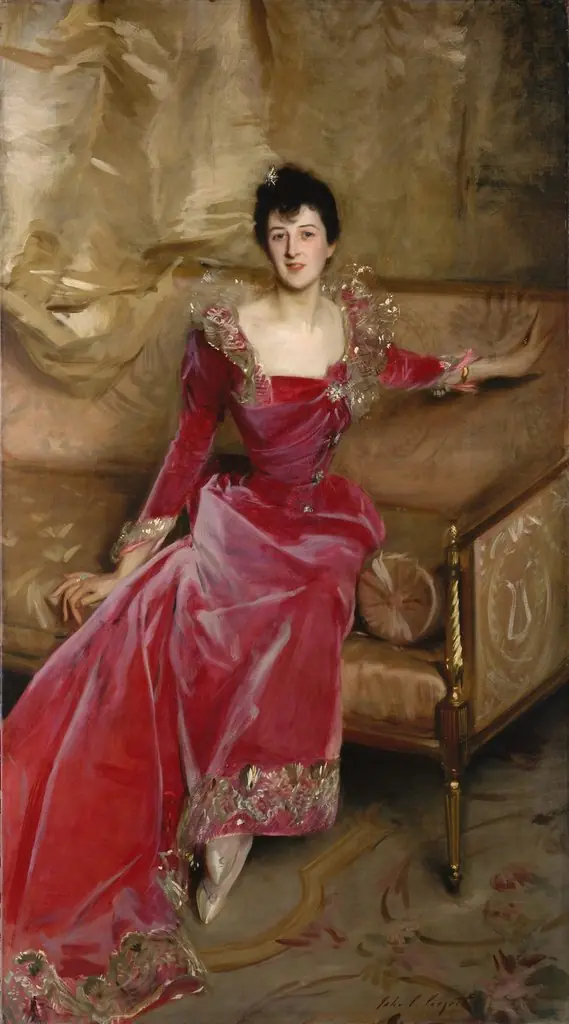
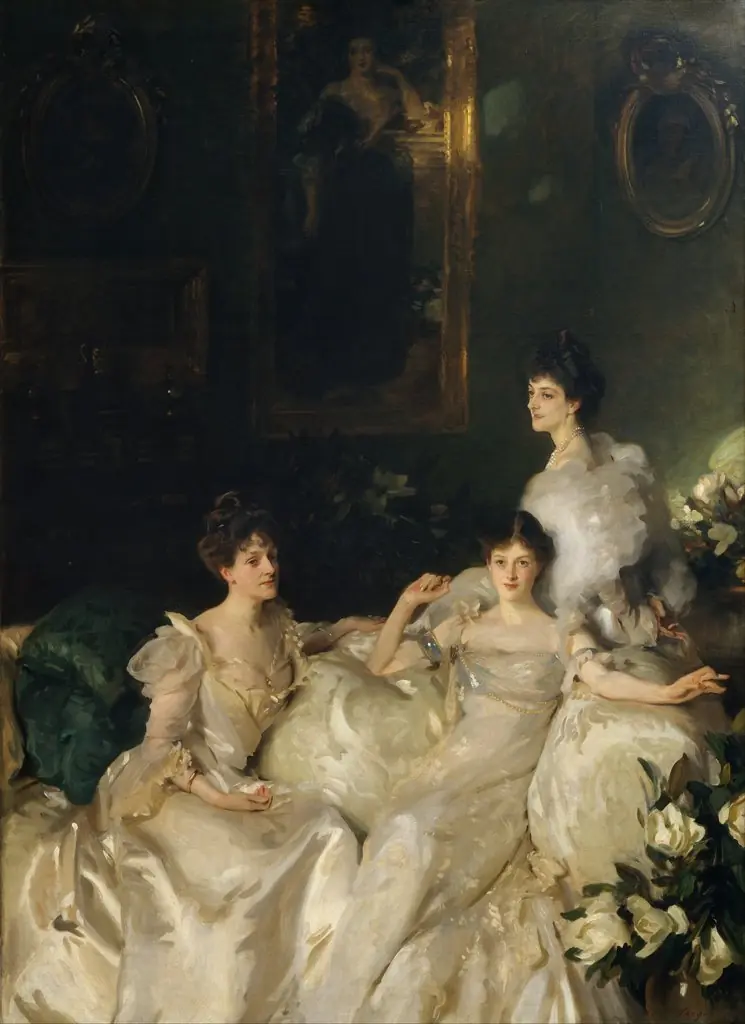
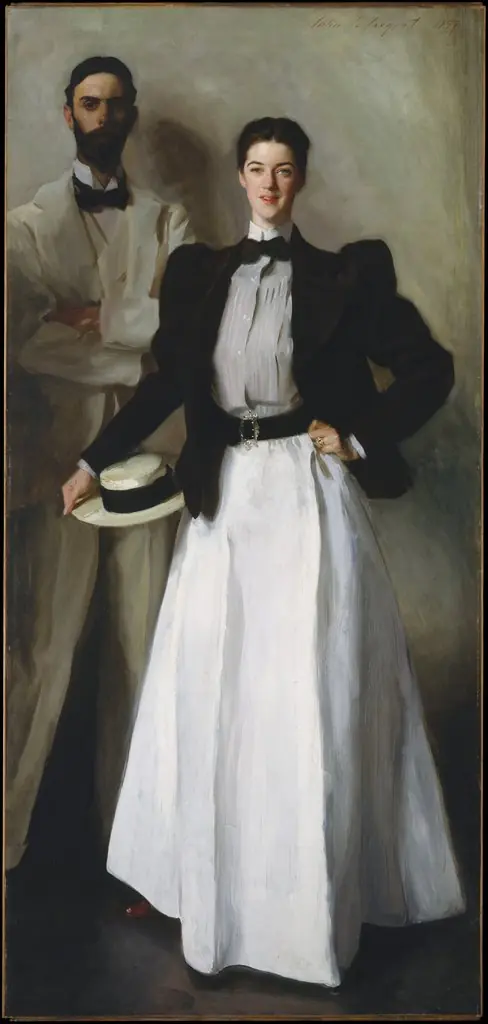
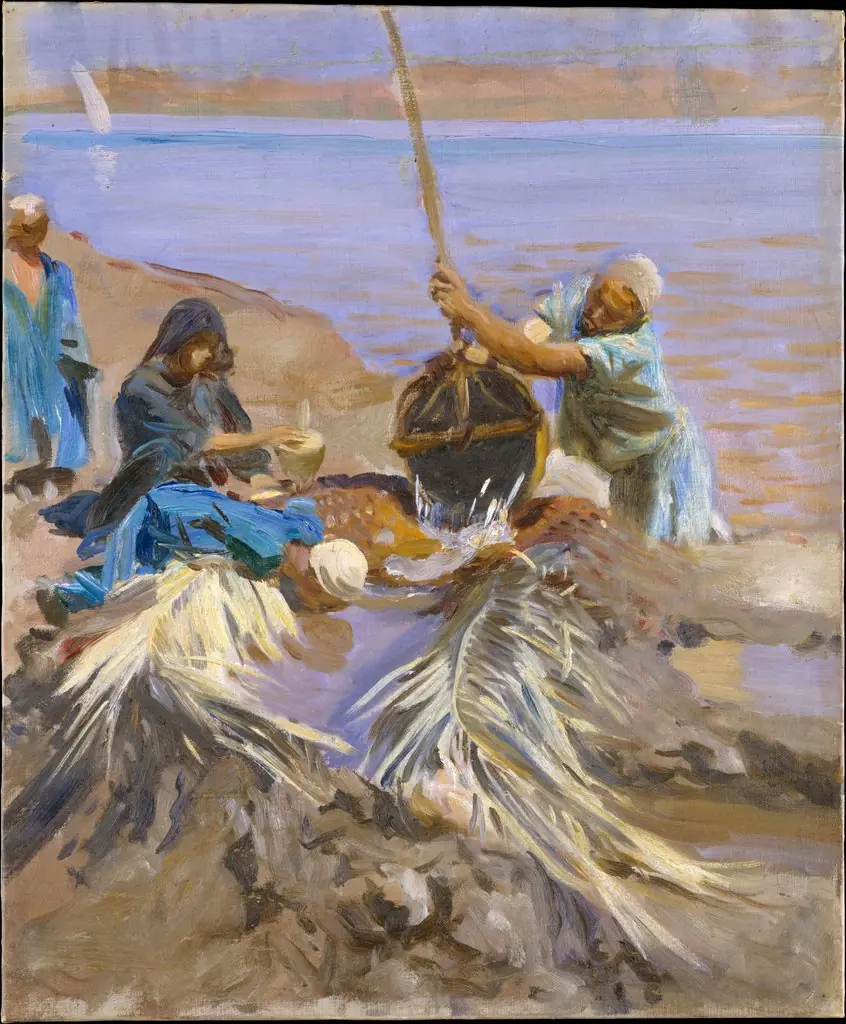
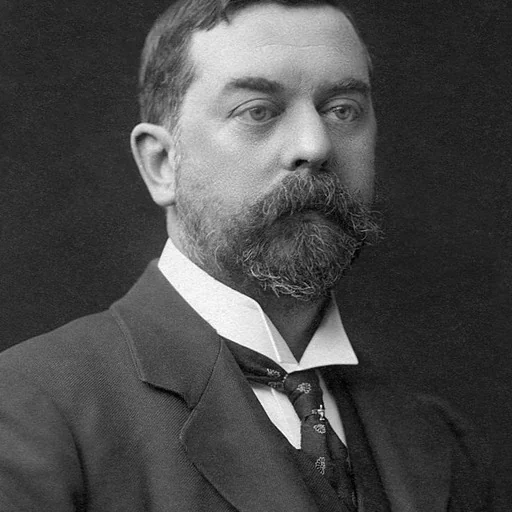
John Singer Sargent (; January 12, 1856 – April 15, 1925) was an American expatriate artist, considered the "leading portrait painter of his generation" for his evocations of Belle Époque and Edwardian-era luxury.