Artwork
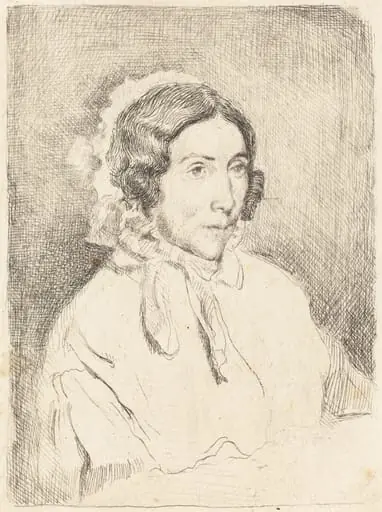
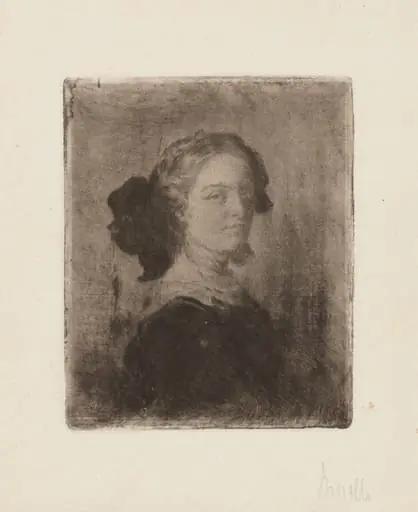
Woman in a Ruffled Cap
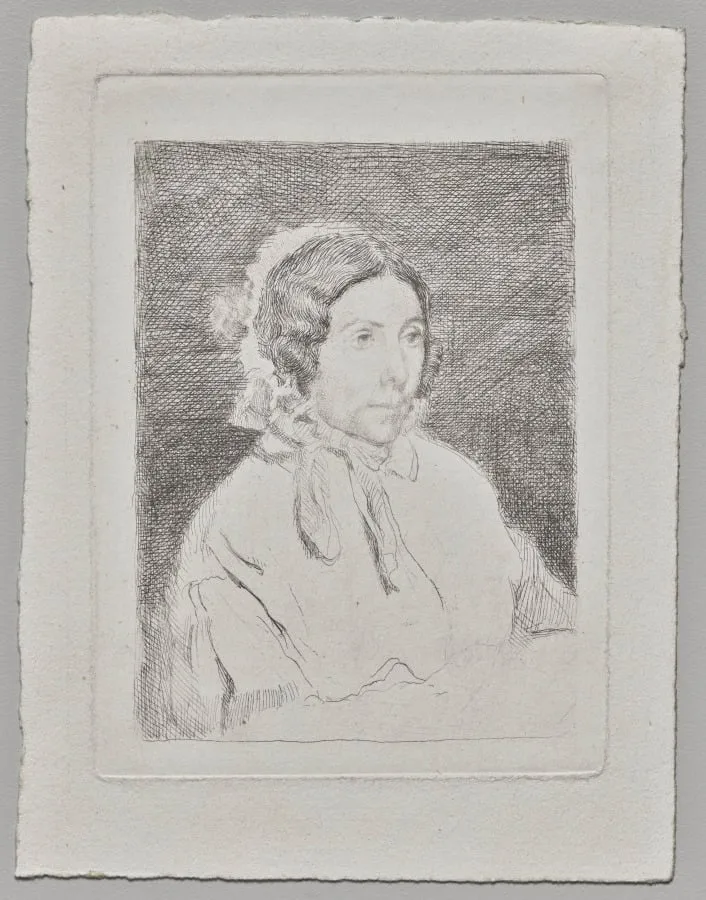
Woman in a Ruffled Cap is a print by the Impressionist artist Edgar Degas. It dates from 1860 and is held in the collection of the Cleveland Museum of Art.
About this work
Overview
This early etching by Edgar Degas depicts a woman in profile, wearing a white ruffled cap, rendered with deliberate, unpolished lines. Created before his focus shifted to dancers and racehorses, the work reflects his engagement with historical printmaking traditions. Unlike his later mass-produced images, this piece was never editioned, surviving only in four known impressions.
Subject & Meaning
The sitter’s identity remains unknown, and no narrative context is provided. Degas captures her in a moment of stillness, her face partially illuminated, expression subdued. The absence of detail or setting directs attention to her presence alone, suggesting an interest in quiet, unposed humanity rather than theatrical portraiture.
Technique & Style
Degas employed a direct, tactile approach to etching, mimicking Rembrandt’s use of drypoint to create texture through scratchy, irregular lines. Instead of smooth gradations, he built form with abrupt strokes, allowing the metal’s grain to show through. The resulting surface is raw and immediate, emphasizing process over refinement.
History & Provenance
The print was made during Degas’s formative years, following intensive study of Northern Renaissance etchings at the Bibliothèque Nationale de France. He copied Rembrandt’s methods not as homage alone, but as a means to develop his own graphic language. Only four impressions were pulled, all likely made by the artist himself, with no further reproductions attempted.
Context
In the 1850s and 60s, French artists increasingly turned to historical prints for technical instruction. Degas’s engagement with Rembrandt was part of a broader revival of etching as a serious medium. His choice to work in this mode signaled a rejection of academic convention and a preference for intimate, hand-made imagery.
Legacy
This print exemplifies Degas’s early commitment to printmaking as a personal, experimental practice. Its rarity and unpolished aesthetic distinguish it from his more famous works, yet it reveals the foundation of his later graphic innovations—directness, emotional restraint, and a fascination with light through mark-making.
Artist & collection
Artist
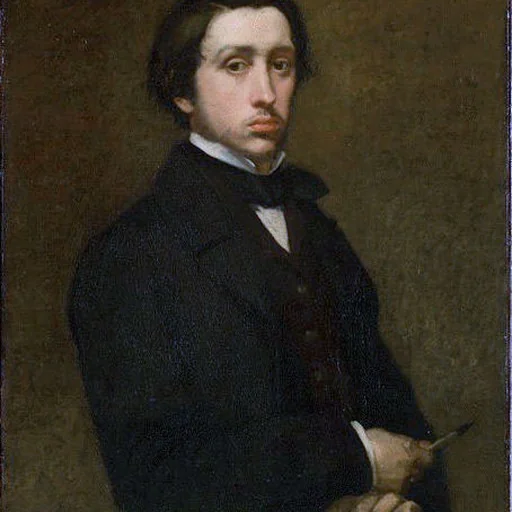
Born Hilaire-Germain-Edgar De Gas on 19 July 1834 in Paris, Edgar Degas came from an affluent banking family with aristocratic roots and spent his childhood among the cultivated circles of the French capital.

 Woman in a Ruffled Cap (Dame agée)
 Portrait Study - Mrs. Phillip
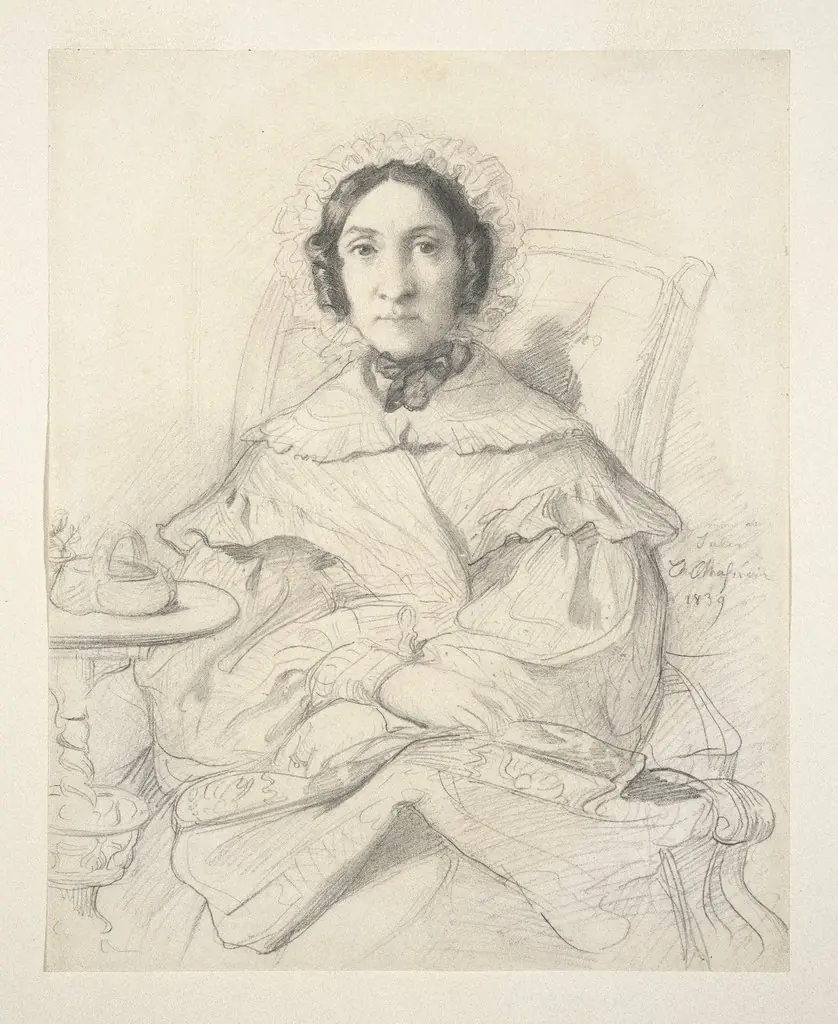 Portrait of Madame Monnerot
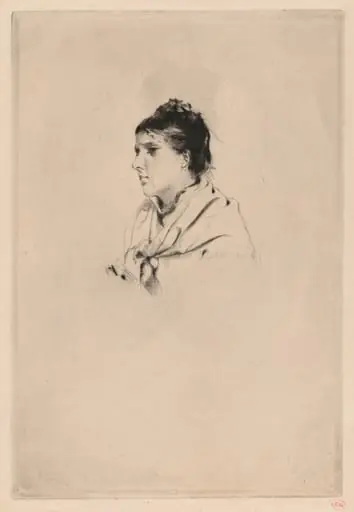 Bust of an Italian Woman
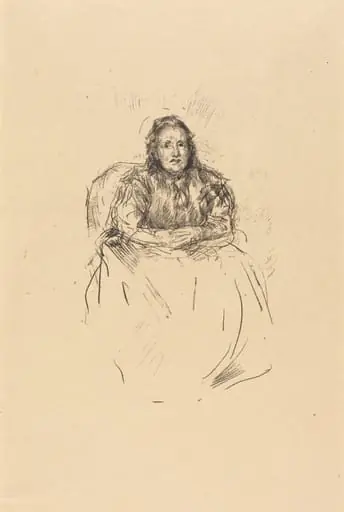 Portrait Study: Mrs. Philip
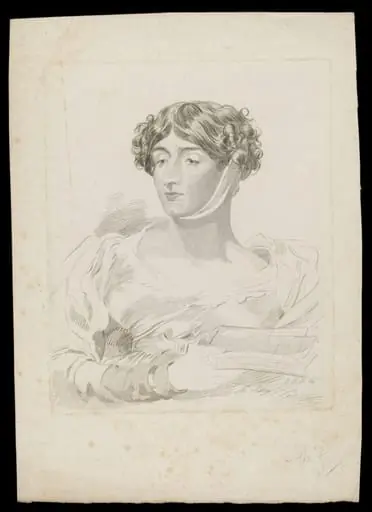 H Beard Print Collection
 H Beard Print Collection
 Study of a young woman seated
 Lucy Lawrence
 H Beard Print Collection
 A Young Woman with a Bow in Her Hair
 Portrait Head of a Woman