Artwork
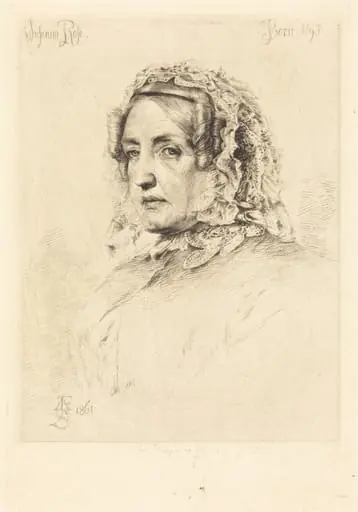
Woman in a Ruffled Cap (Dame agée)
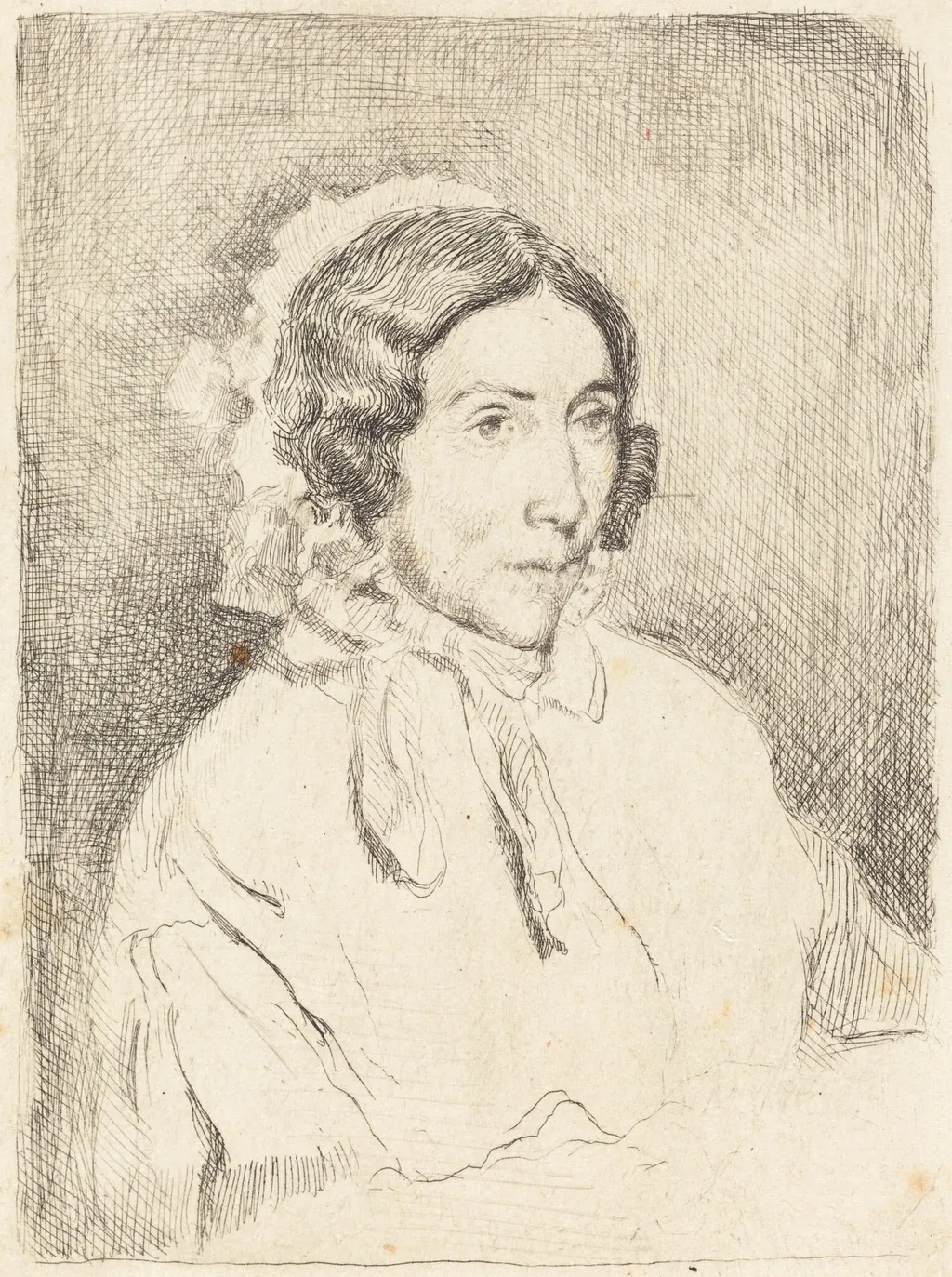
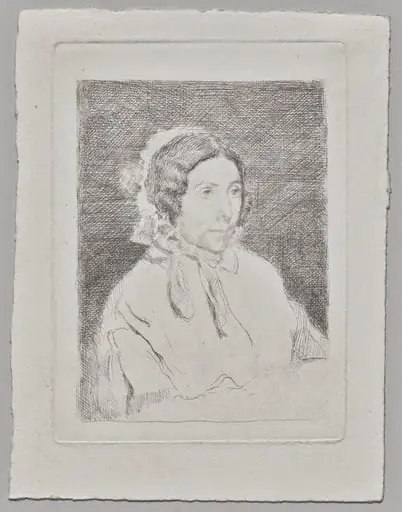
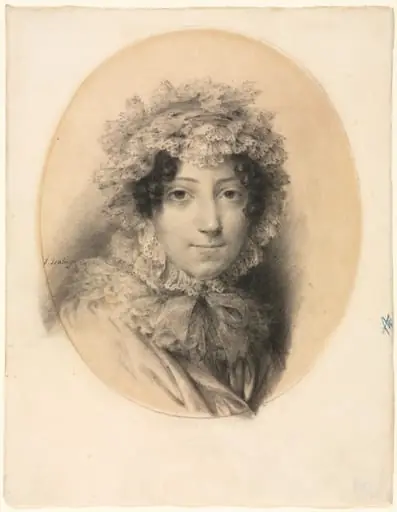
Woman in a Ruffled Cap (Dame agée) is an ink print by the Impressionist artist Edgar Degas. It dates from 1860 and is held in the collection of the National Gallery of Art.
About this work
Overview
Created in 1860, *Woman in a Ruffled Cap (Dame agée)* is an etching by Edgar Degas, reflecting his early engagement with printmaking.
Created in 1860, *Woman in a Ruffled Cap (Dame agée)* is an etching by Edgar Degas, reflecting his early engagement with printmaking. Though later associated with Impressionism, Degas identified more closely with realism. This work belongs to a series of intimate portraits he produced on paper, distinct from his more famous ballet scenes. The piece demonstrates his technical discipline and interest in capturing quiet, unposed moments of everyday life.
Subject & Meaning
The subject is an older woman, portrayed with restrained dignity. Her face, turned slightly to the right, suggests introspection rather than engagement with the viewer. The ruffled cap and high-necked garment imply modesty and age, possibly referencing domestic or working-class women of the time. Degas avoids sentimentality; the portrait conveys presence through stillness, inviting quiet observation rather than narrative interpretation.
Technique & Style
Degas employed fine cross-hatching and subtle tonal gradations to model form and texture. The cap’s ruffles and the folds of the garment are rendered with precise, controlled lines, while the background remains softly blurred through layered ink washes. The etching’s economy of line emphasizes structure over detail, showcasing Degas’s mastery of chiaroscuro and his ability to suggest volume without heavy shading.
History & Provenance
This etching was made during Degas’s formative years, before his public recognition as a painter of dancers. It likely belonged to his private studies, circulated among peers or collectors rather than exhibited widely. Its survival in good condition reflects careful handling, though its early provenance remains largely undocumented. It is now held in institutional collections, valued for its insight into his graphic work.
Context
In the 1860s, Degas was experimenting with portraiture beyond commissioned works, turning to family members and acquaintances. Etching allowed him to explore composition and expression without the constraints of oil painting. This period saw him absorbing influences from Old Masters and contemporary printmakers, refining a personal visual language that prioritized observation over idealization.
Legacy
Though less known than his ballet or horse studies, this etching exemplifies Degas’s enduring interest in the human figure through quiet, unadorned representation. It contributed to the broader acceptance of printmaking as a serious artistic medium in 19th-century France. Later artists recognized its restraint and psychological depth, affirming its place in the evolution of modern graphic art.
Artist & collection
Artist
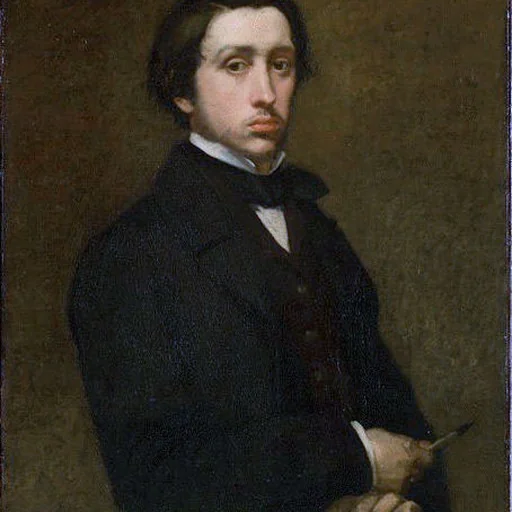
Born Hilaire-Germain-Edgar De Gas on 19 July 1834 in Paris, Edgar Degas came from an affluent banking family with aristocratic roots and spent his childhood among the cultivated circles of the French capital.