Artwork
Portrait of a Man
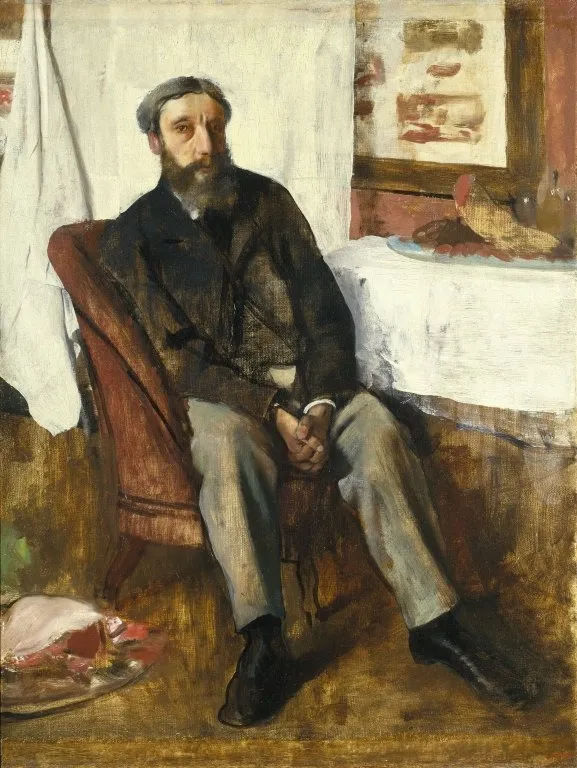
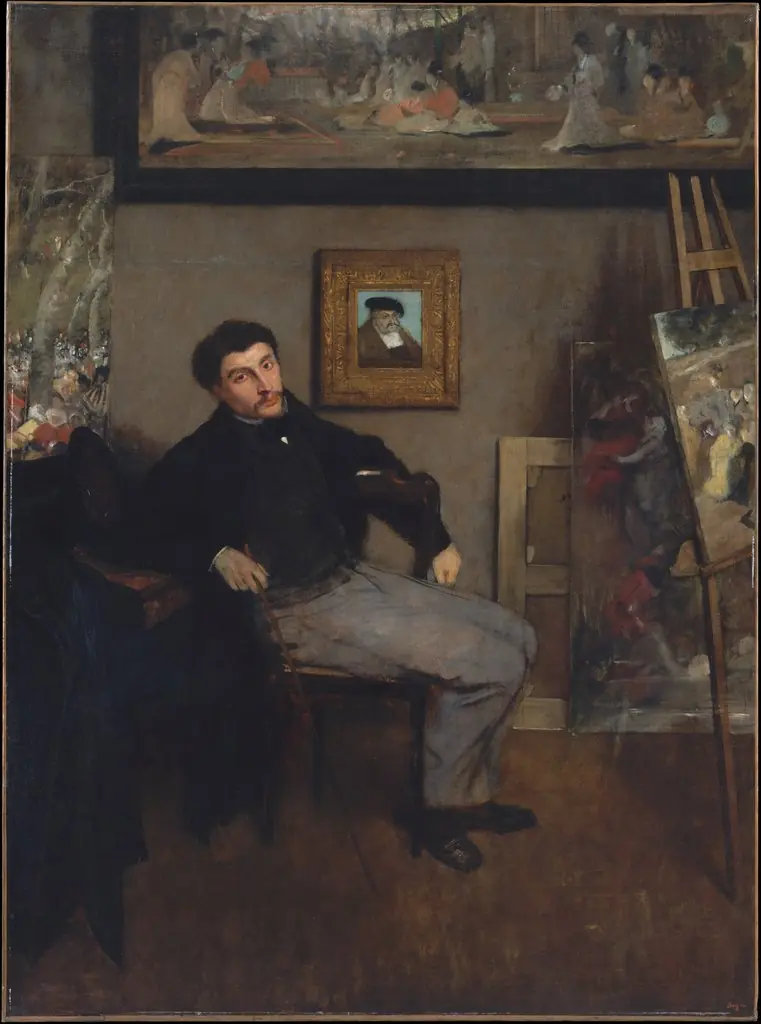
Portrait of a Man is an oil painting by the Realist artist Edgar Degas. It dates from 1866 and is held in the collection of the Brooklyn Museum.
About this work
Overview
Painted in 1866, this oil portrait by Edgar Degas depicts a seated male figure in a modest interior. The composition is restrained, focusing on the subject’s posture and the quiet atmosphere of the space. Degas rendered the scene with careful attention to light and texture, avoiding theatricality in favor of observational precision. The work is part of the Brooklyn Museum’s collection.
Subject & Meaning
The man sits upright in a plain chair, hands folded in his lap, gazing directly ahead with a composed, unsmiling expression. His dark jacket and light trousers suggest middle-class attire, while his stillness conveys introspection rather than narrative. Degas offers no clues to identity or circumstance, inviting contemplation of the individual’s presence rather than storytelling.
Technique & Style
Degas employed oil paint with a muted palette and subtle tonal transitions to model form and space. The lighting is even but directional, casting soft shadows that define the folds of fabric and the contours of the chair. Details in the curtain, floorboards, and table are rendered with quiet precision, reflecting a commitment to realism without sentimentality.
History & Provenance
Created in 1866, the painting entered the Brooklyn Museum’s collection through documented acquisition, though its earlier ownership remains unrecorded in public sources. It was produced during Degas’s early career, before his focus shifted toward ballet and horse racing subjects. The work stands as a rare example of his portraiture from this period.
Context
In mid-1860s France, academic portraiture favored idealized forms, but Degas pursued psychological immediacy through unadorned observation. This painting aligns with his interest in capturing ordinary moments and individuals, a direction that later influenced Impressionist approaches. Unlike contemporaries, he avoided embellishment, favoring spatial clarity and restrained emotion.
Legacy
Though less known than his later works, this portrait exemplifies Degas’s early commitment to realism and psychological nuance. It reveals his developing eye for composition and light, foreshadowing techniques he would refine in his mature pieces. The painting remains a quiet testament to his ability to convey presence through understated means.
Artist & collection
Artist
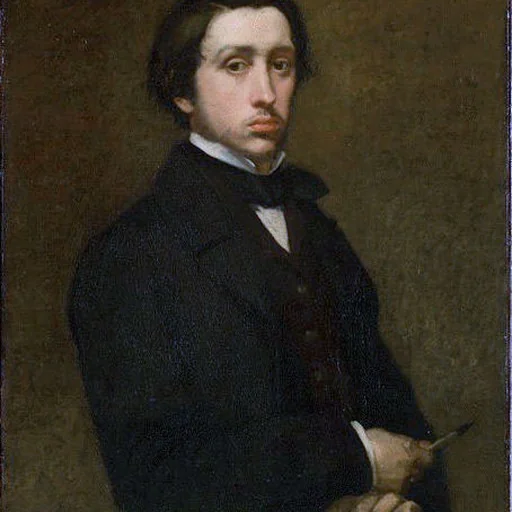
Born Hilaire-Germain-Edgar De Gas on 19 July 1834 in Paris, Edgar Degas came from an affluent banking family with aristocratic roots and spent his childhood among the cultivated circles of the French capital.

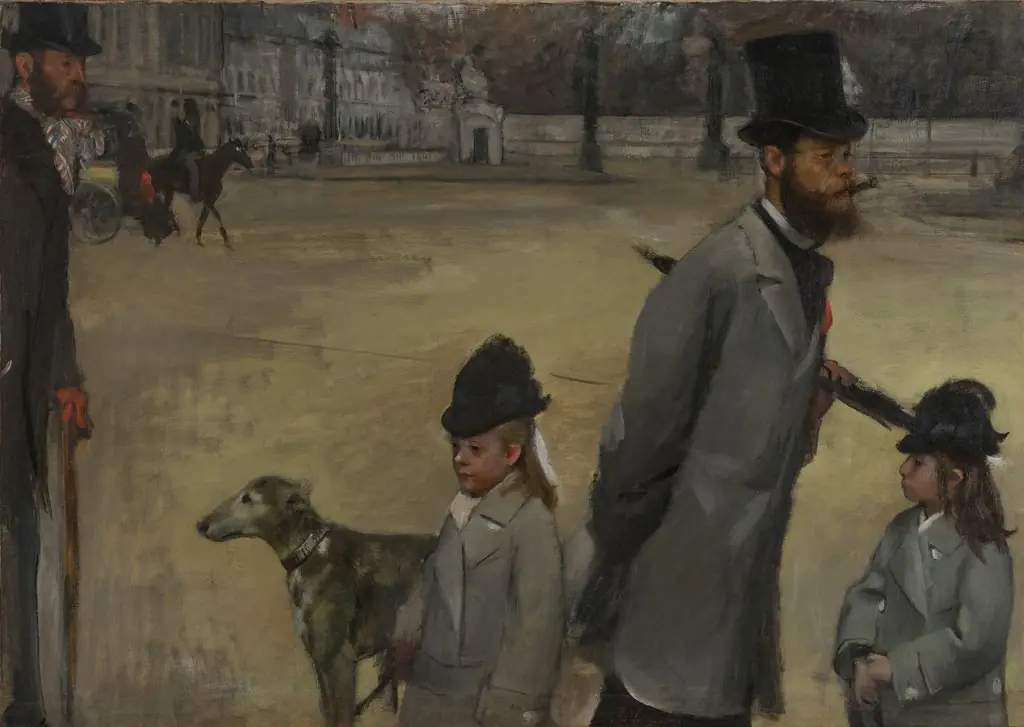
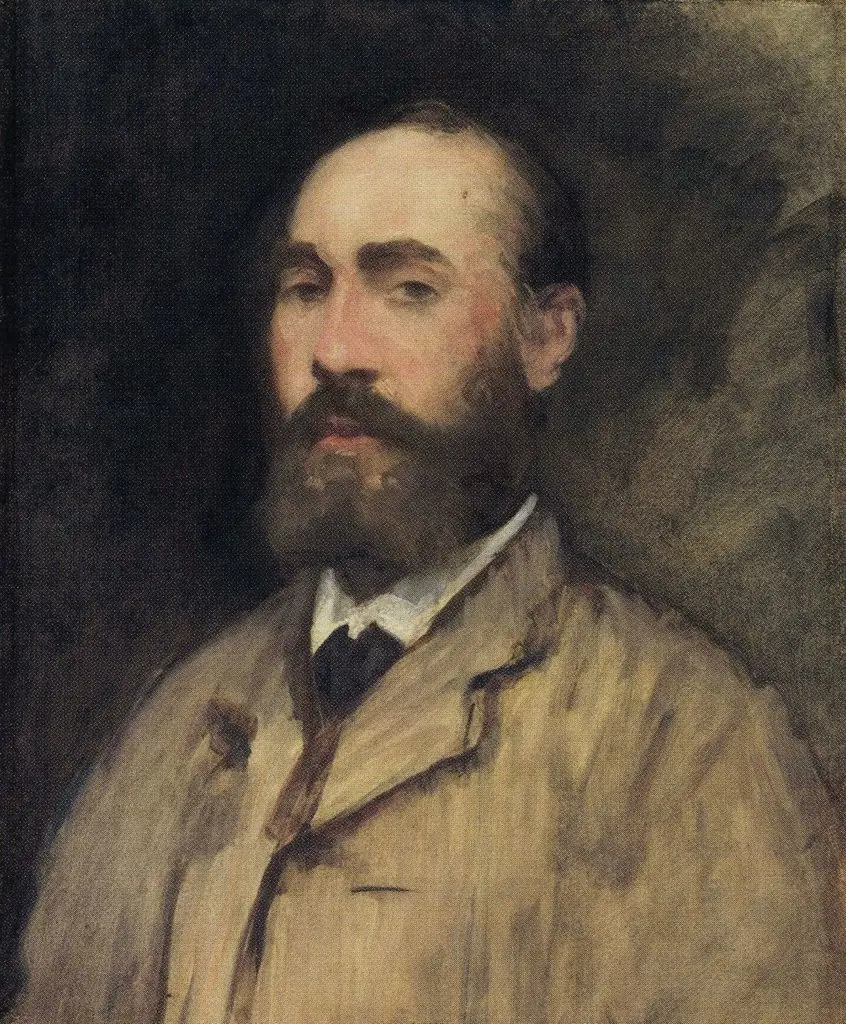 Jean-Baptiste Faure (1830–1914)
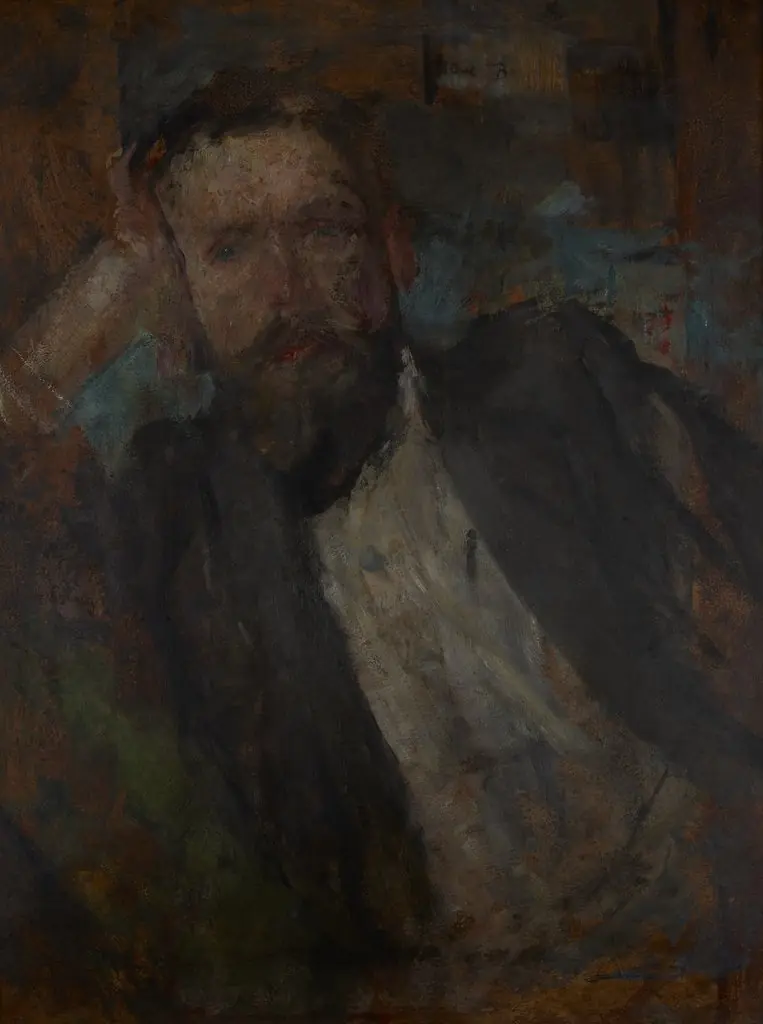 Male Portrait – two-sided painting
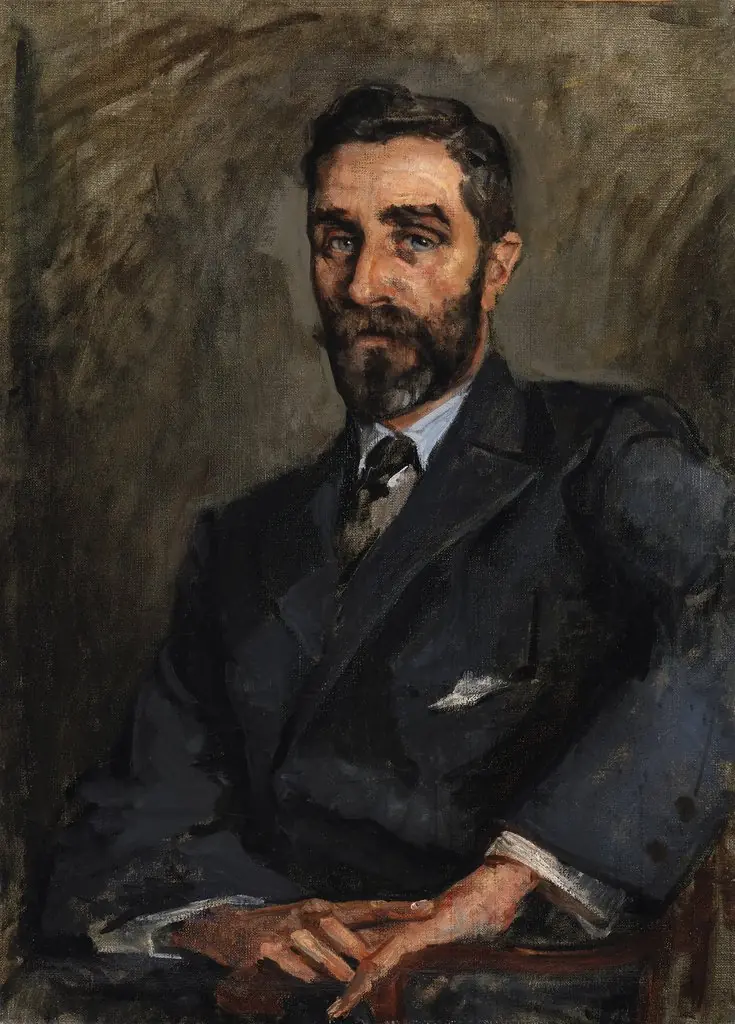 Portrait of Roger Casement, (1864-1916), Patriot and Revolutionary
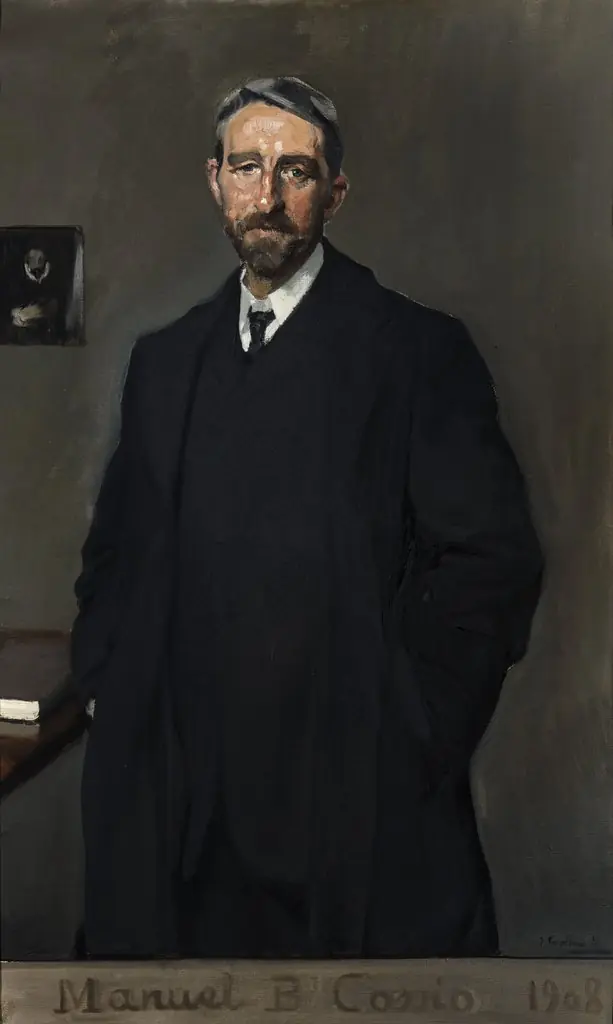 Manuel Bartolomé Cossío
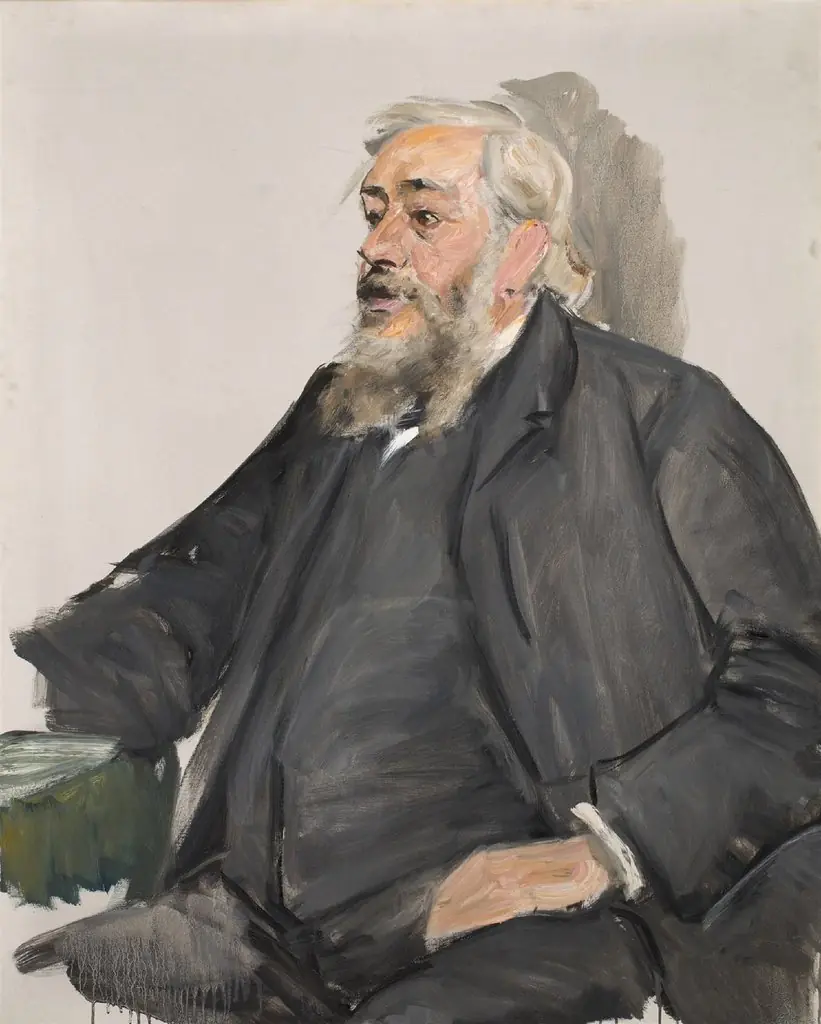 Bildnis Professor Justus Brinckmann
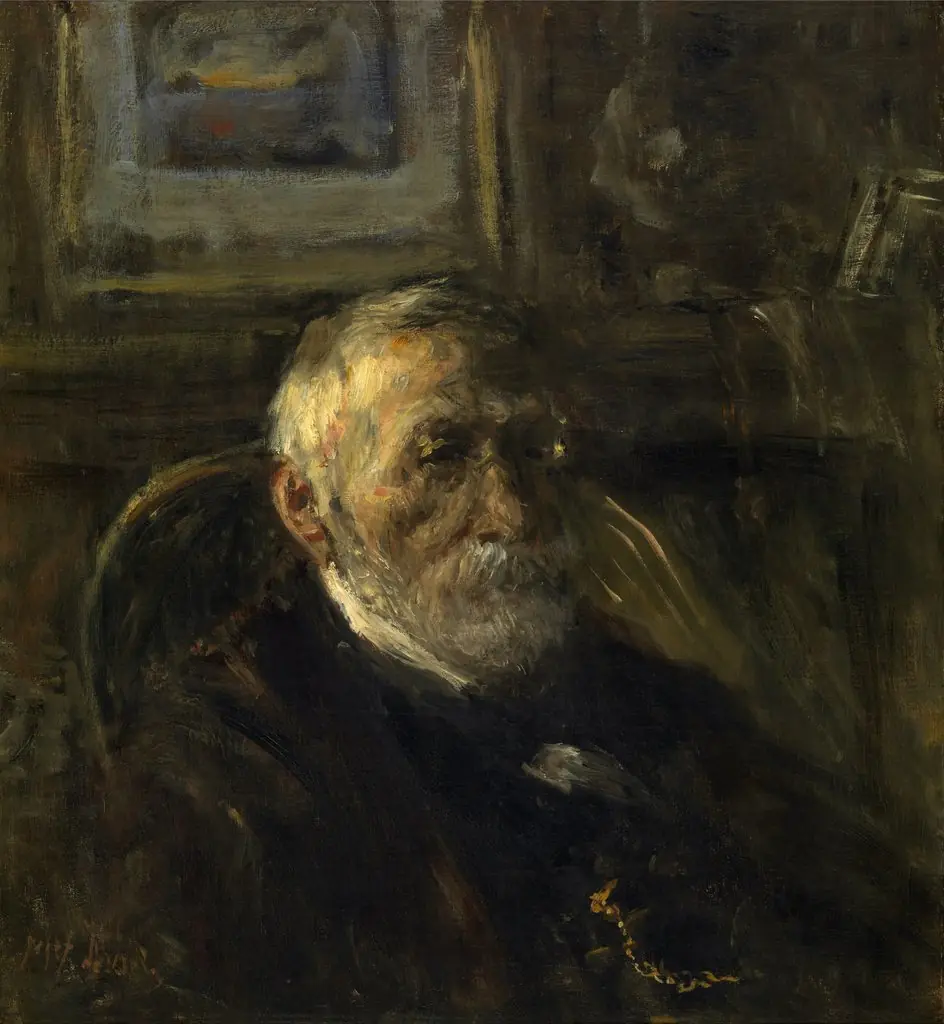 Selfportrait Jozef Israëls
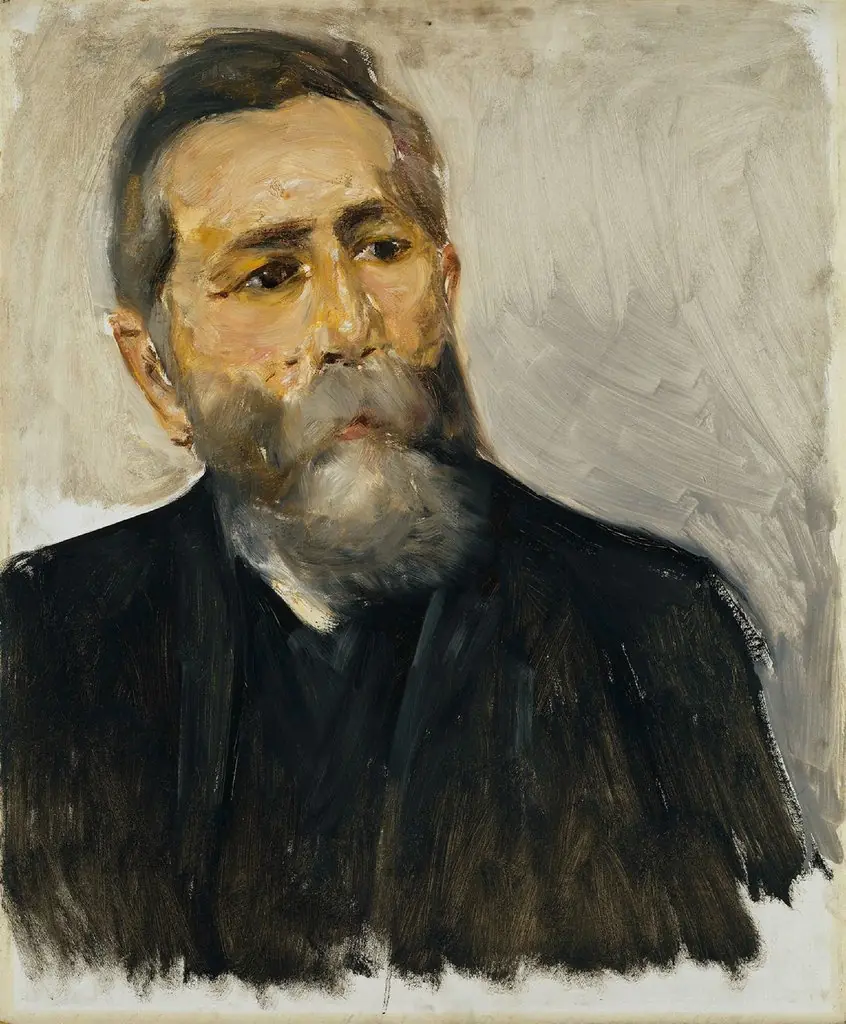 Professor August Voller
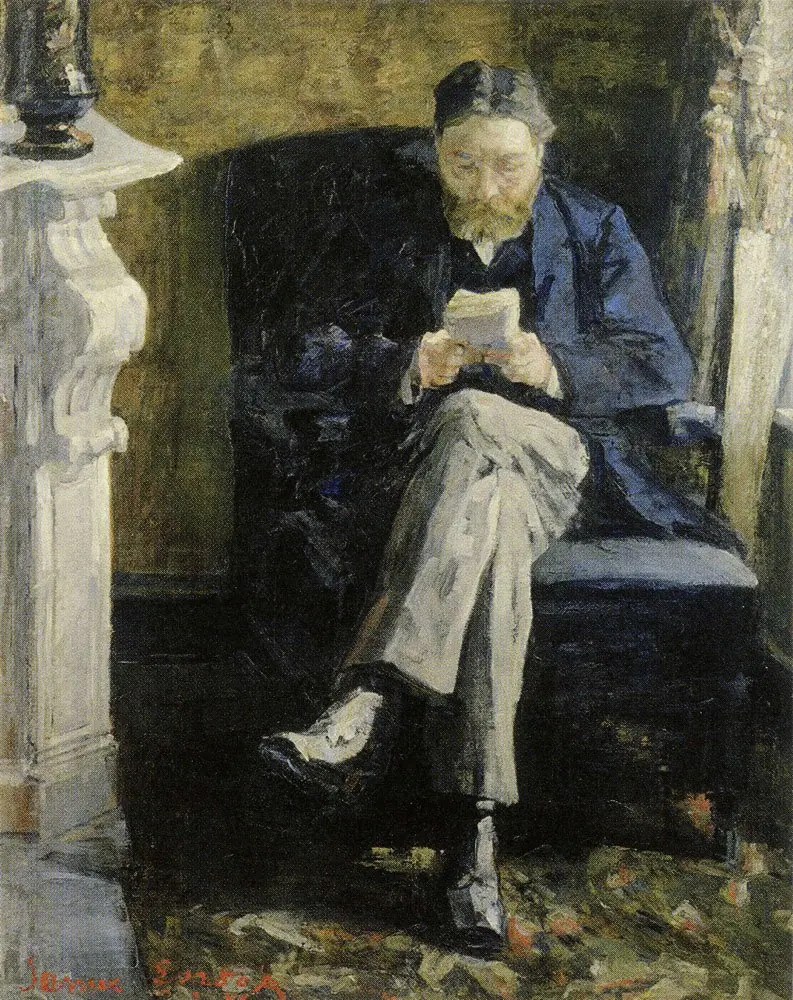 Portrait of the Artist's Father
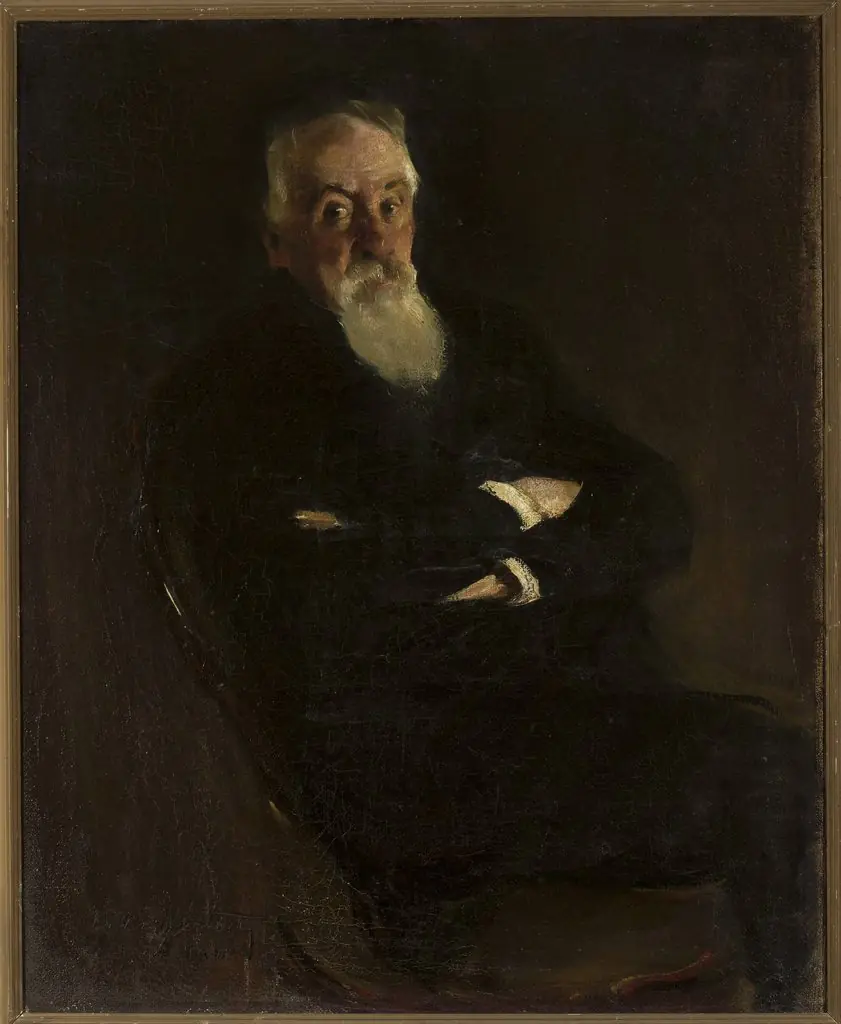 Portrait of Karol Berent
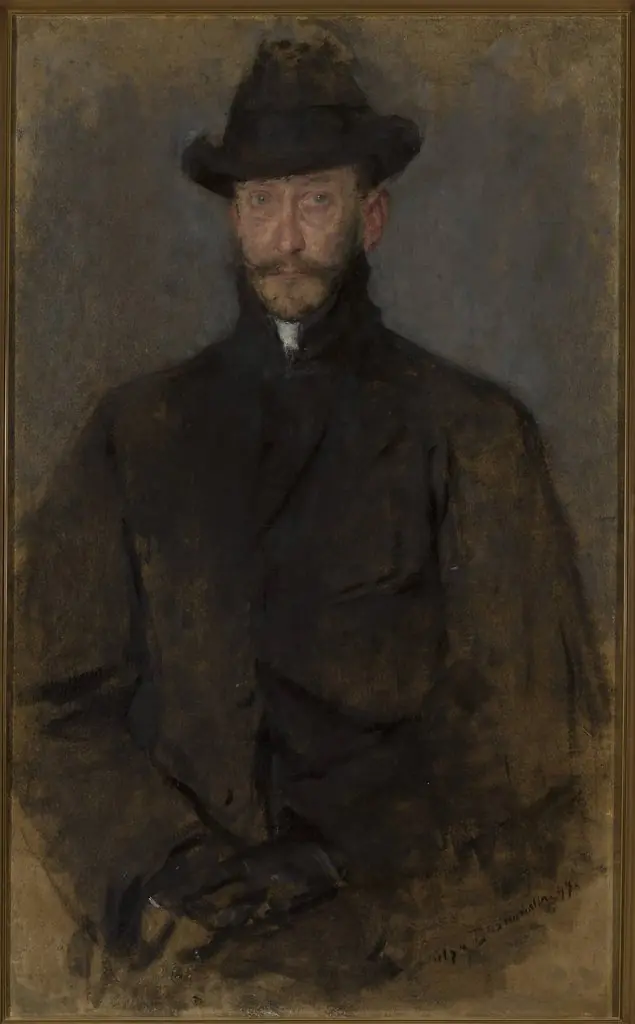 Portrait of Antoni Kamieński (1860/1861–1933), painter
 Portrait of Pál Szinyei Merse
 Edmond Maître