Artwork
Portrait of Roger Casement, (1864-1916), Patriot and Revolutionary
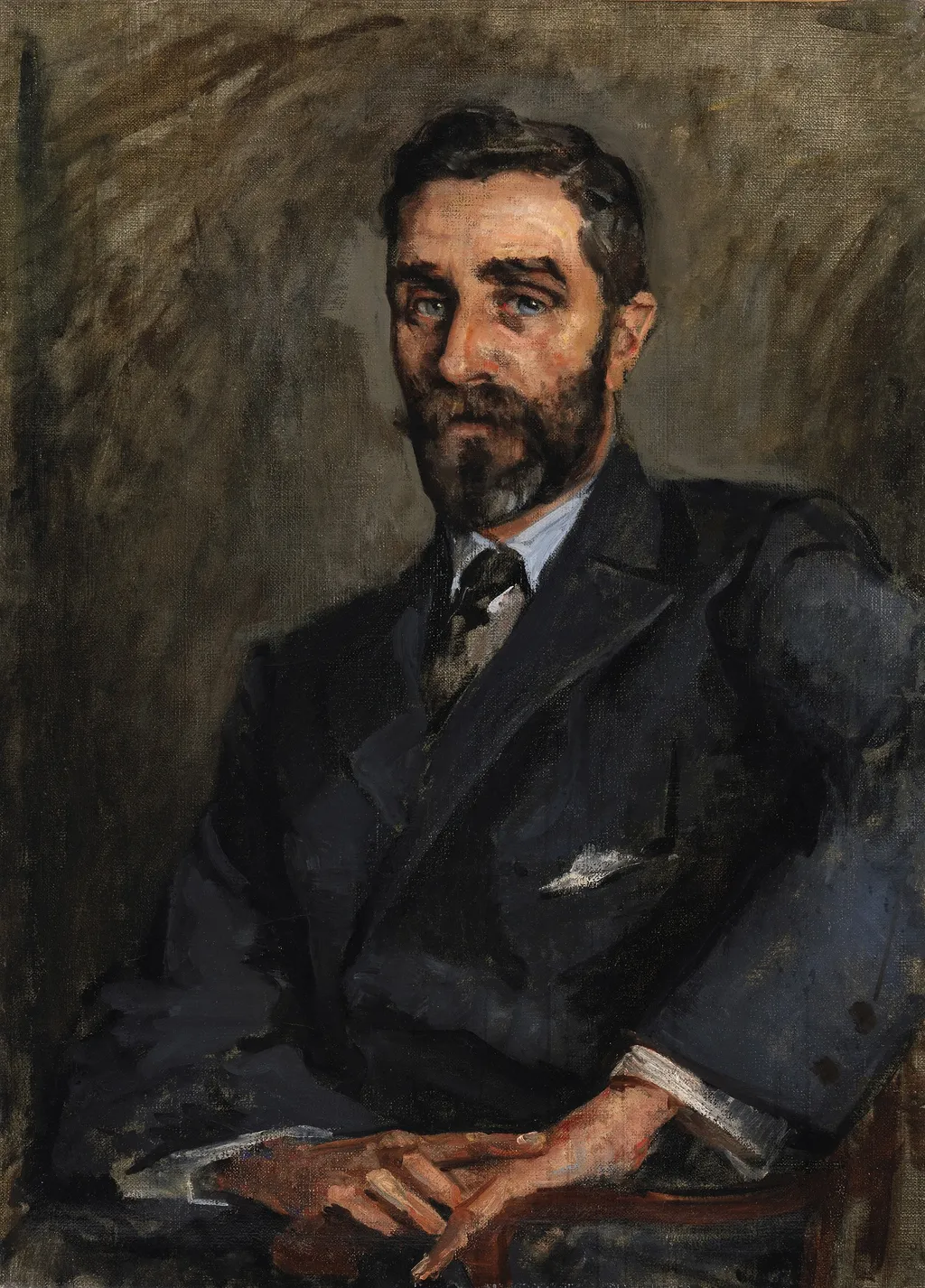
Portrait of Roger Casement, (1864-1916), Patriot and Revolutionary is an oil painting by the Impressionist artist Sarah Purser. It dates from 1914 and is held in the collection of the National Gallery of Ireland.
About this work
Overview
The portrait is part of the National Gallery of Ireland’s collection and reflects Purser’s reputation as a leading Irish portraitist.
Sarah Purser painted Roger Casement in 1914 using oil on canvas, capturing him as a seated figure in formal attire. The portrait is part of the National Gallery of Ireland’s collection and reflects Purser’s reputation as a leading Irish portraitist. Though active during the rise of Impressionism, Purser’s approach here leans toward traditional realism, emphasizing psychological presence over stylistic experimentation.
Subject & Meaning
Roger Casement, an Irish nationalist and diplomat turned revolutionary, is portrayed with solemn composure. His direct gaze and clasped hands convey quiet resolve, aligning with his public role as a moral advocate for Irish self-determination. The absence of symbolic props or setting focuses attention on his character, suggesting an intention to present him as a figure of integrity rather than political spectacle.
Technique & Style
Purser employs chiaroscuro to model Casement’s face and hands, using subtle contrasts of light and shadow to create volume. The muted background recedes, isolating the figure and enhancing the intimacy of the composition. Brushwork is controlled and precise, particularly in the rendering of fabric and skin, reflecting a disciplined academic training rather than the loose brushstrokes of contemporary Impressionist trends.
History & Provenance
Commissioned during a period of rising Irish nationalist sentiment, the portrait was completed two years before Casement’s execution for treason. It remained in private hands until acquired by the National Gallery of Ireland, where it now serves as a visual record of a controversial yet influential figure in the lead-up to Irish independence.
Context
In early 20th-century Ireland, portraiture was a key medium for asserting cultural identity. Purser, as one of the first women elected to the Royal Hibernian Academy, used her position to document national figures. Casement’s portrait emerged amid growing political tension, offering a dignified counterpoint to the sensationalism surrounding his later trial and death.
Legacy
The portrait endures as a sober representation of a complex historical figure. It reflects Purser’s skill in capturing psychological depth without embellishment, and remains one of the most recognized images of Casement. Its placement in a national institution underscores its role in shaping how Irish history is visually remembered.
Own this work as a print
Artist & collection
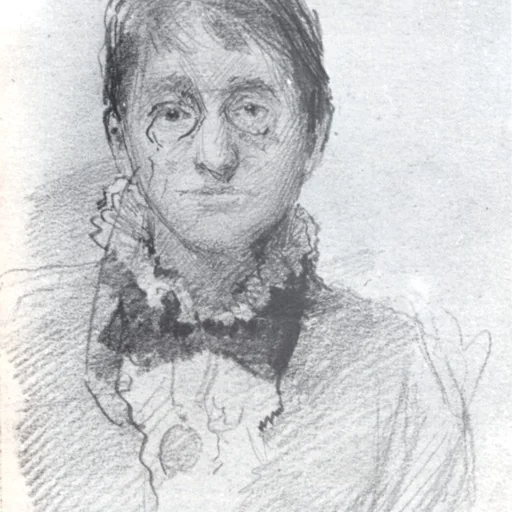
Artist
Sarah Henrietta Purser RHA (22 March 1848 – 7 August 1943) was an Irish artist mainly noted for her portraiture.

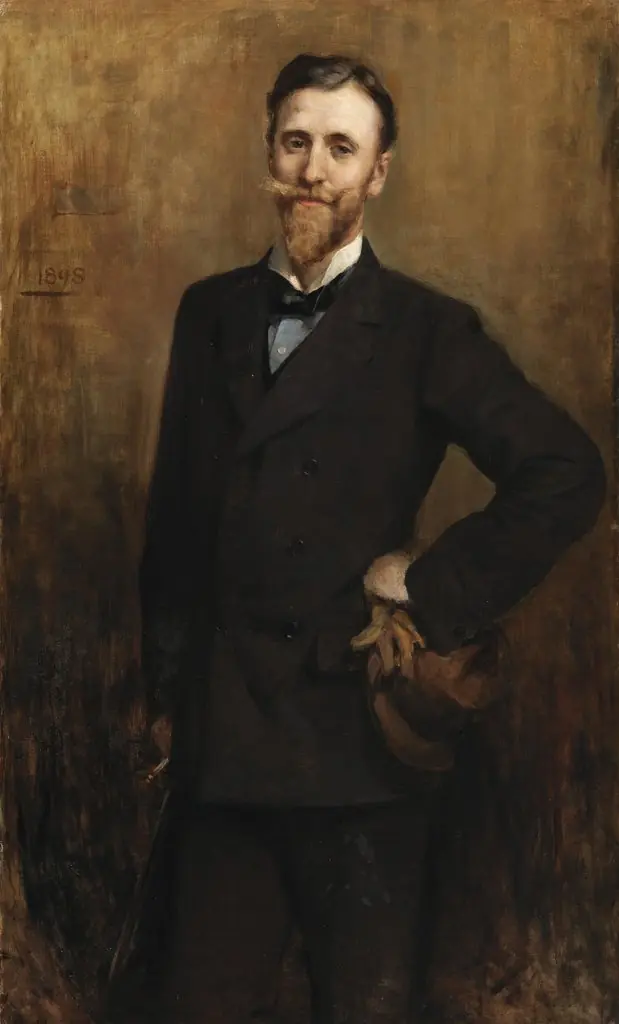 Portrait of T.P. Gill, Journalist, Secretary, Department of Agriculture and Technical Instruction
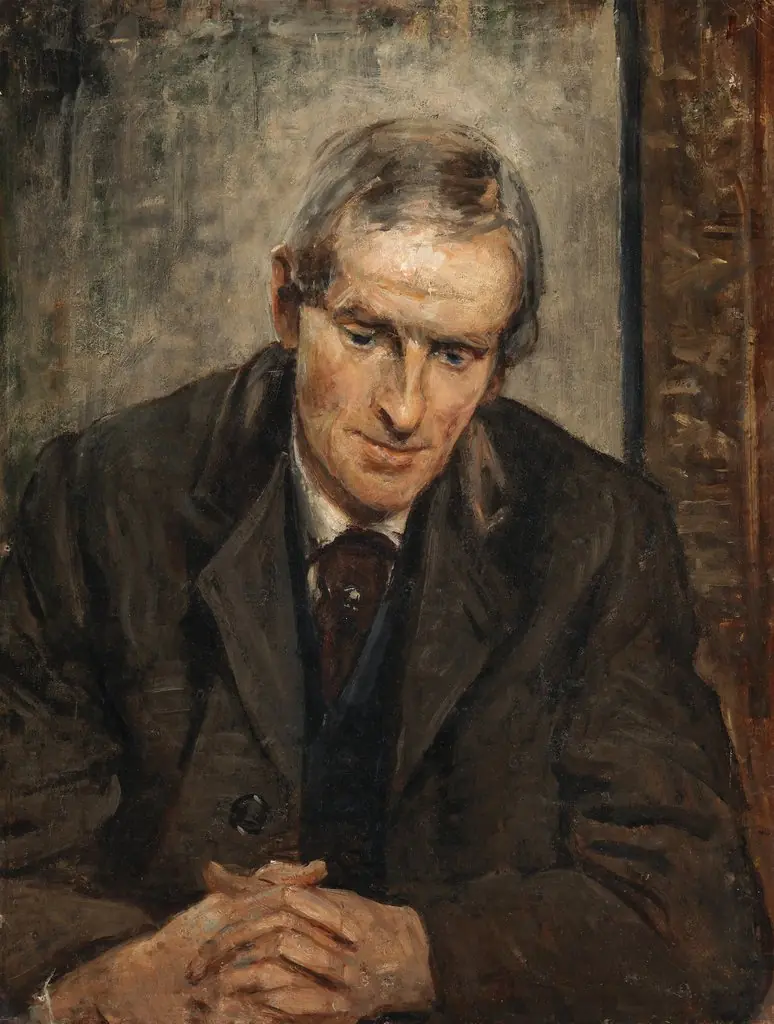 Portrait of Jack B. Yeats (1871-1957)
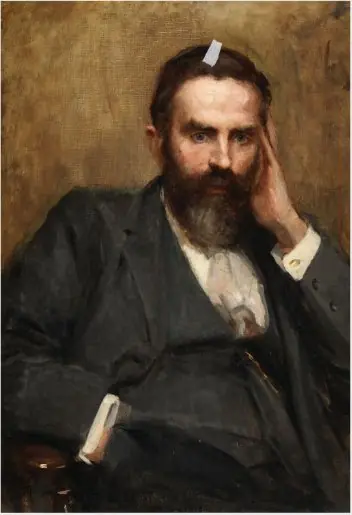 Portrait of T.W. Russell, Vice-President, Department of Agriculture and Technical Instruction
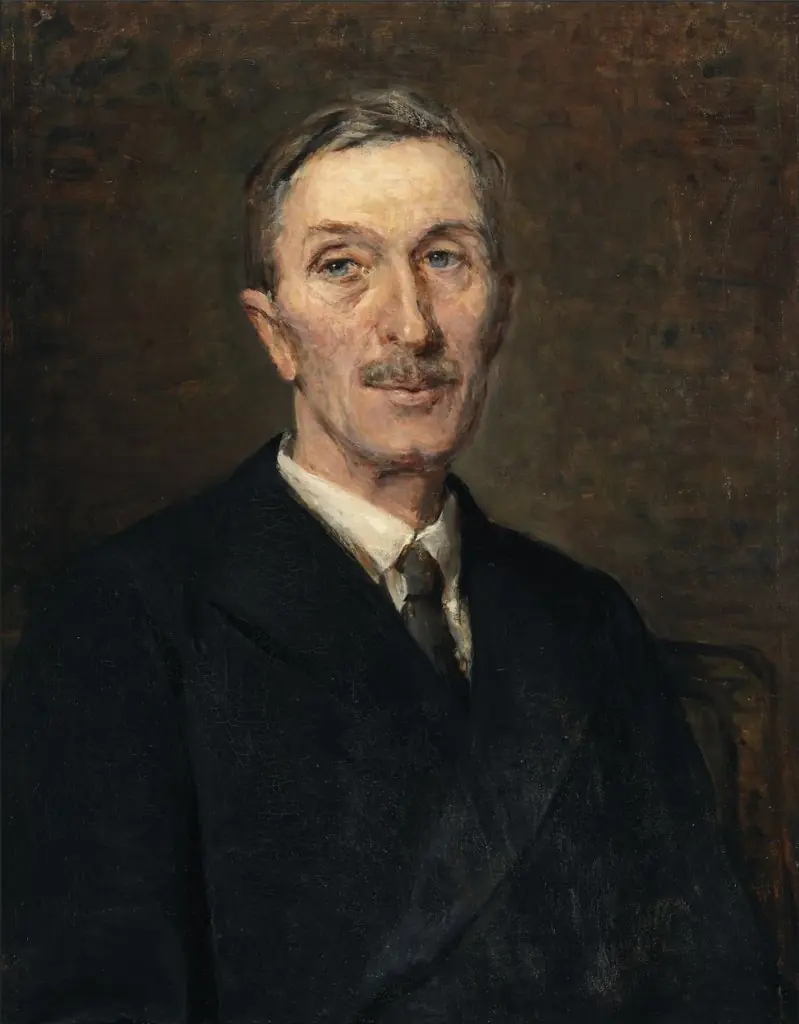 Portrait of James MacNeill (1869-1938), Last Governor General of Ireland
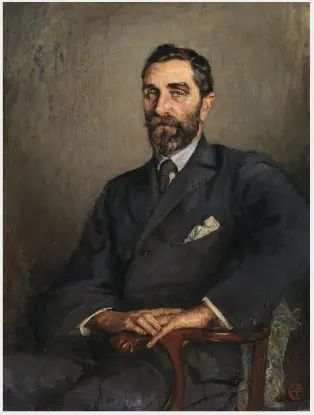 Roger Casement (1864-1916), Patriot and Revolutionary
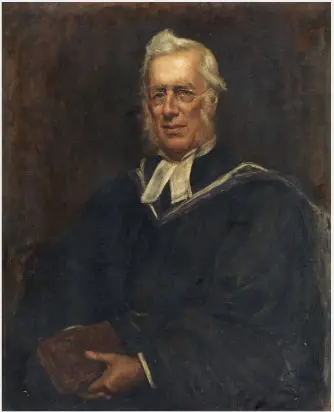 Portrait of Reverend J.M. Hamilton
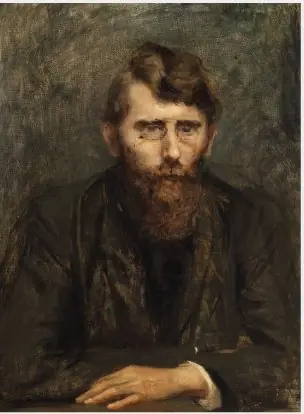 Portrait of George W. Russell (AE) (1867-1935), Poet, Artist and Economist
 Le Petit Déjeuner