Artwork
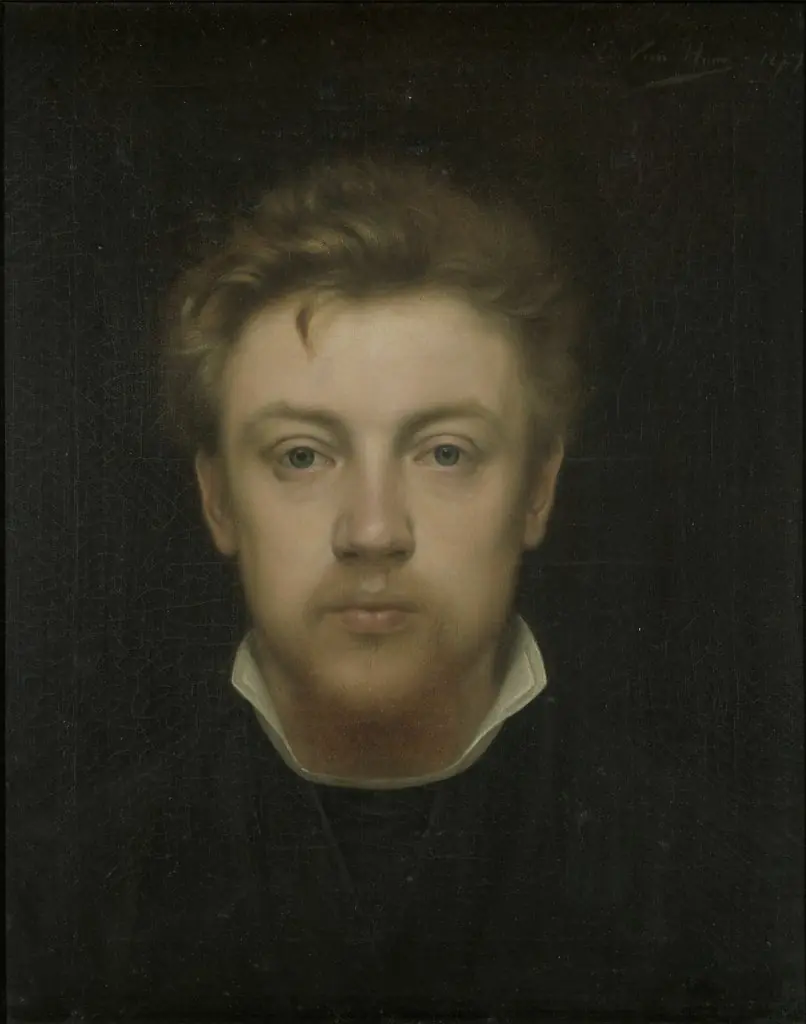
Portrait of Karel Recour
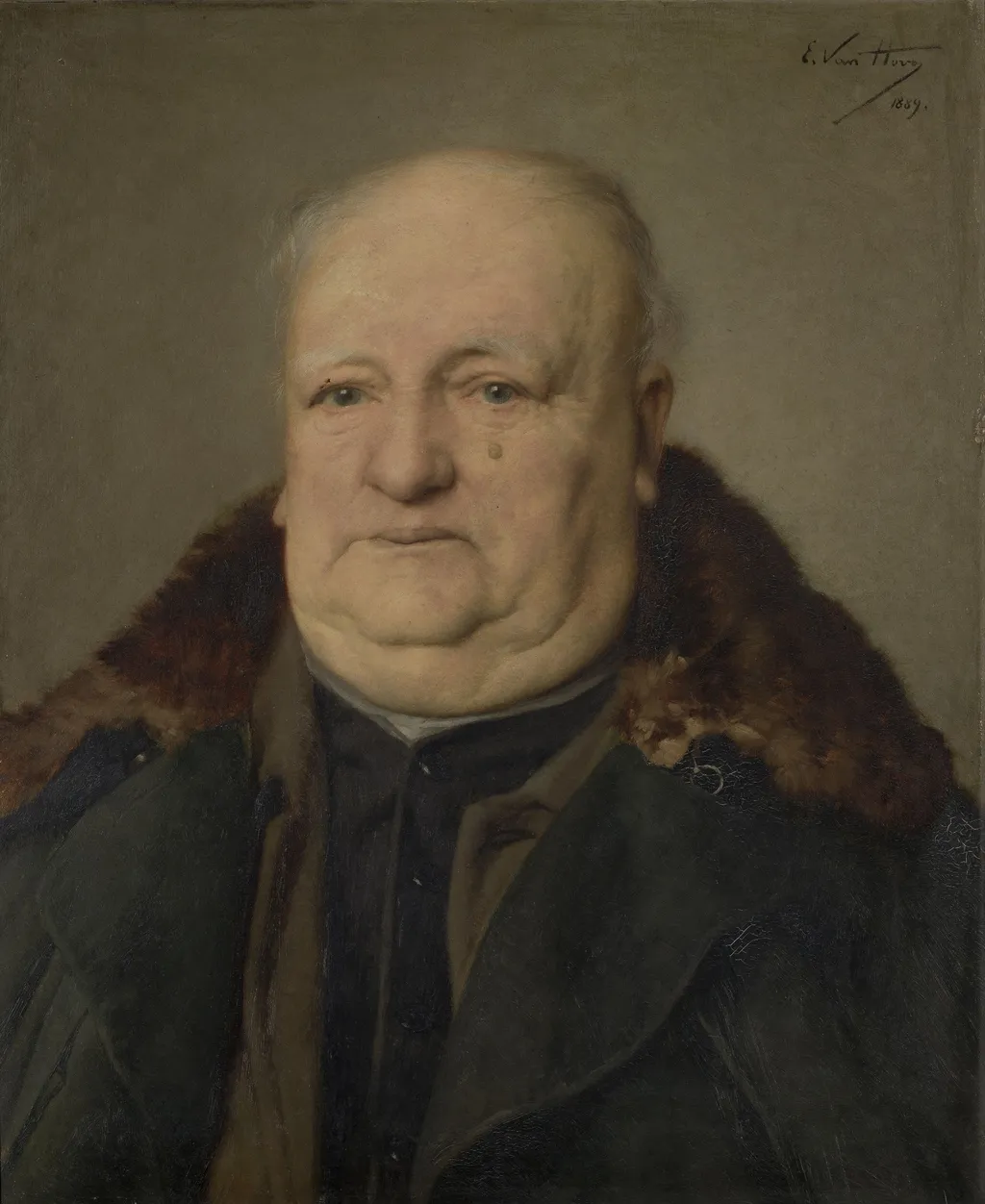
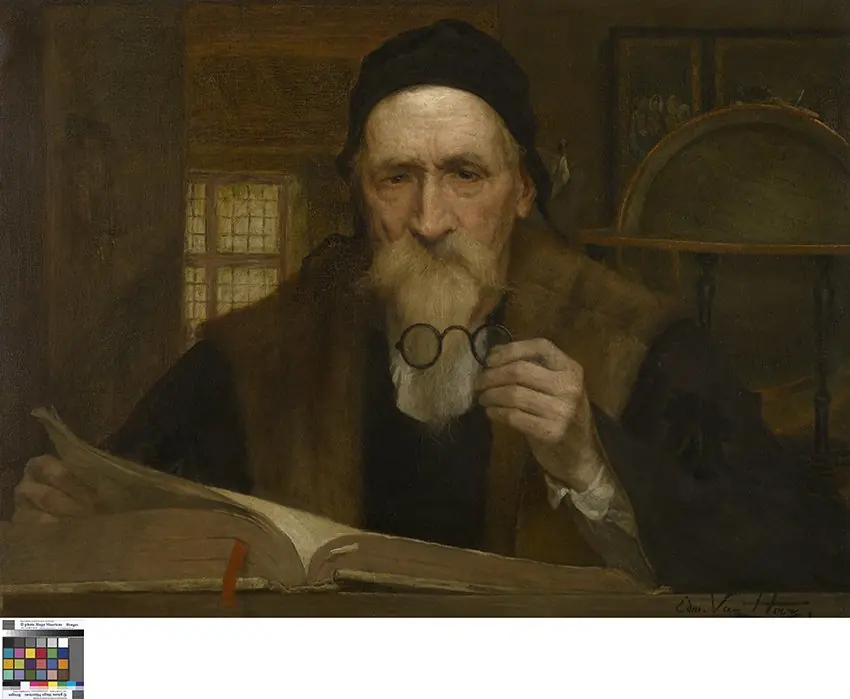
Portrait of Karel Recour is an oil painting by the Post-Impressionist artist Edmond Van Hove. It dates from 1895 and is held in the collection of the Groeningemuseum.
About this work
Overview
Painted in 1895 by Edmond Van Hove, this oil portrait captures Karel Recour, a man of advanced age, in a restrained and contemplative pose.
Painted in 1895 by Edmond Van Hove, this oil portrait captures Karel Recour, a man of advanced age, in a restrained and contemplative pose. The work is part of the permanent collection at the Groeningemuseum in Bruges. Its quiet composition and attention to facial detail reflect Van Hove’s interest in psychological presence over theatricality. The subject’s direct gaze establishes an intimate, unmediated connection with the viewer.
Subject & Meaning
Karel Recour is portrayed without adornment or symbolic context, emphasizing his individuality rather than social status. His fur-trimmed jacket suggests modest affluence, while his weathered face and intense gaze convey a life of quiet endurance. The absence of props or background elements focuses attention entirely on his character, inviting reflection on aging, dignity, and inner life rather than external identity.
Technique & Style
Van Hove employs chiaroscuro to model the contours of Recour’s face, using subtle shifts in light and shadow to define bone structure and skin texture. The brushwork is precise around the eyes and wrinkles, while the fur collar is rendered with looser, tactile strokes that contrast with the smoothness of the skin. The muted, neutral background isolates the figure, enhancing the three-dimensionality achieved through careful tonal gradation.
History & Provenance
The portrait entered the Groeningemuseum’s collection in the early 20th century, likely through acquisition or donation following Van Hove’s death in 1932. Little is documented about Karel Recour’s identity beyond his name and age at the time of painting. The work remained relatively obscure until late 20th-century reassessments of Flemish portraiture brought renewed attention to Van Hove’s quieter, introspective style.
Context
Painted during a period when Belgian artists were increasingly turning toward realism and psychological depth, Van Hove’s portrait aligns with broader regional trends that rejected idealization. Unlike grand historical or aristocratic portraits, this work reflects a growing interest in ordinary individuals, influenced by French and Dutch traditions of intimate portraiture and the rise of middle-class patronage in the late 19th century.
Legacy
Though not widely exhibited outside Belgium, the portrait stands as a representative example of Van Hove’s mature style—reserved, observant, and technically grounded. It contributes to the understanding of regional portraiture that prioritized authenticity over spectacle. Scholars cite it as evidence of how Flemish artists adapted broader European realism to local sensibilities in the decades before modernism.
Own this work as a print
Artist & collection

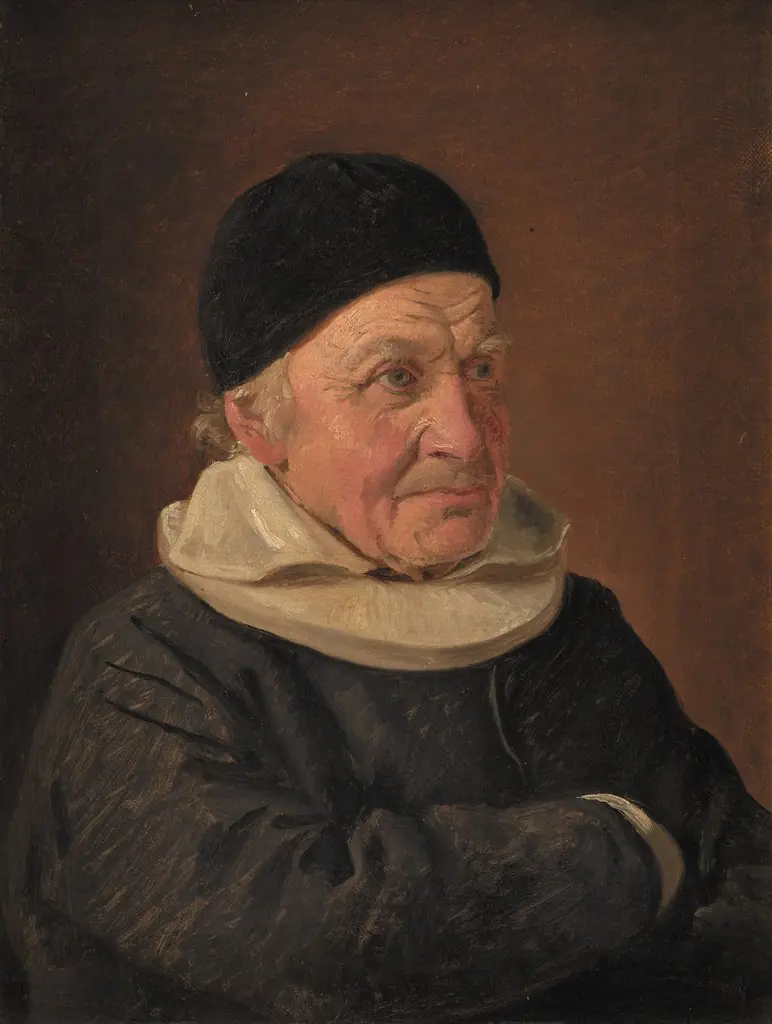 Pastor Jens Bindesbøll
 Pastor Jens Bindesbøll
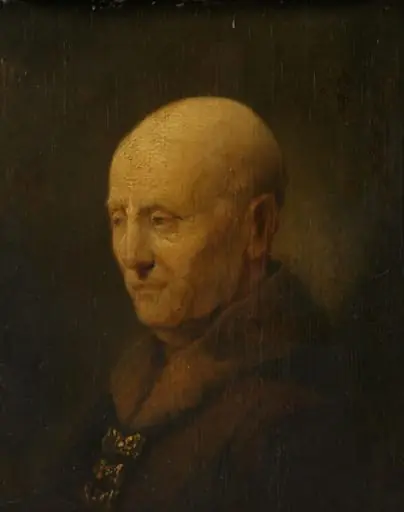 Portrait of a man, perhaps Rembrandt's father, Harmen Gerritsz van Rijn
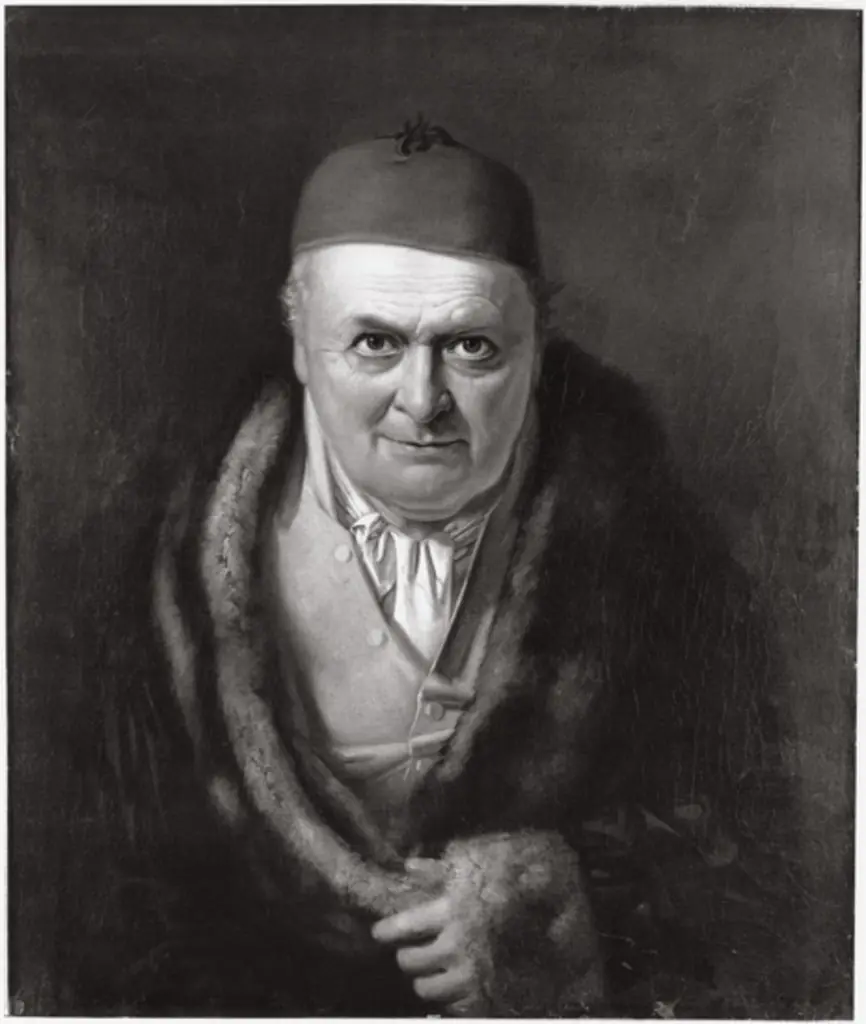 Bildnis des Landschaftsmalers Joseph Koch
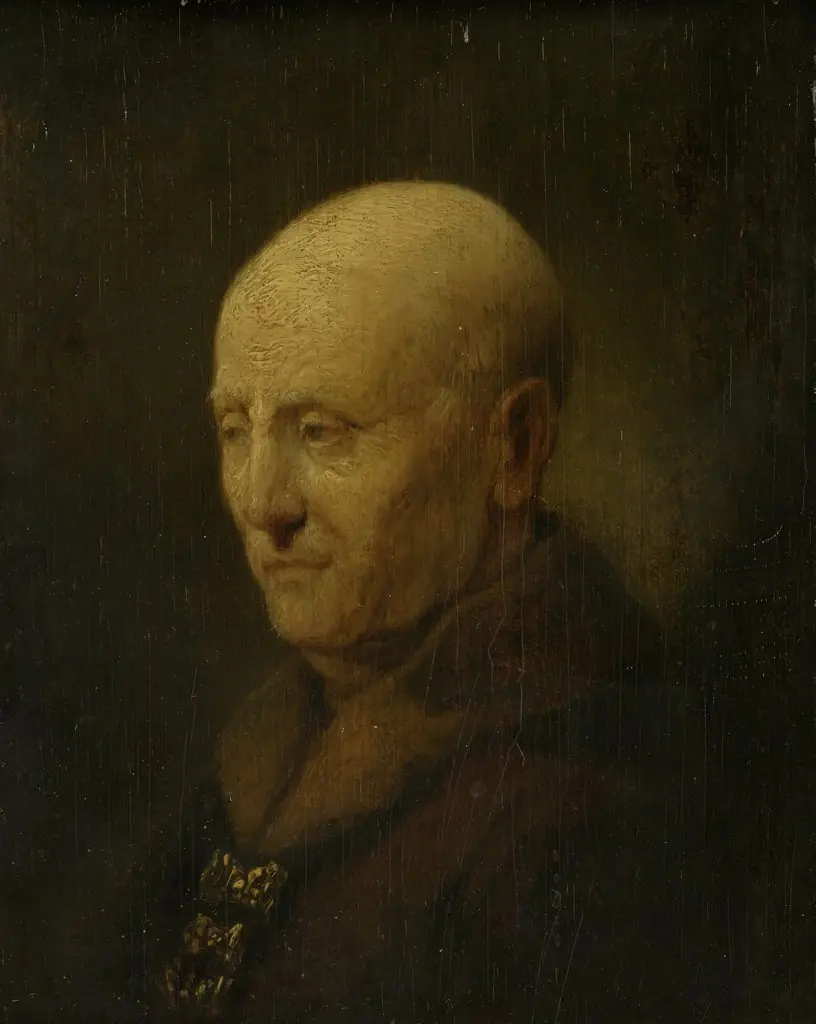 Portrait of a man, perhaps Rembrandt's father, Harmen Gerritsz van Rijn
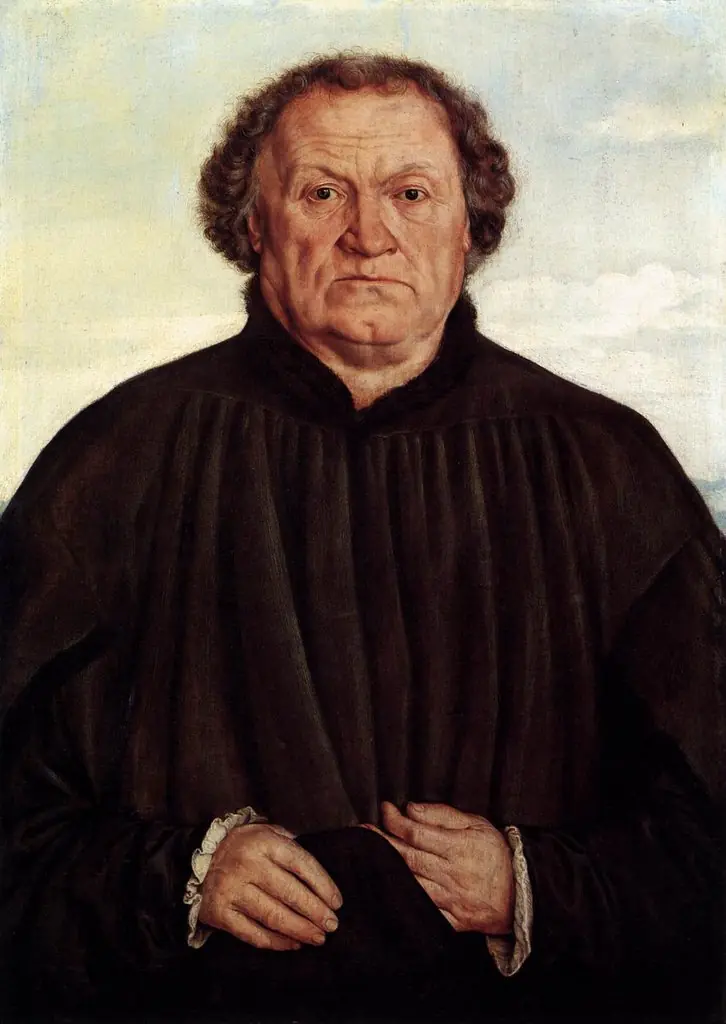 Portrait of a Man
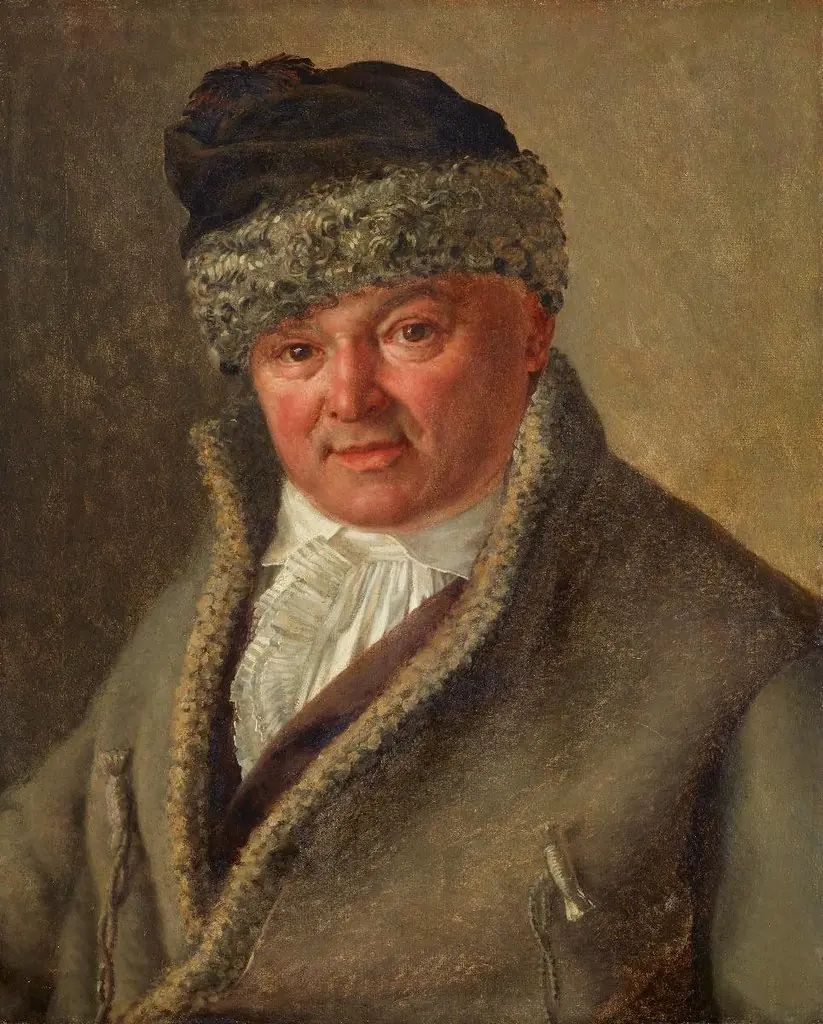 Bildnis des Landschaftsmalers Johann Heinrich Wüest
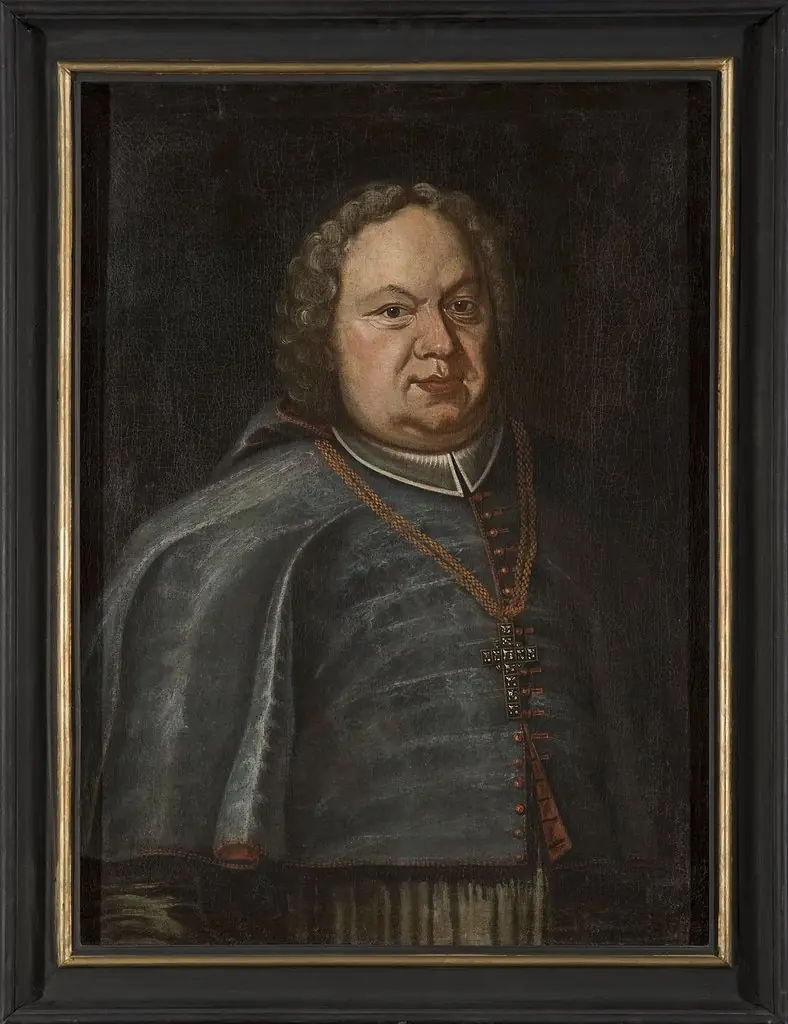 Portrait of Maciej Łubieński /?/ (d. 1652), primate
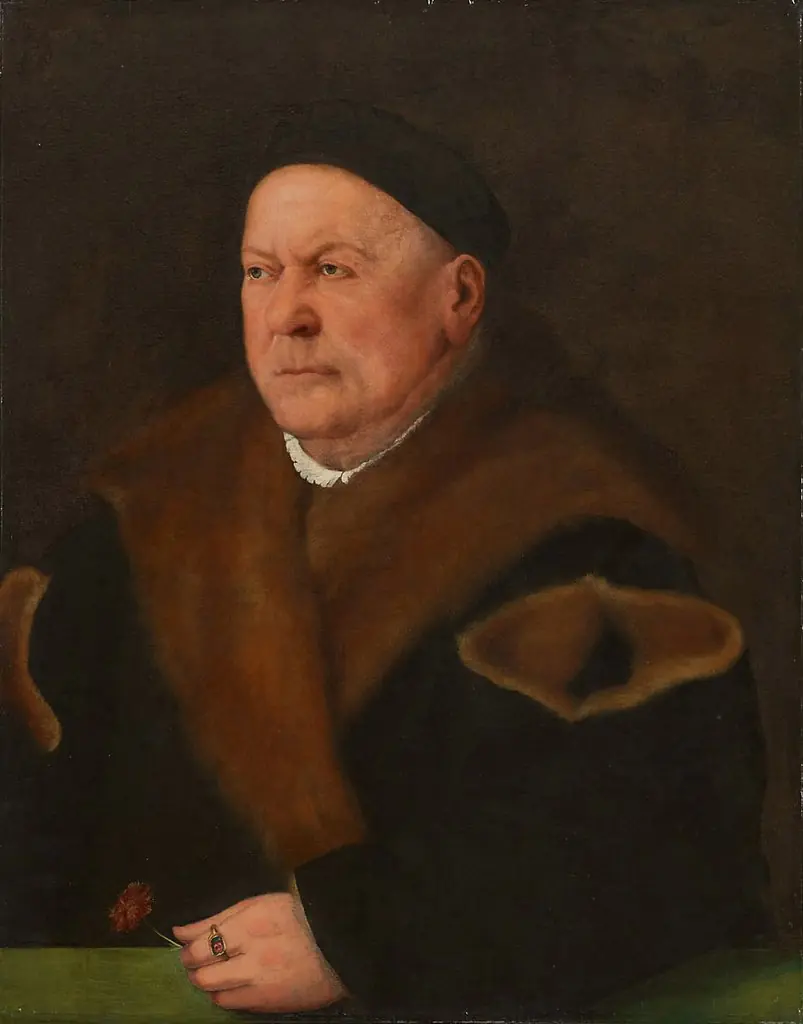 Der Augsburger Patrizier Ulrich Sulzer (1463-1545)
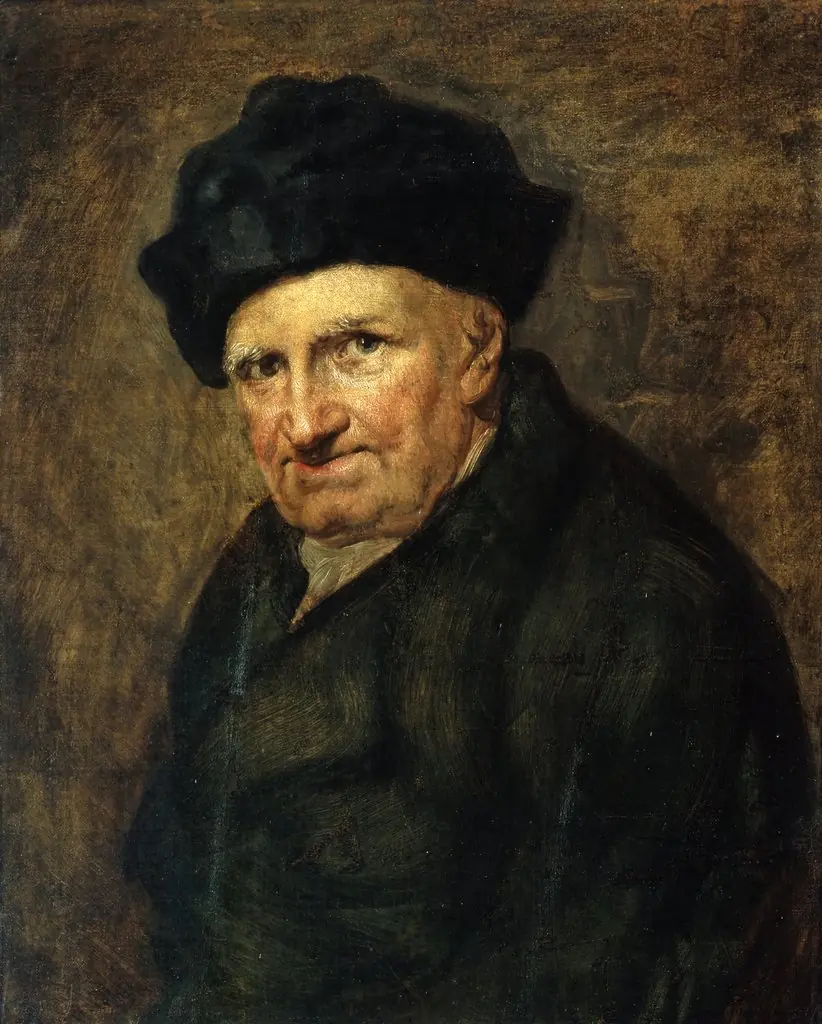 Berlin Consistory Council Johann Joachim Spalding (1714-1804)
 P.H. Mønster, Rural Dean in Sorø, later Bishop of Aarhus
 Portrait of a Man