Artwork
The Young François I of France Goes out Hunting
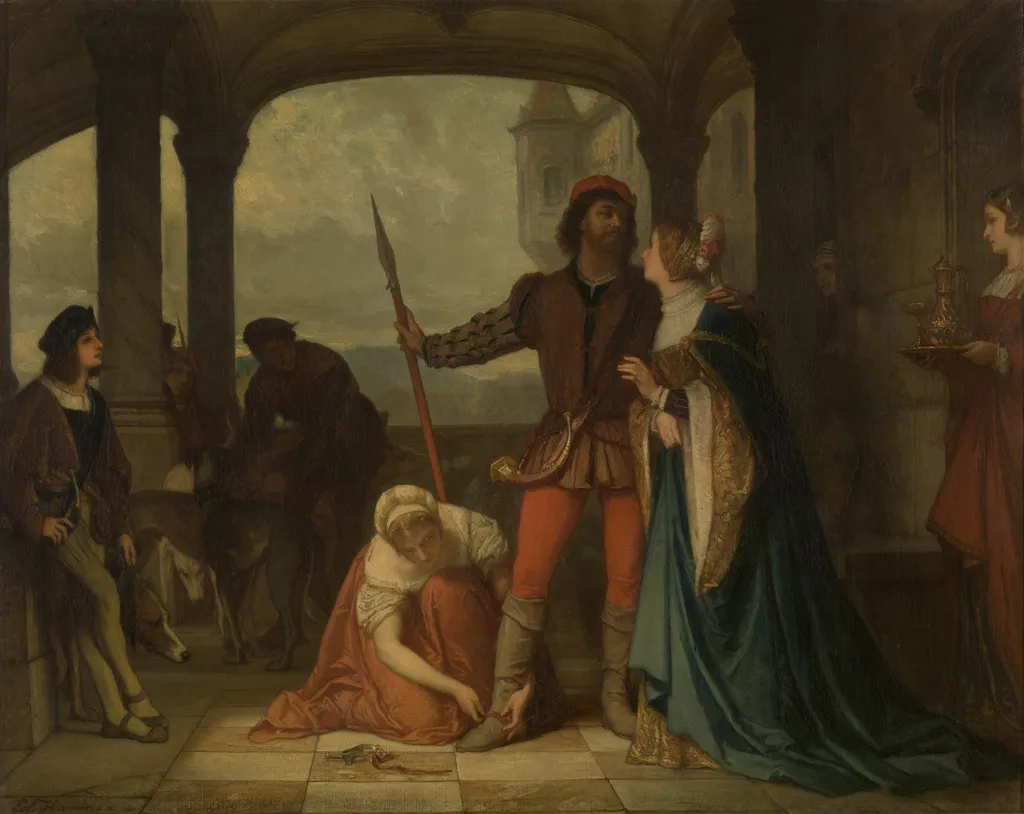
The Young François I of France Goes out Hunting is an oil painting by Edouard Hamman. It dates from 1863 and is held in the collection of the Royal Museum of Fine Arts Antwerp. Painted in 1863 by Belgian artist Édouard Hamman, this oil-on-canvas work depicts a moment from the youth of François I of France.
About this work
Overview
The painting resides in the Royal Museum of Fine Arts Antwerp, where it contributes to the institution’s collection of 19th-century historical imagery.
Painted in 1863 by Belgian artist Édouard Hamman, this oil-on-canvas work depicts a moment from the youth of François I of France. Hamman, known for historical and aristocratic subjects, rendered the scene with attention to period detail and narrative atmosphere. The painting resides in the Royal Museum of Fine Arts Antwerp, where it contributes to the institution’s collection of 19th-century historical imagery.
Subject & Meaning
The scene captures François I, then a young nobleman, moments before a hunt. His attire and spear signal his role as a future monarch engaged in aristocratic ritual. A woman kneels to fasten his boot, suggesting service and intimacy within courtly life. A figure in the background offers a drink, reinforcing the ceremonial nature of the departure. The moment is neither grand nor dramatic, but quietly preparatory, emphasizing routine privilege.
Technique & Style
Hamman employed traditional oil painting methods to render textures of fabric, leather, and stone with precision. The lighting is soft and diffused, casting gentle shadows across the courtyard’s arches and columns. Figures are rendered with restrained naturalism, avoiding theatricality. The cloudy sky in the distance adds a muted tonal harmony, grounding the scene in a believable, atmospheric space rather than idealized grandeur.
History & Provenance
Commissioned and completed in 1863, the painting entered the collection of the Royal Museum of Fine Arts Antwerp shortly after its creation. Its acquisition reflects 19th-century European interest in reconstructing historical moments of royalty through academic art. No significant changes in ownership are recorded, and it has remained in the museum’s care since its initial acquisition.
Context
Hamman painted during a period when historical scenes of European nobility were popular among collectors and institutions. The 19th century saw renewed fascination with the Renaissance, particularly the reign of François I, who symbolized cultural patronage and chivalric ideals. This work aligns with broader trends in Belgian academic painting that sought to humanize historical figures through intimate, everyday moments.
Legacy
The painting remains a quiet example of 19th-century historical genre painting, valued for its attention to costume and setting rather than dramatic narrative. It contributes to scholarly understanding of how later generations visualized early modern French royalty. While not widely reproduced, it continues to serve as a reference for costume and courtly ritual in museum exhibitions and academic study.
Own this work as a print
Artist & collection
Artist
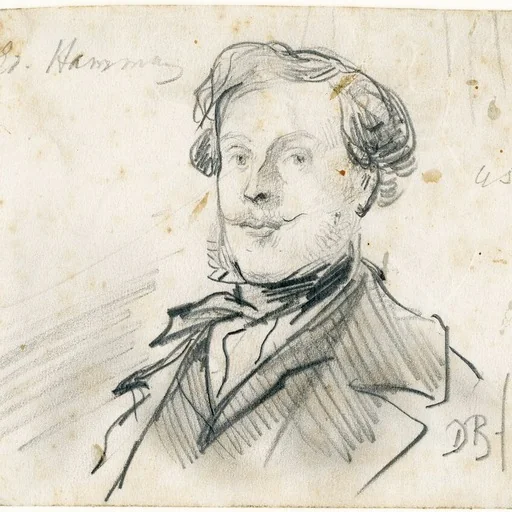
Edouard Jean Conrad Hamman (24 September 1819 – 30 March 1888) was a Belgian painter and engraver who specialized in portraying scenes from the lives of famous artists, scholars and the nobility.

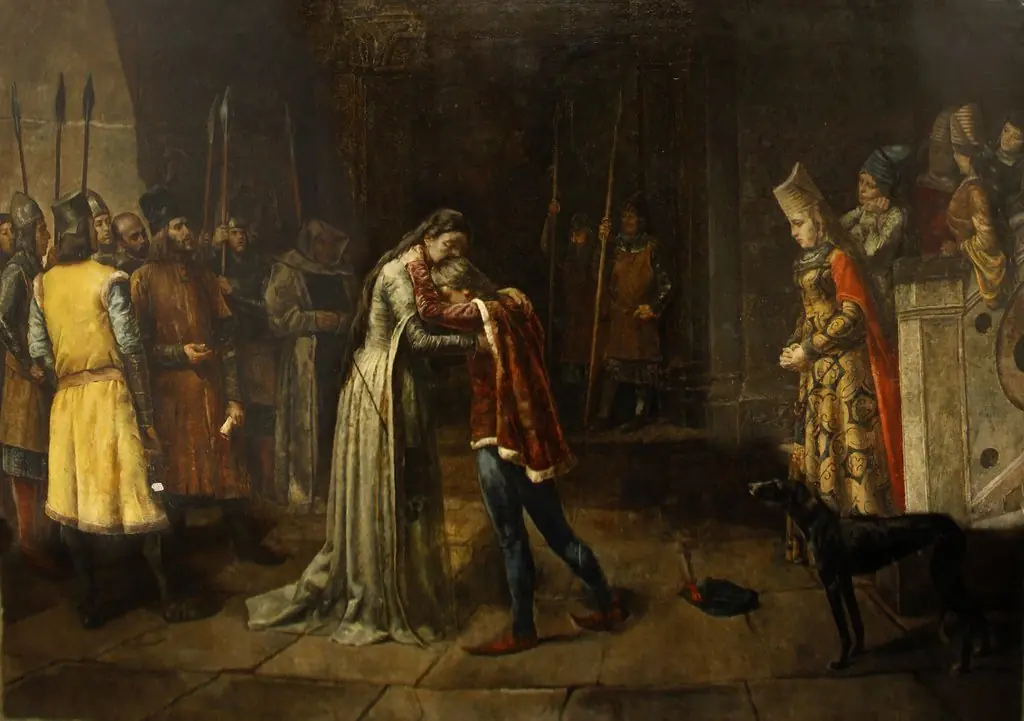 La última despedida
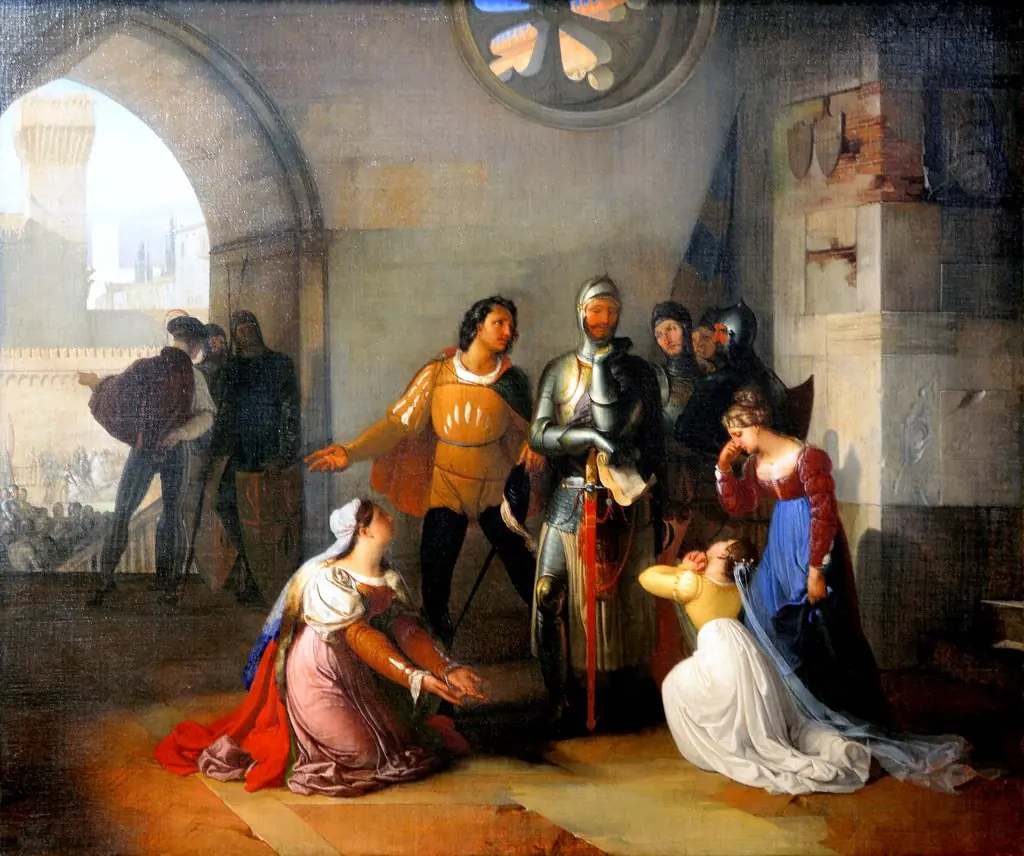 Pietro Rossi called to command the Venetian army
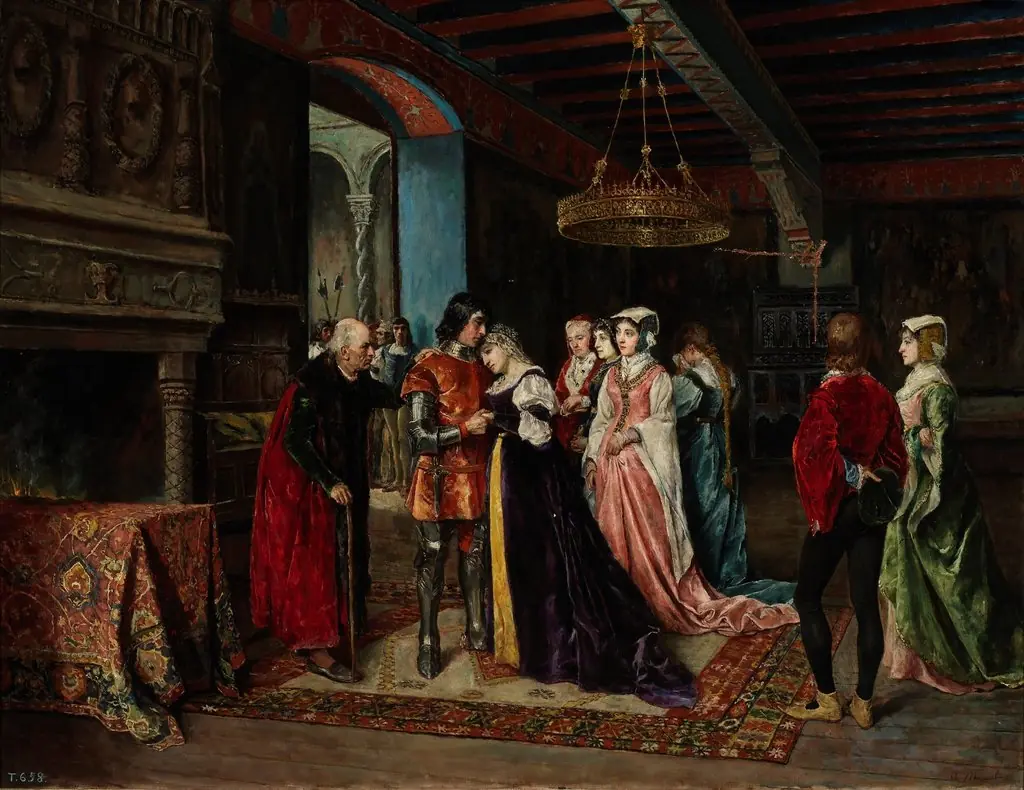 La despedida
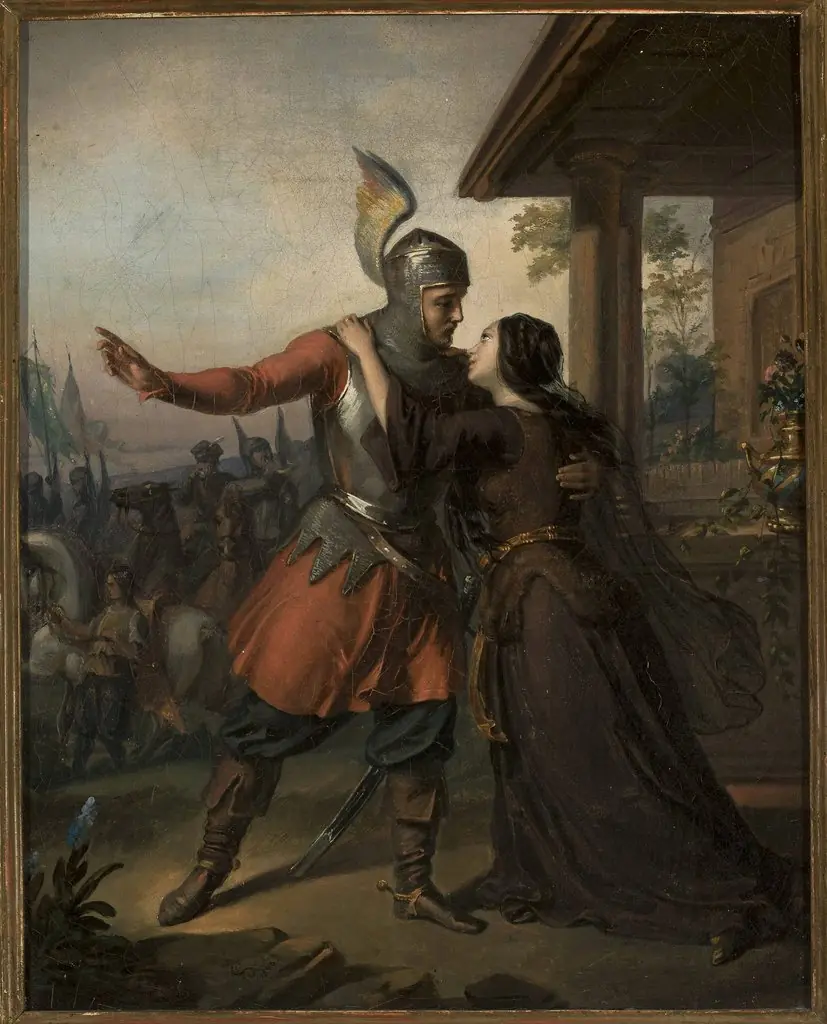 Wacław's farewell to Maria
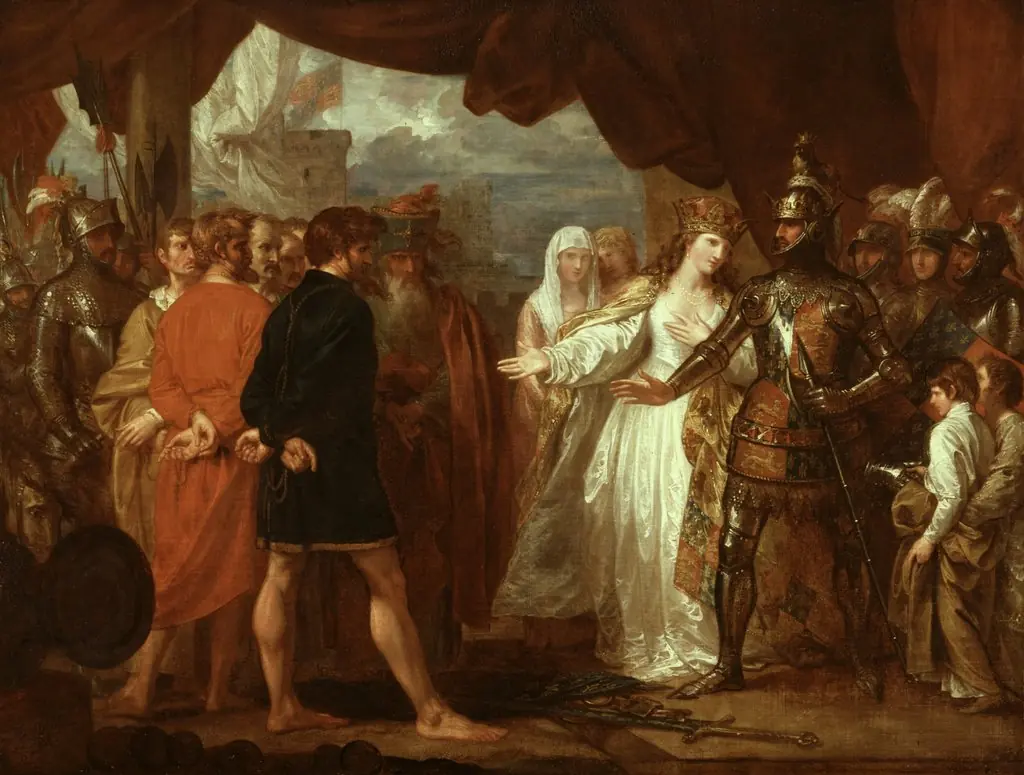 Queen Philippa Interceding for the Lives of the Burghers of Calais
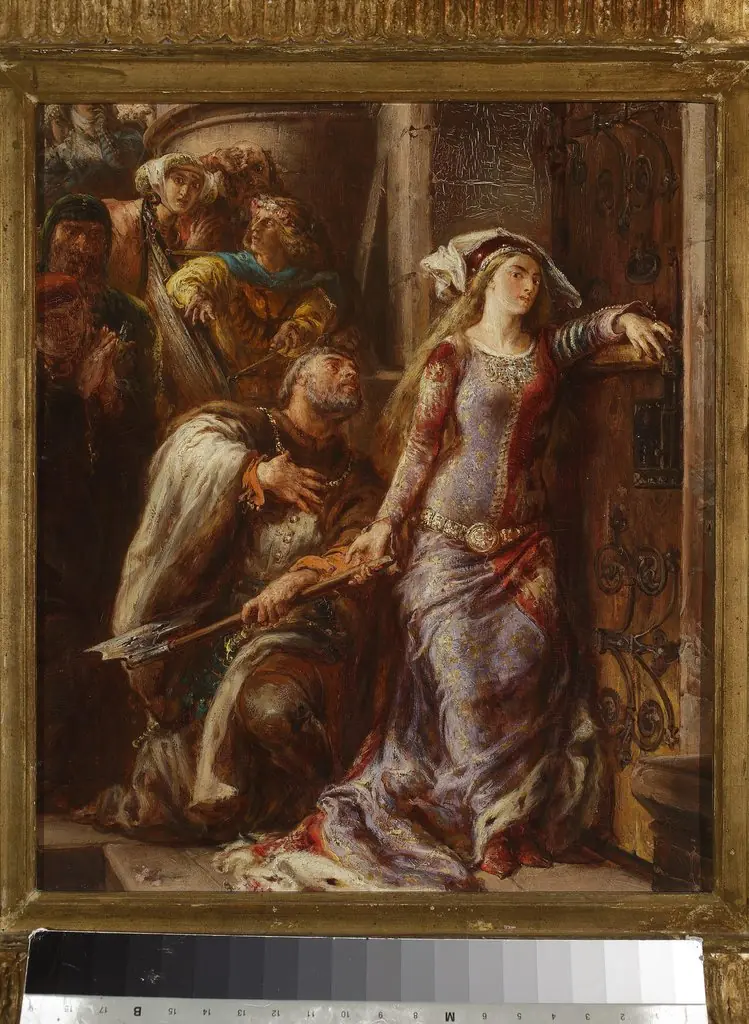 Queen Jadwiga and Dymitr of Goraj
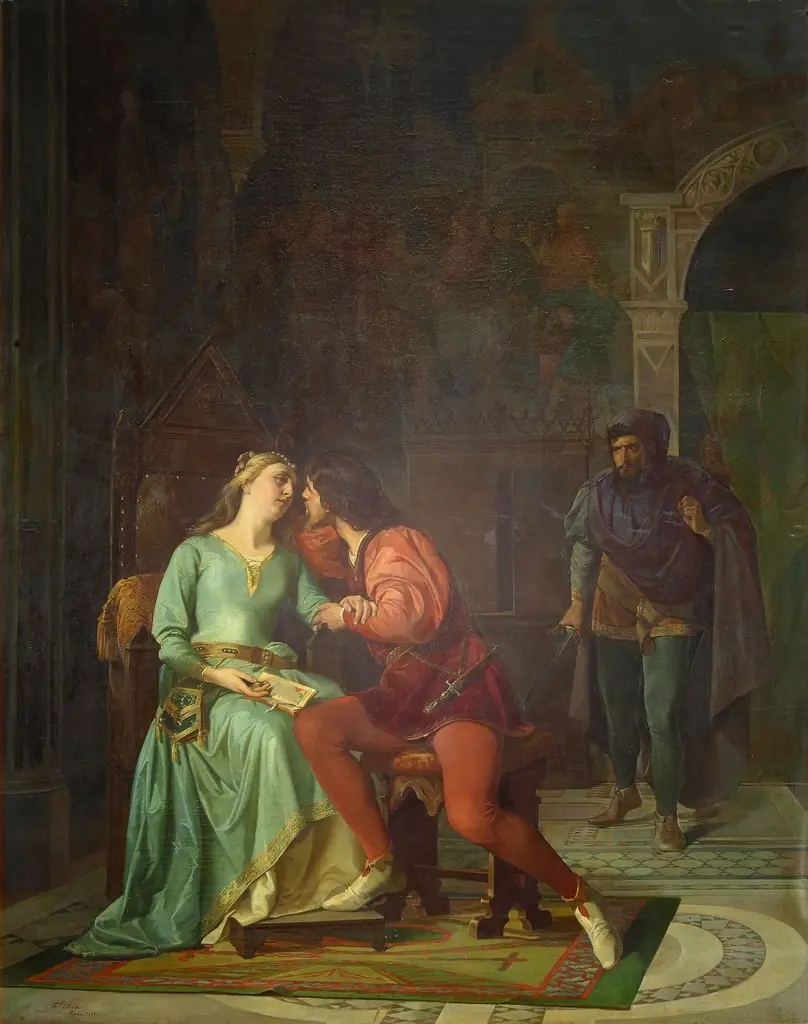 Francisca de Rímini
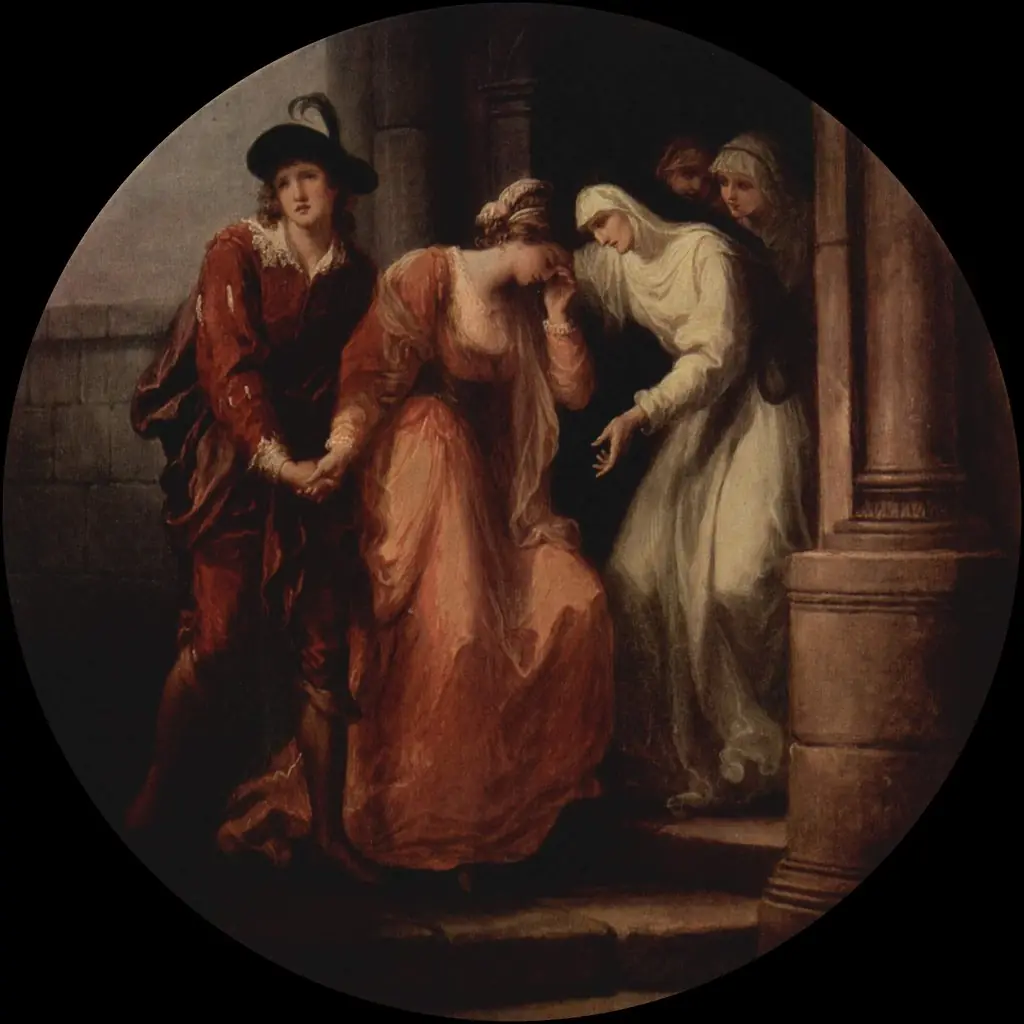 Parting of Abelard and Heloise
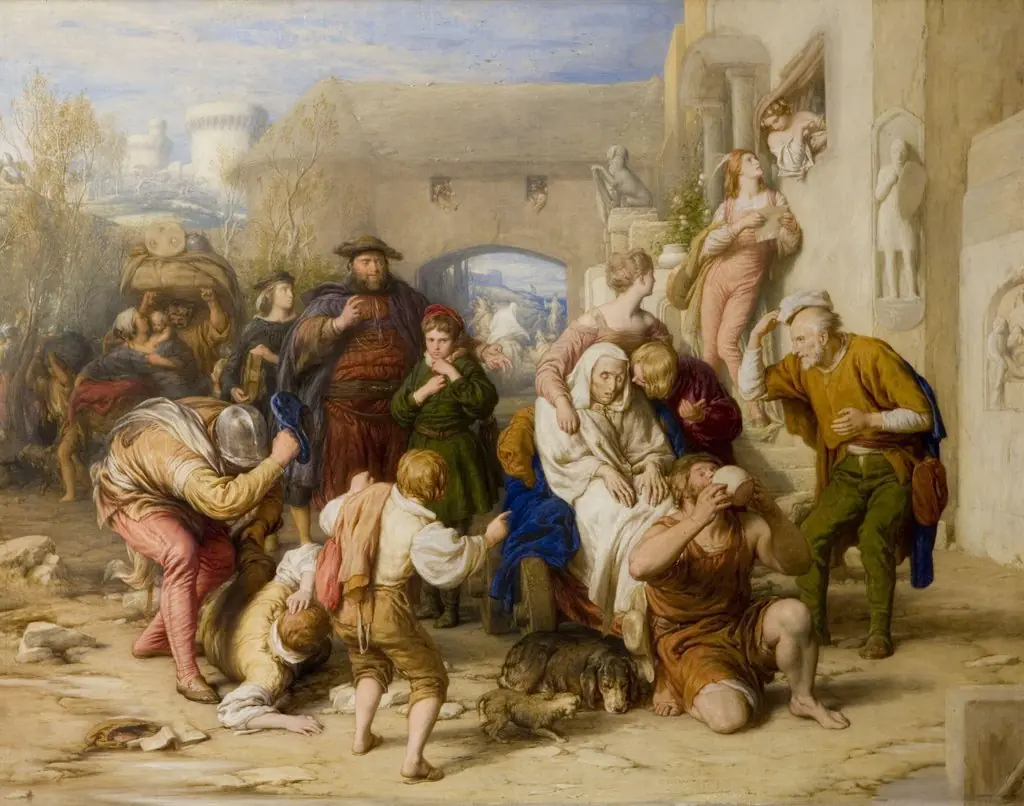 The Seven Ages of Man
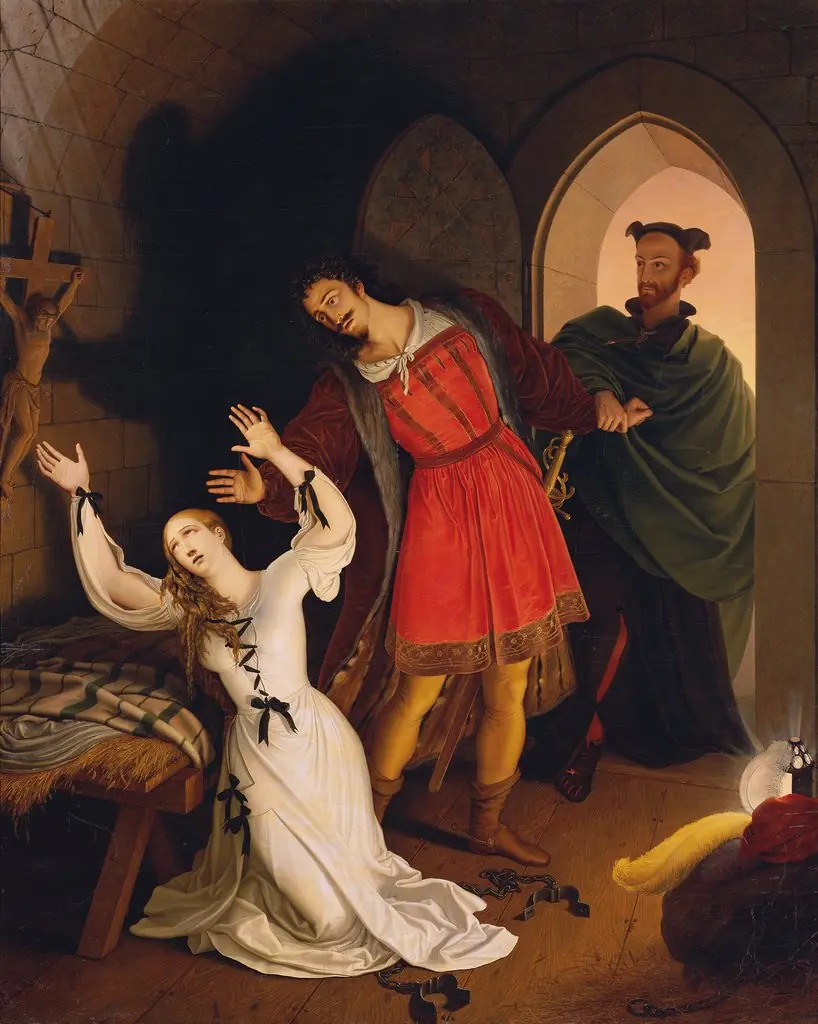 Faust und Gretchen im Kerker
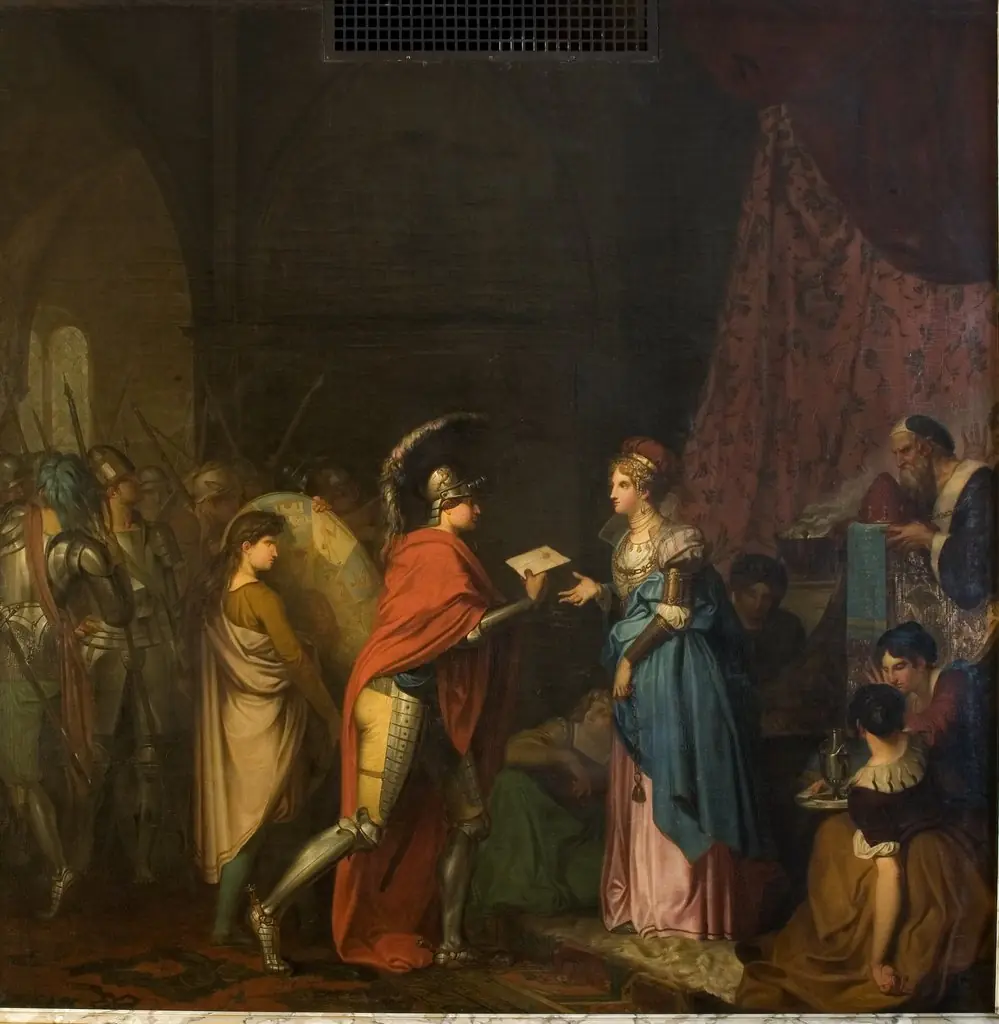 Hamlet Delivering a Letter Written by Himself to the Queen of Scotland
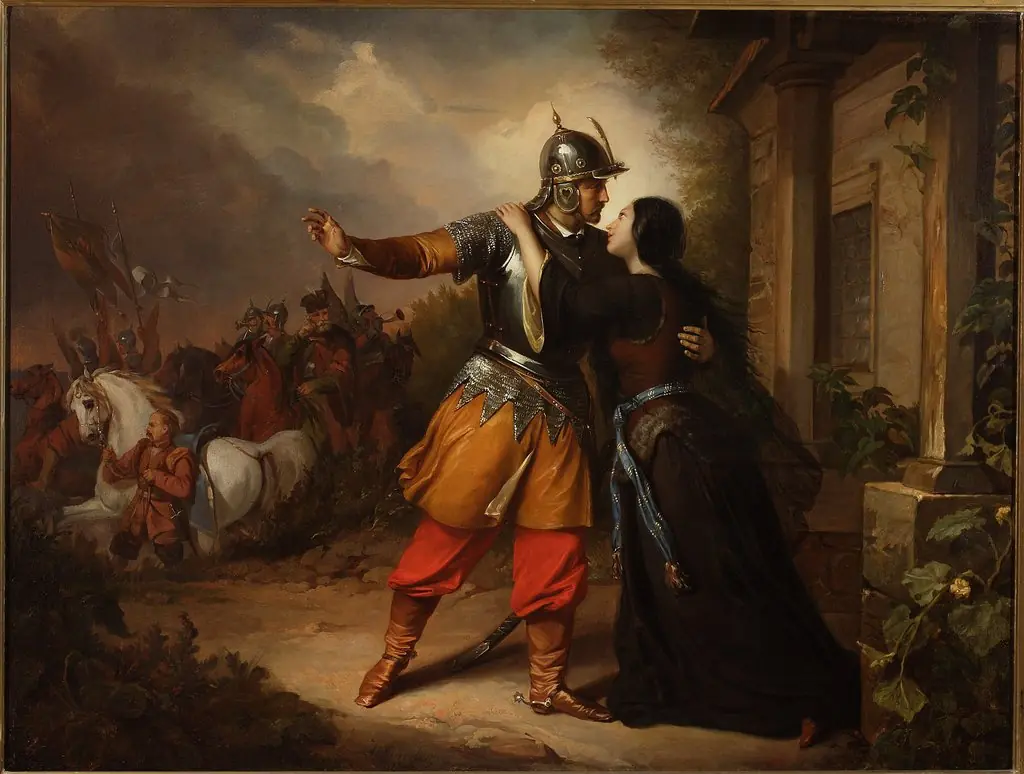 Wacław's farewell to Maria