Artwork
Wacław's farewell to Maria
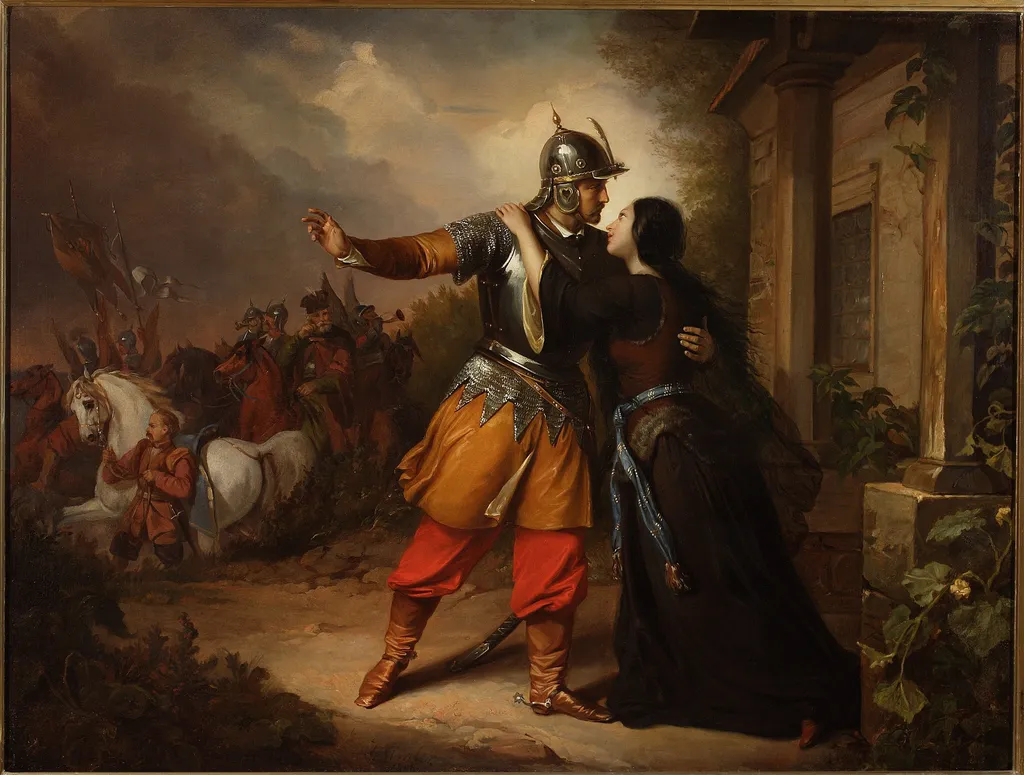
Wacław's farewell to Maria is an oil painting by the Realist artist Józef Simmler. It dates from 1856 and is held in the collection of the National Museum in Warsaw.
About this work
Overview
Executed in the mid-nineteenth century, the work reflects Simmler’s commitment to Polish historical themes and his adherence to academic realism.
Józef Simmler’s 1856 oil painting captures a poignant moment of parting between two figures set against the backdrop of military departure. Executed in the mid-nineteenth century, the work reflects Simmler’s commitment to Polish historical themes and his adherence to academic realism. It resides today in the National Museum in Warsaw, where it remains a key example of the period’s narrative painting tradition.
Subject & Meaning
The scene portrays Wacław, a nobleman in full armor, bidding farewell to Maria, likely his wife or beloved, as he prepares to join a military campaign. Their physical embrace and the solemnity of their expressions convey personal loss amid larger historical upheaval. The presence of mounted soldiers behind them suggests an impending departure, framing the intimate moment within a broader context of duty and sacrifice.
Technique & Style
Simmler employs chiaroscuro to heighten emotional tension, directing light from the right to model the figures’ forms and cast deep shadows across the armor and fabric. The textures of metal, silk, and skin are rendered with precise brushwork, emphasizing tactile realism. The composition centers the pair against a muted, cloudy horizon, isolating their emotion from the surrounding chaos and reinforcing the painting’s intimate gravity.
History & Provenance
Completed in 1856, the painting entered the collection of the National Museum in Warsaw shortly after its creation. Simmler, a leading figure in Polish academic art, produced this work during a period of heightened national consciousness under foreign partitions. Its preservation in a public institution reflects its early recognition as a culturally significant representation of Polish identity and historical narrative.
Context
Painted during the Partitions of Poland, when the nation lacked sovereignty, Simmler’s work drew on historical and literary sources to evoke a sense of shared heritage. The theme of noble sacrifice resonated with audiences seeking cultural continuity. The painting aligns with broader European trends in historical realism but is distinctly rooted in Polish literary traditions and collective memory.
Legacy
Though not widely reproduced outside Poland, the painting remains a reference point in studies of 19th-century Polish art. It exemplifies how academic painters used historical subjects to sustain national identity under occupation. Its enduring presence in the National Museum underscores its role as a quiet but persistent symbol of resilience in visual culture.
Artist & collection
Artist
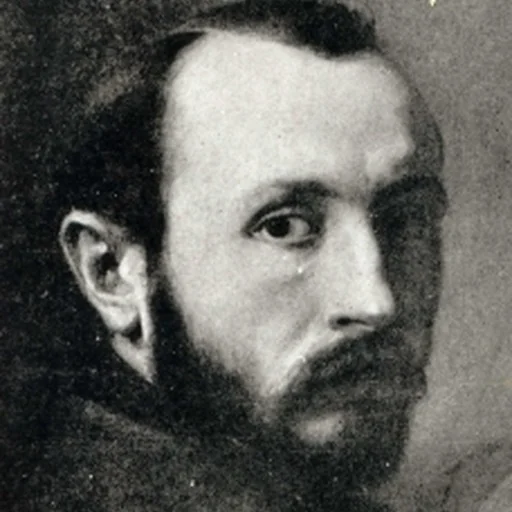
Józef Simmler (March 14, 1823, in Warsaw – March 1, 1868, in Warsaw) was a Polish painter known for his classical style and his Polish subjects.

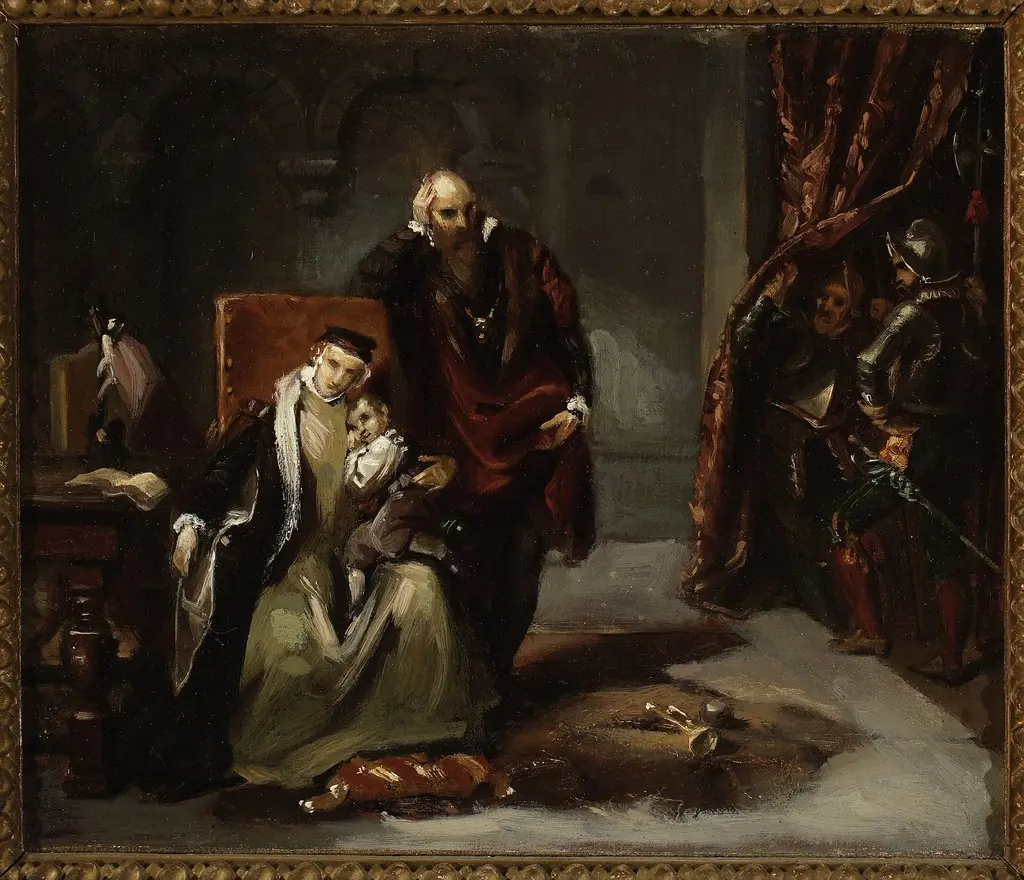 Catherine Jagiellon with her son Sigismund imprisoned in the Gripshom Castle (sketch)
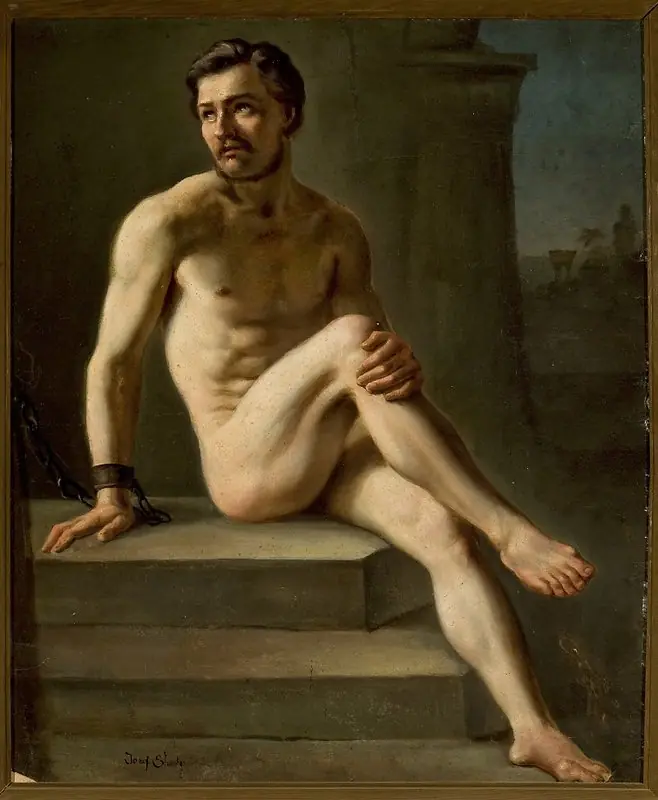 Male nude study
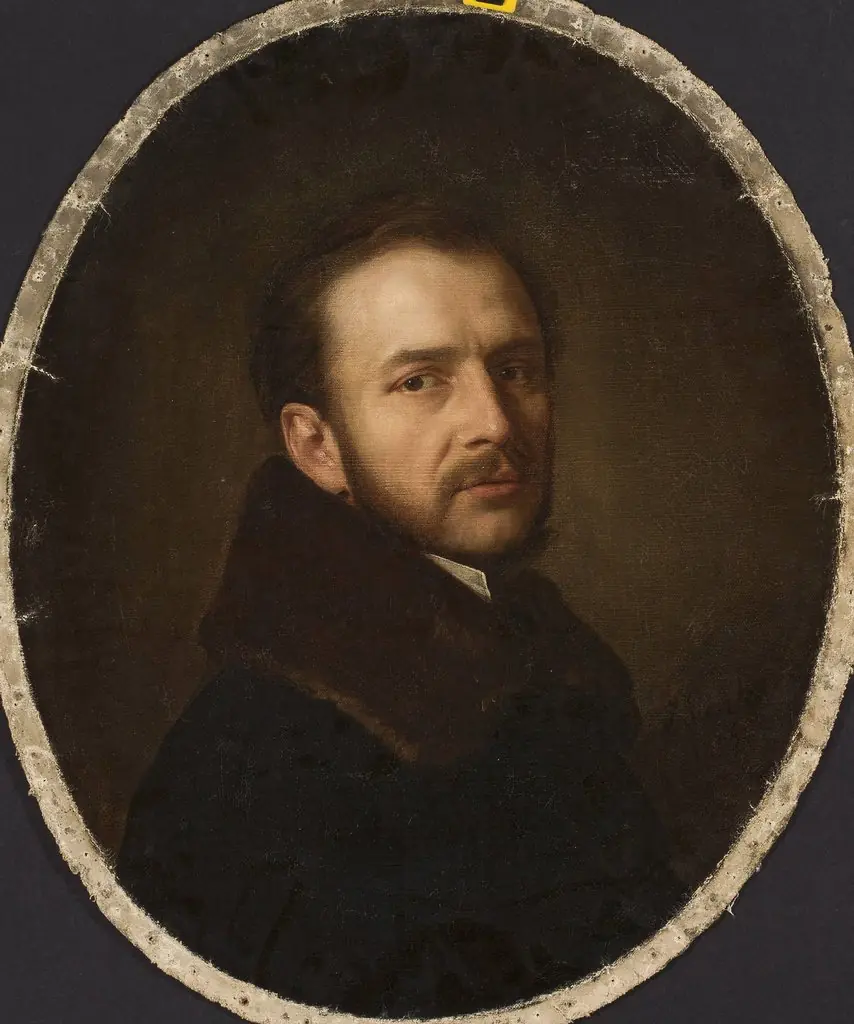 Portrait of a man
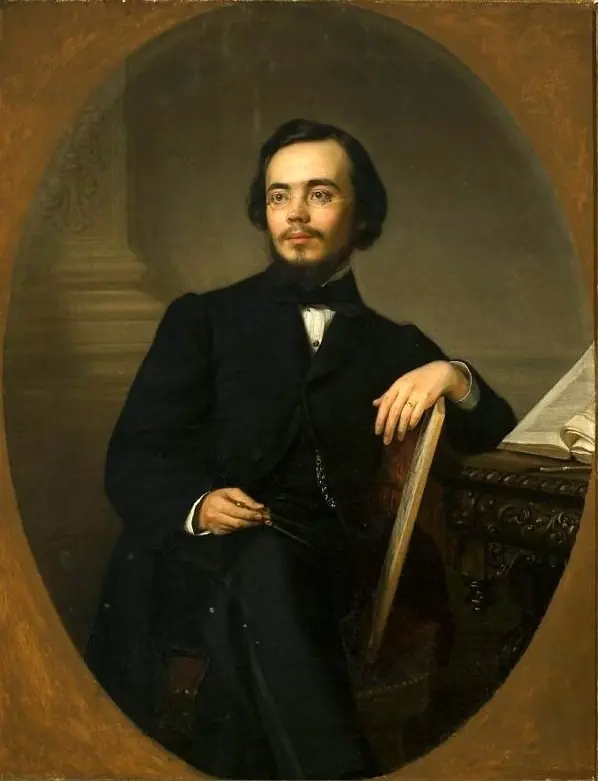 Portrait of Aleksander Waszkowski, member of the National Government in 1863
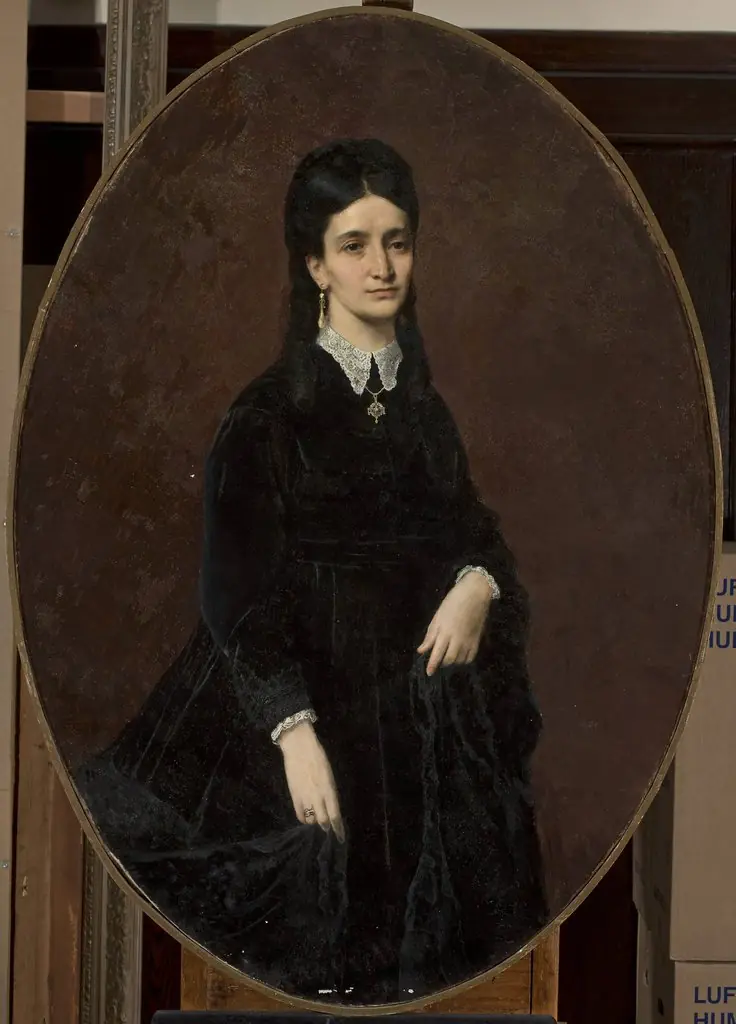 Portrait of a lady
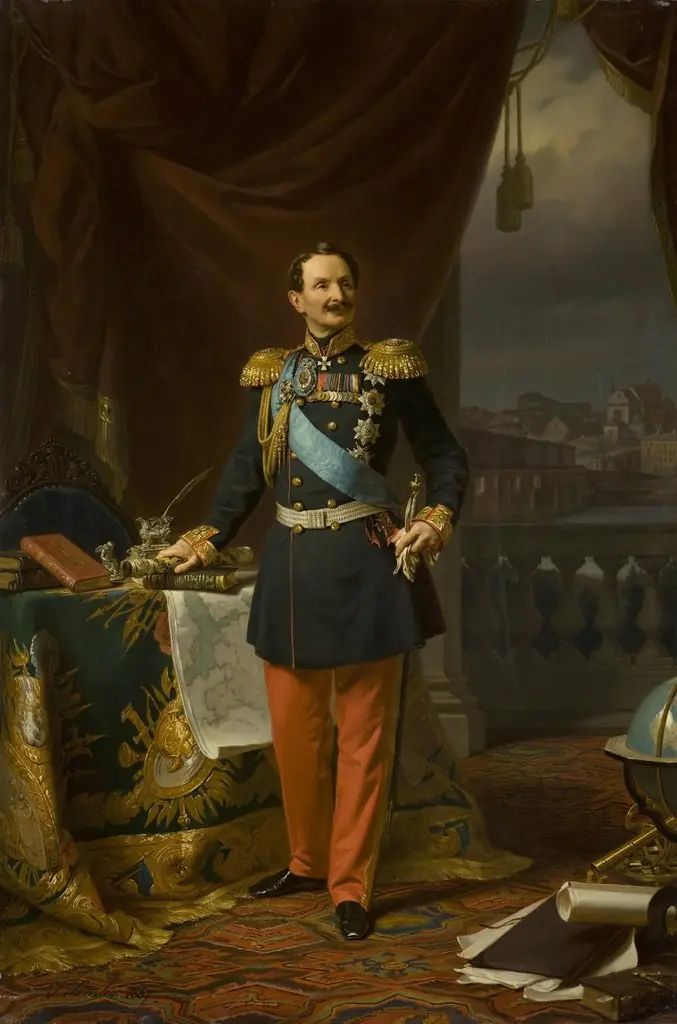 Portrait of Field-Marshal Count Fiodor (Friedrich Wilhelm) Berg
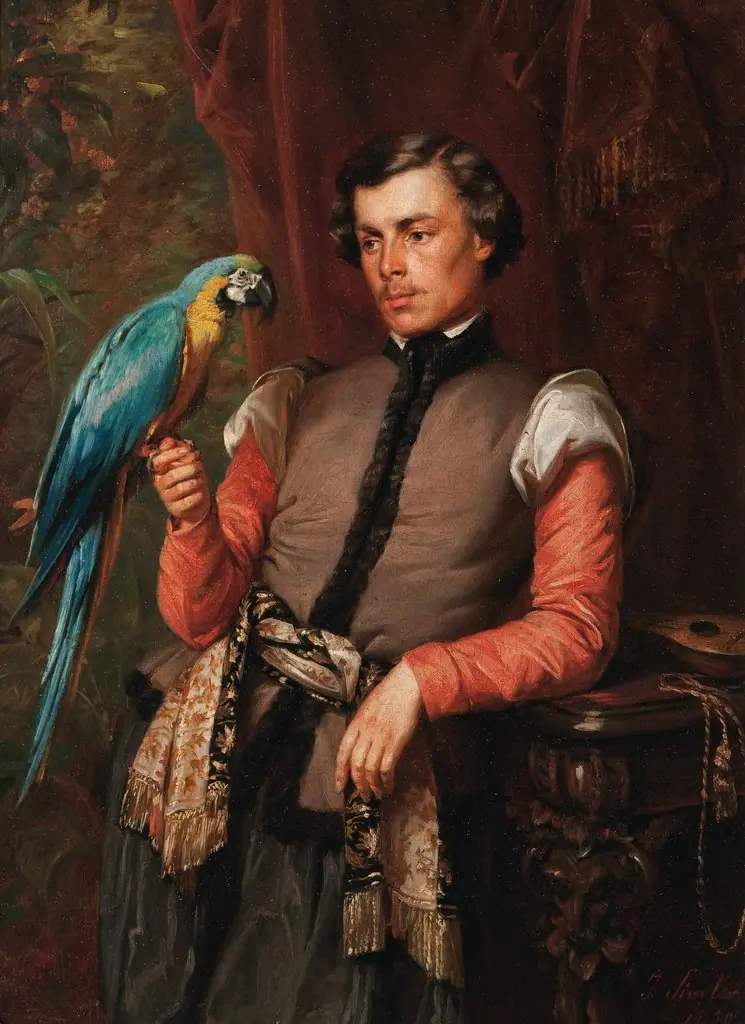 Nobleman with a Parrot
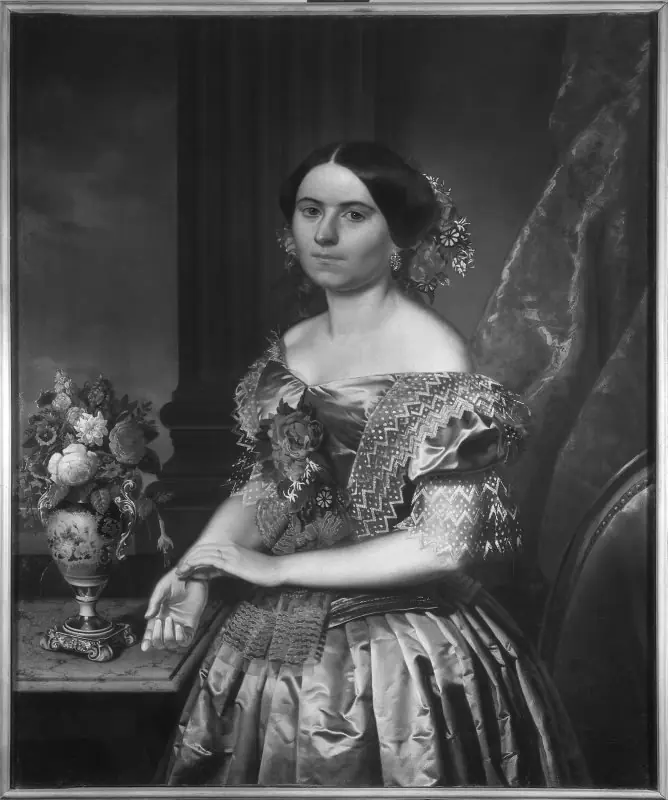 Portrait of Mrs. Skwarcowa
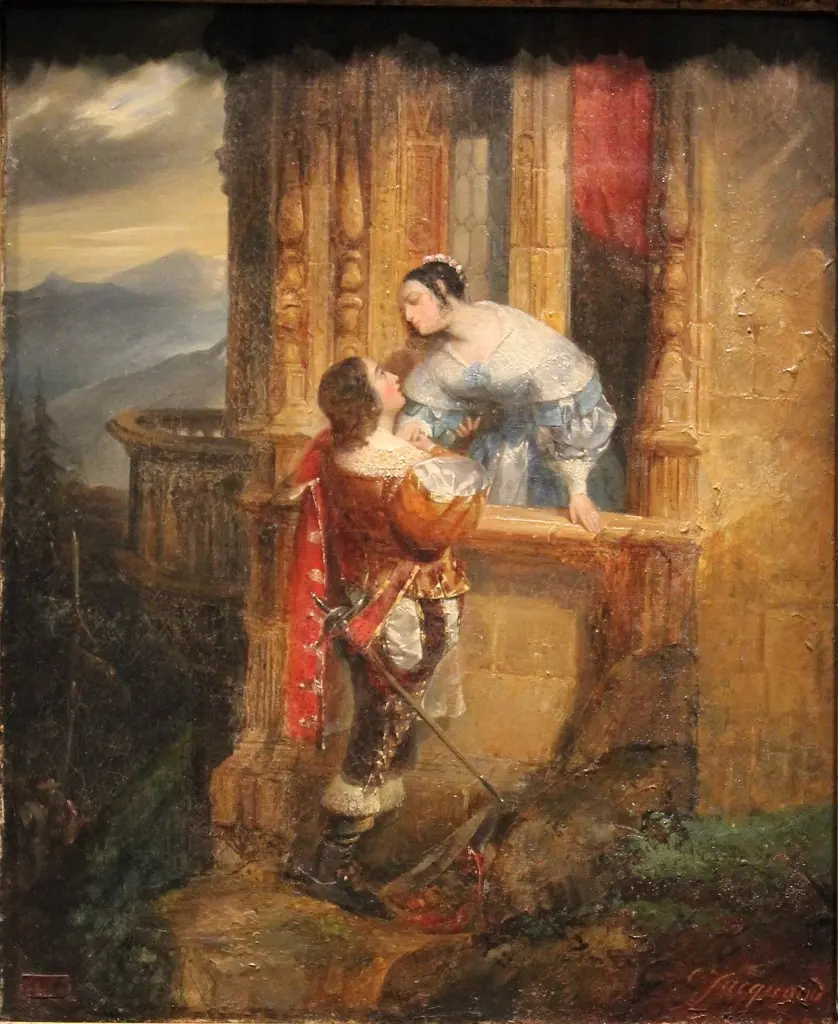 Les Adieux de Cinq-Mars à Marie d'Entraigues or le Baiser du départ
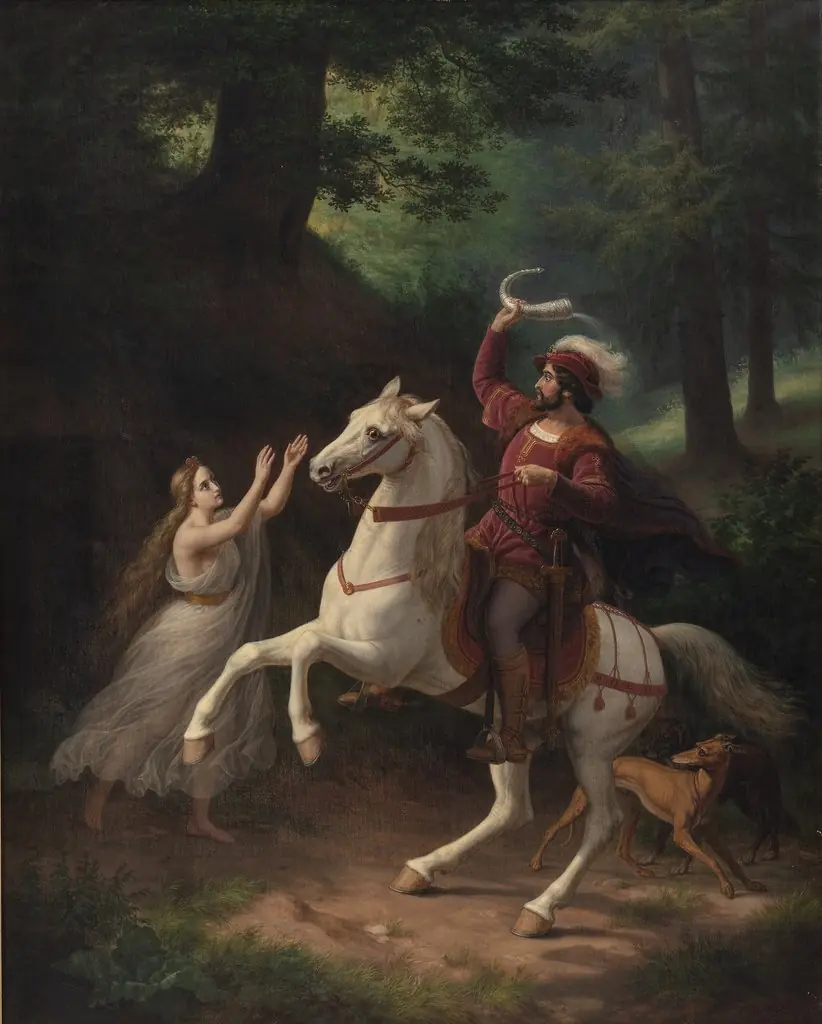 Grev Otto af Oldenborg og det oldenborgske horn
 Faust and Gretchen
 Francisca de Rímini
 The Young François I of France Goes out Hunting
 La última despedida
 Knight and Lady
 The Heroine of Peralada
 Charles VI et Odette de Champdivers
 Grev Otto af Oldenborg og det oldenborgske horn