Artwork
Queen Philippa Interceding for the Lives of the Burghers of Calais
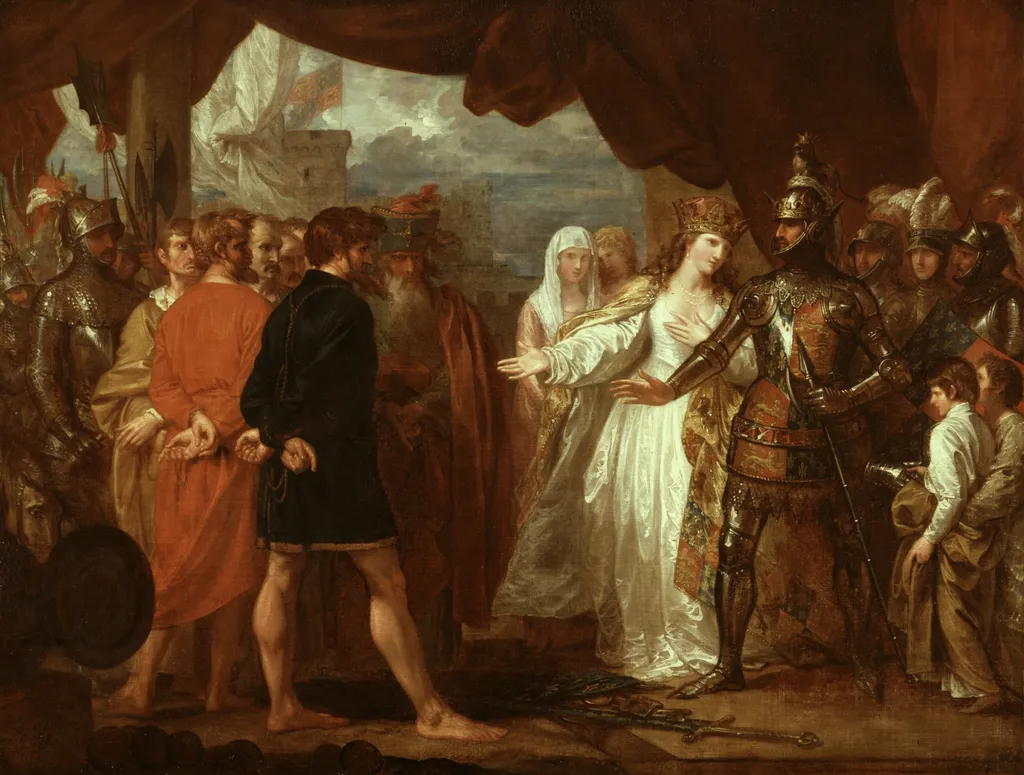
Queen Philippa Interceding for the Lives of the Burghers of Calais is an oil painting by Benjamin West. It dates from 1794 and is held in the collection of the Detroit Institute of Arts.
About this work
Overview
Benjamin West, an American artist who established his career in London, completed this oil painting in 1794.
Benjamin West, an American artist who established his career in London, completed this oil painting in 1794. It illustrates a moment from the Hundred Years' War when Queen Philippa of Hainault appealed to her husband, King Edward III, to spare six townspeople of Calais sentenced to death. West, a leading figure in British historical painting and a founding member of the Royal Academy, used this subject to explore moral authority and mercy within a royal context.
Subject & Meaning
The scene captures Queen Philippa’s intervention as she pleads for the lives of the burghers, who have volunteered to surrender to save their city. Her outstretched arms and calm demeanor contrast with the somber, resigned expressions of the condemned men. The painting emphasizes compassion over retribution, framing the queen as a moral counterweight to the king’s rigid justice, reflecting Enlightenment ideals of mercy and humanity.
Technique & Style
West employs a classical composition with the queen at the center, illuminated against a muted, stormy sky. His use of chiaroscuro directs focus to her white garments and gestures, while the varied textures of armor, fabric, and stone ground the scene in tangible reality. The figures are arranged in a semi-circular formation, enhancing the emotional gravity and narrative clarity without overt theatricality.
History & Provenance
Painted during West’s tenure as President of the Royal Academy, the work was commissioned for a private collection and later entered the Detroit Institute of Arts’ holdings. It reflects West’s continued interest in historical narratives drawn from British and European chronicles, a theme consistent with his earlier works like 'The Death of General Wolfe.' The painting remained in private hands until the early 20th century.
Context
Created during the aftermath of the French Revolution and amid debates over monarchy and justice, the painting resonated with contemporary concerns about power and mercy. West’s choice of a medieval episode allowed him to examine ethical leadership indirectly, avoiding direct political commentary while appealing to ideals of benevolent rule. His work aligned with broader European trends in historical painting that prioritized moral instruction.
Legacy
Though less widely known today than some of West’s other works, this painting exemplifies his commitment to elevating historical subjects through emotional restraint and compositional clarity. It contributed to the development of British academic painting and influenced later artists who sought to blend narrative depth with dignified form. Its presence in Detroit underscores its role in transatlantic cultural exchange during the 19th century.
Own this work as a print
Artist & collection
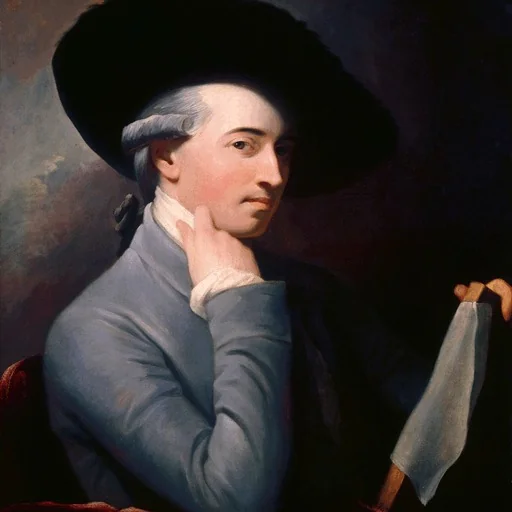

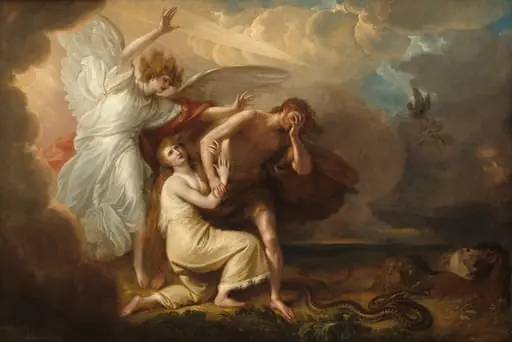 The Expulsion of Adam and Eve from Paradise
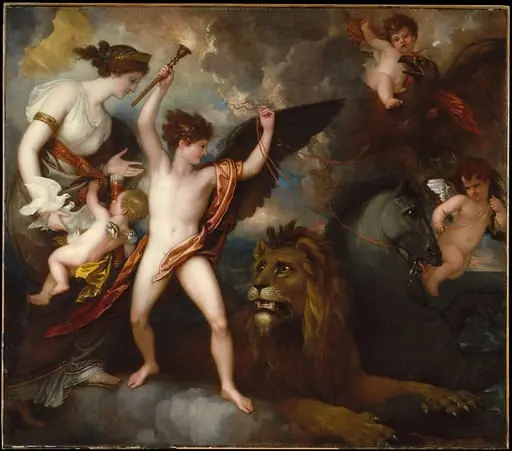 Omnia Vincit Amor, or The Power of Love in the Three Elements
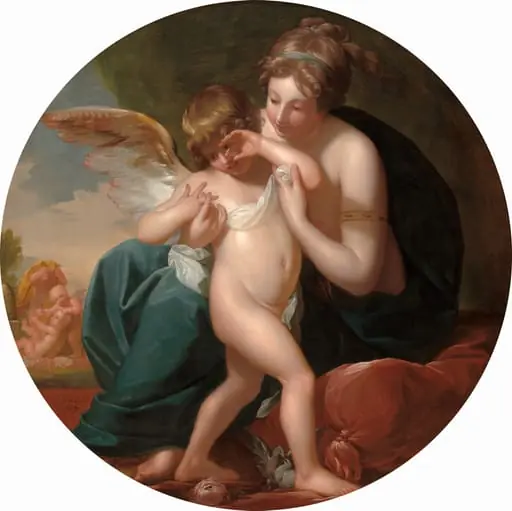 Cupid, Stung by a Bee, Is Cherished by his Mother
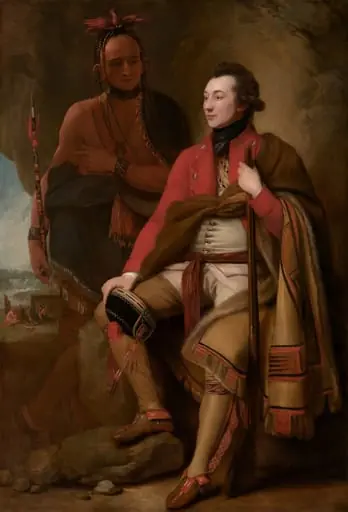 Colonel Guy Johnson and Karonghyontye (Captain David Hill)
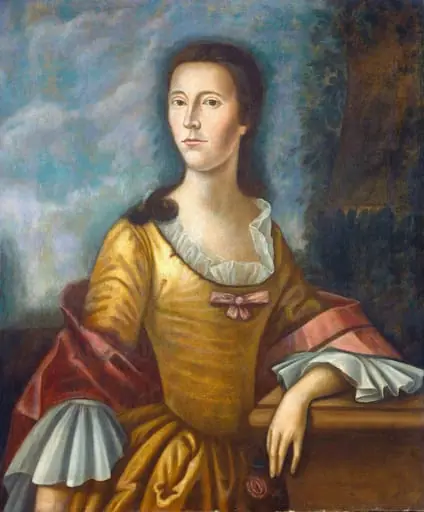 Mary Bethel Boude (Mrs. Samuel Boude)
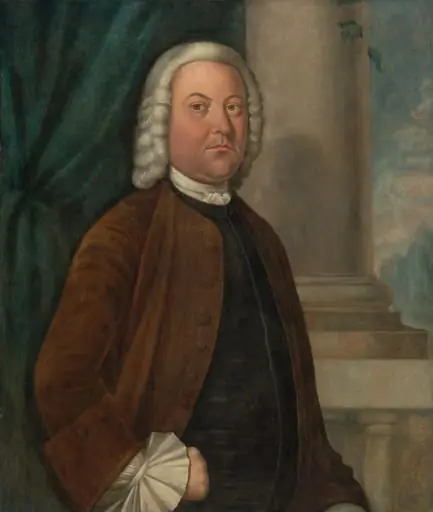 Dr. Samuel Boude
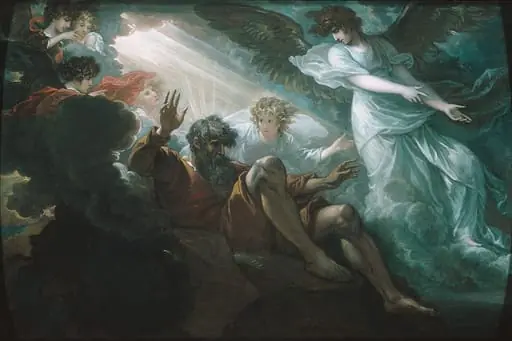 Moses Shown the Promised Land
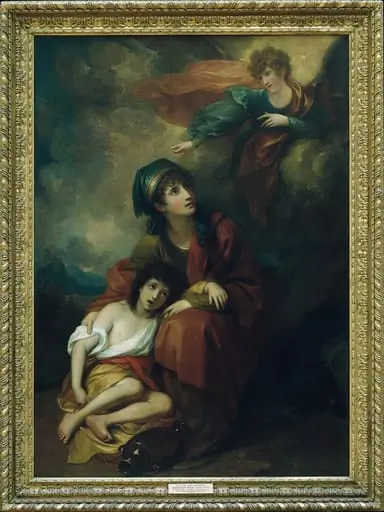 Hagar and Ishmael
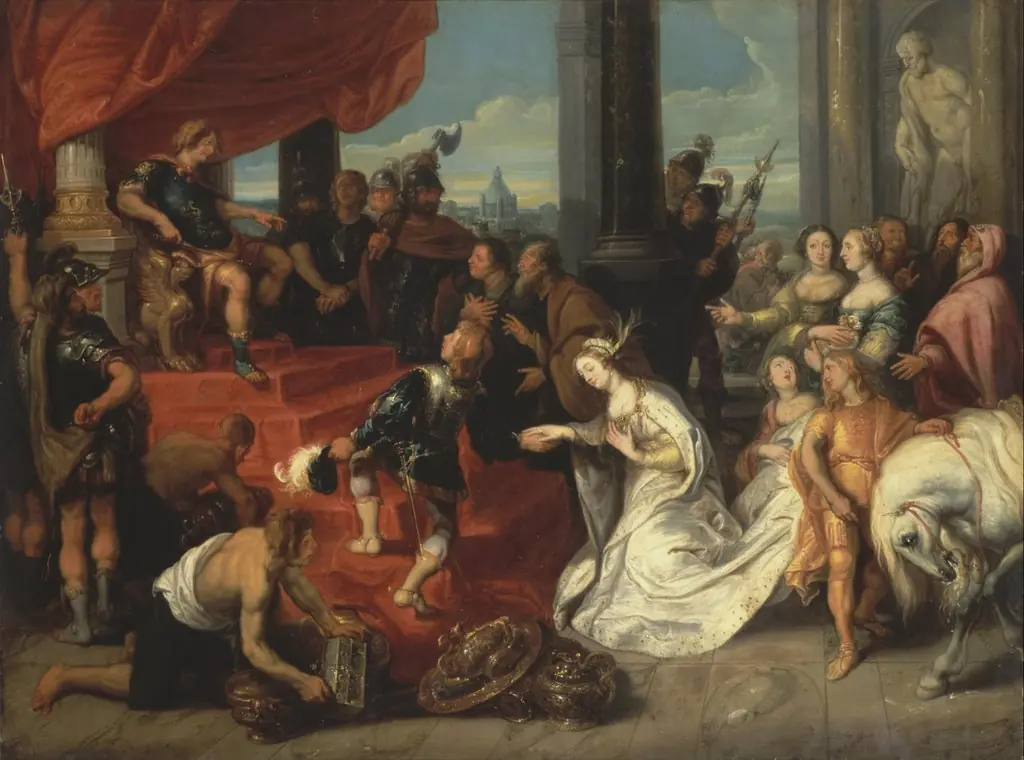 The Magnanimity of Scipio Africanus
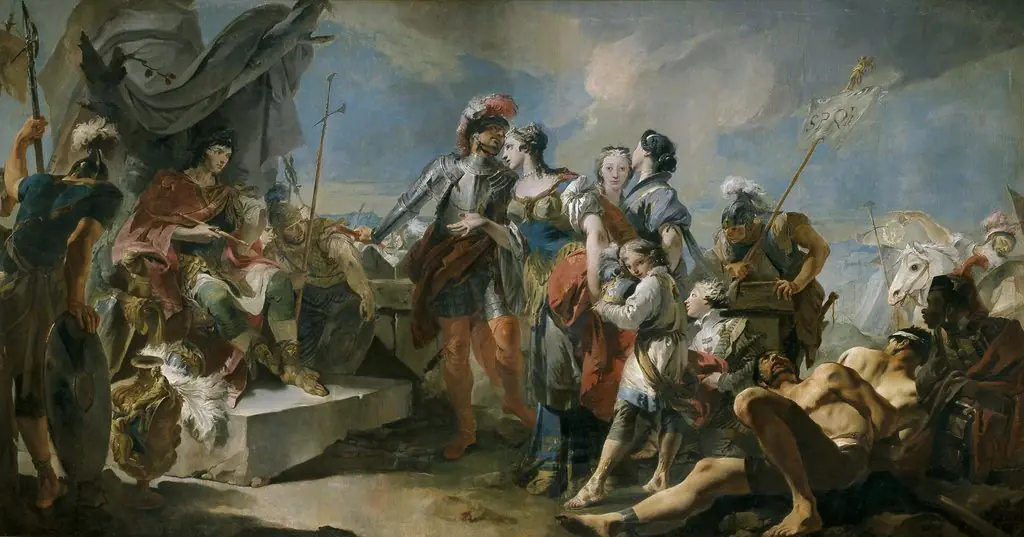 Queen Zenobia before the Emperor Aurelian
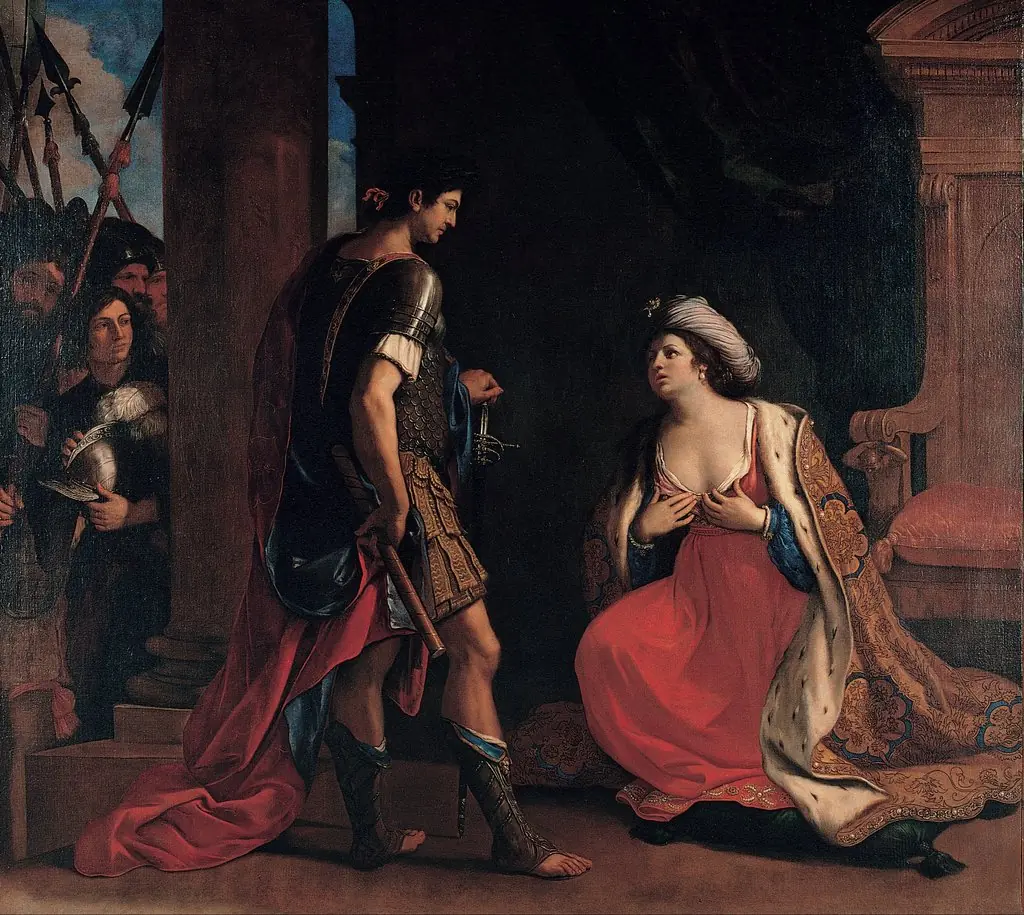 Cleopatra and Octavian
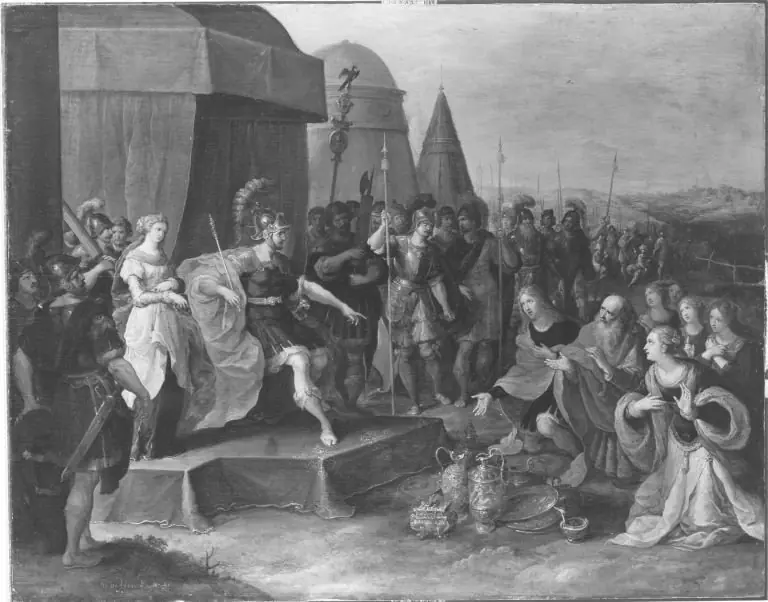 Enthaltsamkeit des Scipio
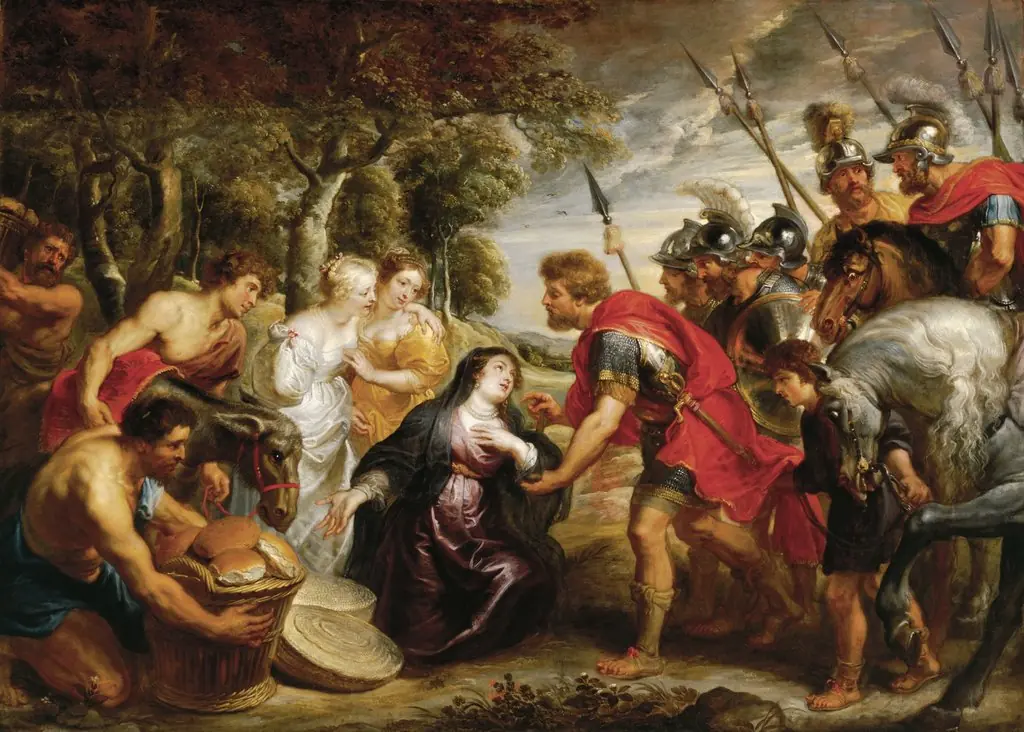 The Meeting of David and Abigail
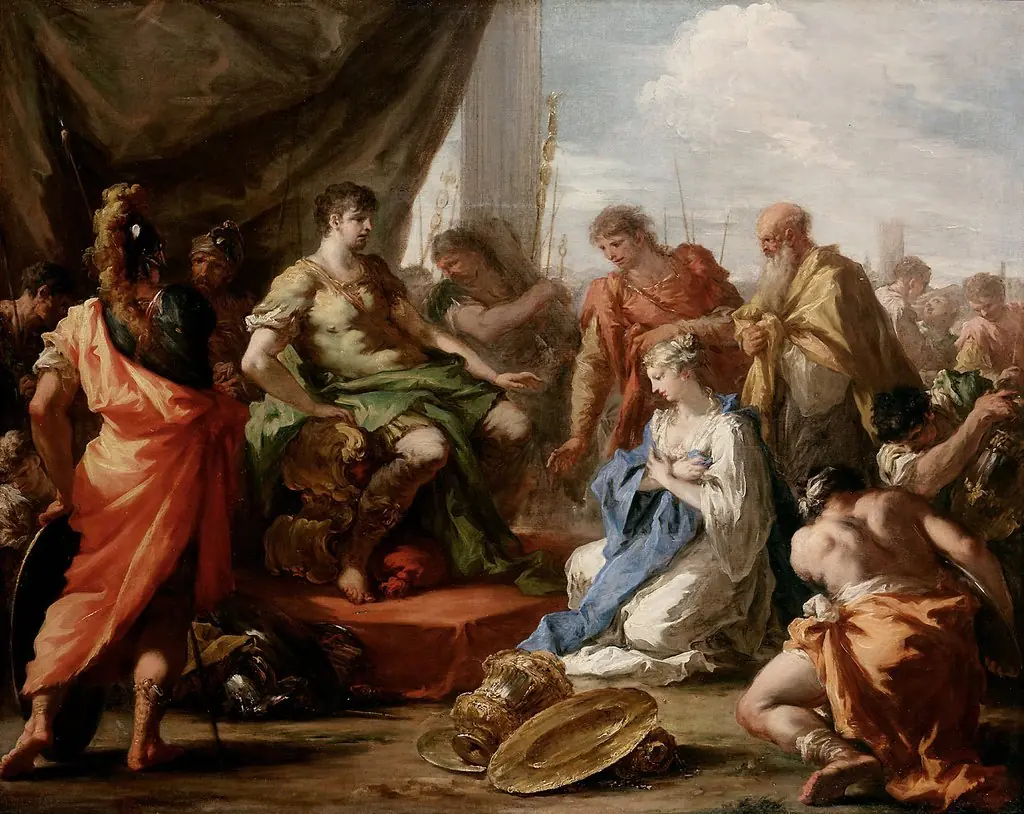 Enthaltsamkeit des Scipio
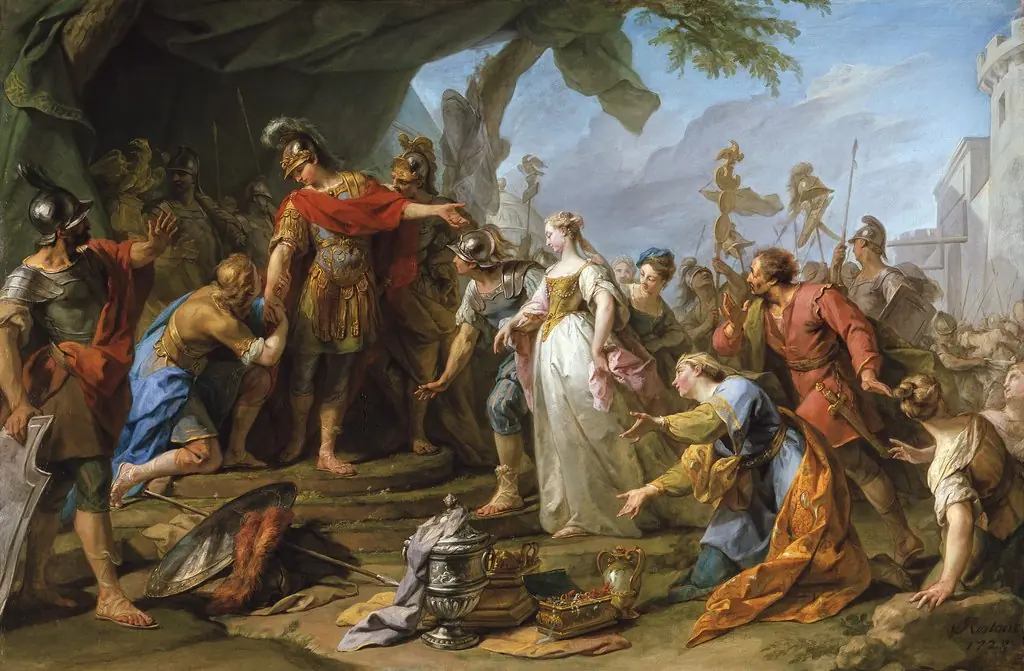 The Generosity of Scipio
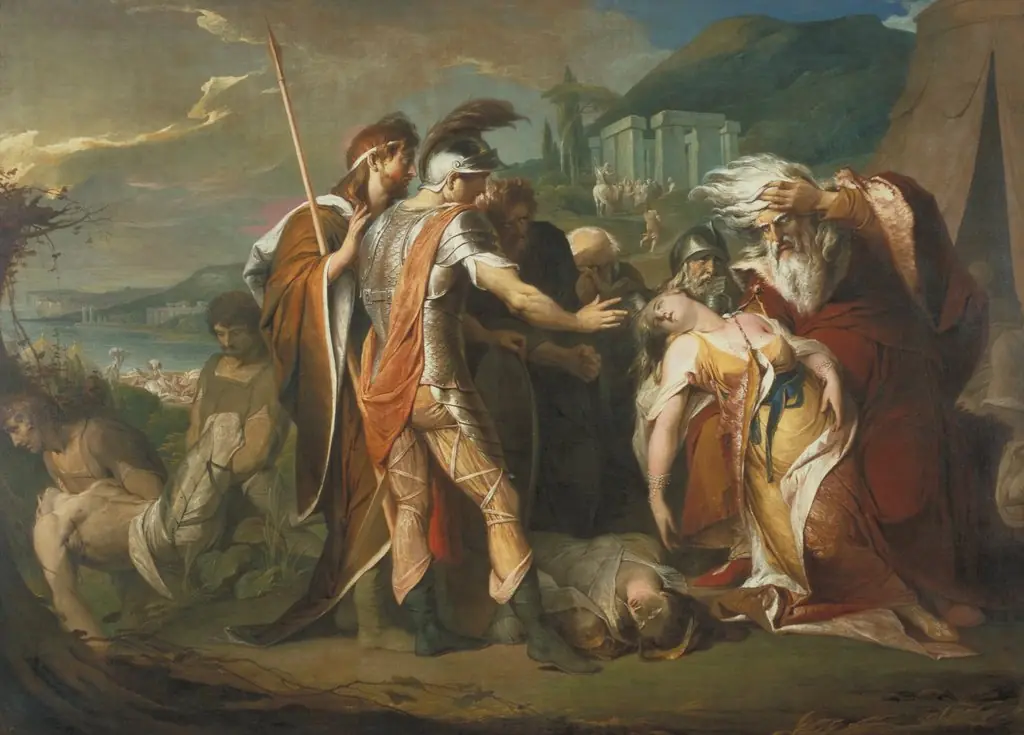 King Lear Weeping over the Dead Body of Cordelia
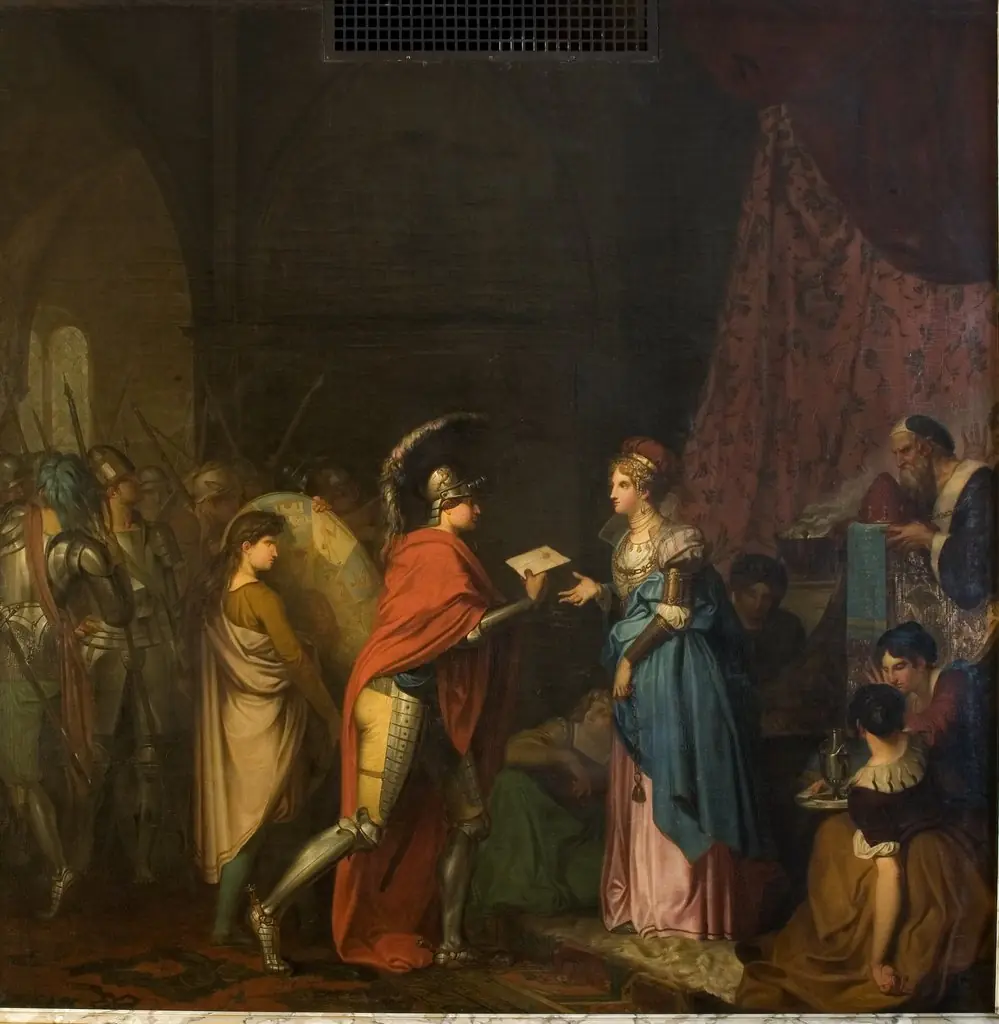 Hamlet Delivering a Letter Written by Himself to the Queen of Scotland
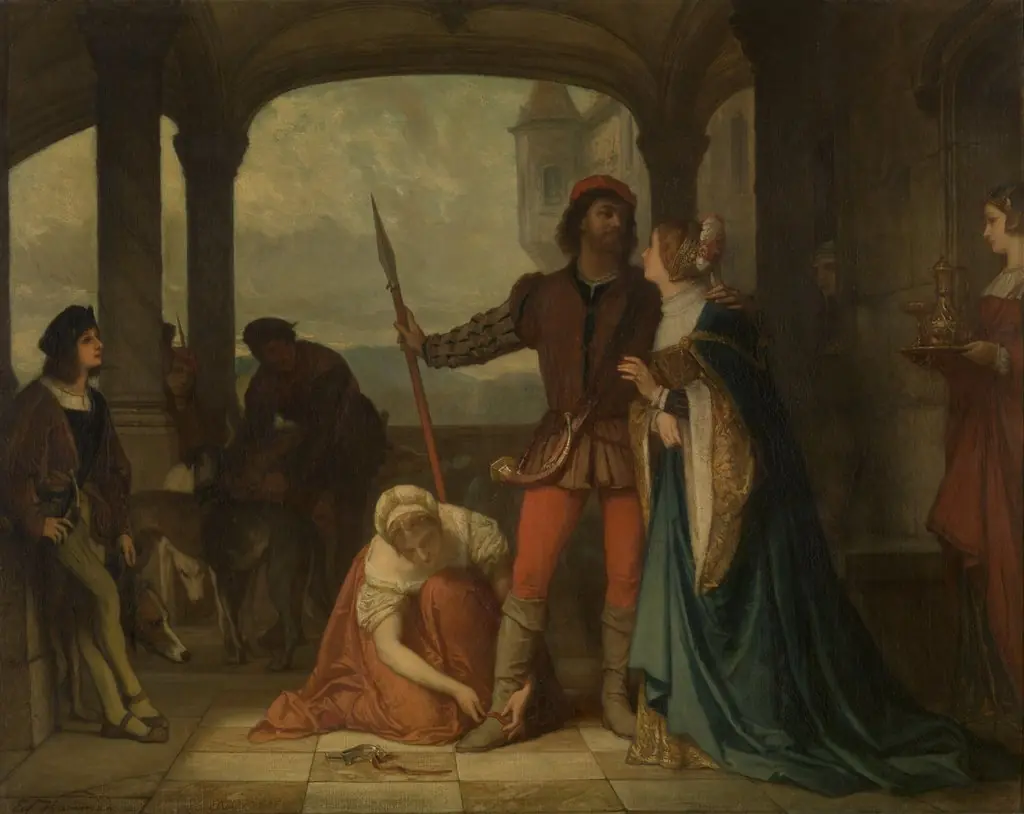 The Young François I of France Goes out Hunting
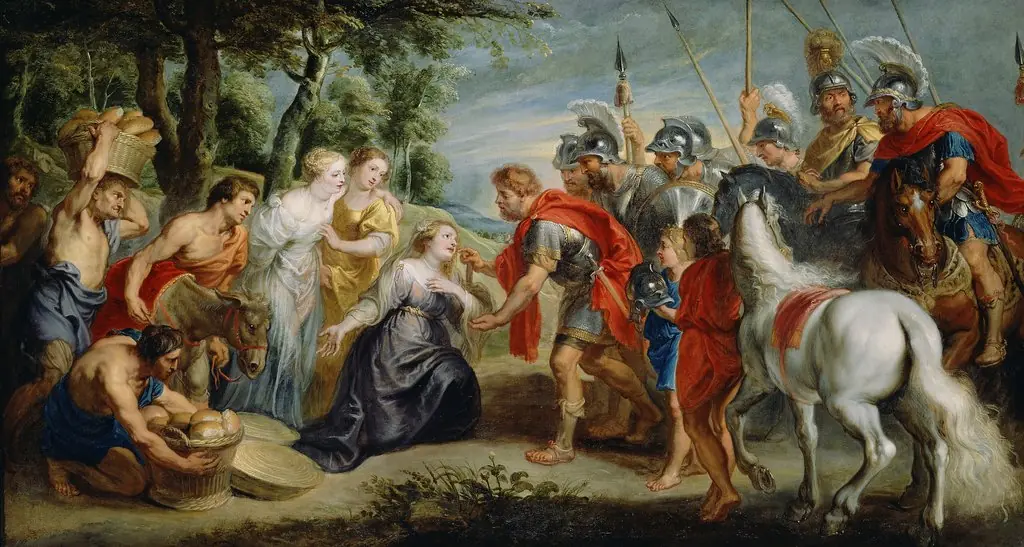 David Meeting Abigail
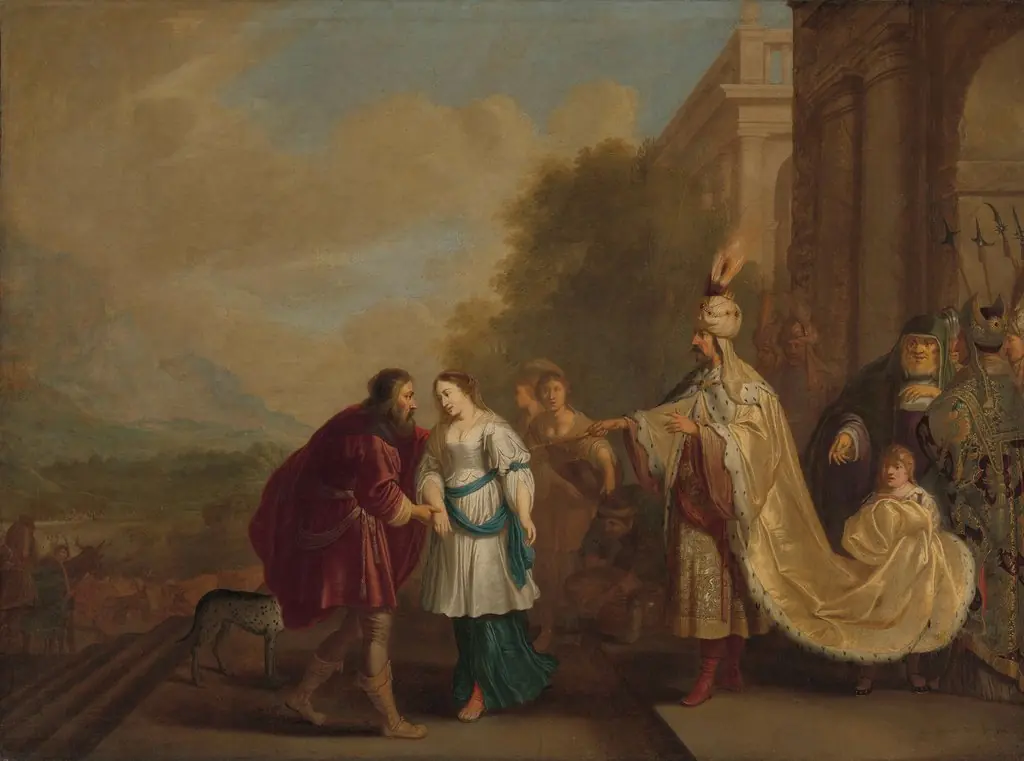 Pharaoh gives Sarah back to Abraham