Artwork
Portrait of Princess Brancaccio-Massimo
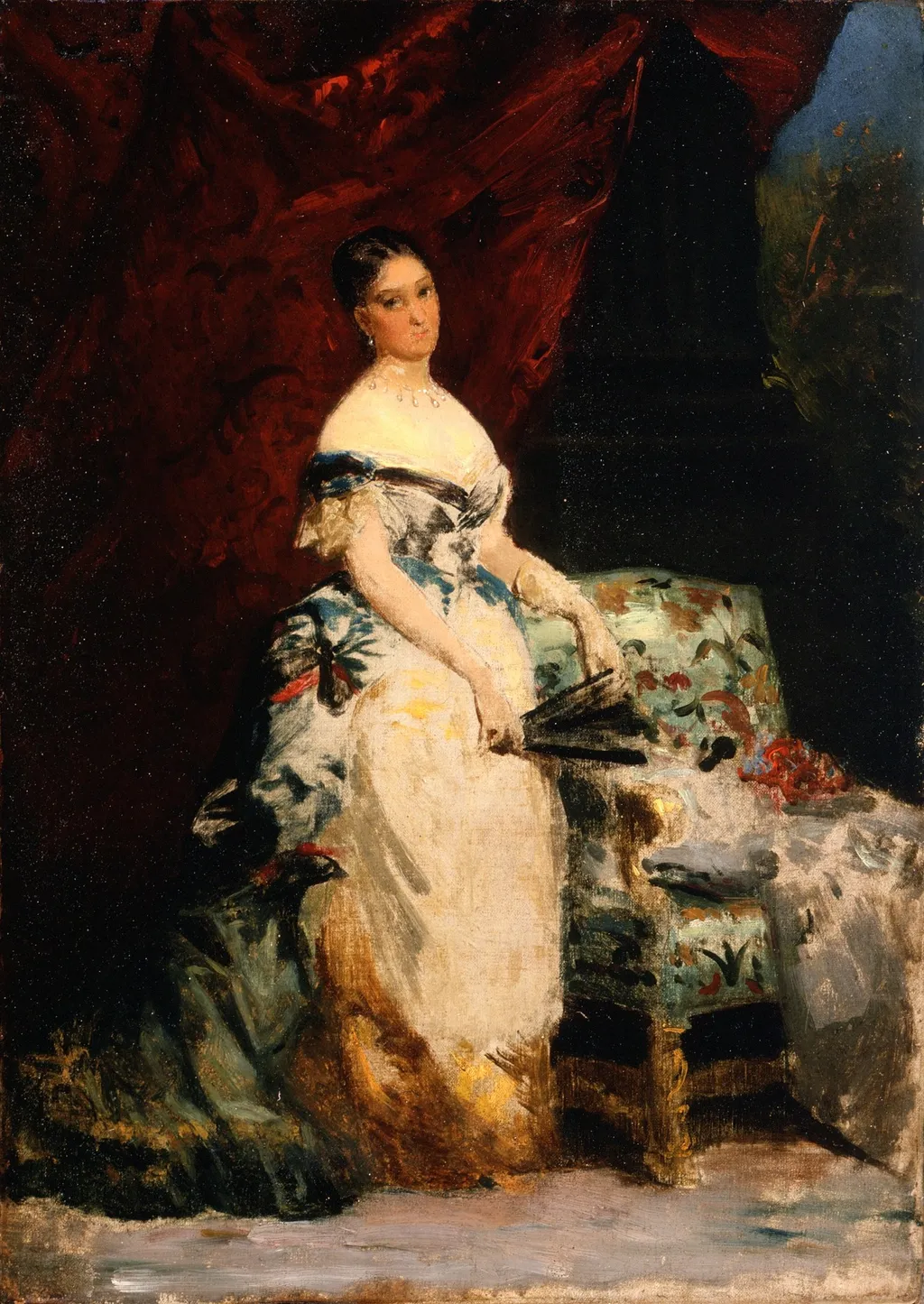
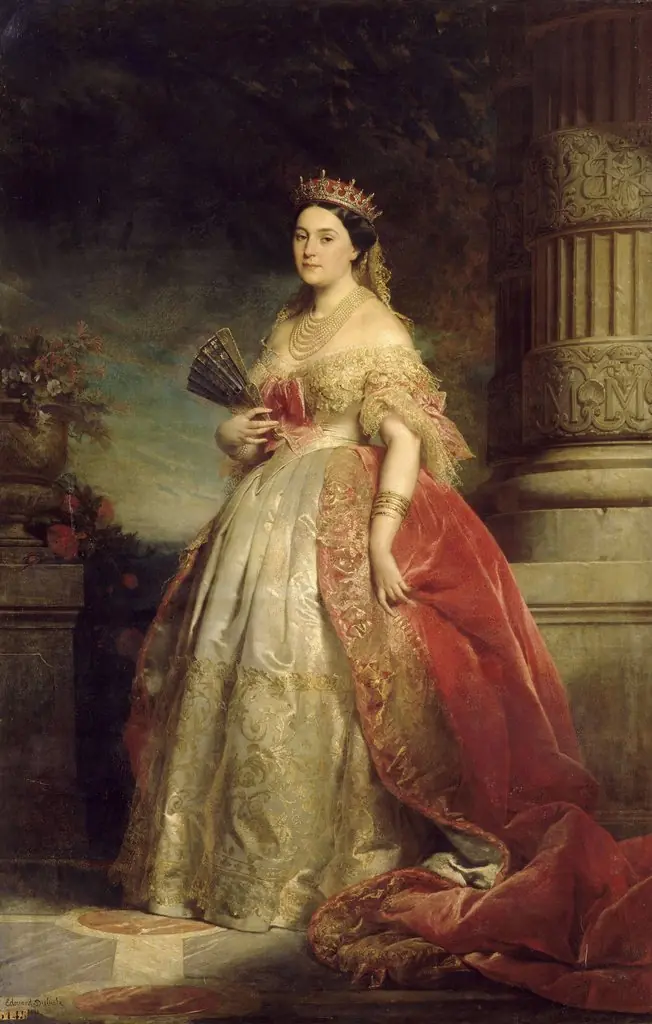
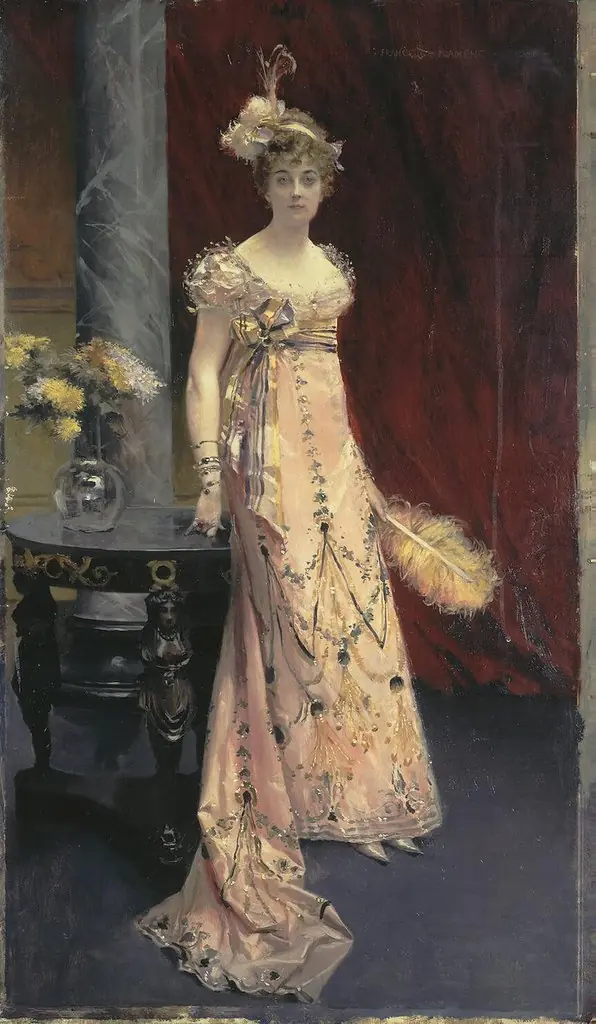
Portrait of Princess Brancaccio-Massimo is an oil painting by Edouard Louis Dubufe. It dates from 1870 and is held in the collection of the Los Angeles County Museum of Art.
About this work
Overview
Painted in 1870 by Edouard Louis Dubufe, this oil portrait captures Eleonora Brancaccio-Massimo, a member of the Roman aristocracy.
Painted in 1870 by Edouard Louis Dubufe, this oil portrait captures Eleonora Brancaccio-Massimo, a member of the Roman aristocracy. The work is part of the Los Angeles County Museum of Art’s collection and exemplifies the refined portraiture favored by European elite circles in the late 19th century. Dubufe’s approach emphasizes composure and subtle luxury, aligning with the conventions of academic painting of the period.
Subject & Meaning
The subject, Eleonora Brancaccio-Massimo, is portrayed with quiet dignity, her posture and gaze suggesting social poise rather than emotional expression. Her attire—a white gown with blue detailing and a waist sash—signals both fashion and status, while the ornate chair and rich backdrop reinforce her position within aristocratic society. The composition avoids theatricality, favoring restraint as a marker of refinement.
Technique & Style
Dubufe employed smooth brushwork and controlled tonal transitions to render fabric, skin, and interior details with precision. The dark background and red drape heighten the figure’s presence, while the lighting isolates her form without dramatic contrast. The necklace and earrings are rendered with delicate highlights, suggesting material value without overt炫耀. The chair’s floral pattern is suggested, not over-described, maintaining visual harmony.
History & Provenance
Commissioned during the height of Dubufe’s career as a society portraitist, the painting likely originated in Rome, where the Brancaccio-Massimo family held influence. It entered the LACMA collection in the 20th century, possibly through a private donation or acquisition from a European dealer. Its provenance reflects the transnational movement of aristocratic art collections during the post-unification Italian era.
Context
In 1870, European portraiture remained anchored in academic traditions, even as realism and impressionism gained ground. Dubufe’s work catered to patrons who valued tradition over innovation. The portrait’s formality aligns with similar works by Gérôme or Winterhalter, reflecting a shared aesthetic among continental elites who used art to affirm lineage and social continuity.
Legacy
Though not widely exhibited outside institutional settings, the portrait remains a representative example of late 19th-century aristocratic portraiture. It illustrates how artists like Dubufe sustained a visual language of status in an era of political and cultural change. Its preservation at LACMA ensures continued study of how European nobility presented themselves through visual culture.
Own this work as a print
Artist & collection
Artist
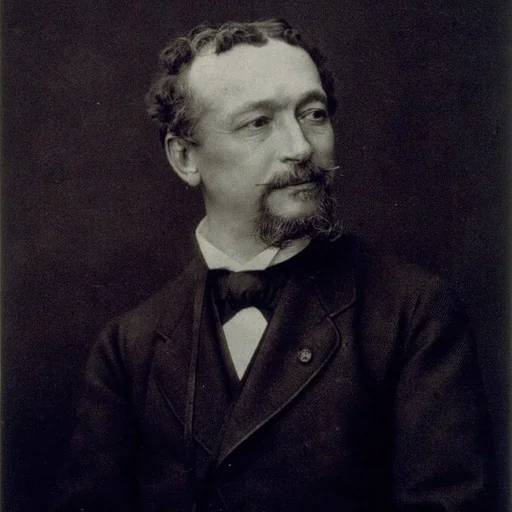
Edouard Louis Dubufe (1819–1883) was an artist, born in former 8th arrondissement of Paris.

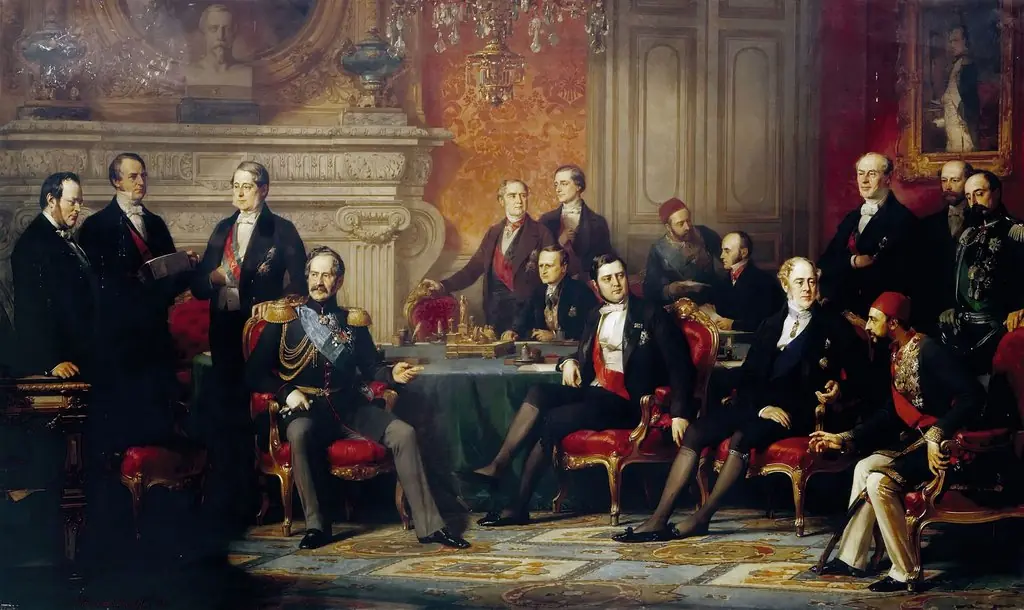
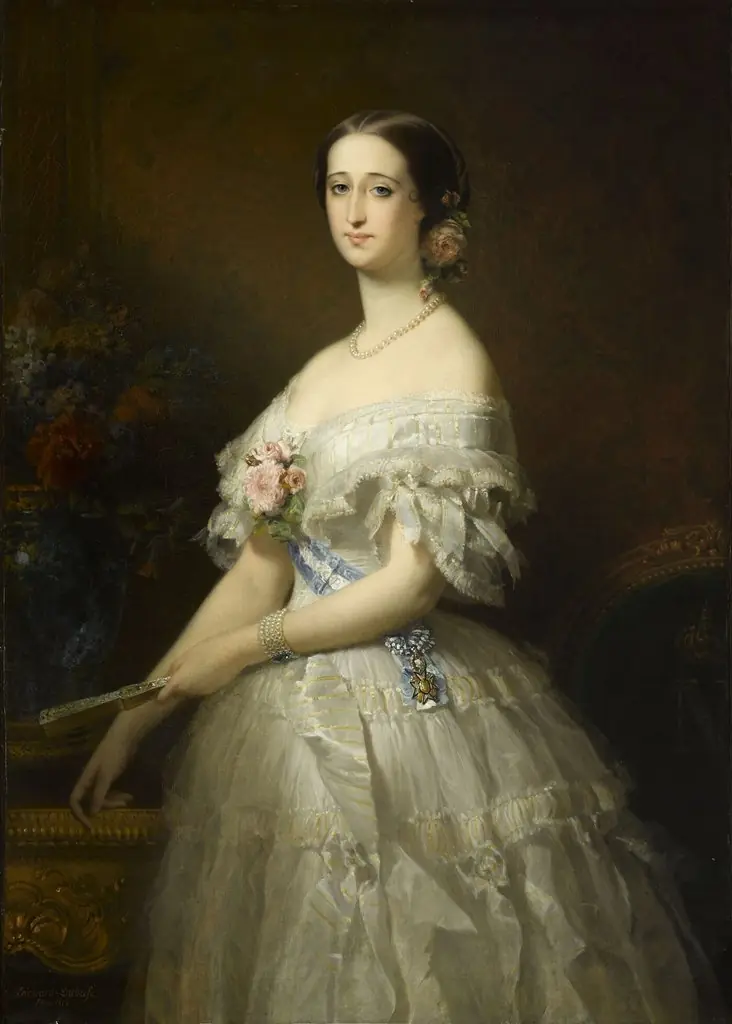
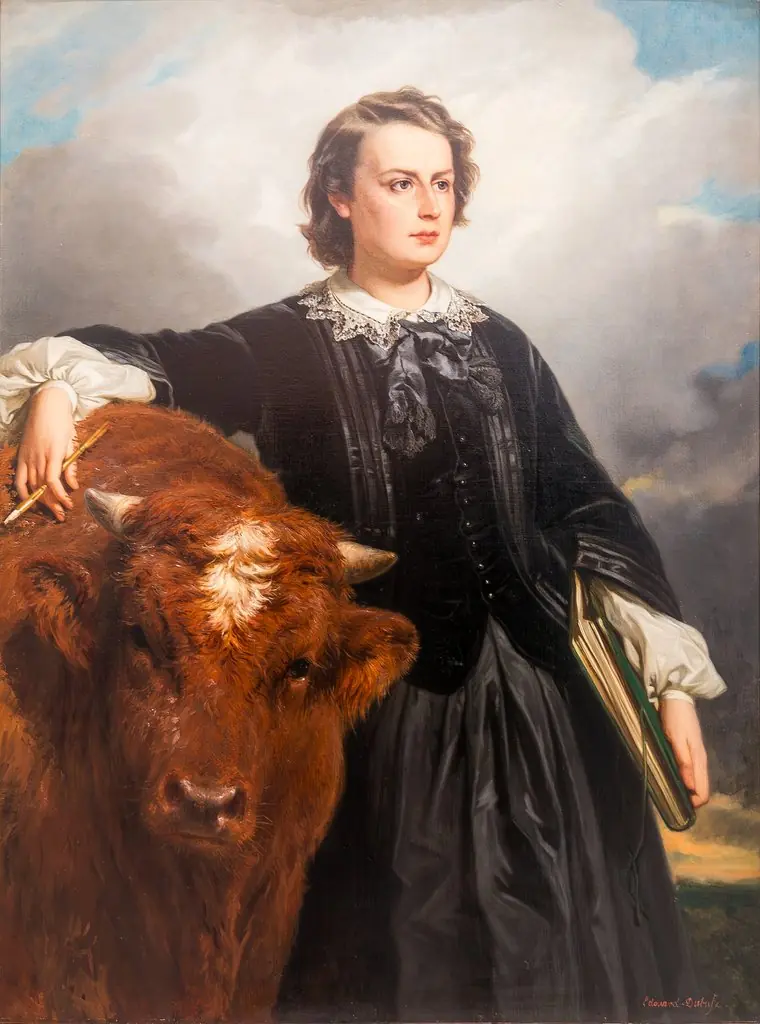
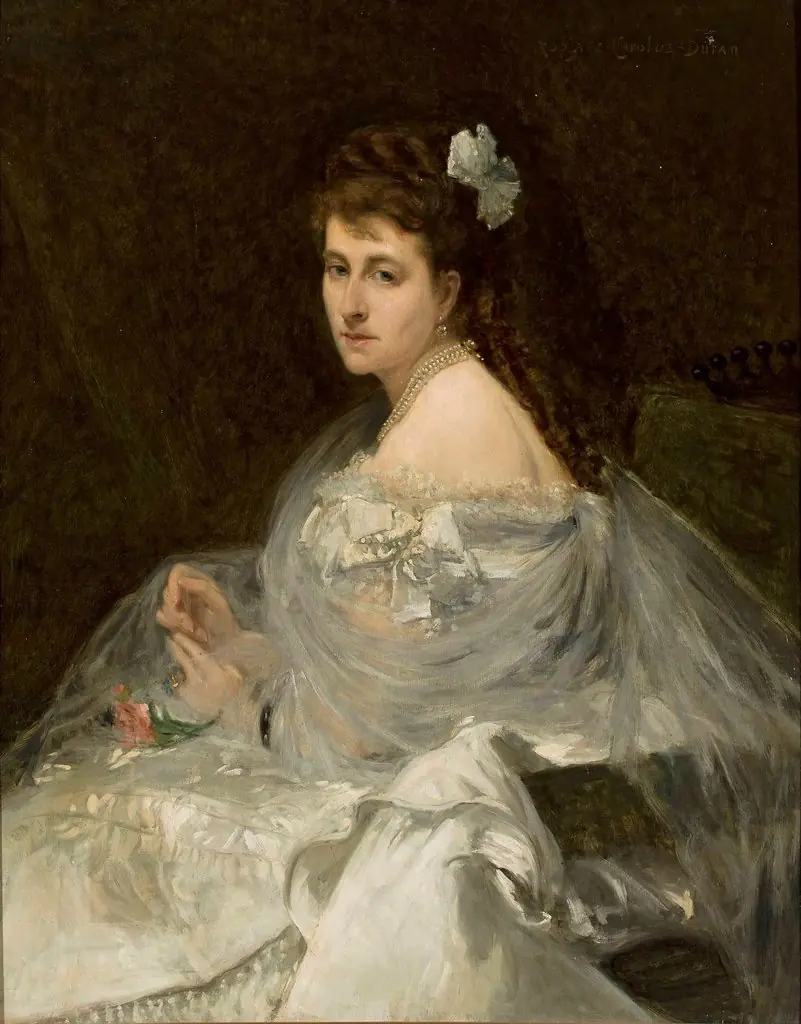 Portrait of Izabela Tyszkiewicz née Tyszkiewicz (1835–1907)
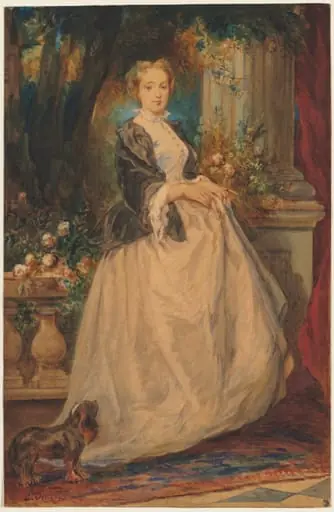 Portrait of Madame Thomas (née Camille Boucher)
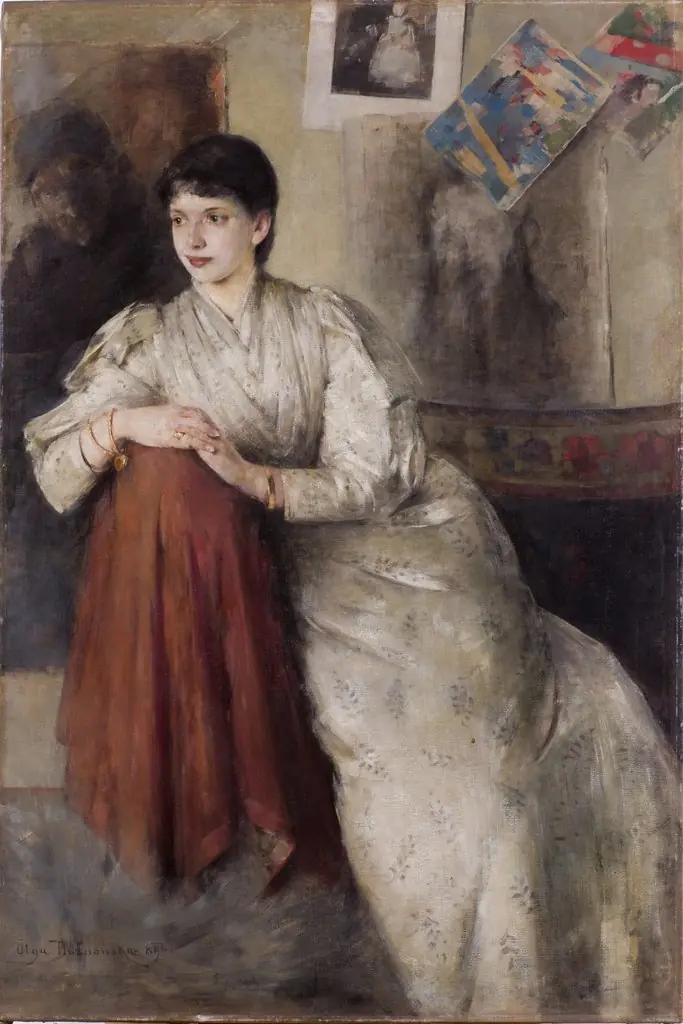 Portrait of a Woman in a White Dress
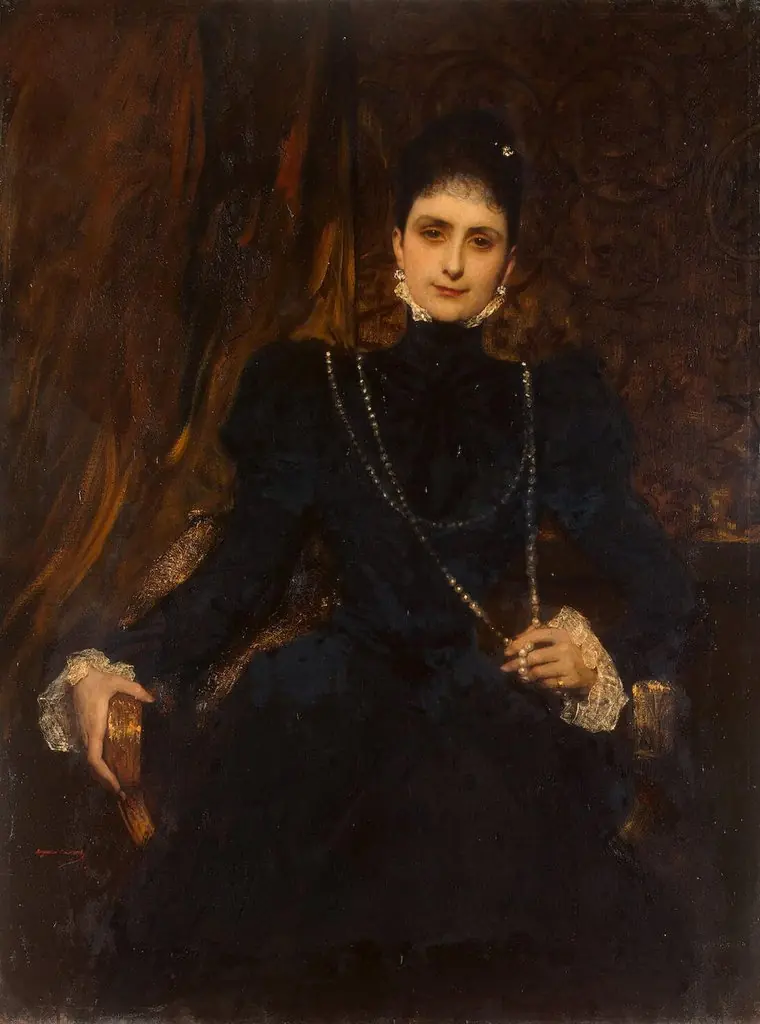 Portrait of Marina Derviz
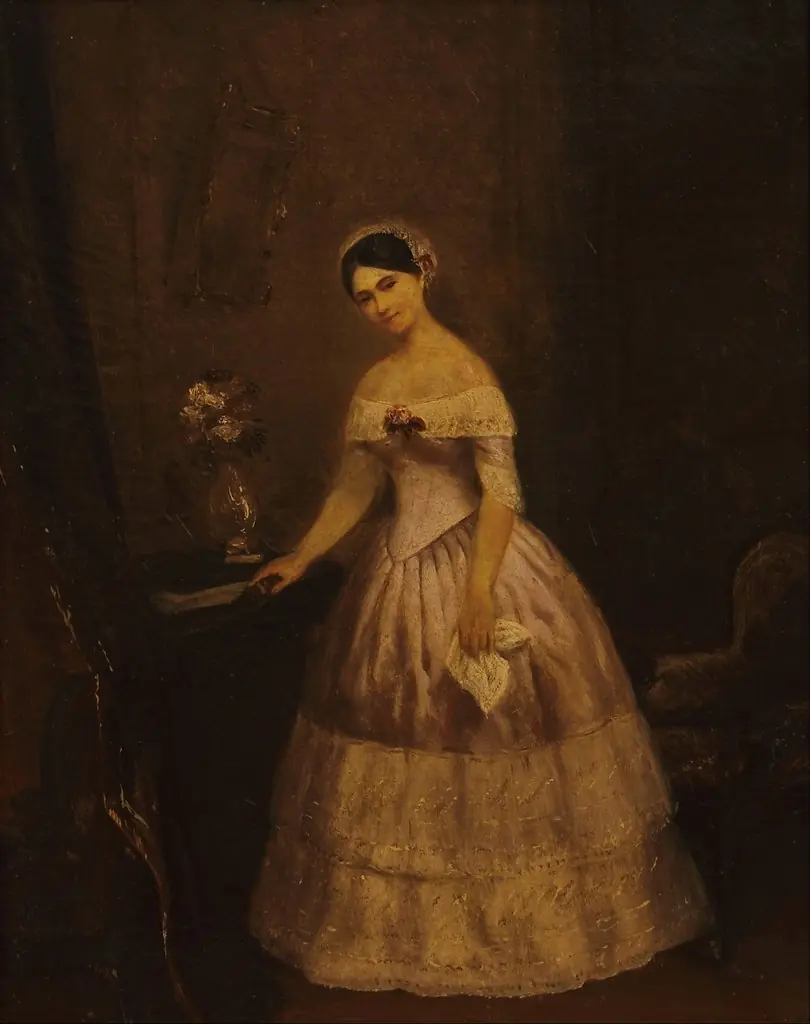 Retrato de Manuelita Rosas (estudio)
 Mrs. Thomas Hicks
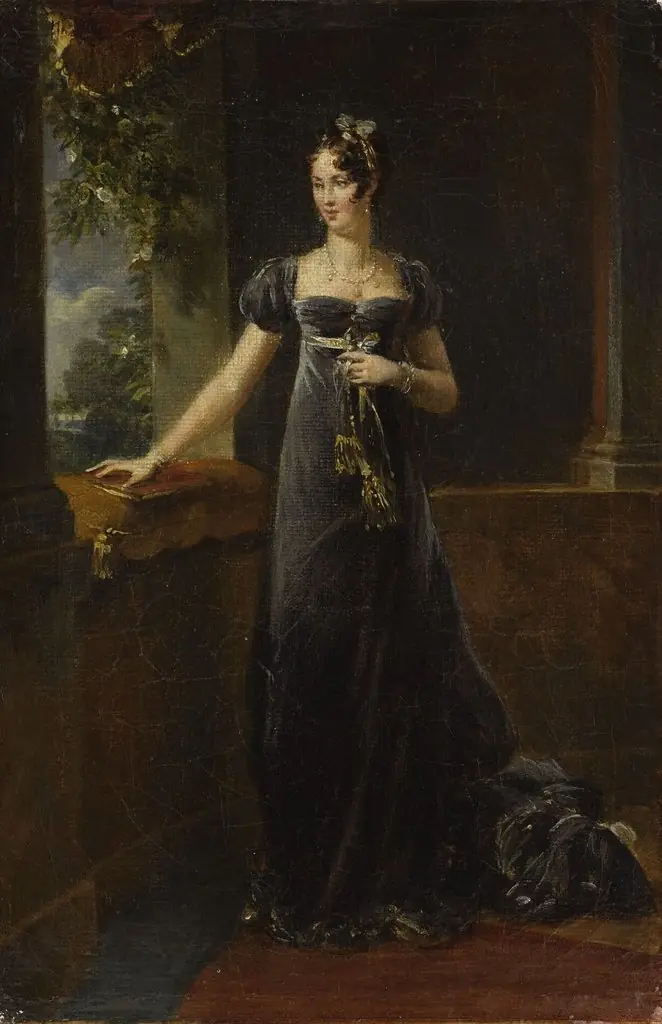 Auguste Amalia von Bayern, Vizekönigin von Italien
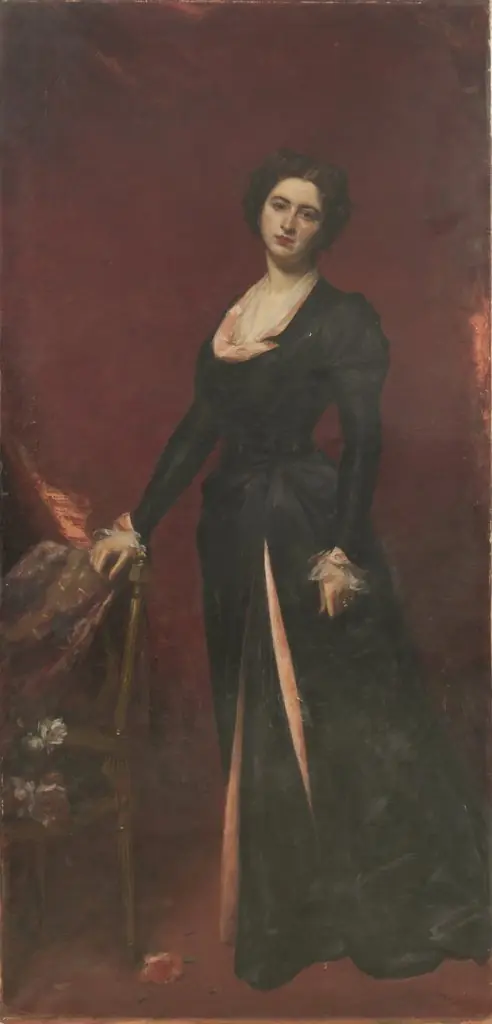 (Retrato de María del Carmen Reyna y Roballos de Fernández Blanco), Retrato de María Reyna de Fernández Blanco
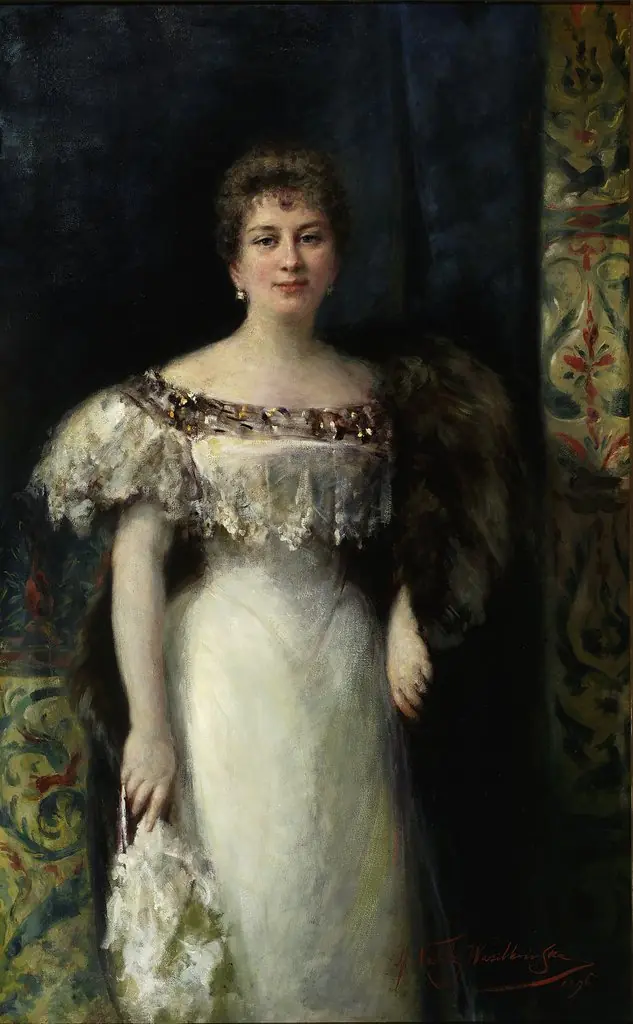 Portrait of Mrs. W.R.
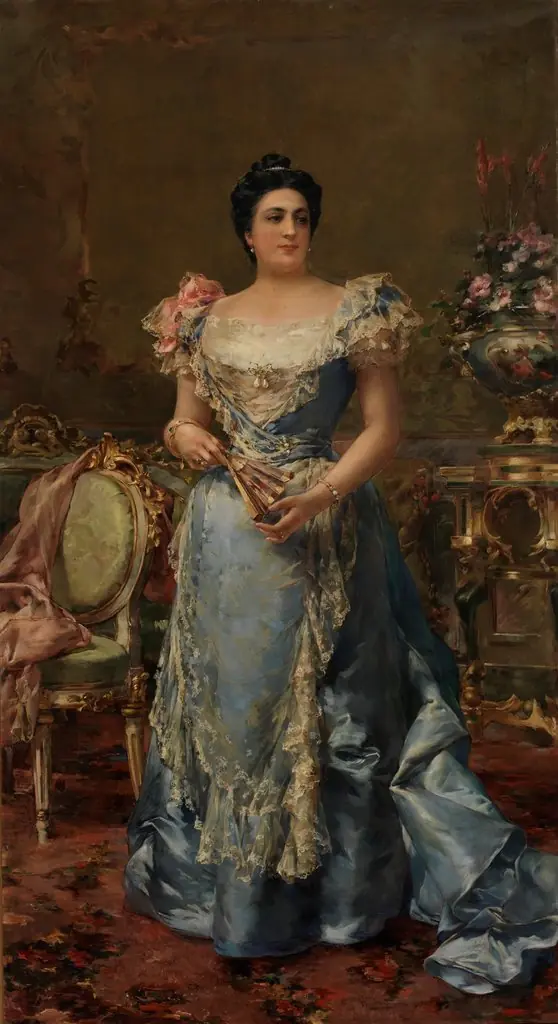 Faustina Peñalver y Fauste marquesa de Amboage
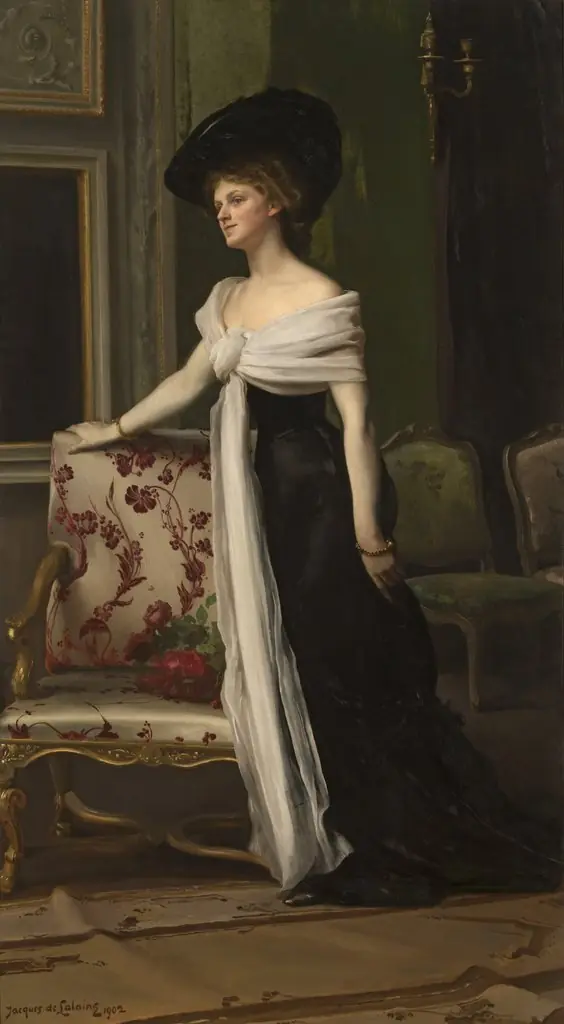 Nanette de Spoelberch, Madame Louis de Baillet-Latour
 Portrait of Dora of Leuchtenberg