Artwork
Walliser Wiege
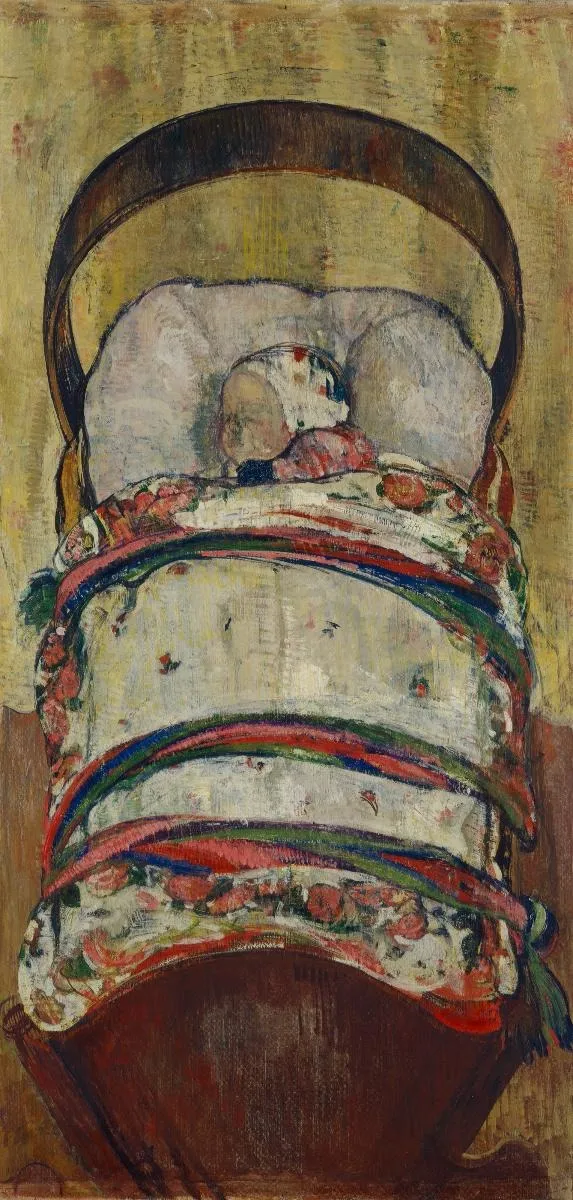
Walliser Wiege is an oil painting by the Post-Impressionist artist Edouard Vallet. It dates from 1923 and is held in the collection of the Kunsthaus Zürich.
About this work
Overview
The painting is part of the Kunsthaus Zürich’s permanent collection, reflecting its significance in early 20th-century Swiss art.
Édouard Vallet, a Swiss painter born in 1876, completed *Walliser Wiege* in 1923 using oil on canvas. The work emerged during his time in the Valais region, where he focused on intimate portrayals of local life. Though linked to post-impressionist tendencies, his approach remained grounded in observation rather than abstraction. The painting is part of the Kunsthaus Zürich’s permanent collection, reflecting its significance in early 20th-century Swiss art.
Subject & Meaning
The painting depicts a solitary nude figure in a calm, reclining posture, evoking stillness rather than narrative. The subject’s form is rendered without idealization, suggesting an emphasis on quiet humanity over symbolism. The title, referencing a cradle, may imply themes of rest or vulnerability, though no explicit context is given. The absence of props or setting directs attention to the body’s presence as the sole focus of contemplation.
Technique & Style
Vallet employed oil paint to build subtle tonal transitions across the figure’s skin, using soft modeling to suggest volume. Light falls gently, creating nuanced shadows that define the contours of limbs and torso without harsh edges. The technique draws on chiaroscuro not for dramatic effect but to enhance naturalism, grounding the form in a tangible space. Brushwork remains restrained, favoring smooth blends over visible strokes.
History & Provenance
Vallet studied at the Geneva College of Fine Arts before relocating to Valais, where he found inspiration in regional subjects. *Walliser Wiege* was painted during this period of personal and artistic consolidation. The work entered the Kunsthaus Zürich’s collection shortly after its completion, likely through direct acquisition or donation. Its preservation in a major Swiss institution underscores its recognition within national art circles of the era.
Context
In the early 1920s, Swiss art was navigating a shift between traditional representation and emerging modernist trends. Vallet’s work stood apart by resisting both academic rigidity and avant-garde abstraction. His focus on rural figures and quiet interiors aligned with a broader interest in authenticity, reflecting a cultural moment that valued regional identity and understated emotion over spectacle.
Legacy
Though not widely known outside Switzerland, Vallet’s *Walliser Wiege* remains a quiet exemplar of interwar figurative painting in the Alps. It represents a deliberate turn away from theatricality toward introspective realism. The painting continues to be studied for its restrained technique and its reflection of a localized artistic sensibility, contributing to the understanding of Swiss modernism beyond its urban centers.
Artist & collection
Artist
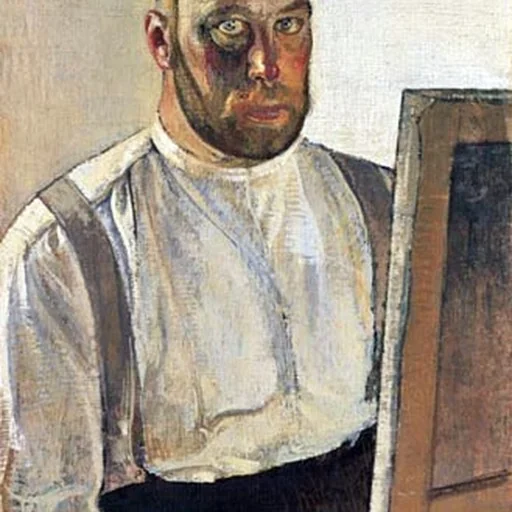
Édouard Eugène Francis Vallet (12 January 1876 - 1 May 1929) was a Swiss artist. Born in Geneva to Francis Lucien Vallet and Rosalie Bouvier, Vallet went to a boarding school in France and apprenticed as a stonemason in…

 The Wooden Shoes
 Nu dans le bain
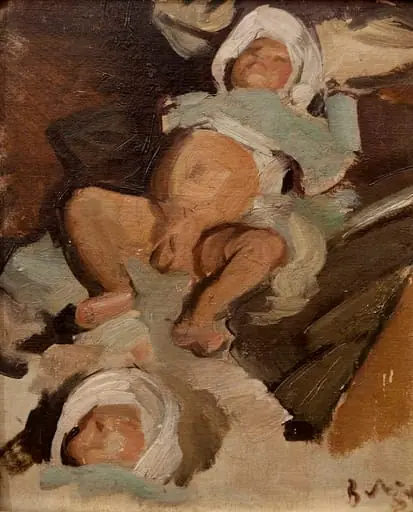 Copil dormind (studiu)
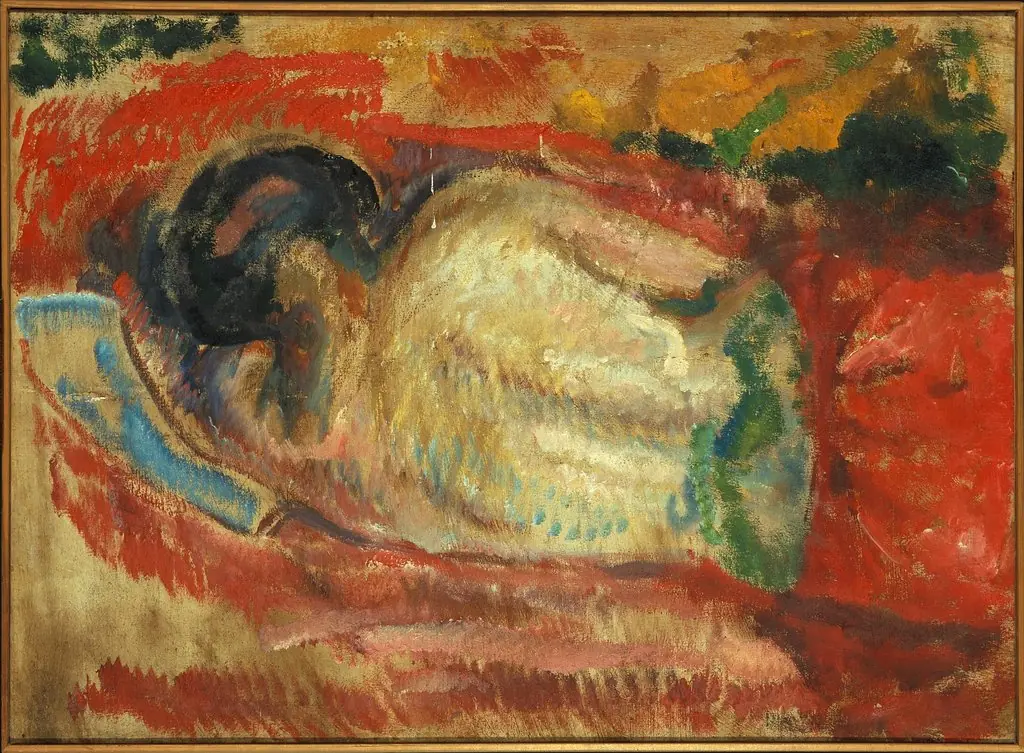 Nude Female Back
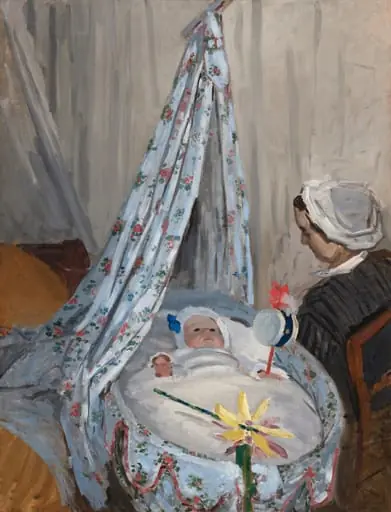 The Cradle - Camille with the Artist's Son Jean
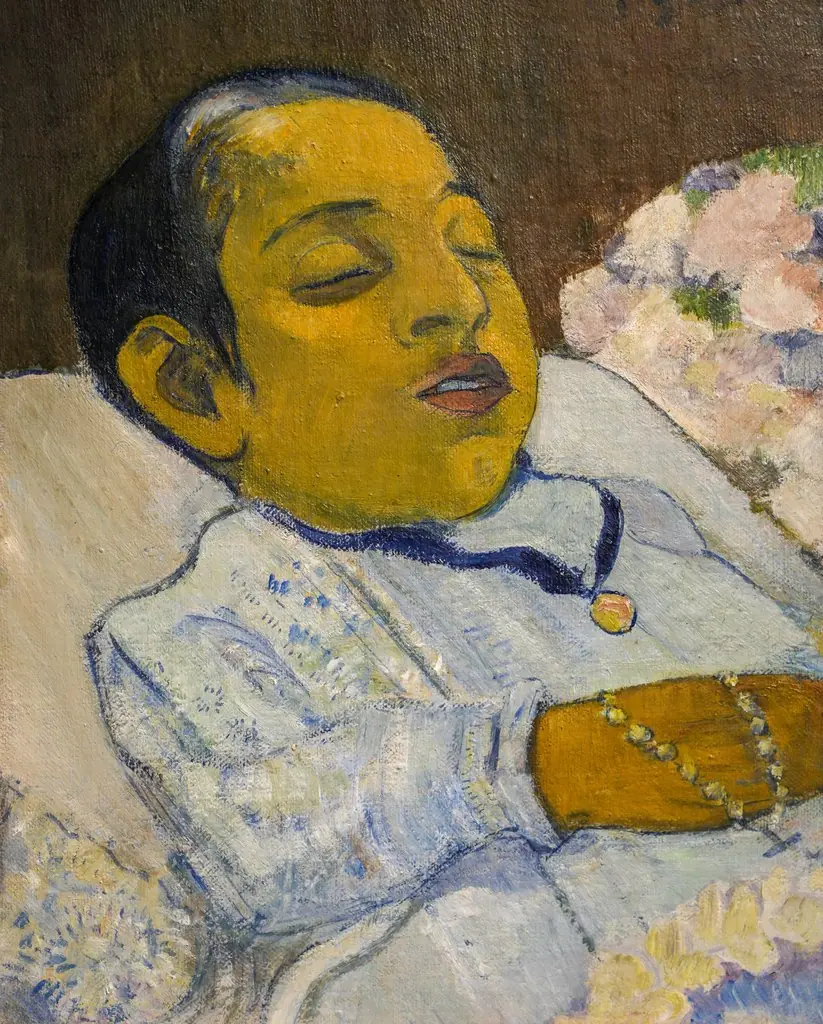 Deathbed portrait of Aristide 'Atiti' Suhas, died 5 March 1892, 1.5 years old
 Reclining Woman in a White Chemise
 Dormind
 Studio
 Copil în cărucior
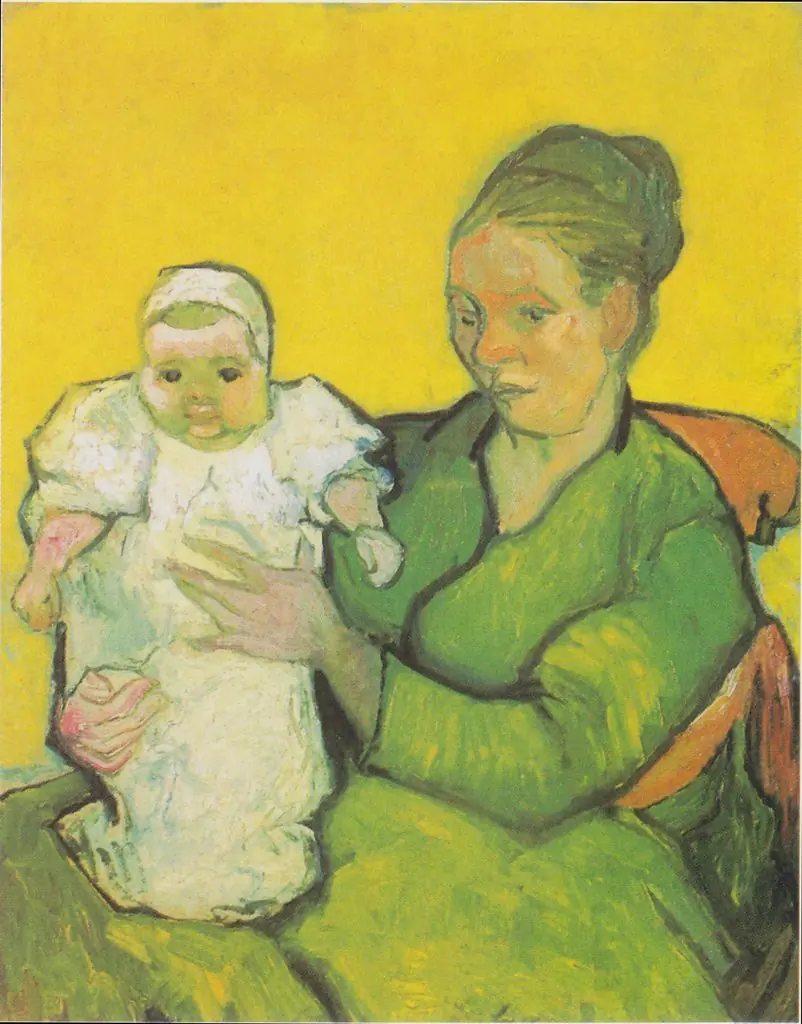 Madame Augustine Roulin with Baby
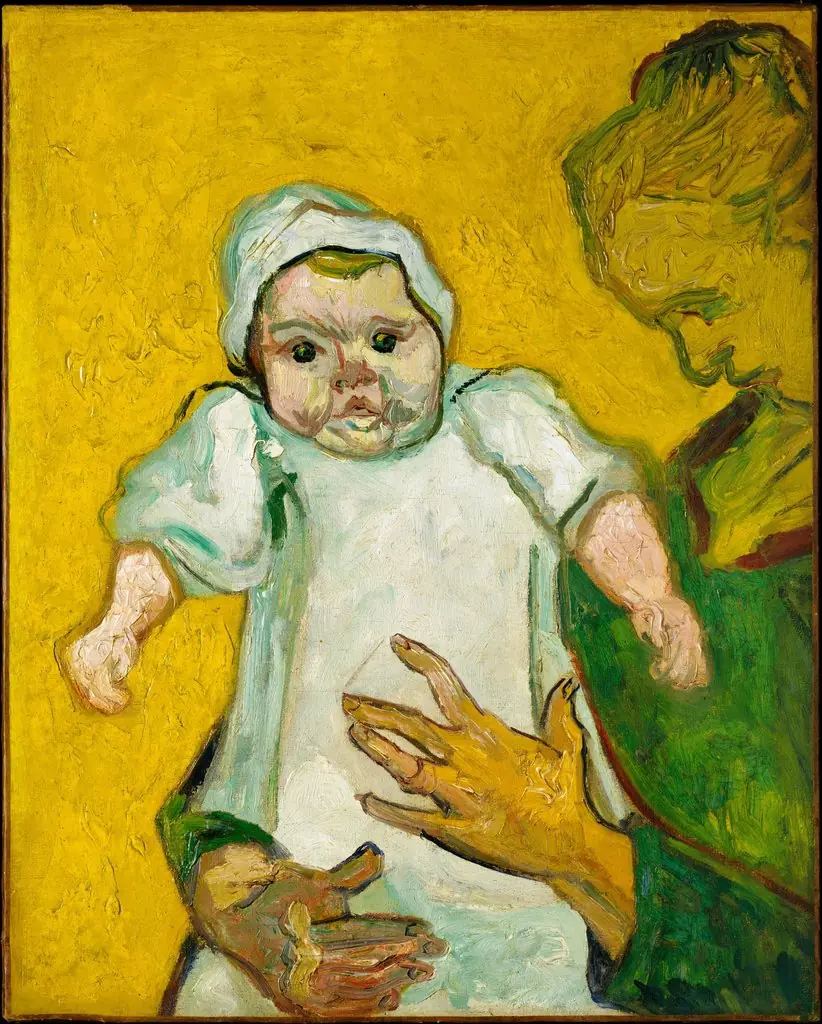 Madame Augustine Roulin with Baby