Artwork
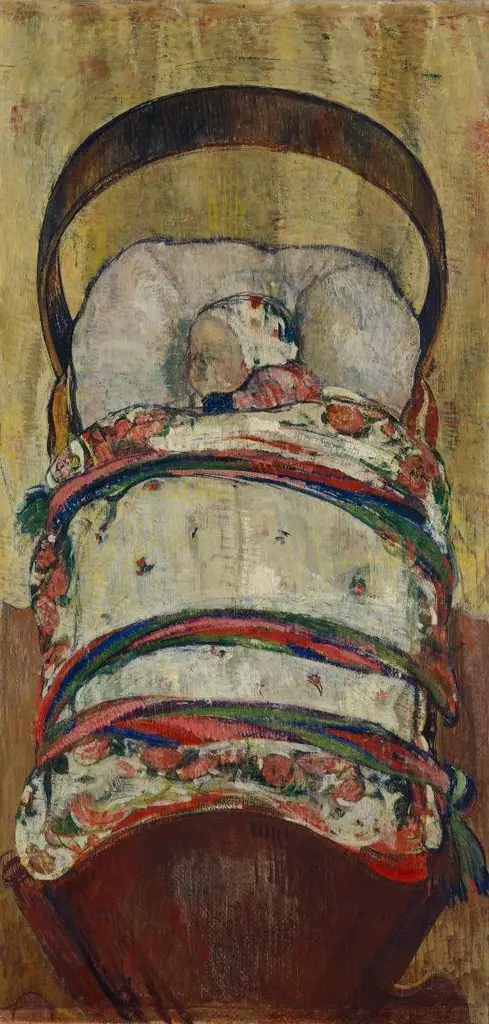
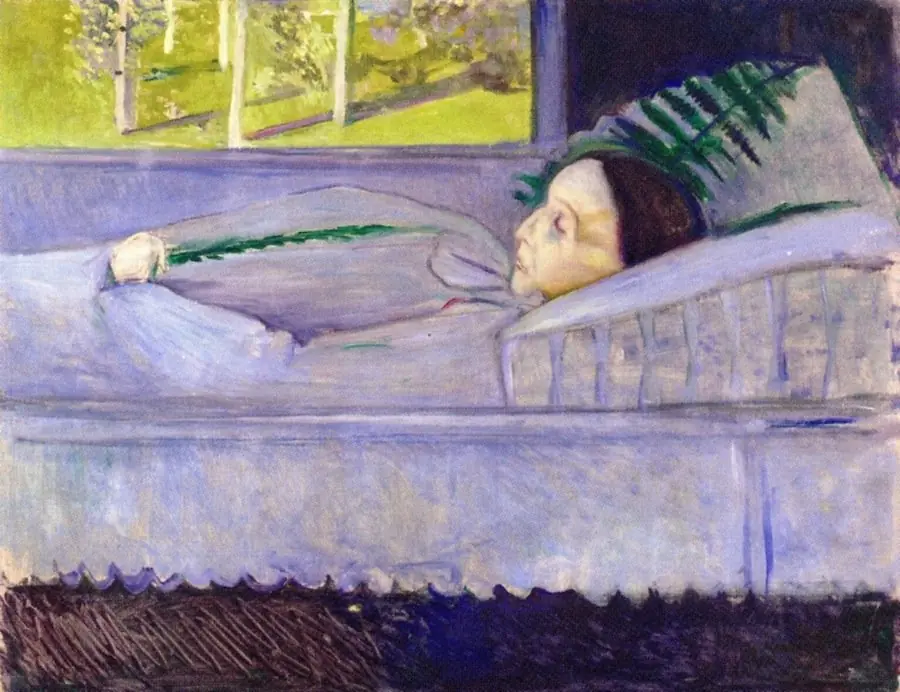
Deathbed portrait of Aristide 'Atiti' Suhas, died 5 March 1892, 1.5 years old
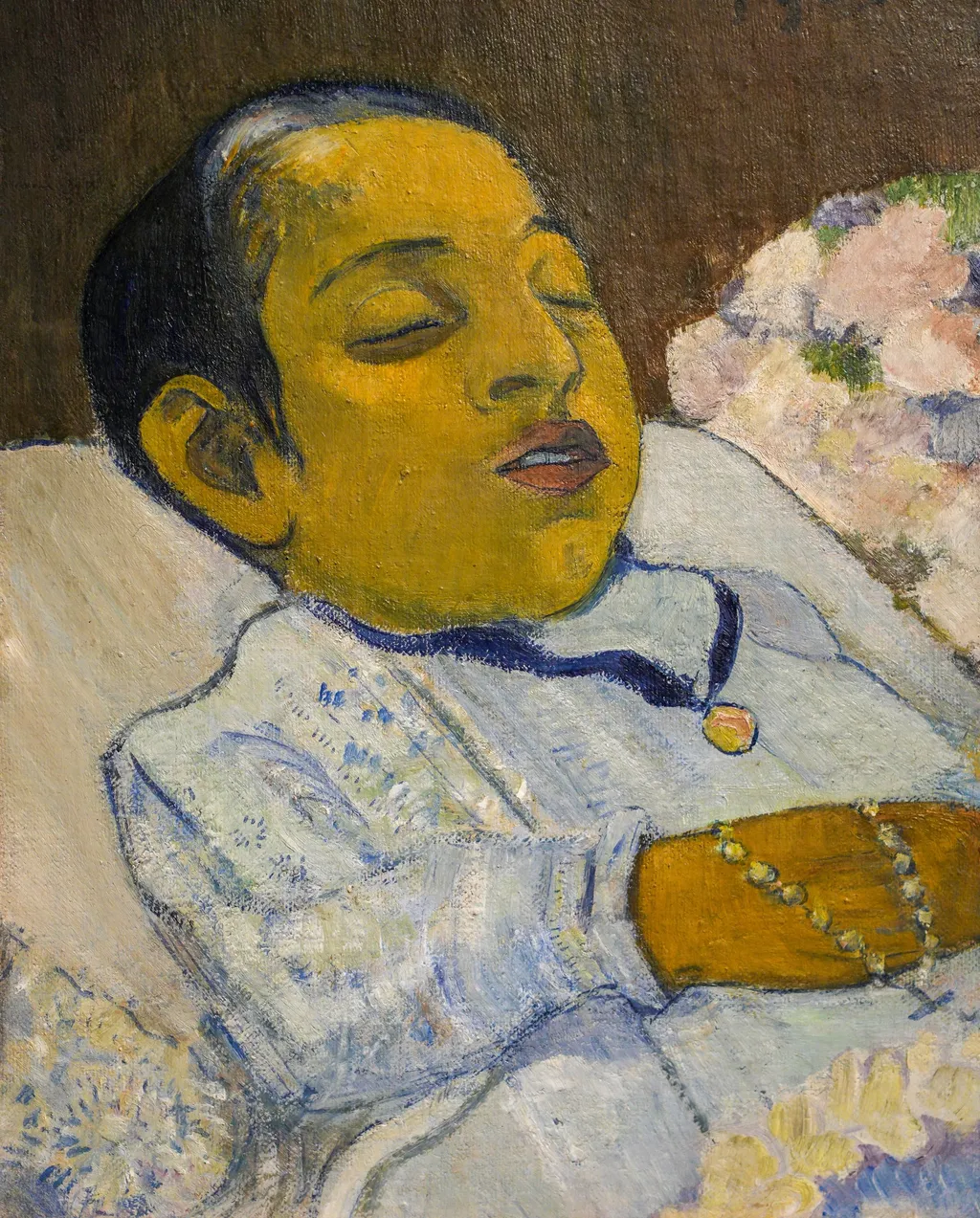
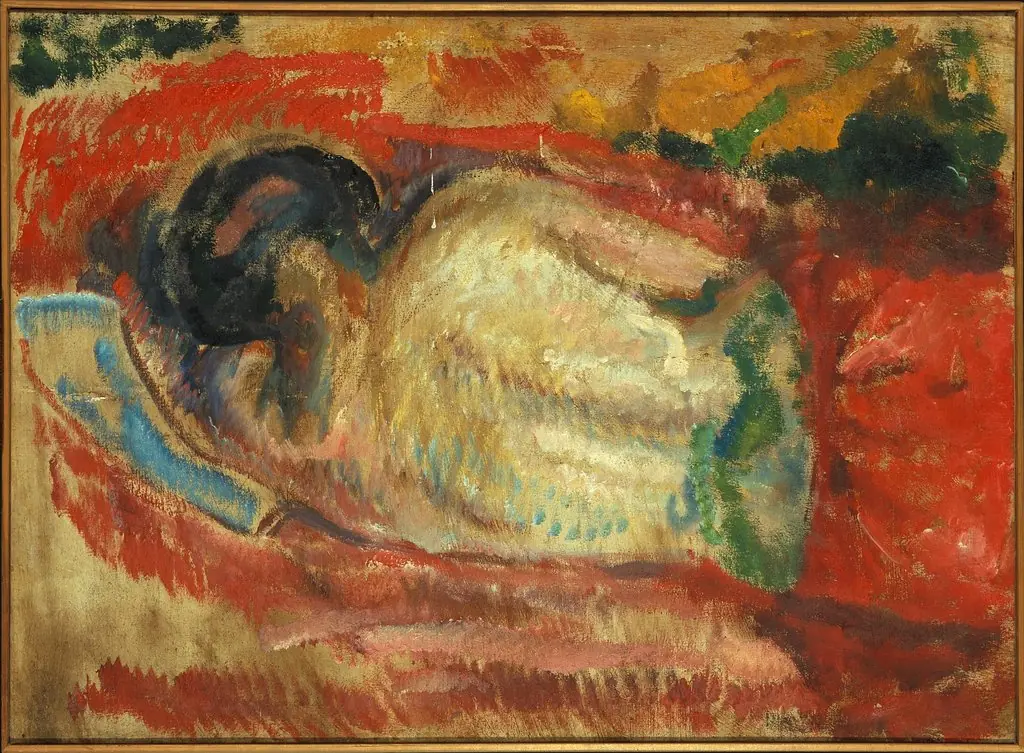
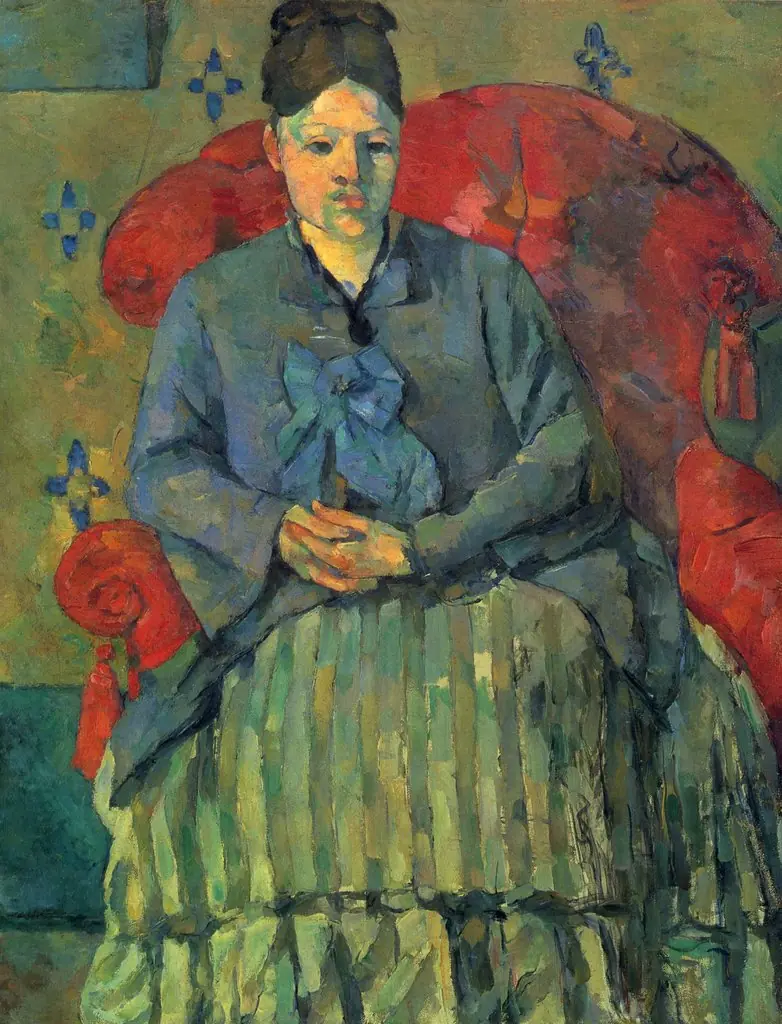
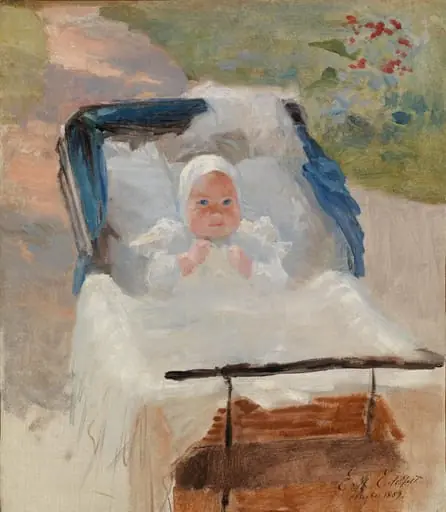
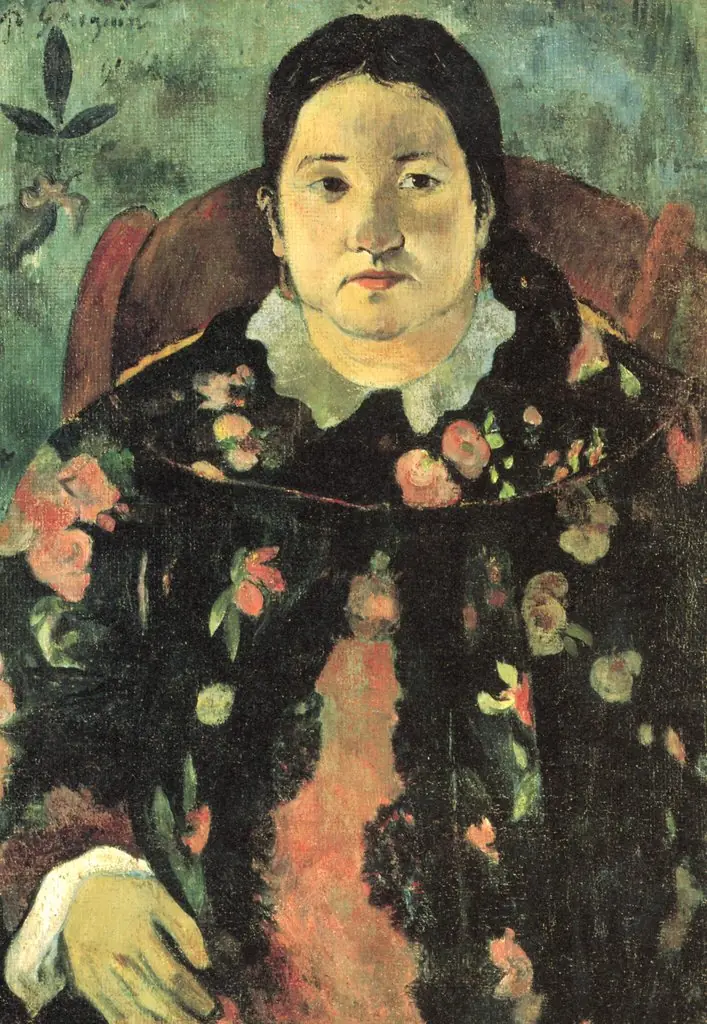
Deathbed portrait of Aristide 'Atiti' Suhas, died 5 March 1892, 1.5 years old is an oil painting by the Post-Impressionist artist Paul Gauguin. It dates from 1896 and is held in the collection of the Kröller-Müller Museum.
About this work
Overview
Painted in 1896, this oil-on-canvas work by Paul Gauguin memorializes Aristide 'Atiti' Suhas, a toddler who died in 1892 at age one and a half.
Painted in 1896, this oil-on-canvas work by Paul Gauguin memorializes Aristide 'Atiti' Suhas, a toddler who died in 1892 at age one and a half. Though the child’s death occurred four years earlier, Gauguin rendered the scene posthumously during his time in Tahiti. The painting is part of the Kröller-Müller Museum’s collection and reflects a quiet, contemplative phase in the artist’s career, distinct from his more colorful tropical subjects.
Subject & Meaning
The portrait depicts a young boy lying still on a bed, eyes closed, clutching a rosary. His pale, yellow-tinged skin and white garments suggest both innocence and the stillness of death. The absence of overt grief or narrative context shifts focus to the quiet dignity of the child’s passing. The rosary implies a spiritual dimension, yet the composition avoids religious spectacle, instead emphasizing solitude and mortality.
Technique & Style
Gauguin employed flat planes of color and simplified forms, characteristic of Synthetism, to distill the scene into emotional essence. The dark, undefined background isolates the figure, heightening its stillness. Subtle tonal contrasts, rather than dramatic chiaroscuro, model the child’s face and limbs. The brushwork is restrained, avoiding detail in favor of symbolic clarity, aligning with his move away from naturalism toward spiritual abstraction.
History & Provenance
Gauguin painted this work during his second stay in Tahiti, far from the child’s native France. The subject, Aristide Suhas, was the son of a French colonial official in Papeete, where Gauguin lived. Though the child died in 1892, Gauguin may have encountered the family or heard of the tragedy, later choosing to commemorate it. The painting entered the Kröller-Müller collection in the early 20th century through the museum’s founder, Helene Kröller-Müller.
Context
This portrait emerged amid Gauguin’s broader engagement with themes of death, innocence, and the sacred in Polynesian life. While he often depicted local figures in vibrant settings, this work stands apart—its somber tone and European subject reflect his lingering connection to Western grief and religious iconography. It reveals his interest in universal human experiences beyond exoticism.
Legacy
Though less known than Gauguin’s Tahitian landscapes, this painting offers insight into his capacity for restrained emotional expression. It demonstrates how his Synthetist approach could convey vulnerability without sentimentality. The work remains a quiet testament to loss, contributing to broader discussions on how modern artists confronted mortality beyond traditional religious imagery.
Own this work as a print
Artist & collection
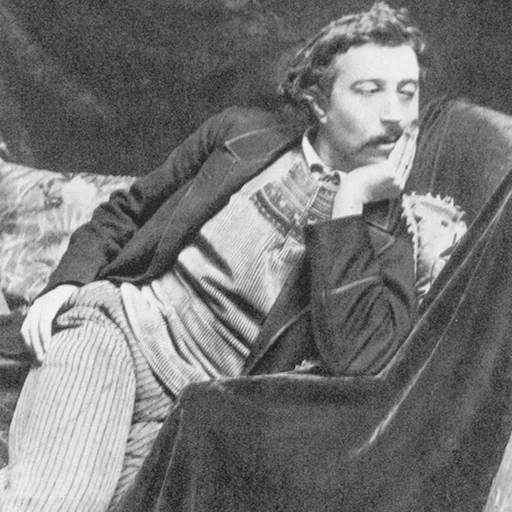
Artist
Eugène Henri Paul Gauguin (; French: ; 7 June 1848 – 8 May 1903) was a French painter, sculptor, printmaker, ceramist, and writer, whose work has been primarily associated with the Post-Impressionist and Symbolist movements.