Artwork
Aan het IJ
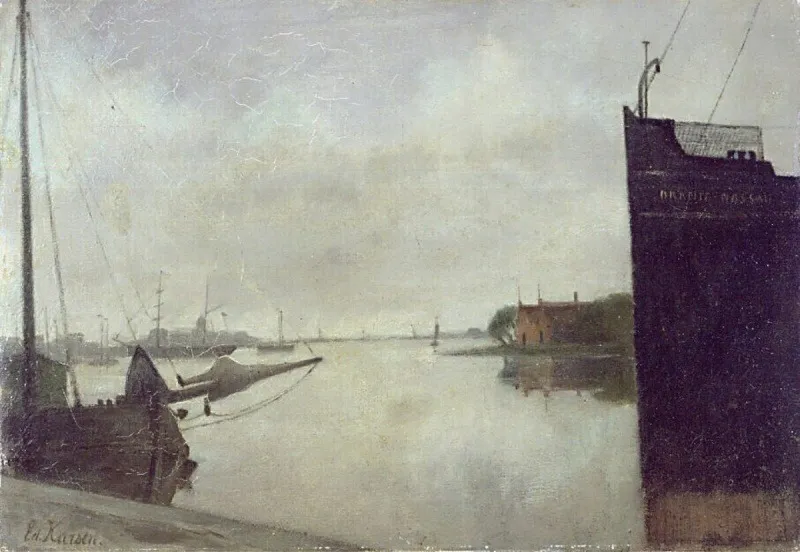
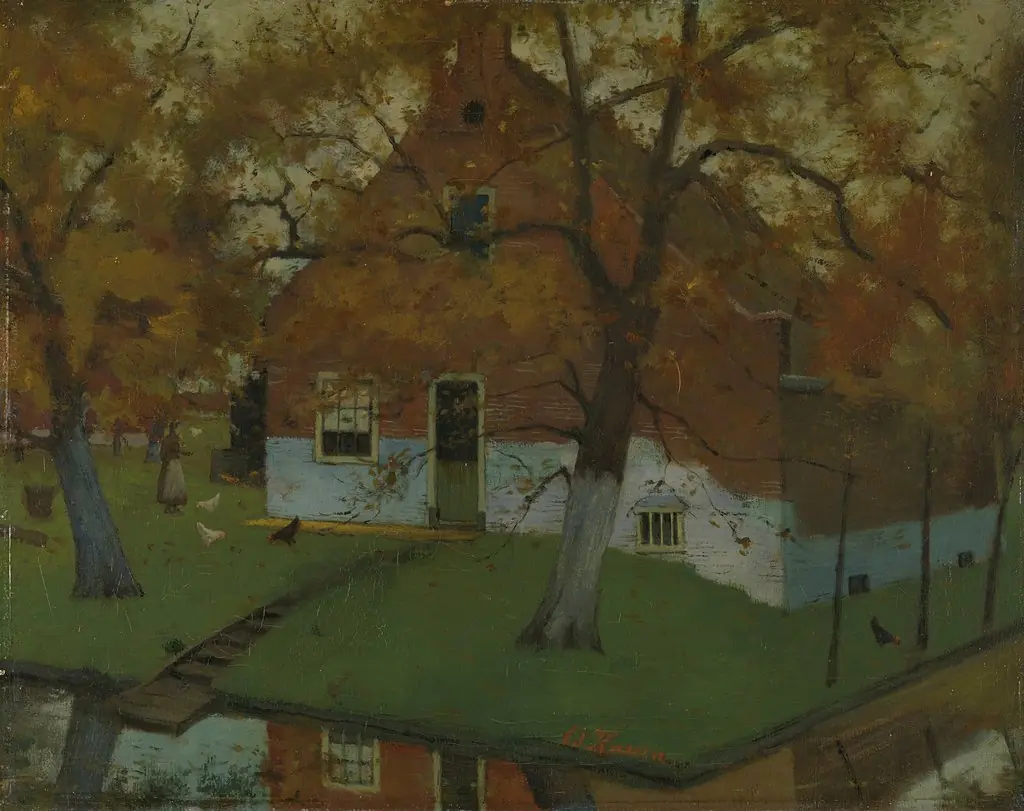
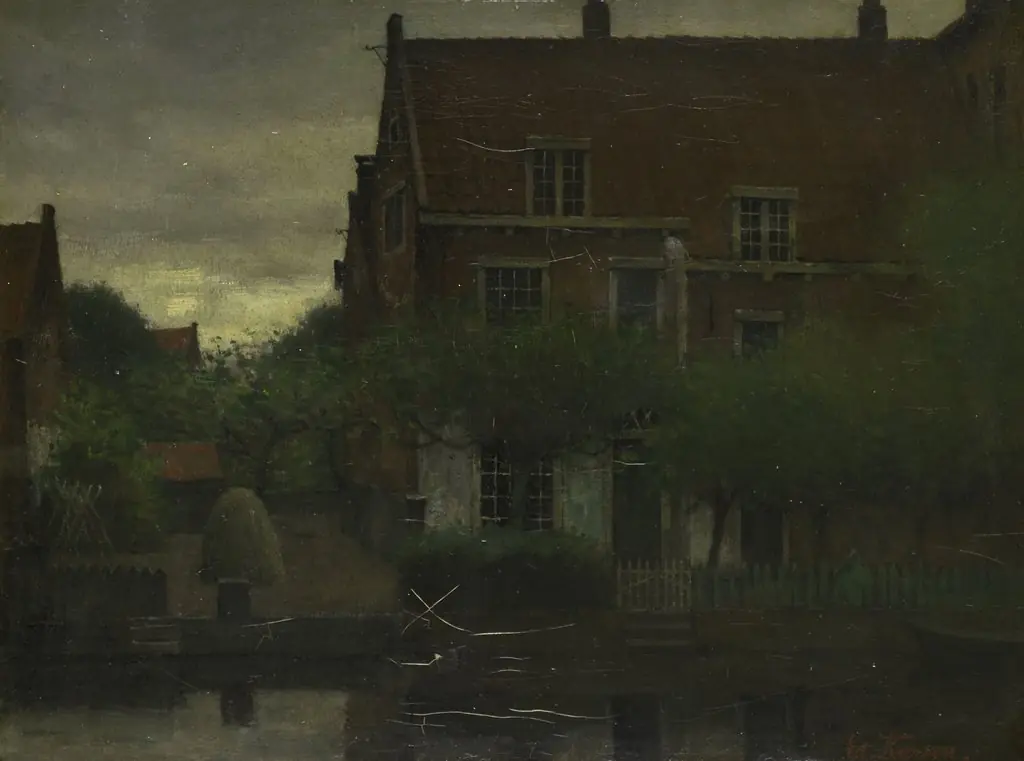
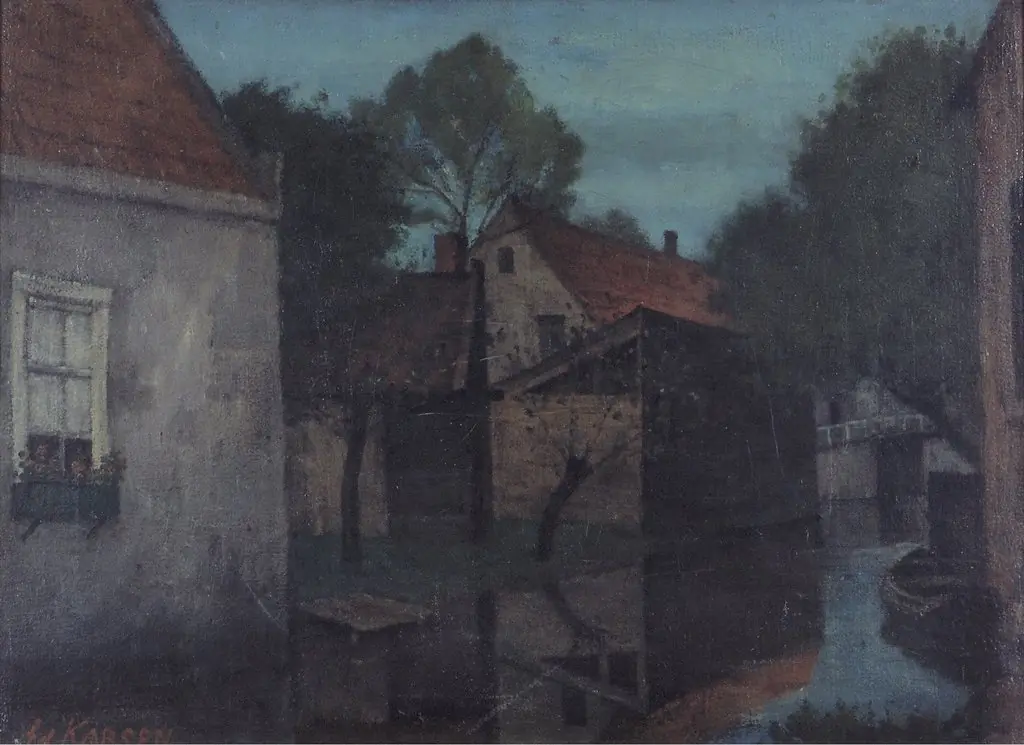
Aan het IJ is an oil painting by the Impressionist artist Eduard Karsen. It dates from 1896 and is held in the collection of the Kröller-Müller Museum.
About this work
Overview
The composition balances architectural elements with natural forms, emphasizing atmosphere over narrative detail.
Eduard Karsen’s 1896 oil painting *Aan het IJ* presents a quiet riverside view in Amsterdam’s northern district. Rendered with subdued tones and loose brushwork, the scene captures a moment of stillness along the IJ waterway. The composition balances architectural elements with natural forms, emphasizing atmosphere over narrative detail. Karsen’s approach aligns with late 19th-century Dutch tendencies toward introspective landscape painting.
Subject & Meaning
The painting shows a tranquil stretch of water with moored boats and two modest buildings on opposite banks. A large structure on the right anchors the composition, while a smaller dwelling across the river suggests quiet habitation. No figures are present, yet the scene implies human presence through quiet domesticity. The mood is contemplative, evoking solitude and the passage of time without overt symbolism.
Technique & Style
Karsen employs a restrained palette of grays, soft blues, and earth tones, with delicate brushstrokes that suggest light filtering through overcast skies. The water’s surface is rendered with subtle ripples, using thin layers to convey calm movement. Forms are suggested rather than sharply defined, reflecting an affinity with Impressionist methods while retaining a more subdued, personal tone characteristic of his Post-Impressionist leanings.
History & Provenance
Created in 1896, the painting entered the Kröller-Müller Museum’s collection through the museum’s foundational acquisitions of Dutch art from the late 19th and early 20th centuries. Karsen’s work was not widely exhibited during his lifetime, but his association with the Tachtigers literary circle lent his visual poetry a cultural resonance. The painting has remained in the museum’s holdings since its acquisition, preserved as part of its broader survey of Dutch modernism.
Context
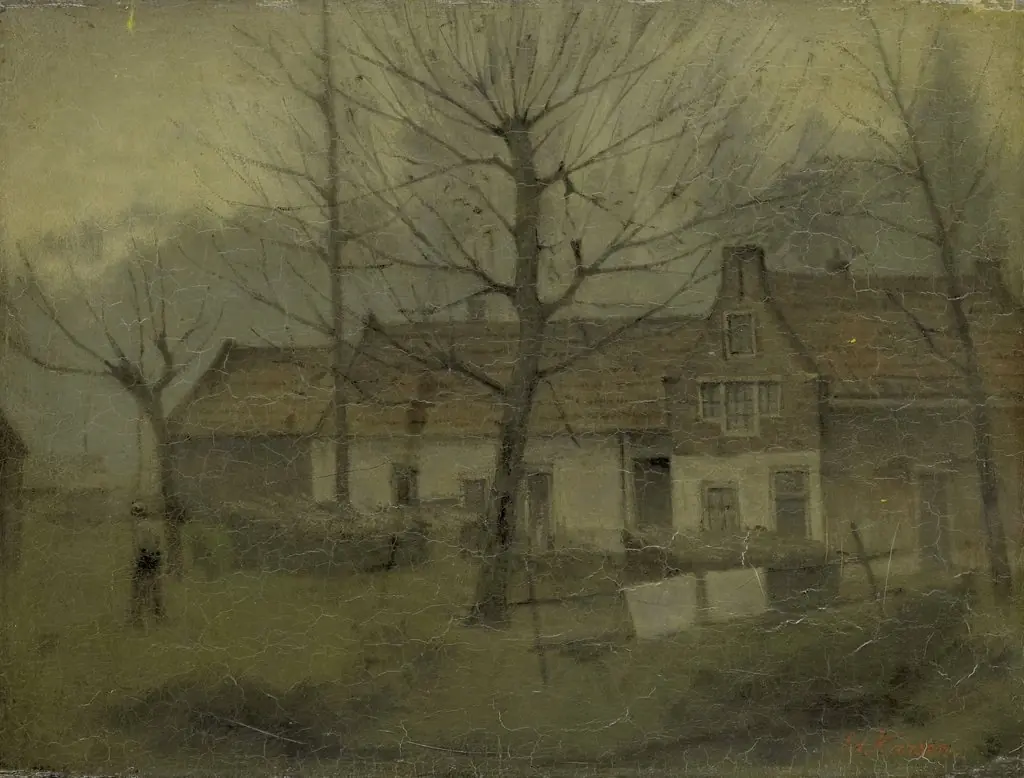
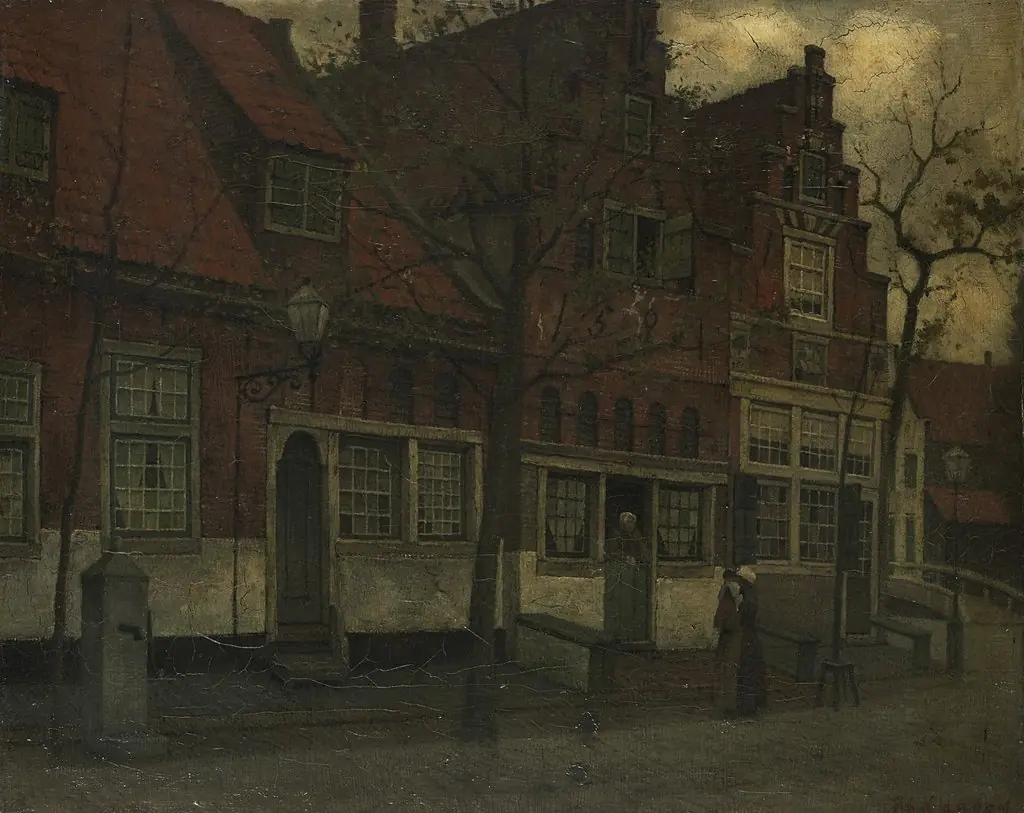
Karsen worked alongside writers and artists of the Tachtigers movement, who sought emotional authenticity and atmospheric depth in their work. While not a literary figure himself, his landscapes reflect the movement’s emphasis on mood and inner experience. His focus on ordinary Dutch scenes—rivers, farms, quiet streets—contrasts with the grandeur of earlier academic traditions, aligning him with a quieter, more personal realism emerging in the Netherlands at the time.
Legacy
Though Karsen never achieved widespread fame, his work contributes to the understanding of Dutch painting’s shift toward introspection in the late 1800s. *Aan het IJ* exemplifies how artists used landscape to convey emotional quietude rather than spectacle. Today, his paintings are valued for their restraint and sensitivity, offering a counterpoint to more dramatic contemporaries in the Dutch art scene.
Artist & collection
Artist
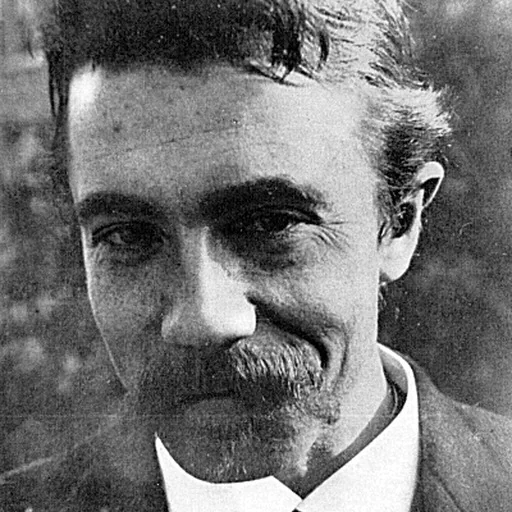
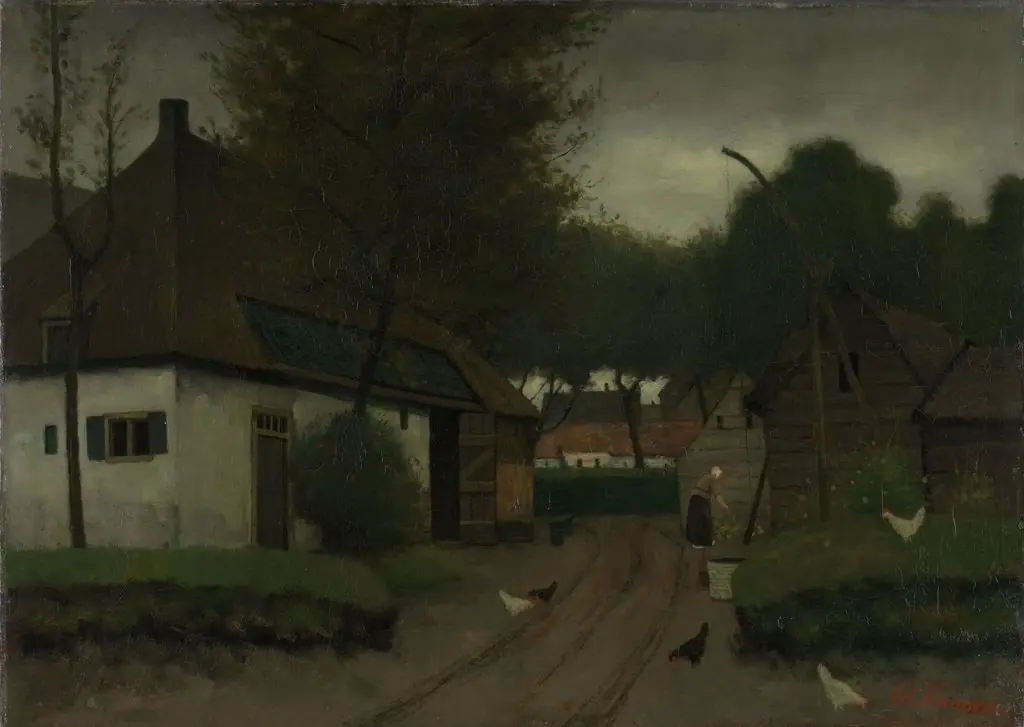
Johann Eduard Karsen (10 March 1860, Amsterdam - 31 October 1941, Amsterdam) was a Dutch Post-Impressionist painter, known for his moody scenes featuring villages and farmhouses; usually containing a solitary figure.

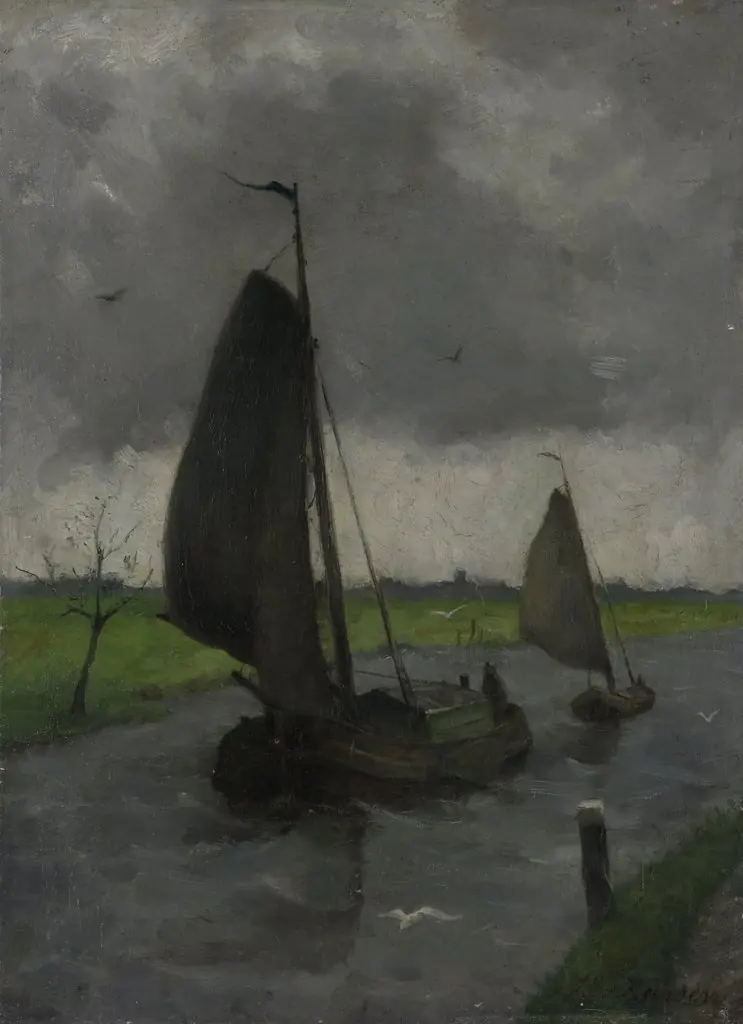
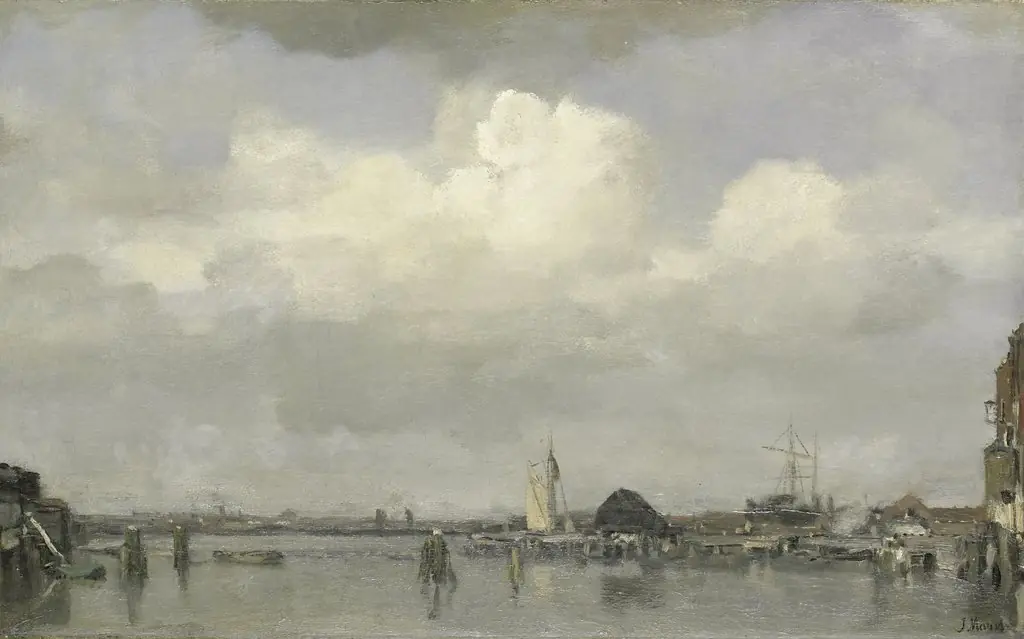 Havengezicht
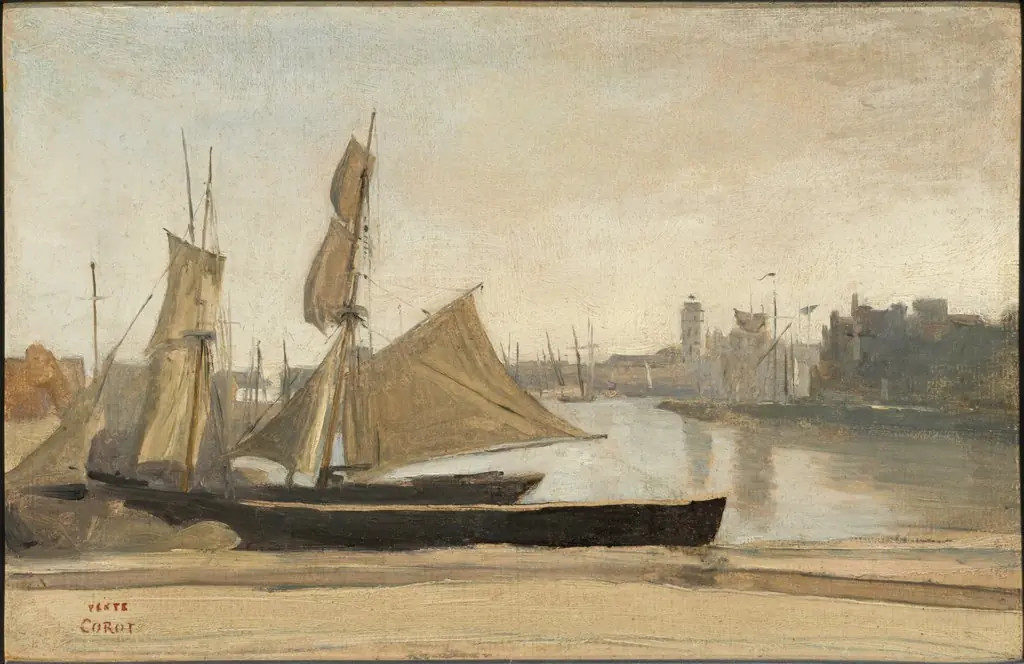 Dunkerque, Fishing Boats tied to the Wharf
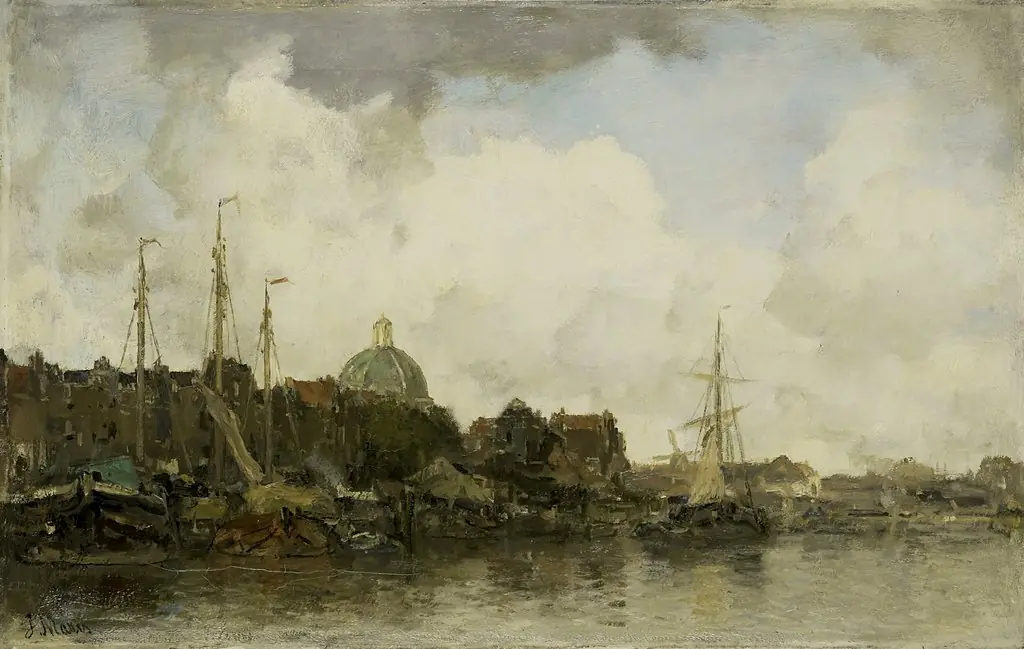 Townscape with a Domed Church
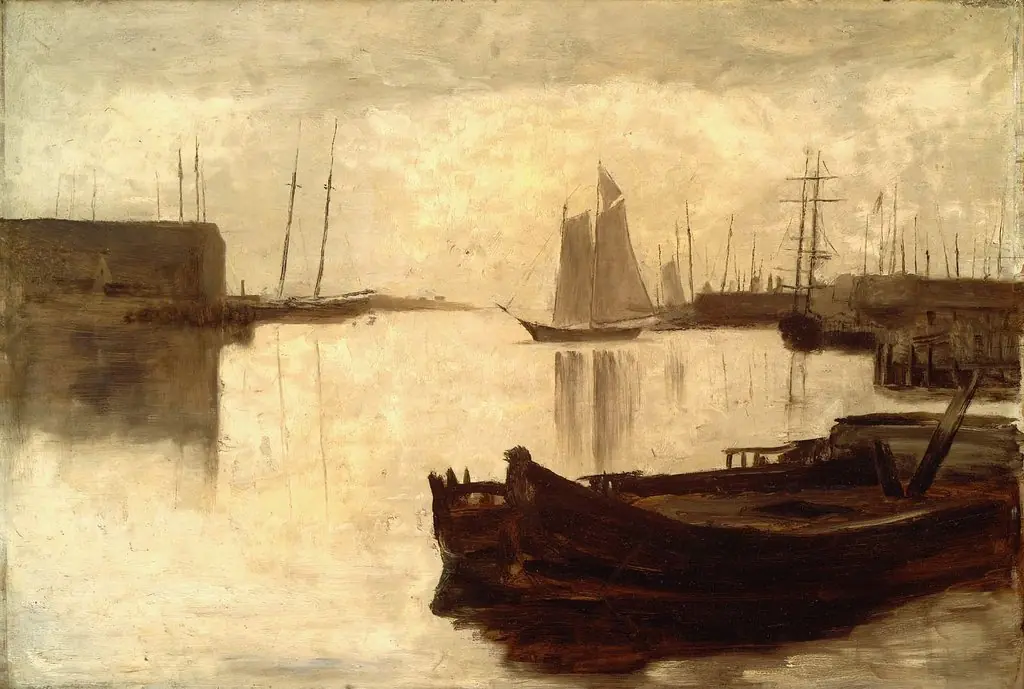 Nautilus Fleet
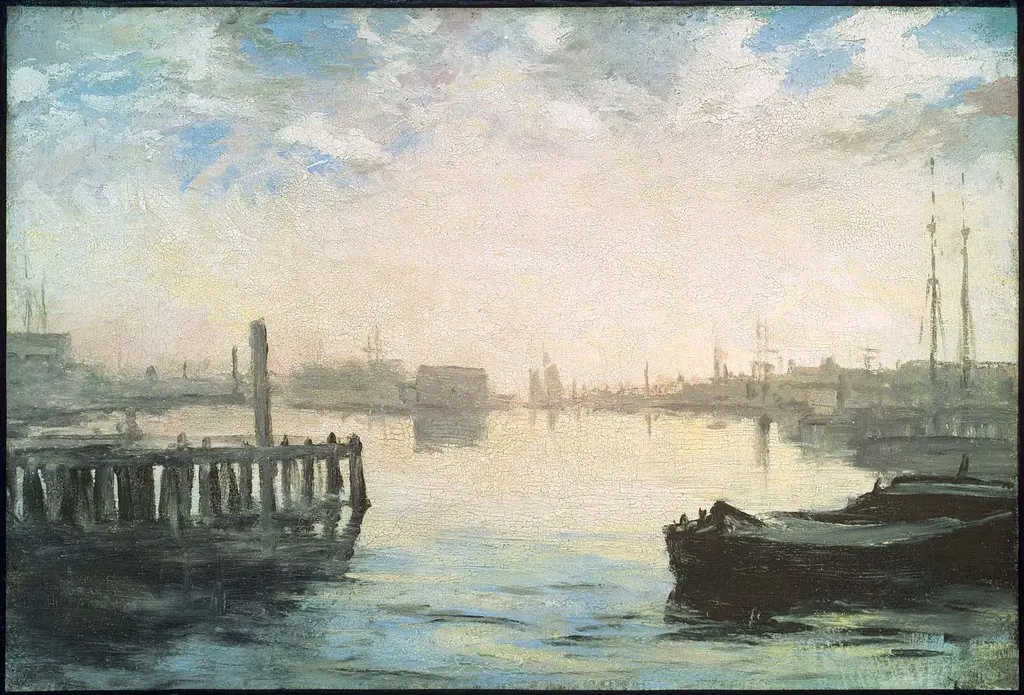 Gloucester Harbor
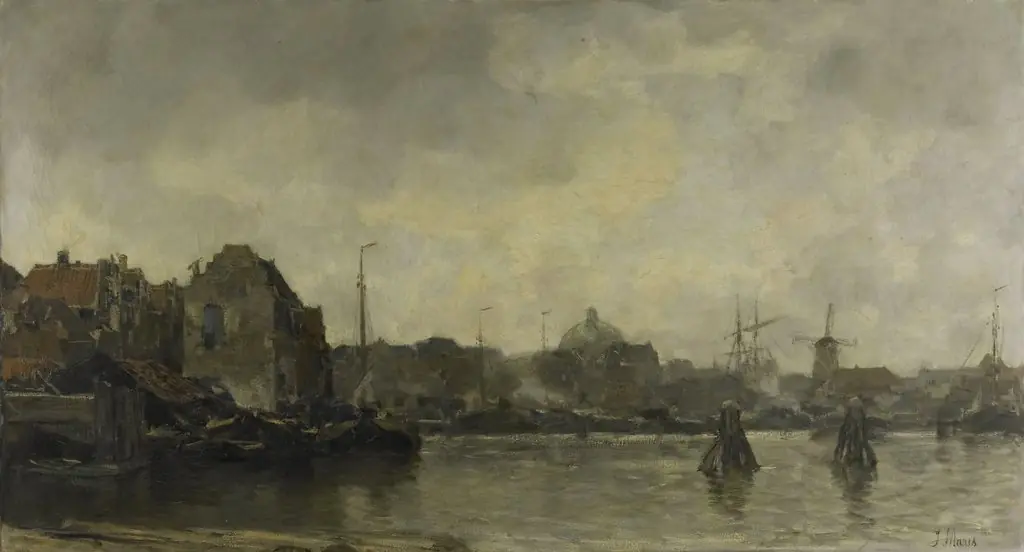 Cityscape
 Grey and Silver: Old Battersea Reach
 Grey and Silver: Old Battersea Reach
 View of a port
 Septemberdag ved Kalvebodstrand
 De Schreierstoren met de brug over de Gelderse Kade te Amsterdam
 Canal Scene