Artwork
Alma Mater: Fragment with Playing Child
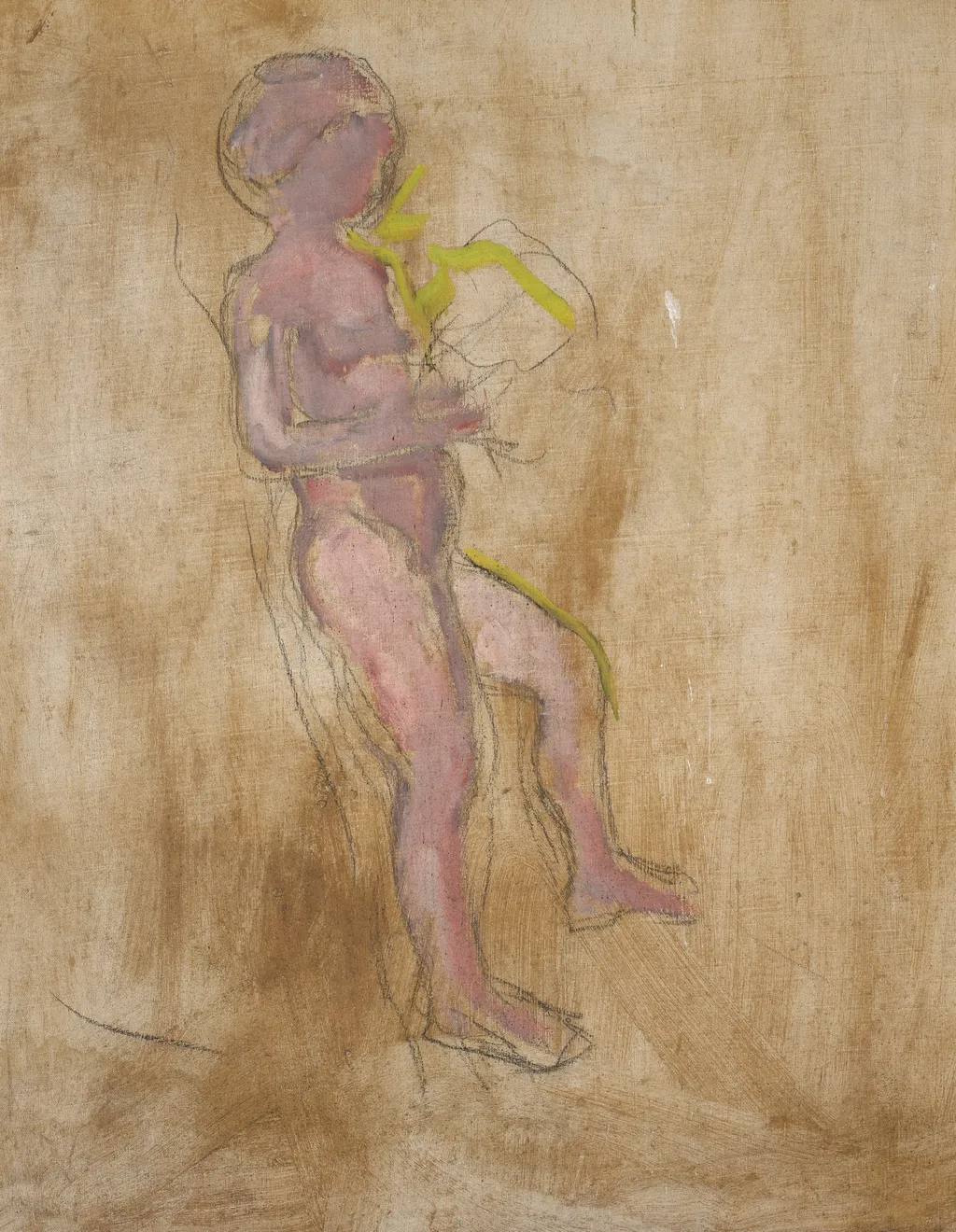
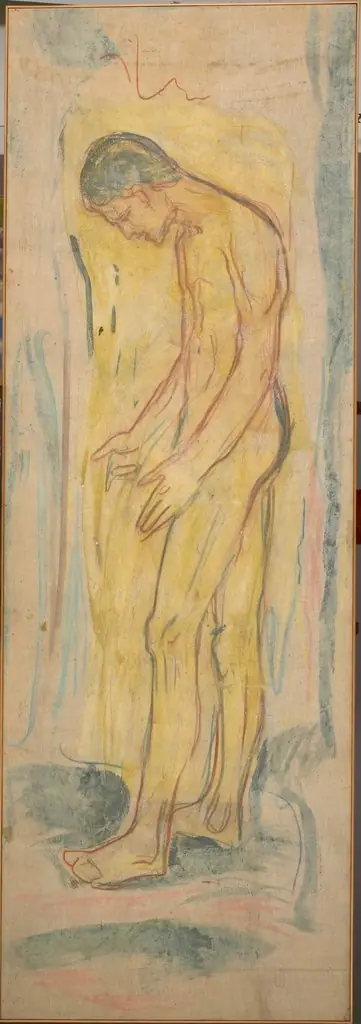
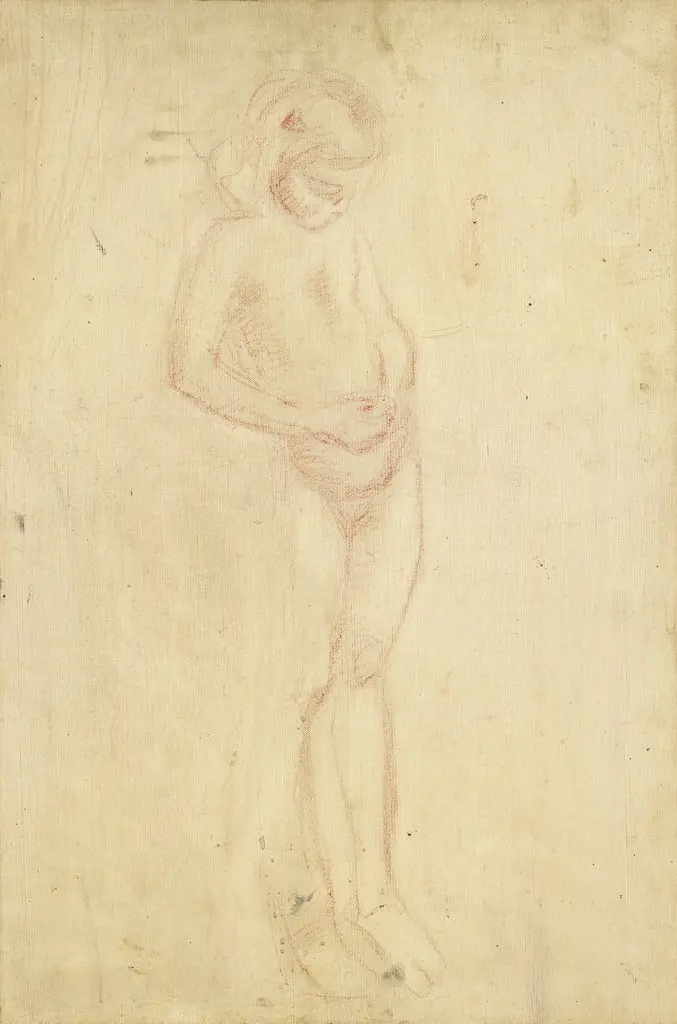
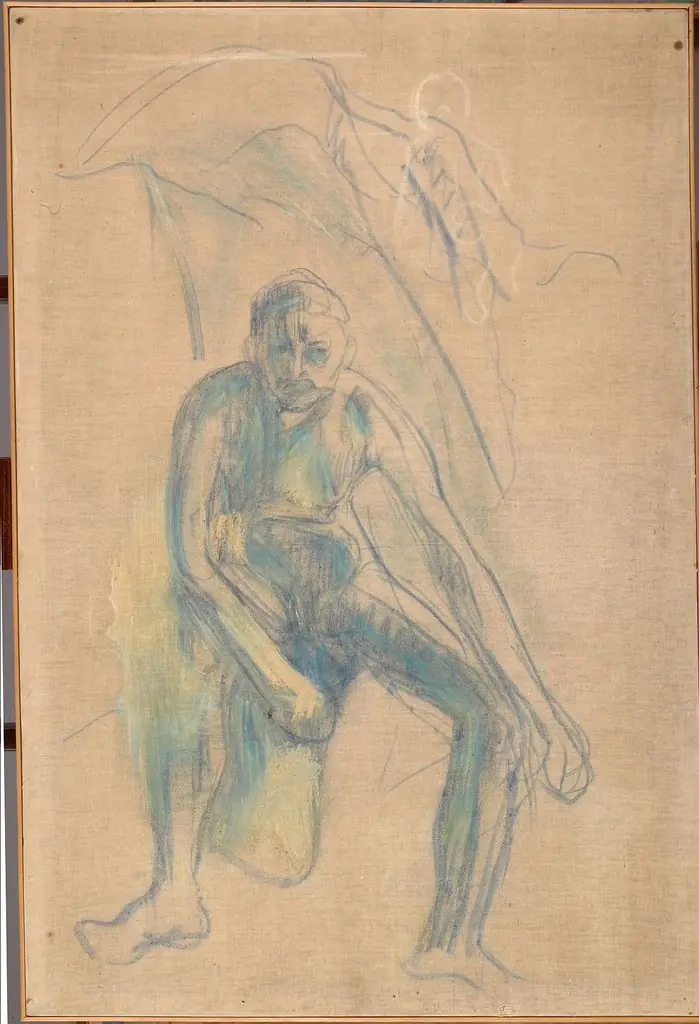
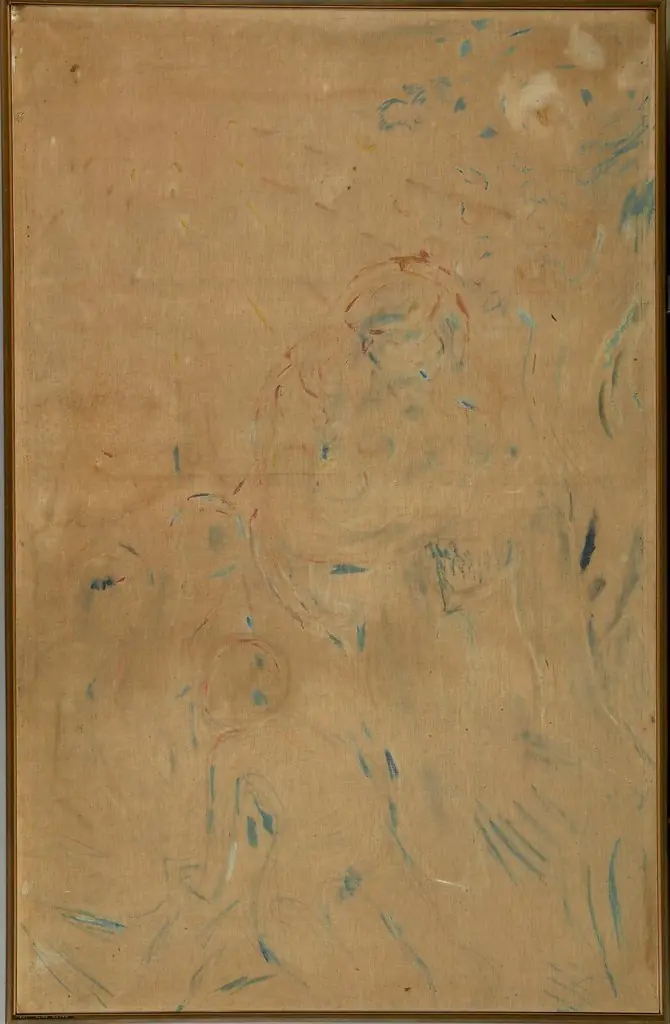
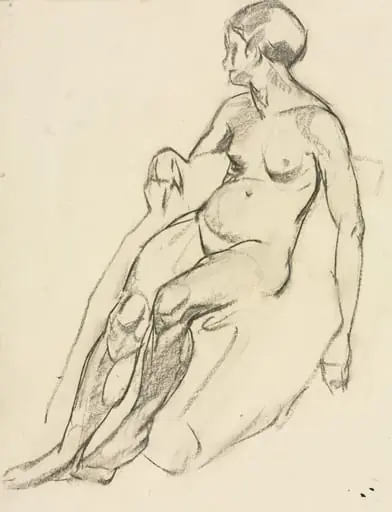
Alma Mater: Fragment with Playing Child is a charcoal painting by the Post-Impressionist artist Edvard Munch. It dates from 1910 and is held in the collection of the Munch Museum.
About this work
Overview
Part of a larger, unrealized composition titled *Alma Mater*, the work reflects Munch’s ongoing exploration of vulnerability and innocence.
Painted in 1910 by Norwegian artist Edvard Munch, this oil-on-canvas fragment portrays a solitary child in a moment of quiet play. Part of a larger, unrealized composition titled *Alma Mater*, the work reflects Munch’s ongoing exploration of vulnerability and innocence. Its intimate scale and unfinished quality suggest it was studied as a standalone emotional unit rather than a completed narrative element.
Subject & Meaning
The nude child, engaged with a yellow ribbon, appears absorbed in solitary play, evoking themes of childhood purity and transience. The figure’s raised arm and bent leg suggest a fleeting, unguarded gesture, reinforcing the sense of private introspection. Munch, shaped by early losses, often returned to motifs of life’s fragility; here, the child becomes a symbol of ephemeral existence, untouched by the anxieties that dominate his more overtly tormented works.
Technique & Style
Munch employed soft, muted tones and subtle glazing to model the child’s form, creating gentle transitions between light and shadow without harsh outlines. The warm beige background recedes quietly, focusing attention on the figure’s delicate contours. Brushwork remains restrained, avoiding the expressive distortion seen in *The Scream*; instead, the style leans toward lyrical realism, emphasizing atmosphere over drama.
History & Provenance
Created during Munch’s mature period, the painting was retained by the artist and later entered the collection of the Munch Museum in Oslo, established to preserve his legacy. As a fragment of an abandoned larger work, it was never exhibited publicly during his lifetime as a standalone piece. Its survival reflects Munch’s habit of reworking and repurposing compositional studies into independent expressions.
Context
In the early 20th century, Munch moved beyond the Symbolist and Expressionist extremes of his youth, turning toward quieter, more introspective subjects. Influenced by his long-standing engagement with themes of life, death, and memory, this work aligns with his interest in the psychological weight of ordinary moments. It reflects a broader shift in his oeuvre toward contemplative stillness amid personal and cultural upheaval.
Legacy
Though less known than his dramatic compositions, this fragment exemplifies Munch’s capacity for emotional nuance in minimal forms. It has contributed to scholarly discussions on his later work, revealing how his preoccupations with vulnerability persisted even as his style softened. The painting remains a quiet testament to his belief that the most profound truths often reside in unassuming, fleeting gestures.
Own this work as a print
Artist & collection
Artist
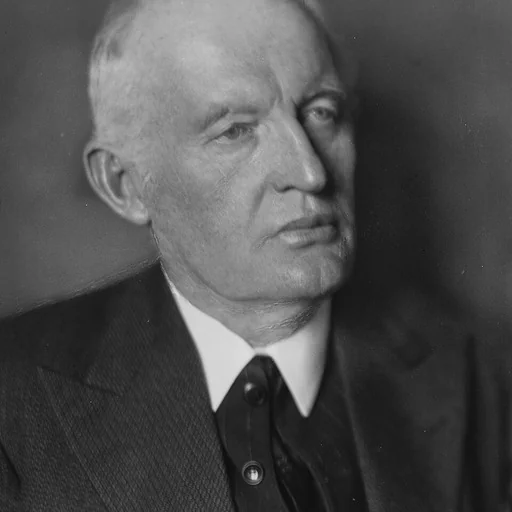
Edvard Munch ( MUUNK; Norwegian: ; 12 December 1863 – 23 January 1944) was a Norwegian painter.