Artwork
Behind the Plough
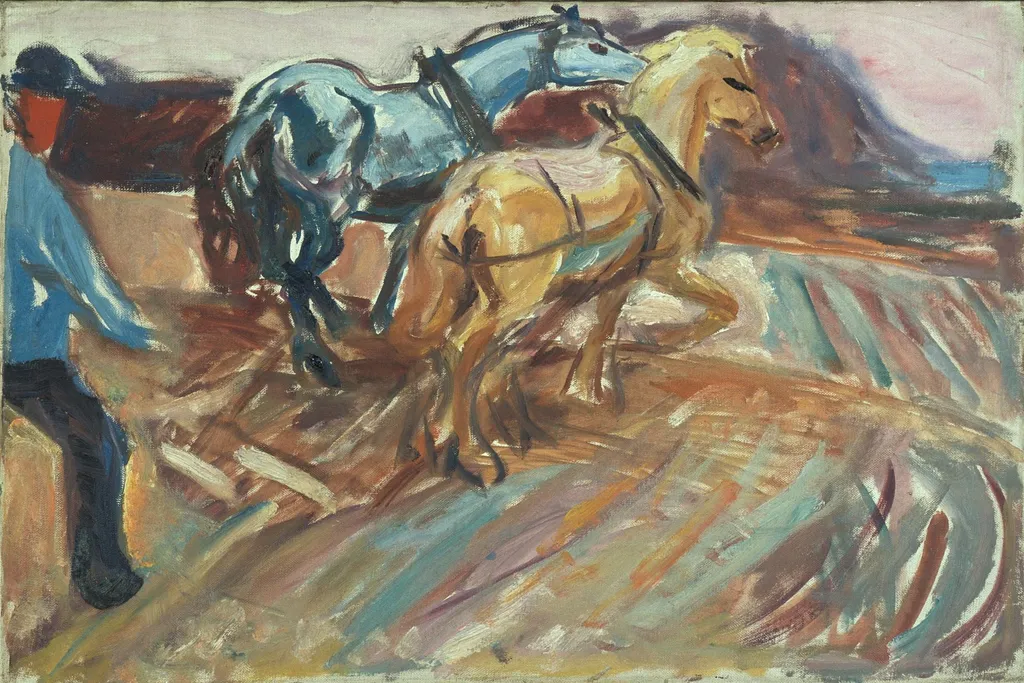
Behind the Plough is an oil painting by the Post-Impressionist artist Edvard Munch. It dates from 1917 and is held in the collection of the Munch Museum.
About this work
Overview
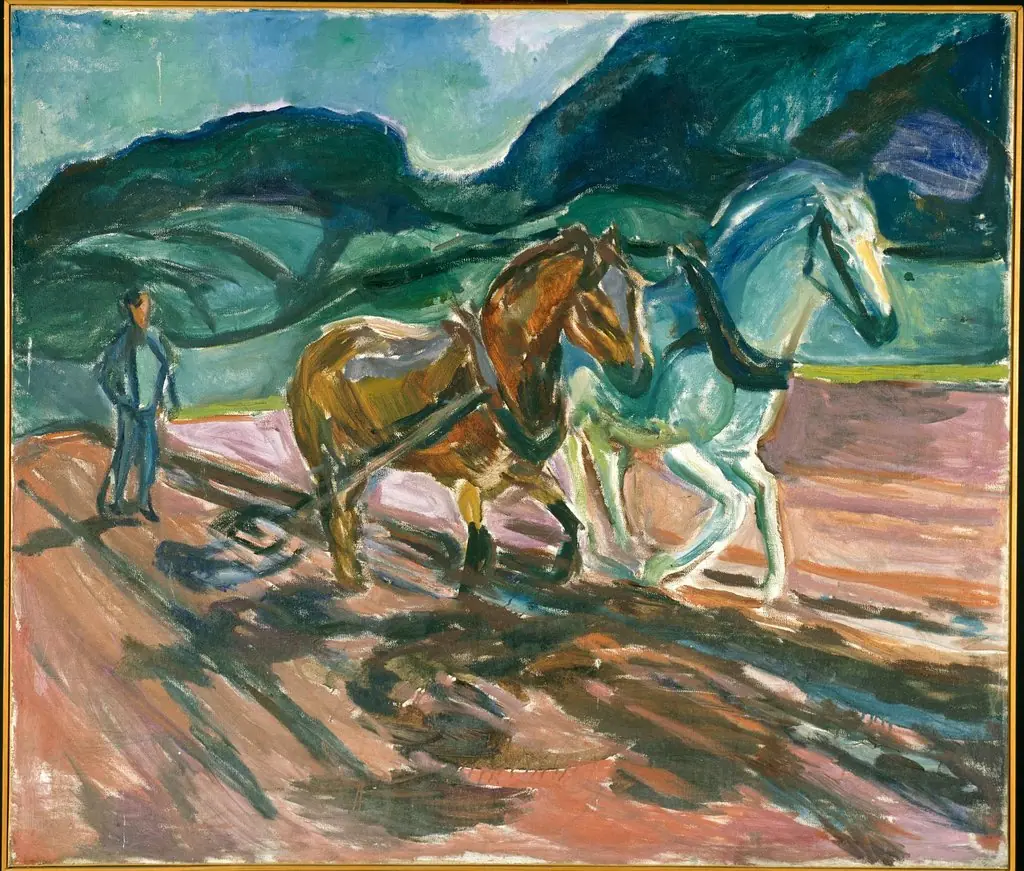
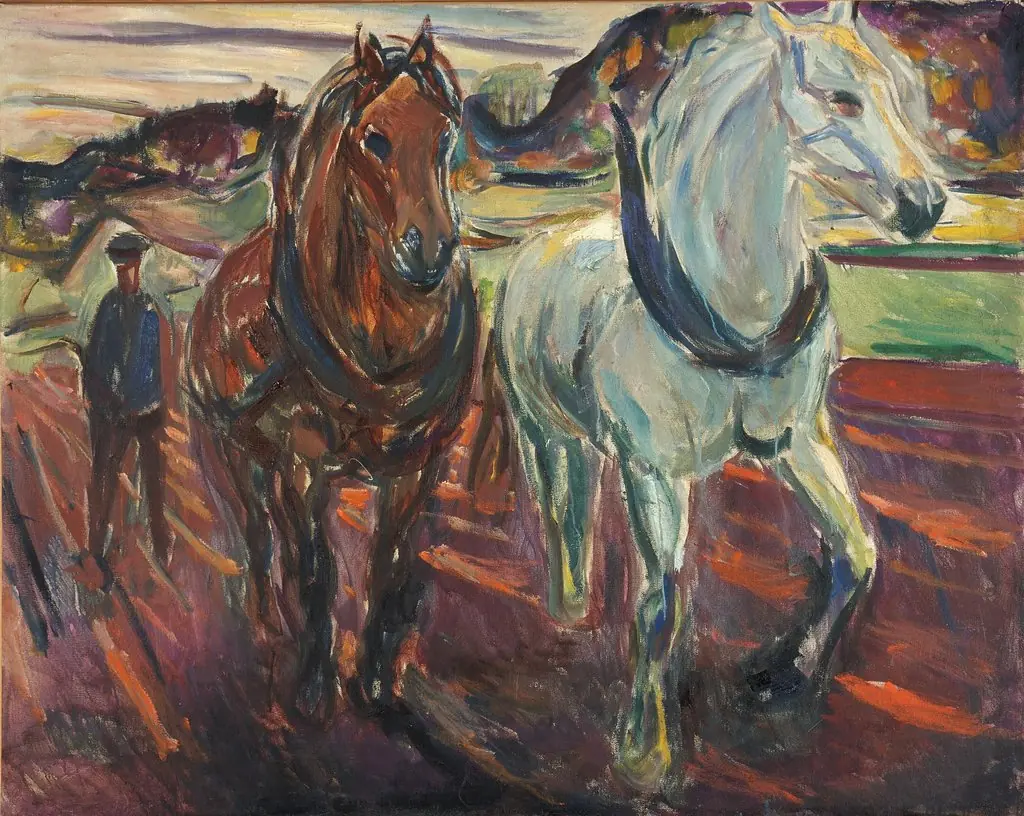
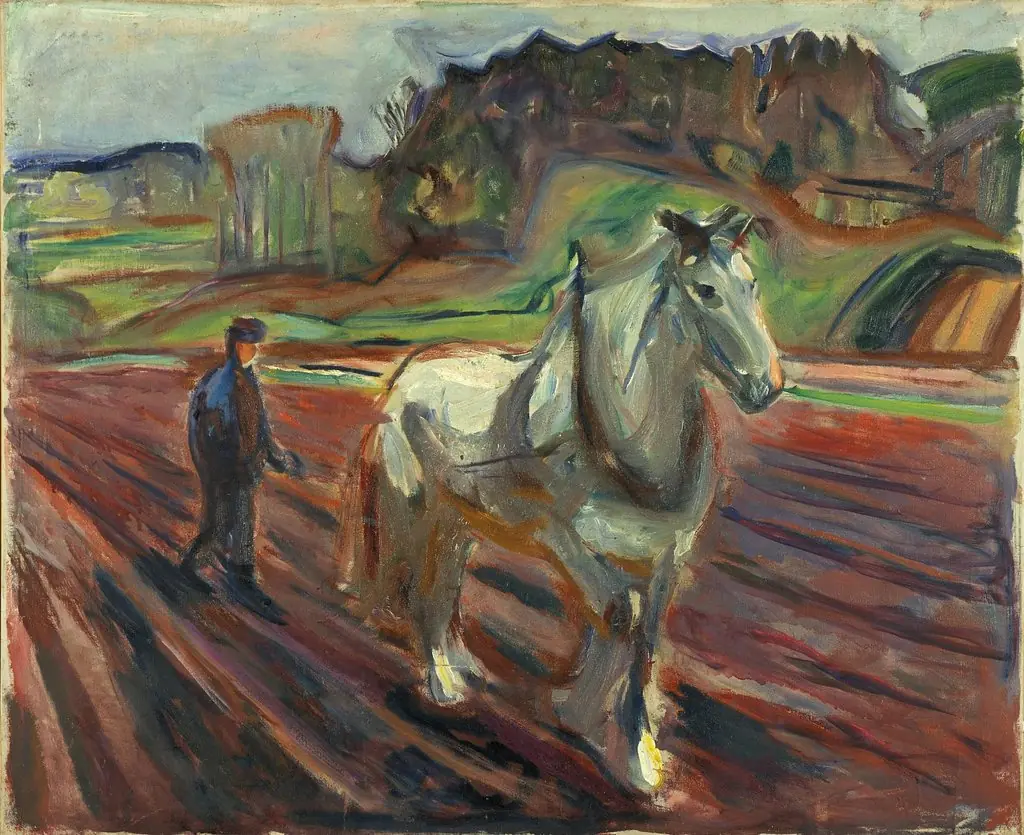
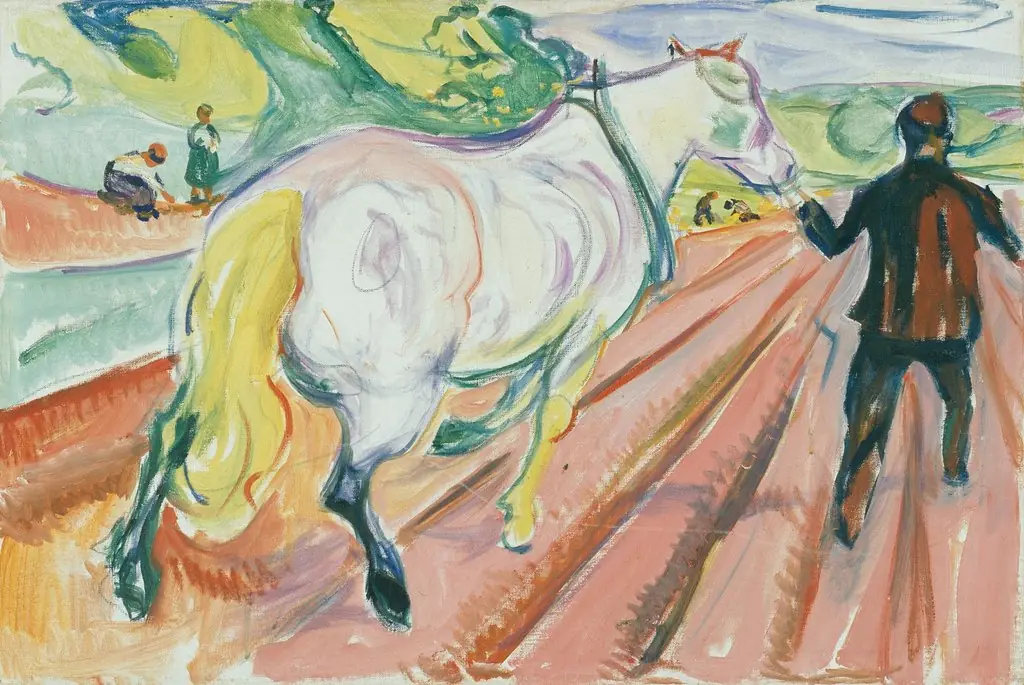
Behind the Plough is a 1917 oil painting by Edvard Munch, characterized by expressive brushwork and vivid colors. It captures a solitary farmer guiding two horses plowing a field, conveying a sense of dynamic energy through its loose, post-impressionist style.
Subject & Meaning
The painting depicts a farmer at work, emphasizing the physical labor and connection to the land. The solitary figure may reflect Munch's exploration of isolation, a common theme in his emotionally charged oeuvre, though here applied to a serene, everyday scene.
Technique & Style
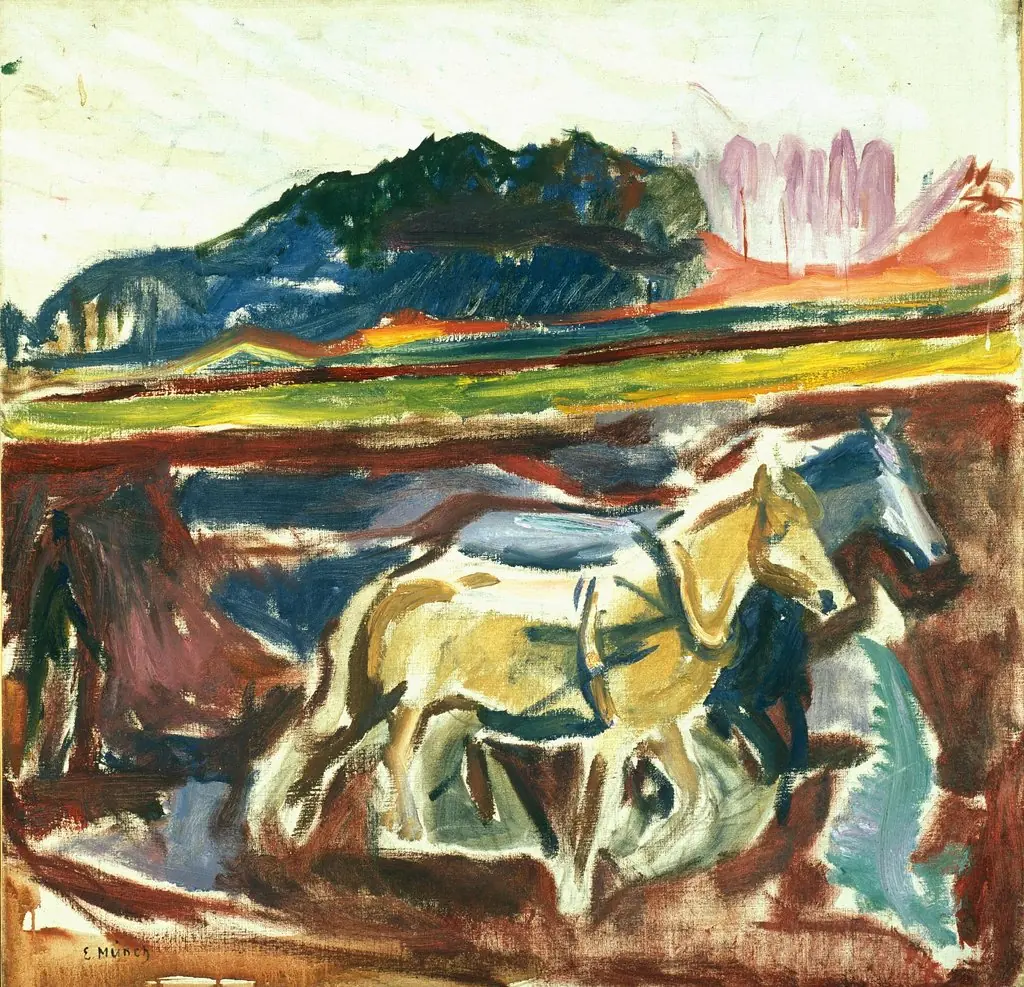
Munch employed bold, expressive brushstrokes and a vibrant color palette to create a sense of movement. The contrast between the muted background and the vivid, dynamic foreground elements (farmer, horses, and plow) enhances the overall energy of the composition.
History & Provenance
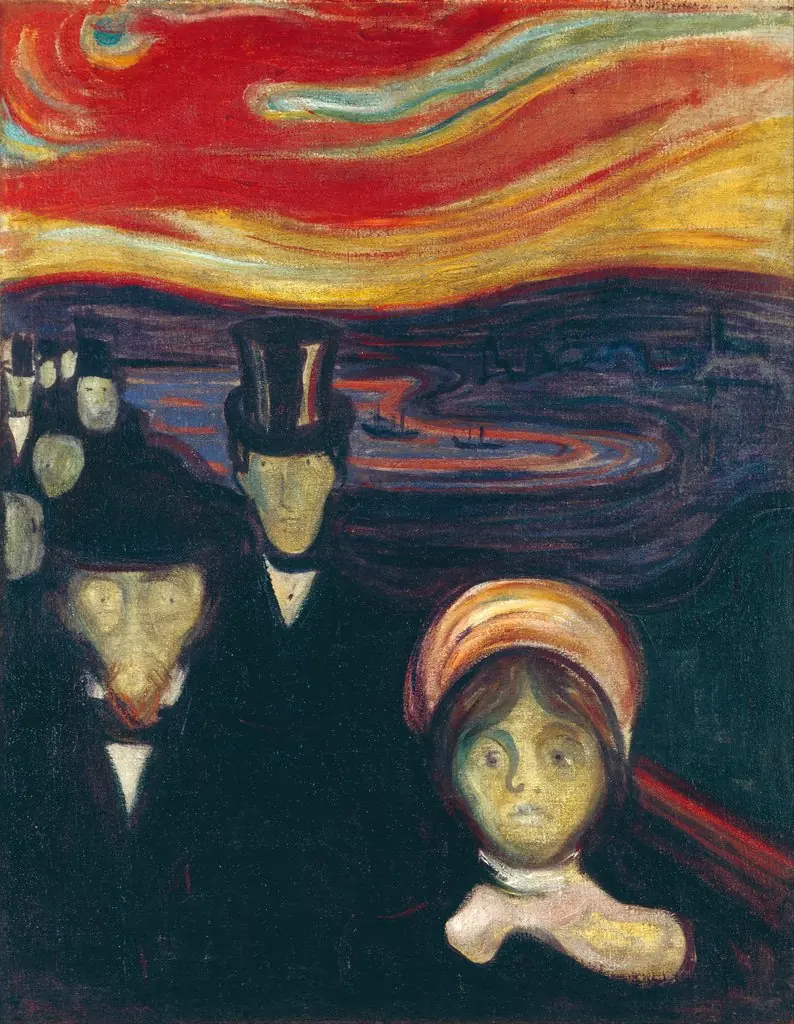
Created in 1917, the painting is part of the post-impressionist movement. It is now held in the collection of the Munch Museum, Oslo, reflecting the institution's dedication to preserving the artist's diverse output beyond his more famous works like *The Scream*.
Context
While Munch is renowned for his psychologically intense works, *Behind the Plough* situates itself within his broader exploration of everyday life, influenced by his Norwegian roots and the emotional depth he brought to mundane subjects.
Legacy
Though not as widely recognized as some of Munch's other works, *Behind the Plough* contributes to the understanding of his stylistic range and thematic interests beyond the realm of existential angst, highlighting his capacity for capturing the beauty in ordinary labor.
Own this work as a print
Artist & collection
Artist
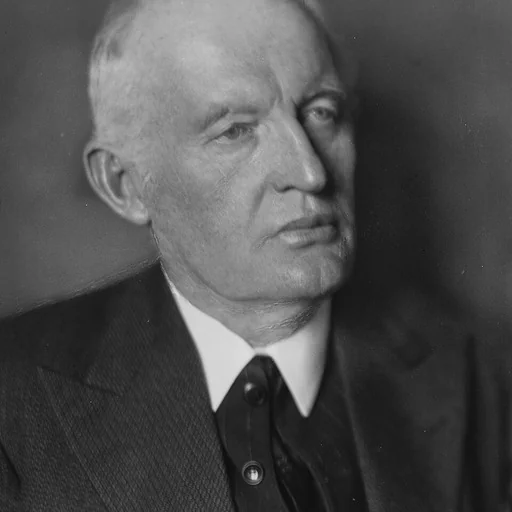
Edvard Munch ( MUUNK; Norwegian: ; 12 December 1863 – 23 January 1944) was a Norwegian painter.